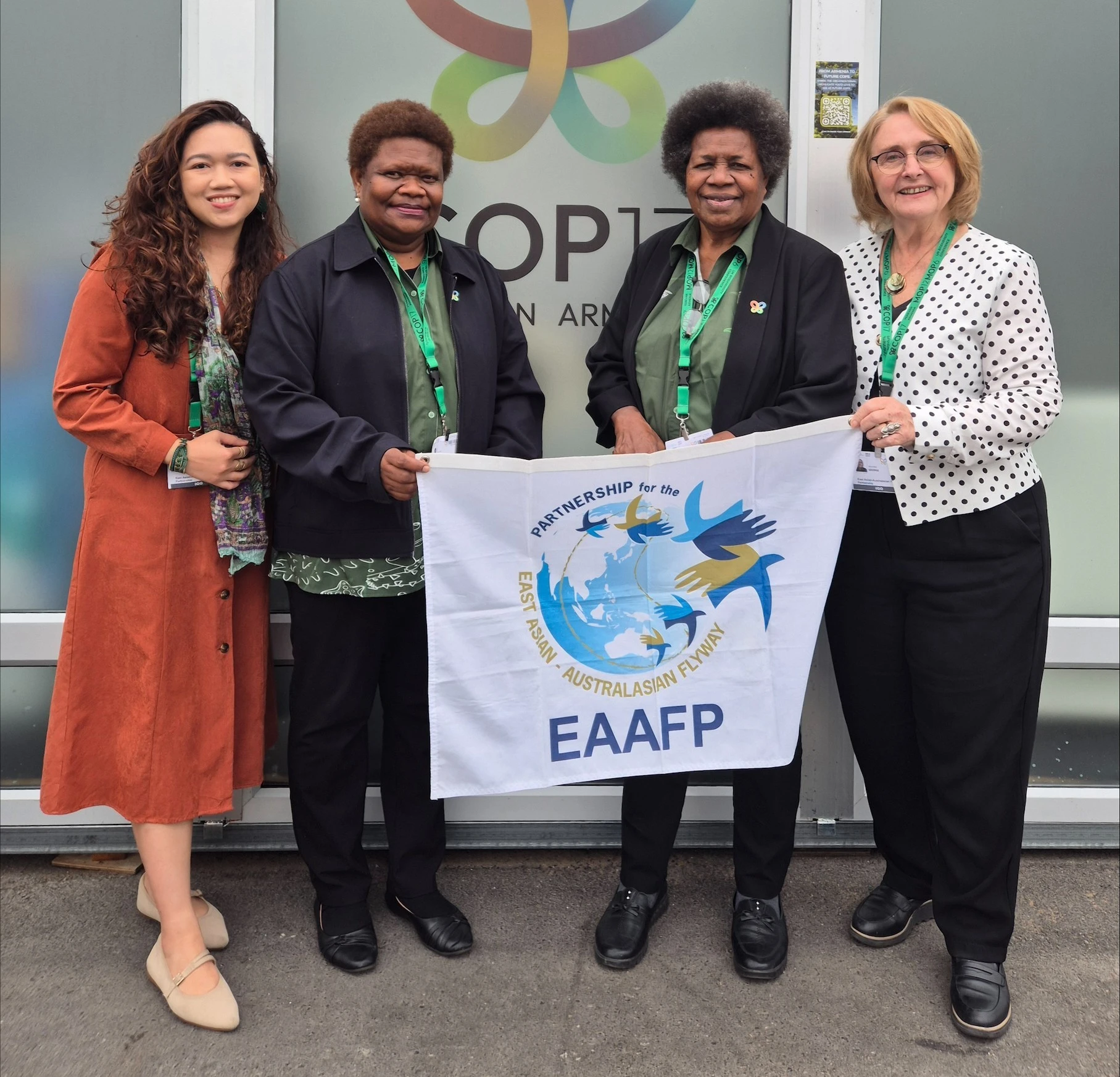
EAAFP Secretariat Chief Executive Jennifer George and Programme Officer Kyle Esperanza Zuleta met with Kumaras Kalim, Director-Sustainable Environment Programme, and Yvonne Tio, Executive Manager-Marine Programmes, Sustainable Environment Programme from the Conservation Environment Protection Authority of Papua New Guinea at the CBD COP 17. © EAAFP
The East Asian–Australasian Flyway Partnership (EAAFP) is delighted to welcome Papua New Guinea as its 44th Partner. With Papua New Guinea joining, the Partnership now brings together 19 national governments and 25 other Partners united by a shared commitment to conserving migratory waterbirds, their habitats, and the livelihoods of people who depend on these ecosystems.
Connecting Habitats Across Borders
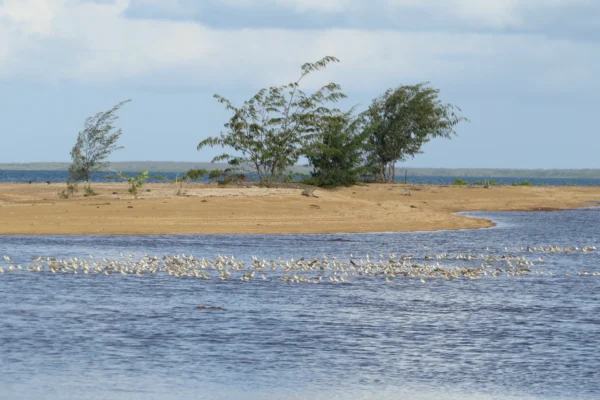
Papua New Guinea is home to diverse and internationally important wetland ecosystems. Its existing Flyway Network Site, Tonda Wildlife Reserve [EAAF034], located in Western Province, is also a Ramsar Site. Its diverse habitats, including wetlands, floodplains, mangroves, and grasslands, support a range of migratory waterbirds. Species recorded at the site include the Near Threatened Red-necked Stint (Calidris ruficollis), Vulnerable Curlew Sandpiper (Calidris ferruginea), and Endangered Siberian Sand Plover (Anarhynchus mongolus).
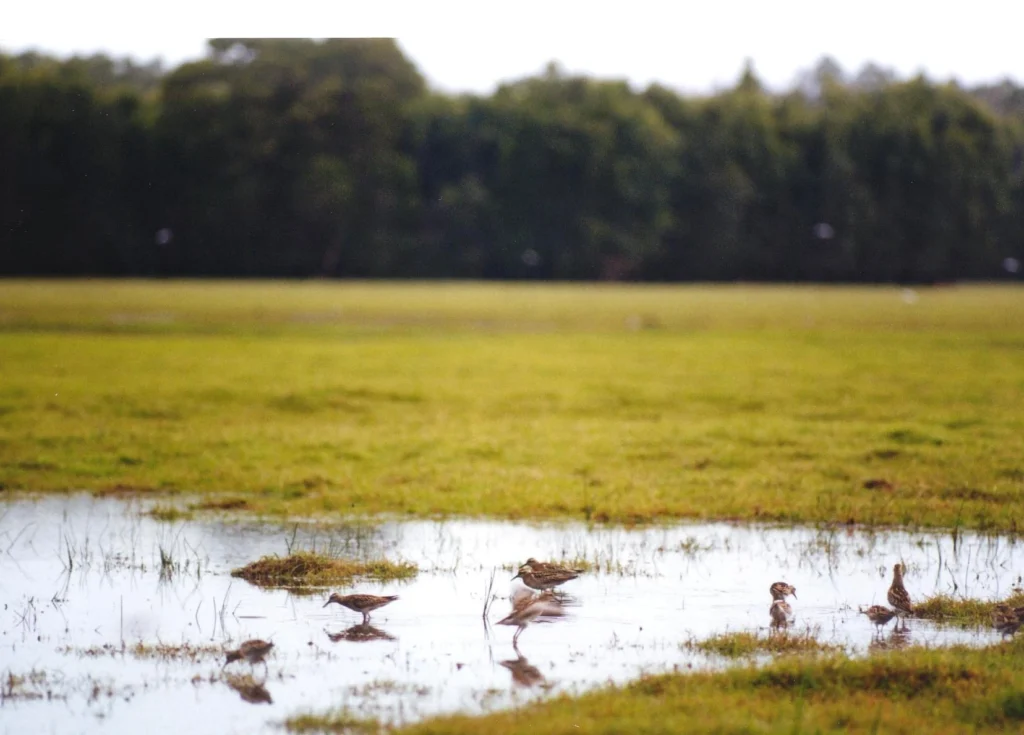 © Wetlands International / Doug Watkins
Tonda adjoins Wasur National Park [EAAF008] in neighbouring Indonesia, which is also a designated Flyway Network Site and Ramsar Site. These two sites form part of a wider transboundary wetland landscape, illustrating the ecological connectivity between Papua New Guinea, Indonesia, and the wider East Asian–Australasian Flyway (EAAF).
Beyond Tonda, Papua New Guinea is committed to protecting other important wetlands that support migratory waterbirds. Its national legislative and policy frameworks, including the Protected Areas Act 2024, the Environment Act 2000, and the ongoing revision of its National Biodiversity Strategy and Action Plan (NBSAP) 2025–2030, provide a strong foundation for advancing these efforts.
Building on Existing Connections
Through its Conservation and Environment Protection Authority (CEPA), Papua New Guinea has already been working with the EAAFP Secretariat to raise awareness of the importance of conserving Flyway Network Sites. Activities have included presentations to CEPA officers and development partners, as well as outreach through its Protected Areas Forum.
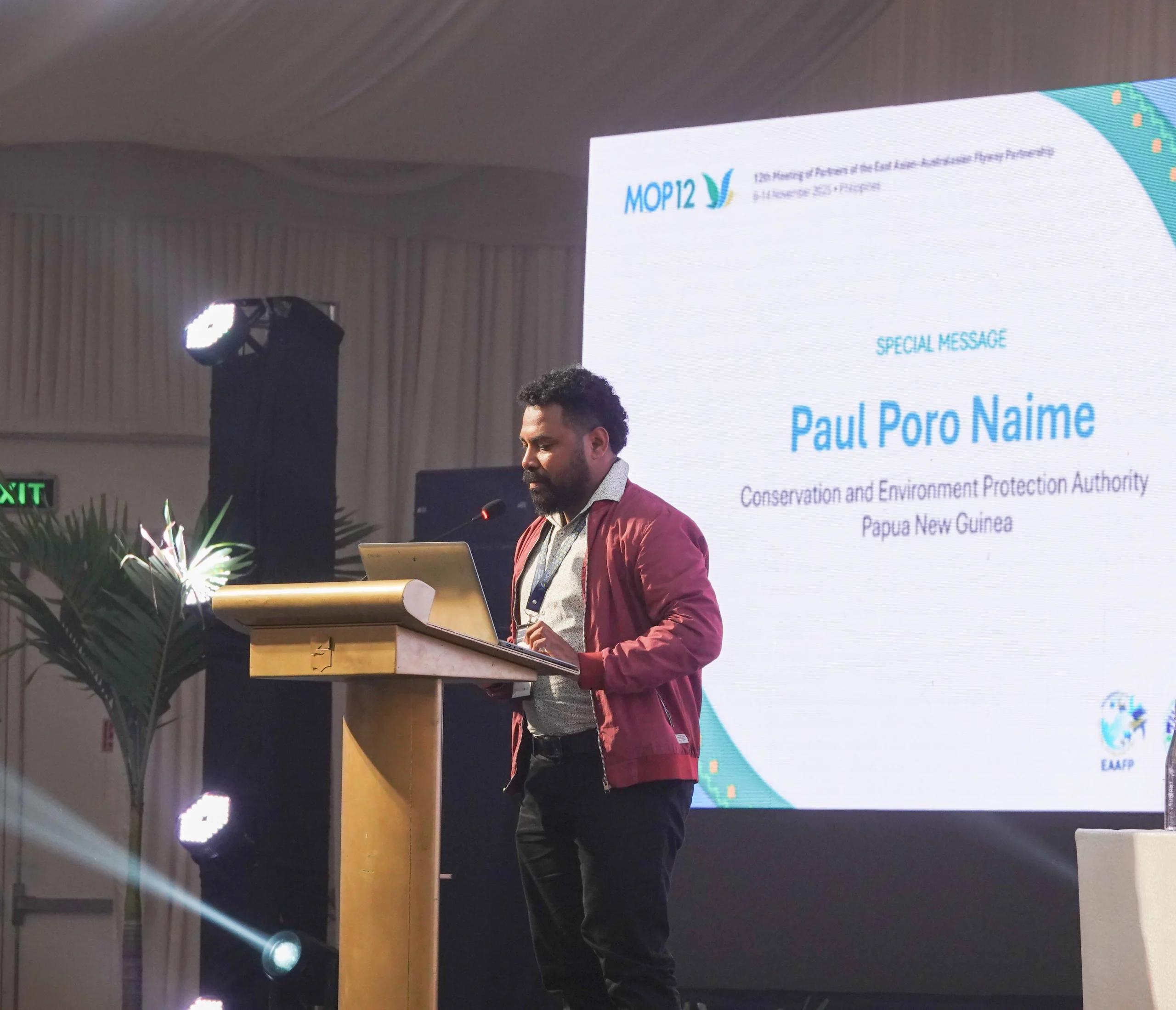
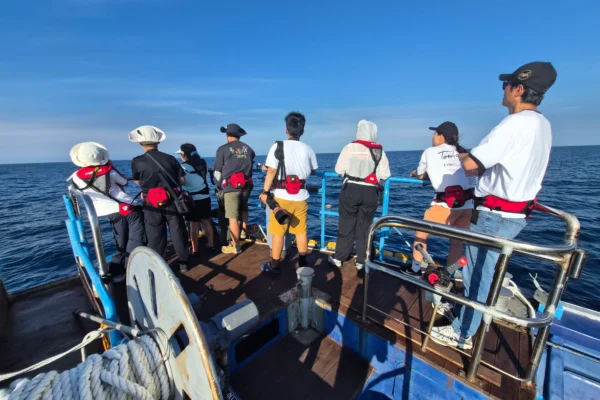
Mr. Paul Poro Naime of the Conservation and Environment Protection Authority at EAAFP MOP12 © EAAFP
The country’s conservation officers have also participated in international meetings, including the 12th Meeting of Partners (MOP12) in Cebu, Philippines, in November 2025. National capacity-building initiatives in geographic information systems (GIS), drone-based data collection, and land and marine spatial planning further support the country’s conservation efforts.
Connecting Papua New Guinea to the Wider Flyway
Papua New Guinea’s formal membership in the EAAFP provides opportunities to strengthen its connections with governments, conservation organisations, researchers, site managers, and other stakeholders across the Flyway.
Through these connections, Papua New Guinea can share its knowledge and experience, draw on the expertise of fellow Partners, and participate in collaborative research, monitoring, capacity building, and flyway-wide conservation initiatives. Its membership also opens opportunities for cross-border cooperation and the expansion of its national network of Flyway Network Sites.
By connecting Papua New Guinea more closely with the wider Flyway, the Partnership strengthens the relationships between countries, sites, and people that are essential to safeguarding migratory waterbirds and the habitats on which they depend throughout their journeys.
The EAAFP warmly welcomes Papua New Guinea and looks forward to working together for the future of our shared Flyway.
Reference:
Asian Development Bank (ADB). (n.d.). Papua New Guinea: Tonda Wildlife Management Area. Regional Flyway Initiative Site Studies. Available at: https://events.development.asia/materials/papua-new-guinea-tonda-wildlife-management-area