© NEASPEC
The East Asian–Australasian Flyway Partnership (EAAFP) is delighted to welcome the North-East Asian Subregional Programme for Environmental Cooperation (NEASPEC) as its 43rd Partner.
Established in 1993 by six North-East Asian countries — China, the Democratic People’s Republic of Korea (DPRK), Japan, Mongolia, the Republic of Korea, and the Russian Federation — NEASPEC is an intergovernmental cooperation mechanism addressing shared environmental challenges in the subregion. Its secretariat functions are provided by the United Nations Economic and Social Commission for Asia and the Pacific (UN ESCAP) East and North-East Asia Office.
Connecting Countries, Habitats, and Species
Migratory waterbird conservation has been an important part of NEASPEC’s work for almost two decades. Since adopting its Nature Conservation Strategy in North-East Asia in 2007, NEASPEC has supported cooperation for three flagship migratory waterbirds — the Black-faced Spoonbill, Hooded Crane, and White-naped Crane — together with the wetland habitats on which they depend.
Today, its Connectivity Conservation for Habitats of Flagship Migratory Birds in North-East Asia project brings that approach directly into the East Asian–Australasian Flyway. The project supports monitoring and habitat conservation across important sites, including EAAFP Flyway Network Sites such as Mai Po – Inner Deep Bay [EAAF003], Daursky Nature Reserve [EAAF020], Cheorwon Basin [EAAF027], Anqing Yangtze Riverine Wetland Nature Reserve [EAAF082], Shengjin Hu National Nature Reserve [EAAF068], and Poyang Hu Nature Reserve [EAAF025].
NEASPEC brings governments, scientists, protected-area managers and conservation practitioners together across borders, helping build the ecological and institutional connections needed to conserve migratory species throughout their journeys.
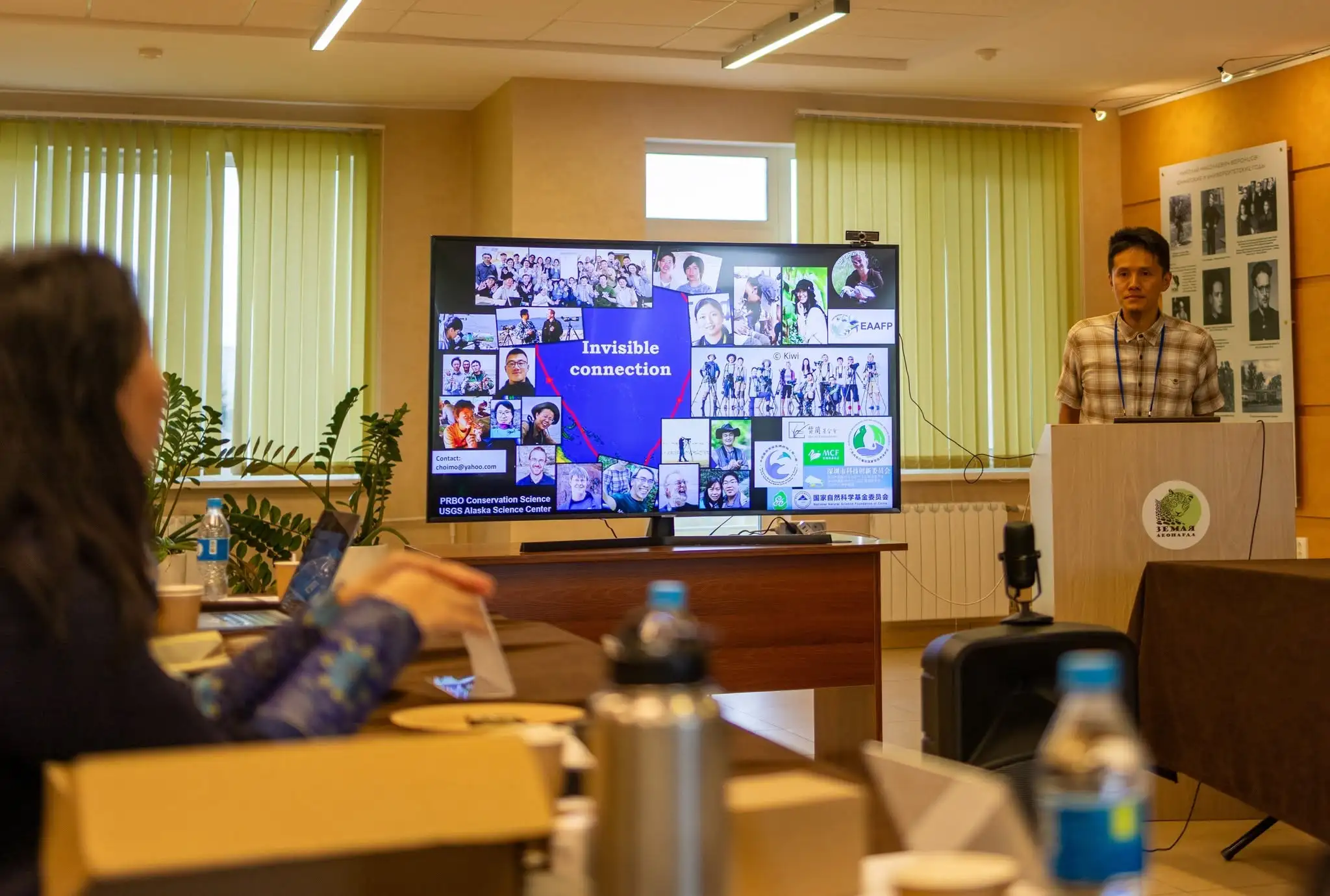
Its work has included a field survey and workshop at the Rason Migratory Bird Reserve in DPRK, which provided the first scientific evidence for DPRK’s accession to the Convention on Wetlands; transboundary wetland assessments in the Lower Tumen River area; regional habitat assessments for cranes and Black-faced Spoonbills; as well as support for the revision of the International Single Species Action Plan for the Black-faced Spoonbill.
 © NEASPEC
From Science to People
Another important strength NEASPEC brings to EAAFP is its ability to connect science with practical conservation.
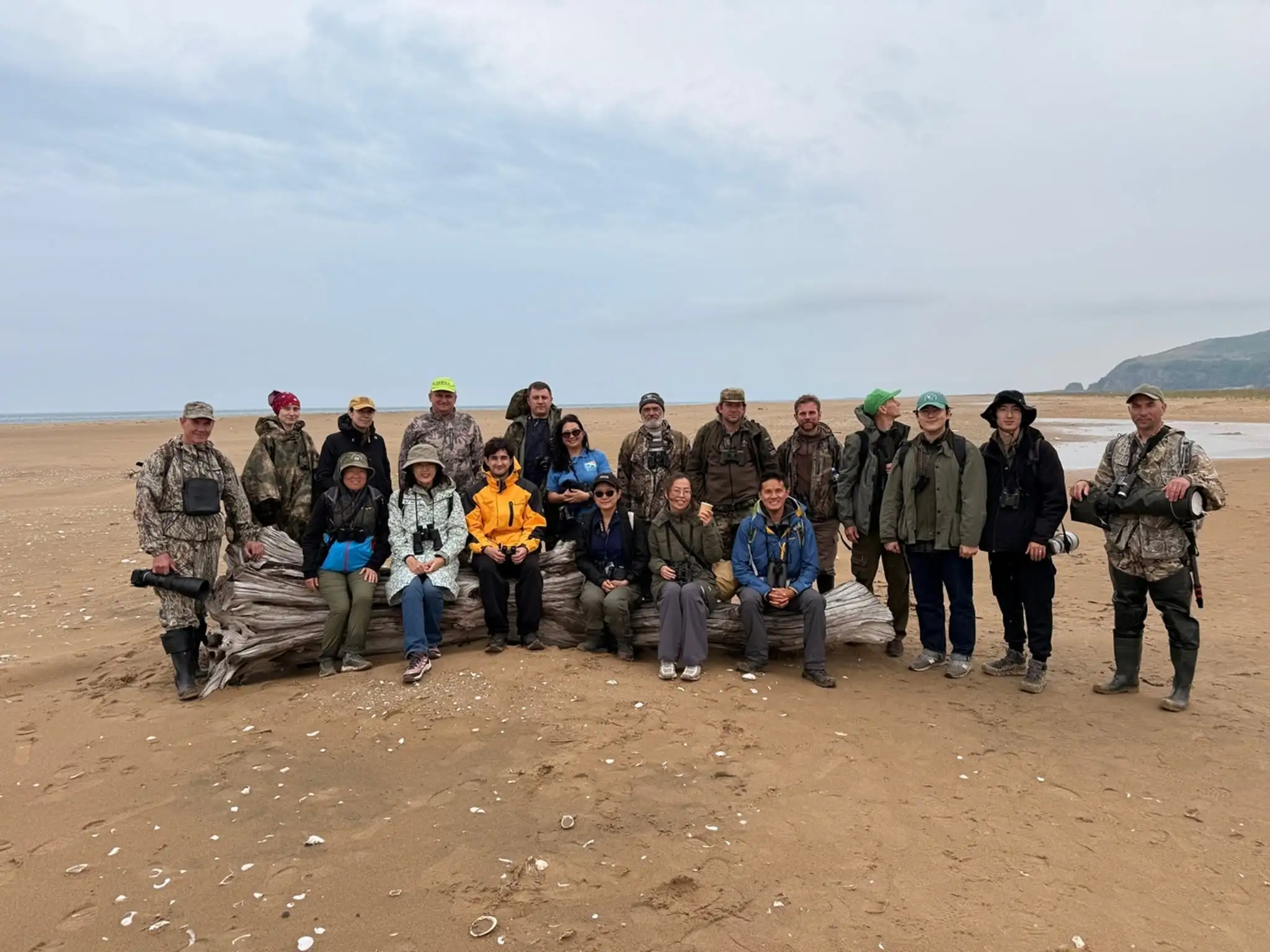
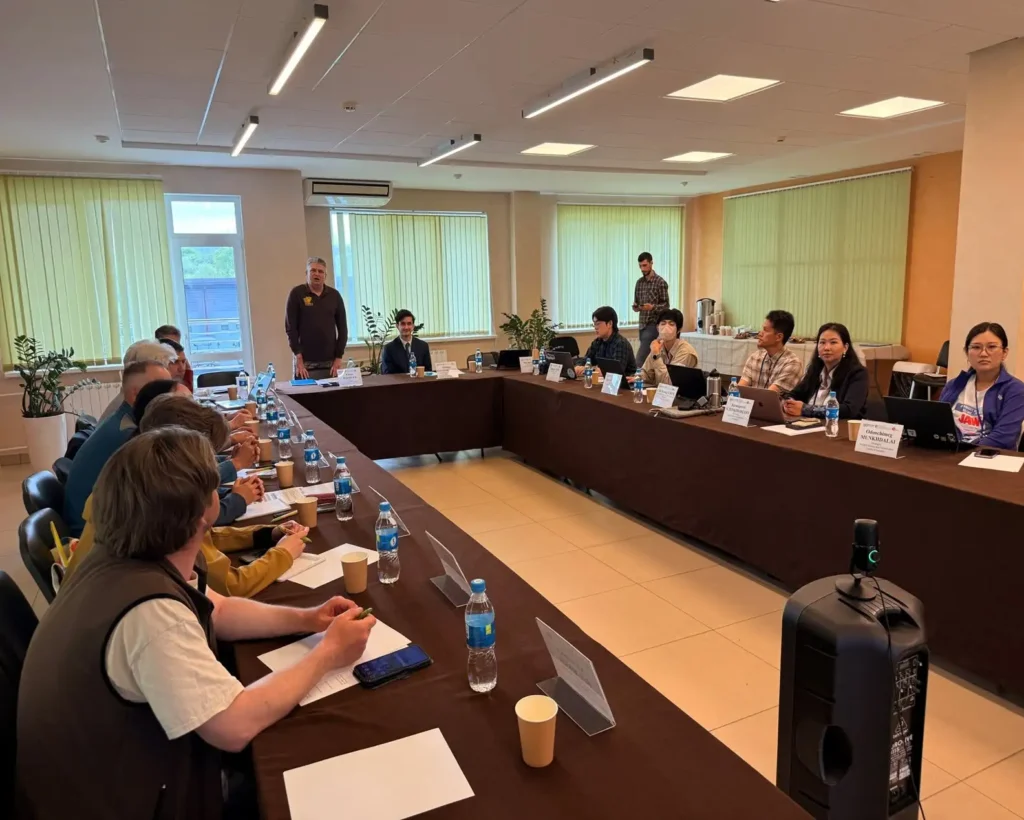
Through field surveys, collaborative monitoring, technical workshops and regional training, NEASPEC supports the people responsible for conserving these habitats on the ground. Recent training programmes in Mongolia in 2025 and the Russian Federation in 2026, for example, brought together protected-area managers, researchers and early-career conservationists to strengthen skills in bird monitoring, habitat assessment, and wetland management.
NEASPEC also facilitates the North-East Asian Marine Protected Areas Network (NEAMPAN), which promotes cooperation on marine and coastal biodiversity and ecological connectivity. NEASPEC’s 2026–2030 Strategic Plan aims to expand the NEAMPAN network, with the potential to include additional migratory bird habitats.
 © NEASPEC
Deepening an Existing Partnership
NEASPEC and EAAFP have a well-established history of cooperation, including through regional workshops, conservation initiatives, and species-focused activities. Its formal entry into EAAFP provides an opportunity to deepen this collaboration, bringing NEASPEC’s subregional expertise and networks into closer connection with conservation efforts across the wider Flyway.
With NEASPEC joining, EAAFP now brings together 43 Partners around the shared goal of conserving migratory waterbirds, their habitats, and the communities and livelihoods connected to these ecosystems.
NEASPEC strengthens the connections between sites, science, governments, and people. For migratory waterbirds whose journeys connect North-East Asia with the wider Flyway, it is these connections that make conservation possible.
For more information about NEASPEC, visit https://neaspec.org/.
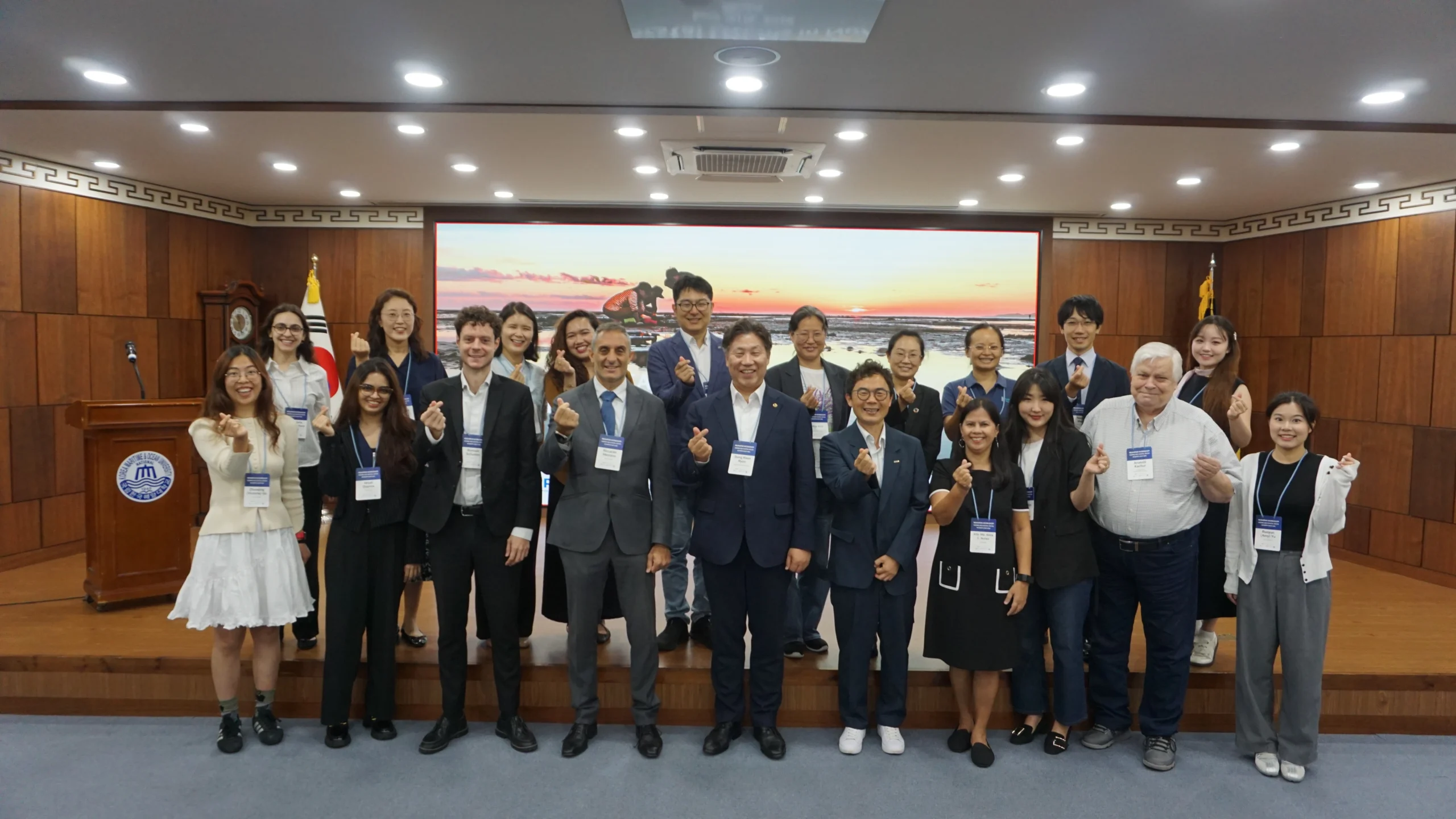 NEAMPAN workshop on Marine and Coastal OECMs in North-East Asia © UNESCAP