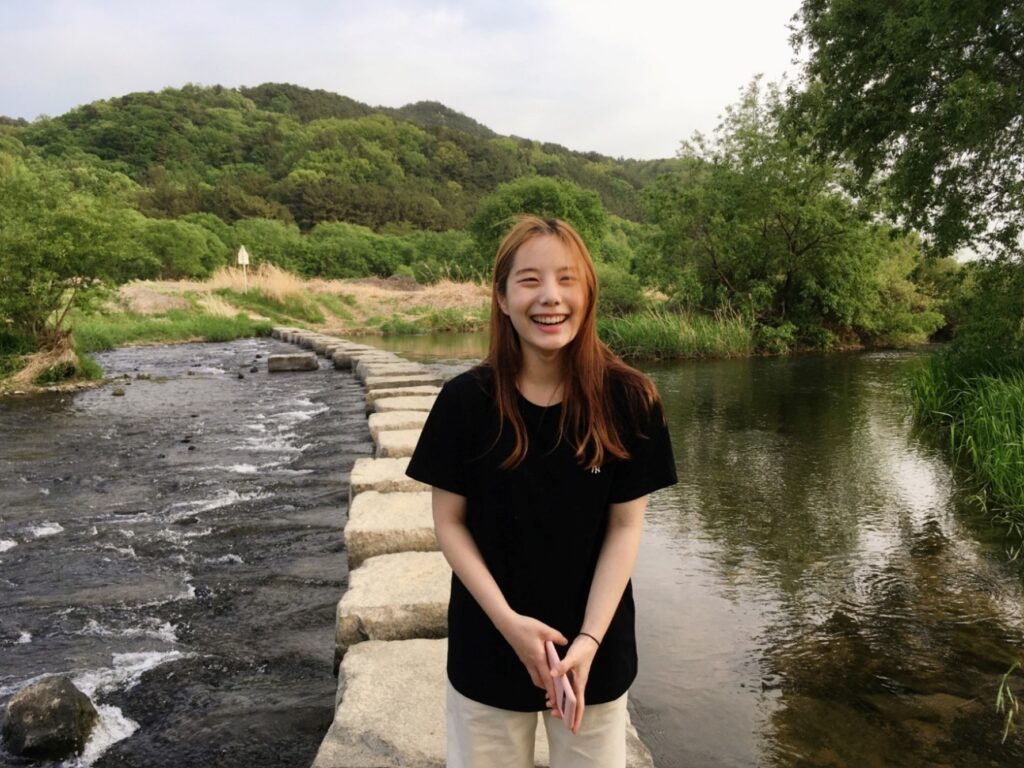
In this issue of Flyway Story, we invited our donor Jiyeon Son on behalf of the “Climate Crisis and Sustainable Development” class at Korea University.
“I want to be someone who, within my own area, can gladly make the effort—even if it’s a bit inconvenient—to protect the things that are precious to us.” — Jiyeon Son
EAAFP: Hello, Jiyeon Son. Could you please introduce yourself and fellow donors?
Jiyeon Son: Hello, my name is Jiyeon Son, and I am a student at the Department of Economics at Korea University. We came together for this donation through the course “Climate Crisis and Sustainable Development” at our university.
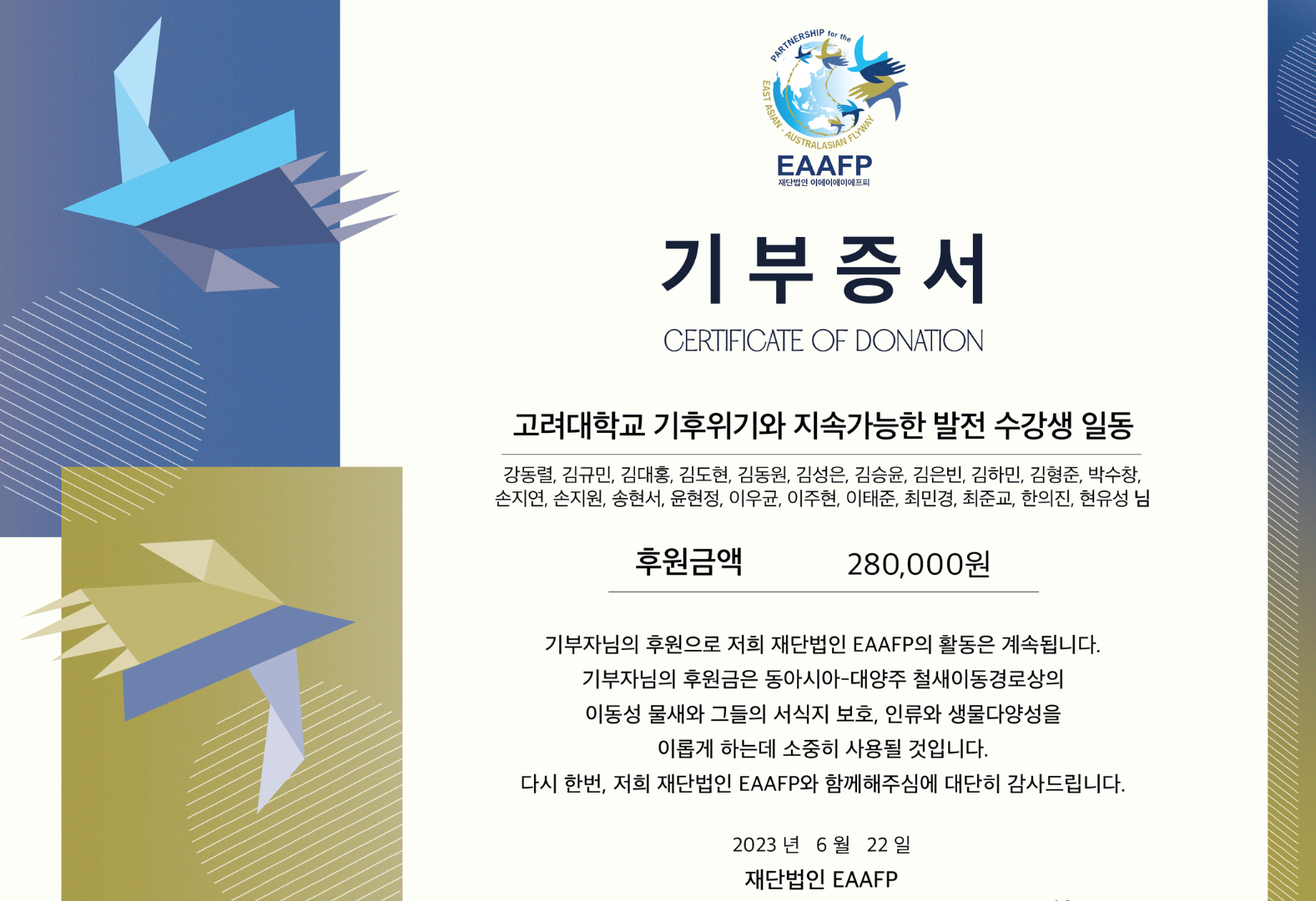 Donation certificate issued to the students of Korea University’s class on Climate Crisis and Sustainable Development ©EAAFP Foundation
EAAFP: What inspired you to donate to the EAAFP Foundation and support efforts for the conservation of migratory waterbirds, habitats, and biodiversity?
Jiyeon Son: The course we attended covers topics like the “climate crisis, efforts to address the climate crisis both domestically and internationally, and the UN’s SDGs.” In the latter part of the course, we worked on group activities. The project topic was to identify local issues from the perspective of the SDGs and propose solutions. While discussing topics with my team members, one of them mentioned seeing an otter in the Han River. Otters are well-known as an endangered species. As we learned more about biodiversity issues, we realized how important this problem is. We decided not to limit ourselves to just the class, but to take action and find something we could do right away to help solve the problem. In addition to our project presentation, we created stickers and sold them on the day of the presentation. The proceeds from the sales were donated to support the cause.

Otter sticker created as a class project ©Jiyeon Son
EAAFP: How has the “Climate Crisis and Sustainable Development” class influenced your understanding of the importance of biodiversity conservation, particularly regarding migratory waterbirds? How do you think the conservation of migratory waterbirds, their habitats, and biodiversity aligns with broader goals like climate change mitigation and sustainable development?
Jiyeon Son: After taking the class, I found the climate crisis to be even more complex. It’s such a broad issue. Thanks to advances in science and technology, we can identify some of the causes and figures, but it’s still challenging to predict when and how it will happen. Furthermore, it involves various stakeholders, and it’s intricately connected to countless living beings on Earth, including humans, as well as many scientific phenomena.
Despite this, I didn’t become discouraged. I think I was influenced by the professors, researchers, guest speakers, and teaching assistants who encouraged us to keep striving for a better tomorrow with passion. I realized that there are people leading the way, and I thought, “Next, it should be us.”
As for the importance of biodiversity conservation in relation to migratory waterbirds, I felt it more urgently when I learned that in the past, various developments directly destroyed the habitats of plants and animals. Today, however, things have changed (although past issues still exist). The climate crisis is gradually destroying their ecosystems. I found that, according to IUCN and IPBES data, millions of species are predicted to go extinct within decades, and the population of species is declining at a rate 467 times faster than natural extinction rates since the 2010s. Personally, I lack full understanding of Earth’s systems, but when sudden issues occur in something that was once in balance, it may seem fine in the short term, but the whole system can collapse in an instant.
Migratory waterbirds, in particular, don’t stay in just one area; they travel across continents. This made me realize that they are deeply connected to the global climate crisis. They have historically migrated and bred in harmony with Earth’s natural environment, but sudden climate change can disrupt their flight patterns, which can have a significant impact. This isn’t just a crisis for one species; it will have a domino effect on humans as well.
I believe true sustainable development involves training ourselves to think in the long term. For climate crisis mitigation, I think there are two key issues: 1) Problems that need immediate attention, and 2) Problems that need to be prevented. The second category is harder to feel on a personal level right now, but it’s an area that requires more focus. Biodiversity is critical for the overall balance, but it’s often overlooked, so I believe it’s an area that needs special attention.
EAAFP: What role do you think universities and educational institutions can play in promoting the conservation of migratory waterbirds and addressing climate change?
Jiyeon Son: This is a question I hadn’t really thought about before, so it’s a bit difficult to answer.
Personally, when I first looked at the climate crisis, I often doubted, “Is this really a problem?” But when I read books and looked up data, I realized it truly is a problem. However, because the issue is so vast, I found myself wanting to give up. But, as I mentioned earlier, through the class, I met some great role models, and my perspective shifted to, “Well, let’s do something. At least, let’s not ignore it.”
To summarize, I think it’s important for education to help students ask questions when they start to take an interest, and to provide opportunities for curiosity to be explored from different perspectives. Educational institutions need to offer options for this, and when students, like me, feel discouraged, they should provide support by showing us the people working together and the changes we can hope for, helping us move away from despair.
EAAFP: EAAFP is currently working in various areas to promote the conservation of migratory waterbirds, their habitats, and biodiversity, including public awareness programs, support for NGOs, and corporate champion programs. Among these, “public awareness” is essential for ensuring a future where migratory waterbirds and humans can coexist. What additional information or opportunities do you think EAAFP should provide to increase public awareness? Specifically, what information or opportunities do you think are most needed by young people like you, and what do you think is the biggest challenge in the conservation of migratory waterbirds and their habitats?
Jiyeon Son: It’s about seeing things firsthand. When I think about it, all of my interests started from seeing things directly. In the book by Professor Jaechun Choe, an ecologist, there’s a phrase that goes, “You have to know to love,” and I deeply agree with that. “There are beings like this. These beings live here. They may look similar, but if you look closely, they are different.” I hope that we can directly see these things so that these natural thoughts can be stirred up.
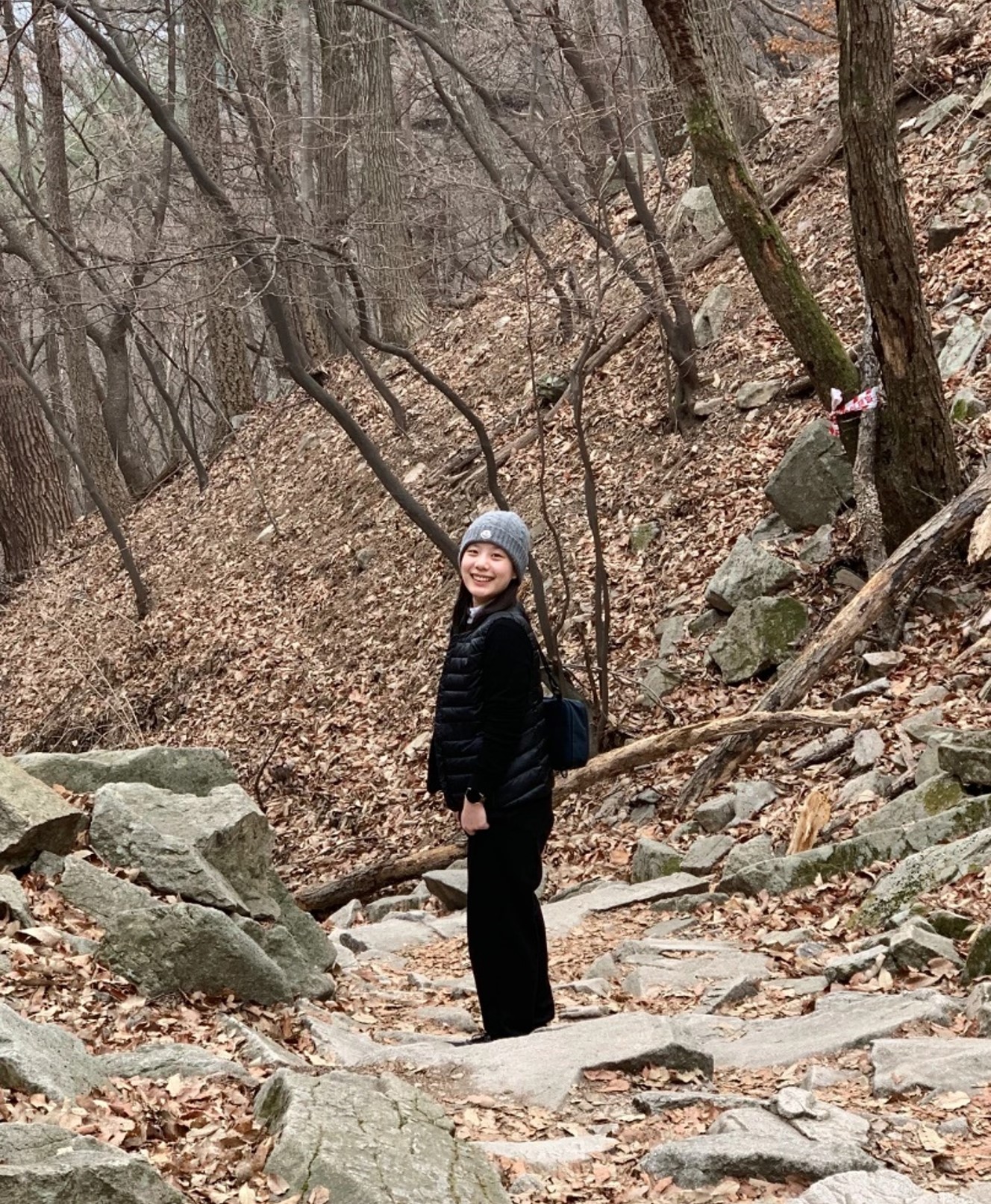
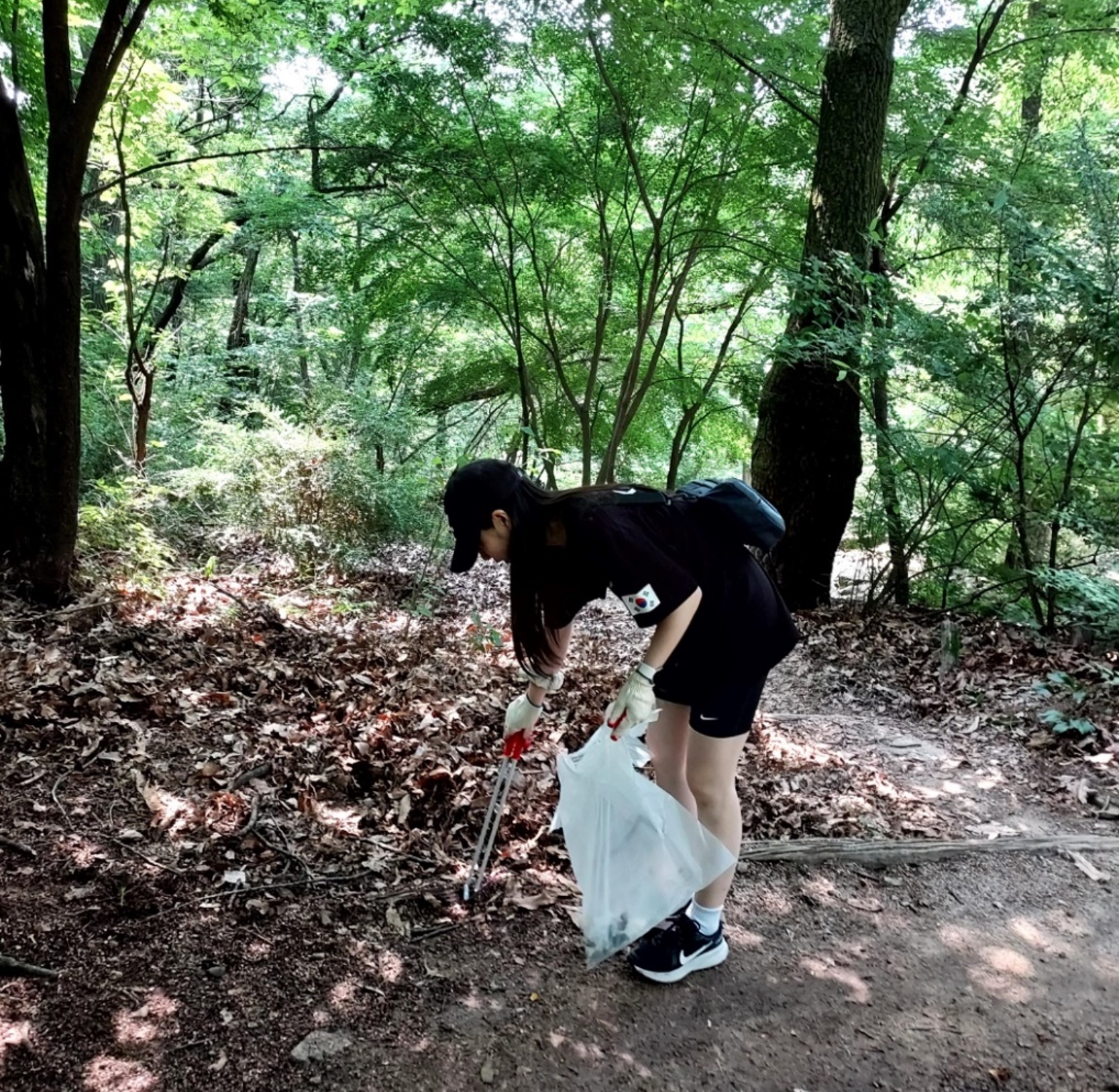
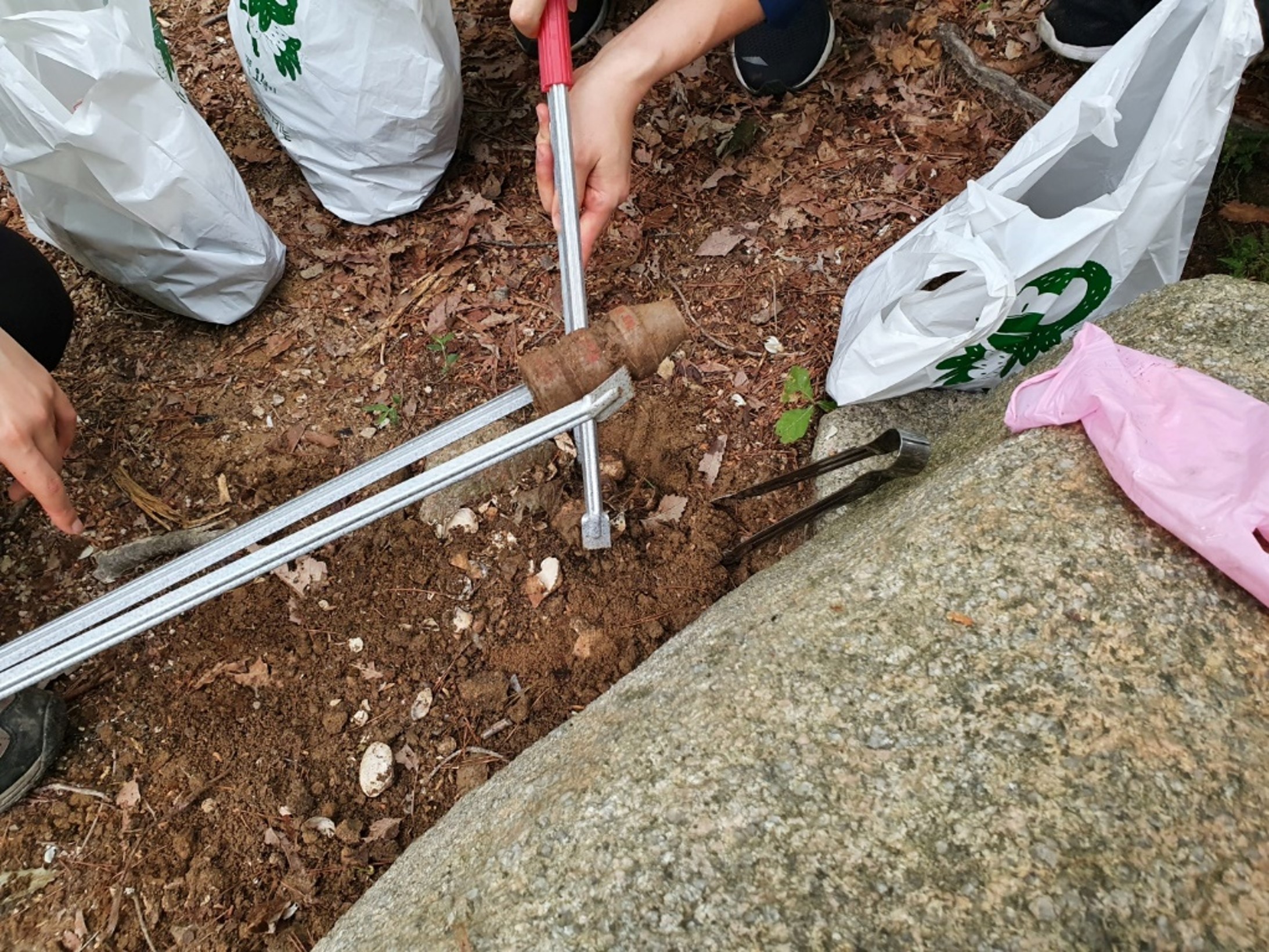
All photos © Jiyeon Son
EAAFP: What are your future aspirations and goals regarding contributing to conservation efforts after your donation to the EAAFP Foundation?
Jiyeon Son: Although I don’t plan to pursue a career in the environmental field, I want to be someone who, within my own area, can gladly make the effort—even if it’s a bit inconvenient—to protect the things that are precious to us.