Interns at EAAFP and GCF
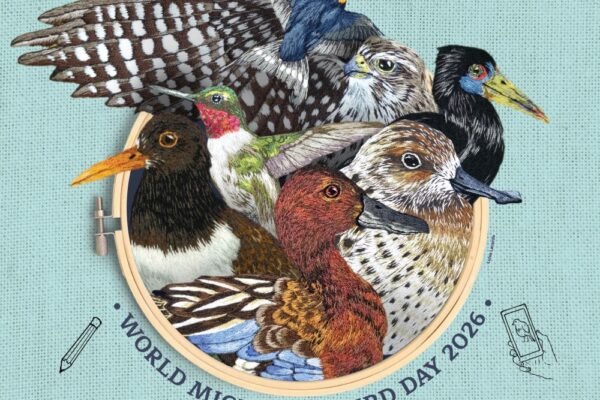
On Tuesday, 26 May, the EAAFP and GCF co-hosted an Interns’ Day Birdwatching Event to celebrate World Migratory Bird Day 2026 under the theme, “Every Bird Counts: Your Observations Matter!” and their joint efforts in biodiversity conservation and climate change awareness. The program began with an icebreaking session and introductions by the interns, offering a chance to share experiences and insights from their time at each organisation.
The birdwatching activity aimed not only to strengthen partnerships between the interns, but also to highlight the importance of migratory birds and their habitats near G Tower, where both organisations are based. Observations took place primarily at the Namdong Reservoir and Seung-gi-cheon Stream, focusing on the Black-faced Spoonbill alongside other species such as egrets, terns, and great cormorants. EAAFP’s Communications Officer, Miss Minjae Baek, guided the tour, teaching birdwatching etiquette and methods for identifying species by appearance and behaviour.
‘Through the interns’ day, it was an opportunity to learn about each other’s organisations and share ideas on the importance of migratory waterbirds which is one of the core objectives of EAAFP.’
- Dayeon Shin, EAAFP Programme Assistant
The Black-faced Spoonbill arrives in Korea around March, laying eggs and raising chicks in April and May. Roughly 80 per cent of the global population breeds in Korea, particularly in Incheon and the Gyeonggi Bay area along the East Asian–Australasian Flyway. The two islands in Namdong Reservoir provide an ideal breeding site for the Black-faced Spoonbills. Known for their distinctive feeding technique of sweeping the waterbed with their bills, the spoonbills were observed on this day mostly guarding their chicks due to cloudy weather.

Black-Faced Spoonbill in Incheon © Kisup Lee
The species is a flagship example of conservation success. Its global population has rebounded from fewer than 300 individuals in the 1980s to around 7,000 today. This recovery sparked discussions among interns about how migratory birds serve as environmental indicators of climate change. Their presence in clean habitats and population trends reflect the impacts of human activity, with the spoonbill’s recovery offering hope and guidance for future conservation.

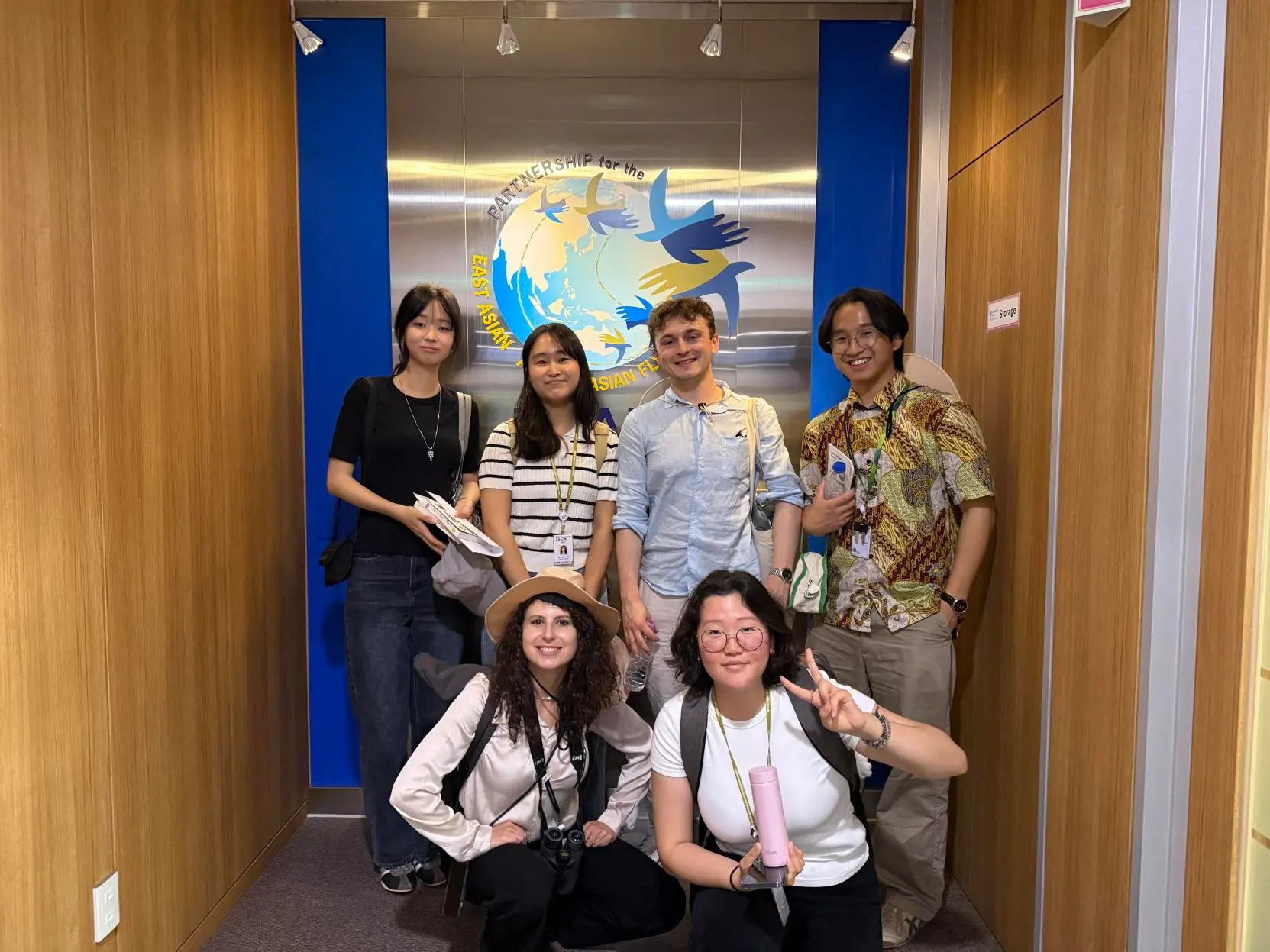
GCF Interns and Miss Baek
‘Birdwatching with GCF interns was a great opportunity to share our experiences, connect with one another, and learn more about the importance of migratory bird conservation and the work of EAAFP.’
- Hansol Shin, EAAFP Administration & Finance Assistant
The event once again underscored the message of this year’s World Migratory Bird Day: “Every Bird Counts: Your Observations Matter!” Through direct participation in monitoring and observation, interns gained invaluable experience in understanding the role of migratory birds in conservation and the importance of birdwatching as a practical tool in that process. The day concluded on a hopeful note, with EAAFP and GCF reaffirming their commitment to ongoing cooperation and to raising awareness of migratory bird conservation along the East Asian Australasian Flyway.
Record on eBird: https://ebird.org/checklist/S354334109