© BFS Friends / EAAFP
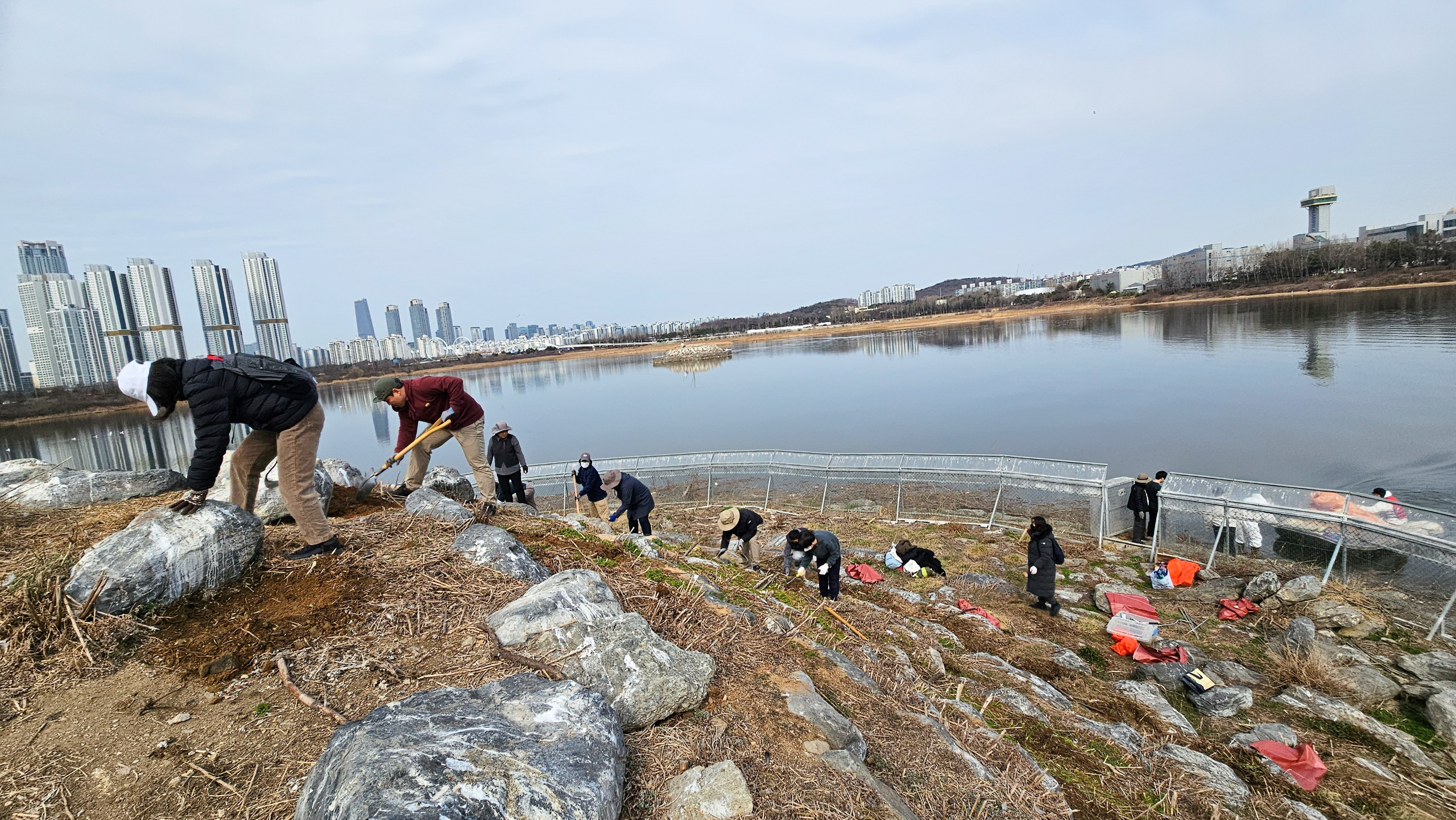
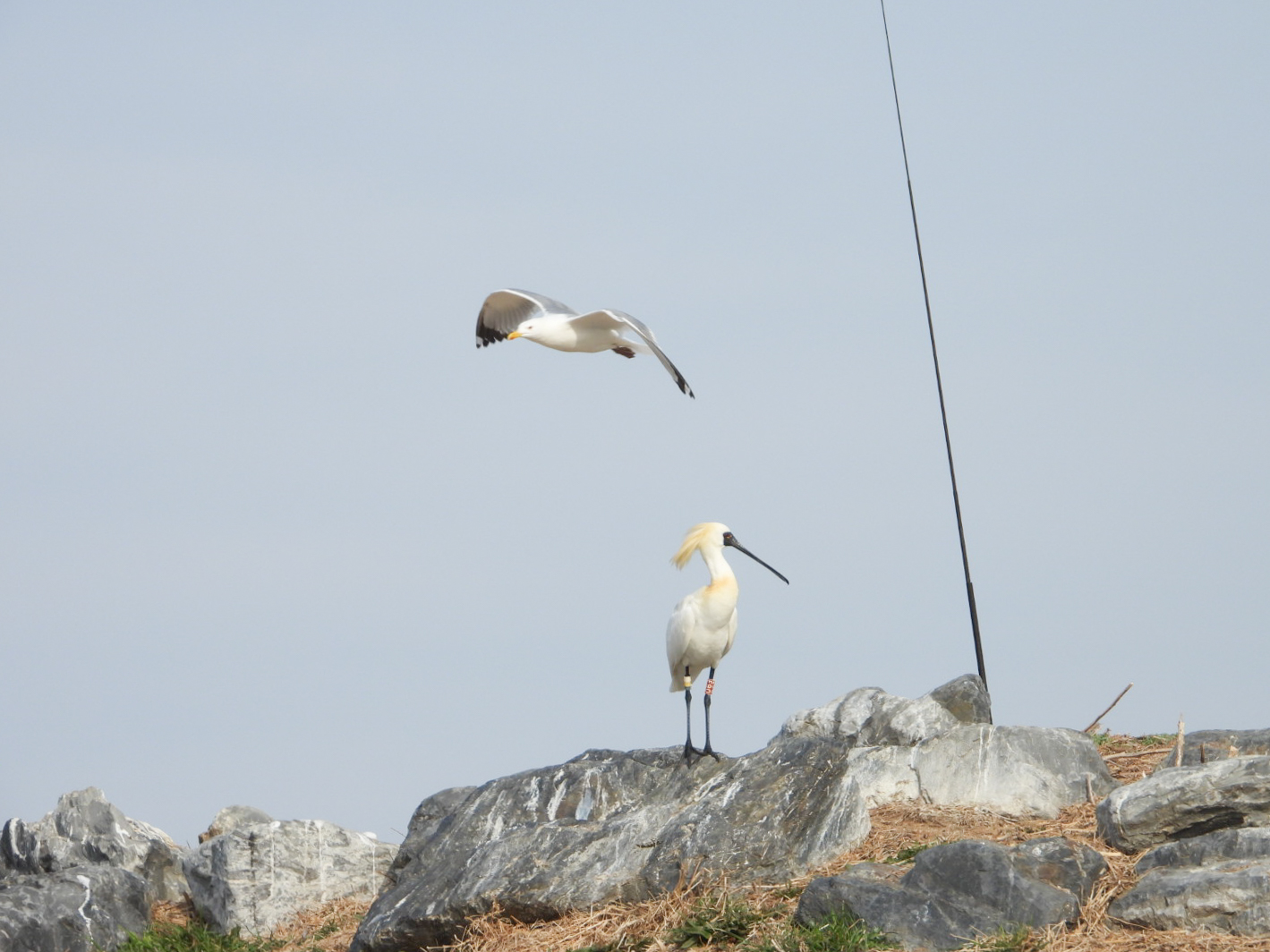
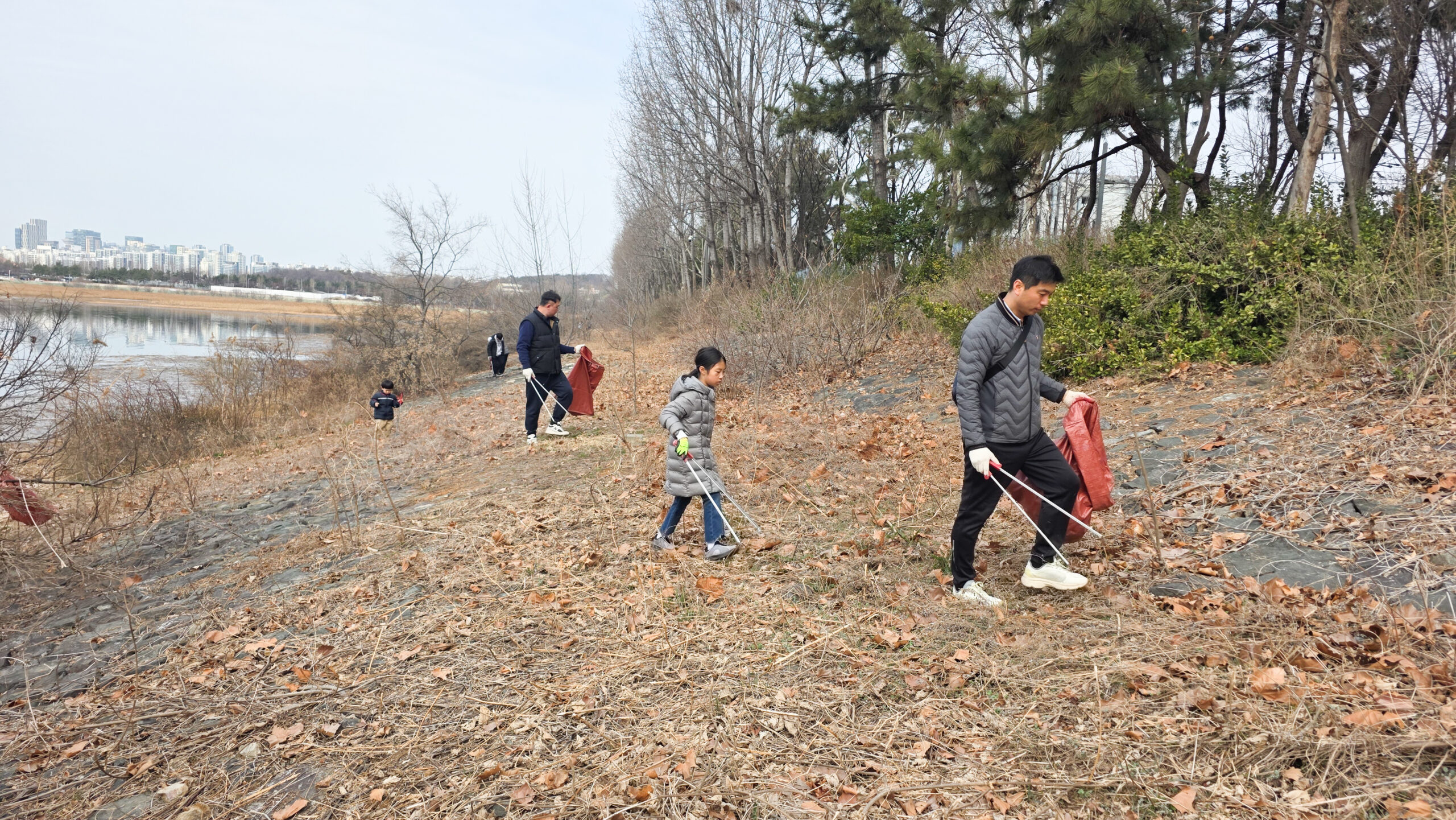
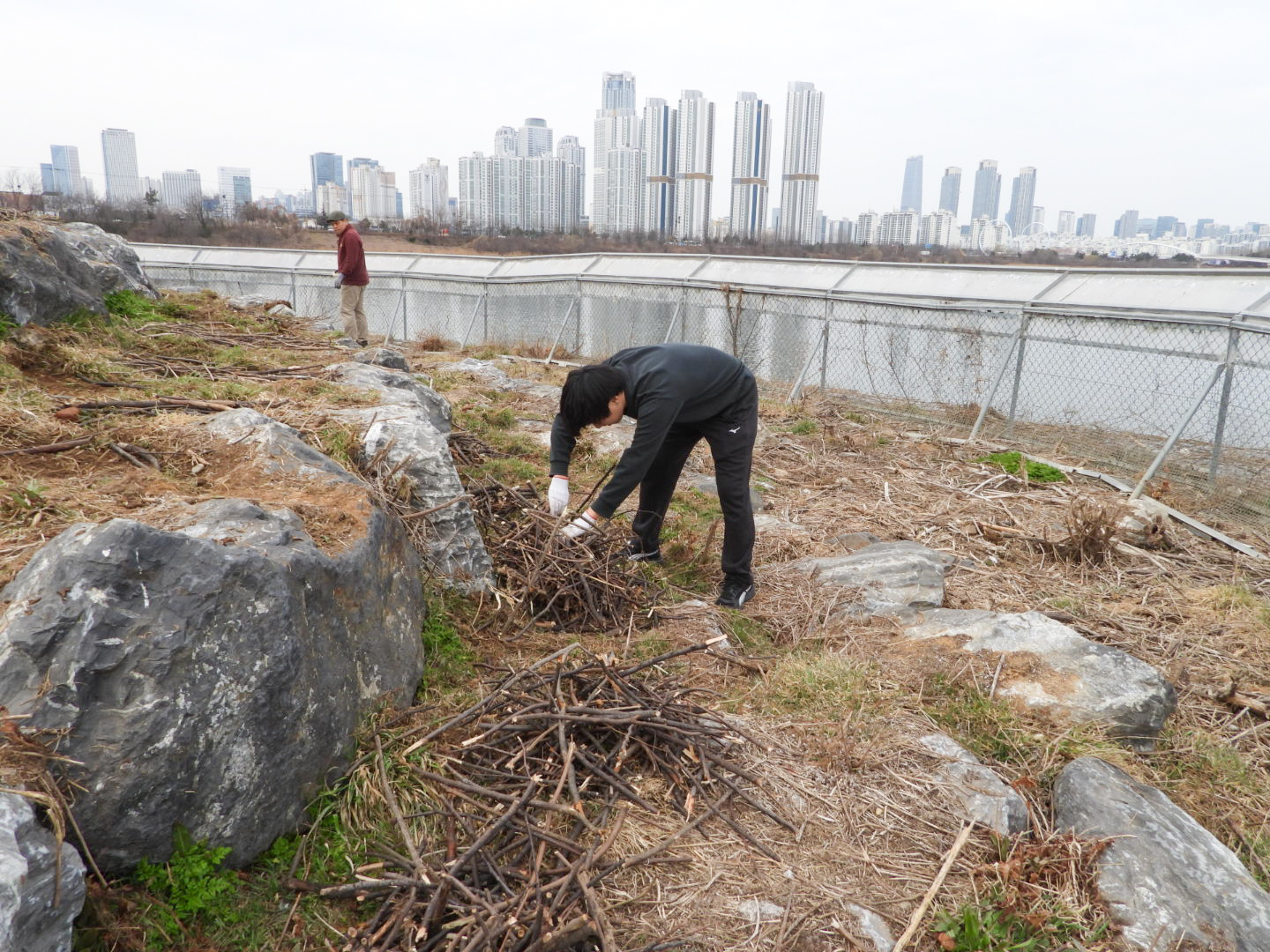
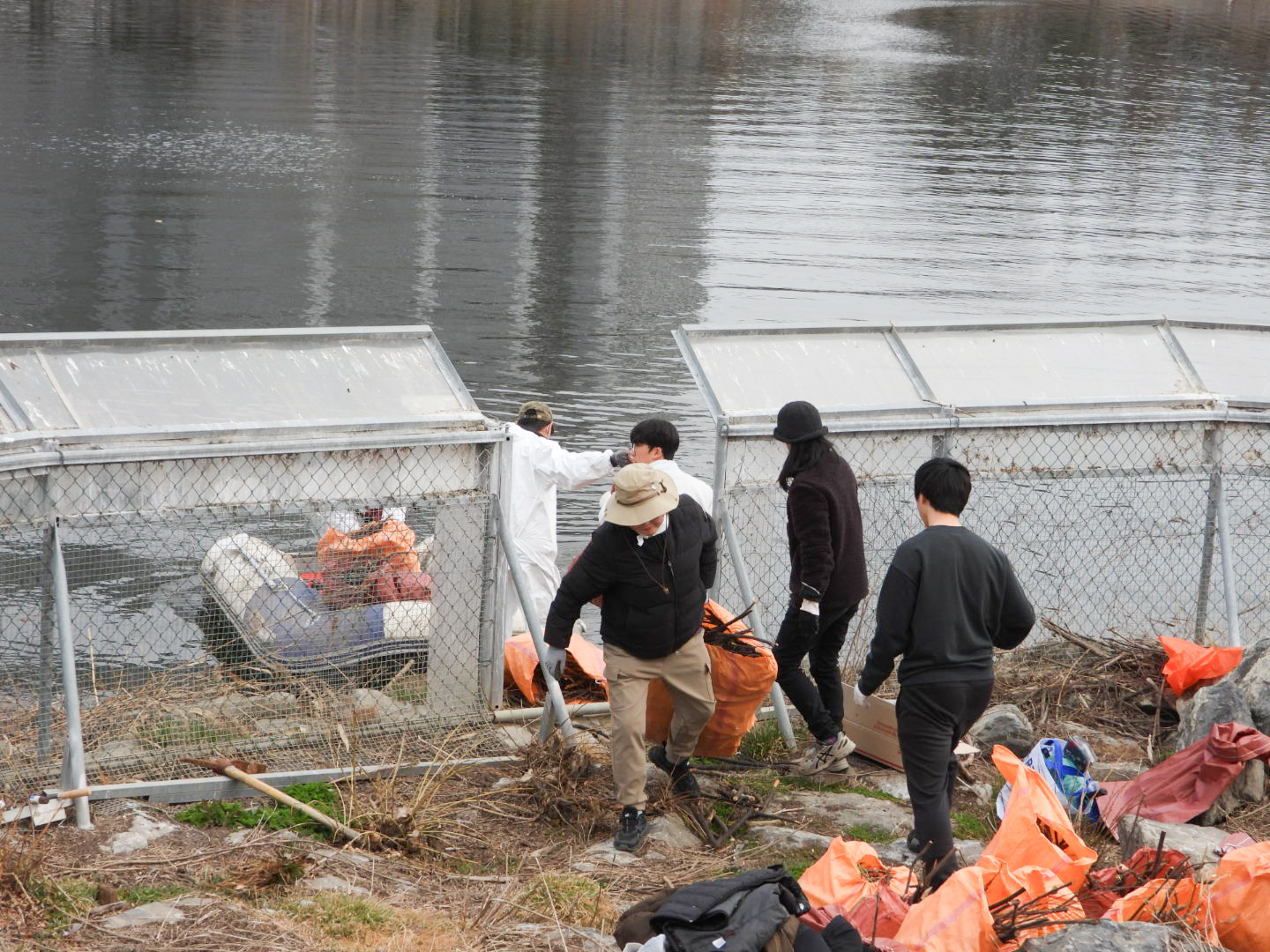
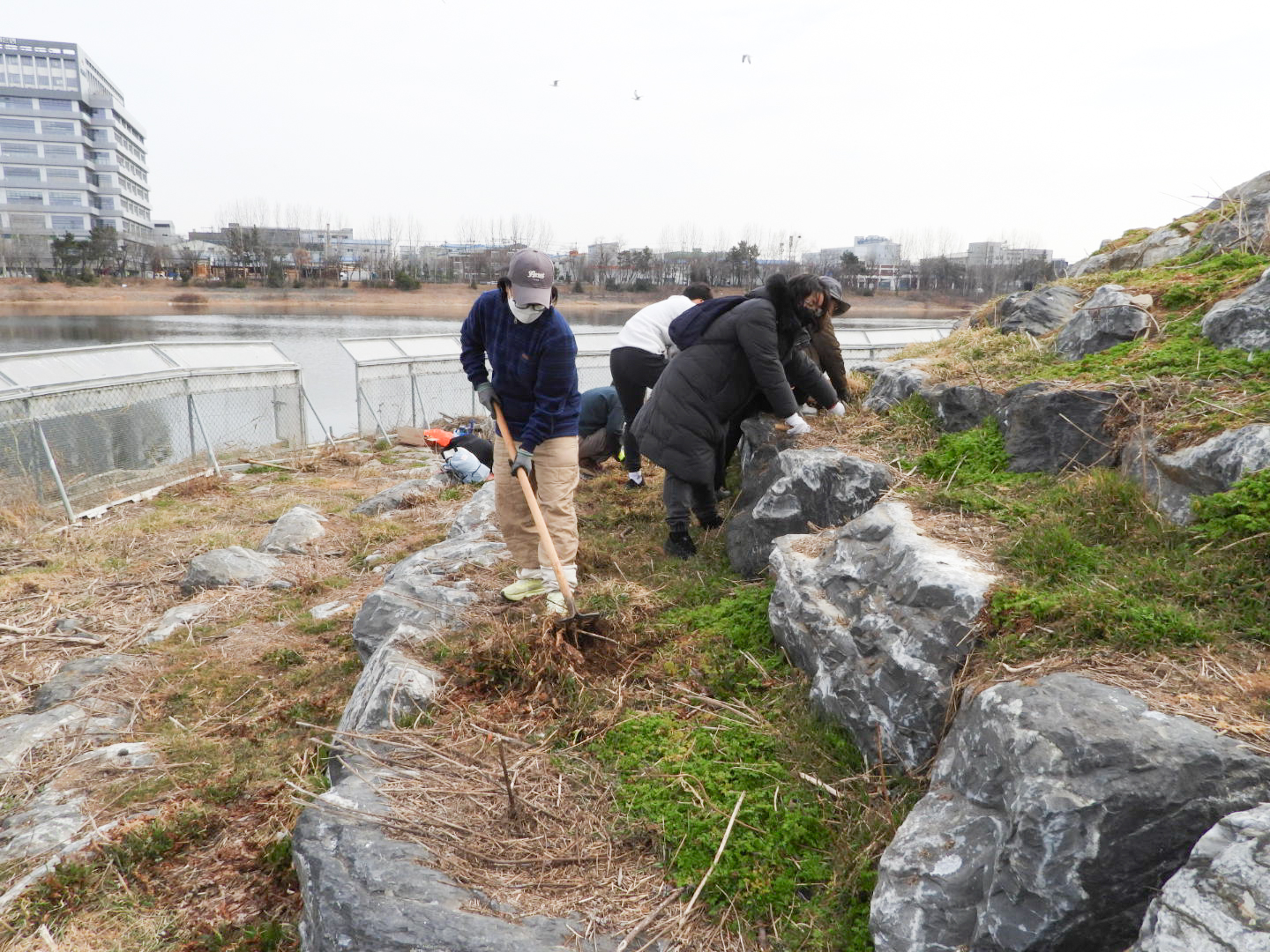
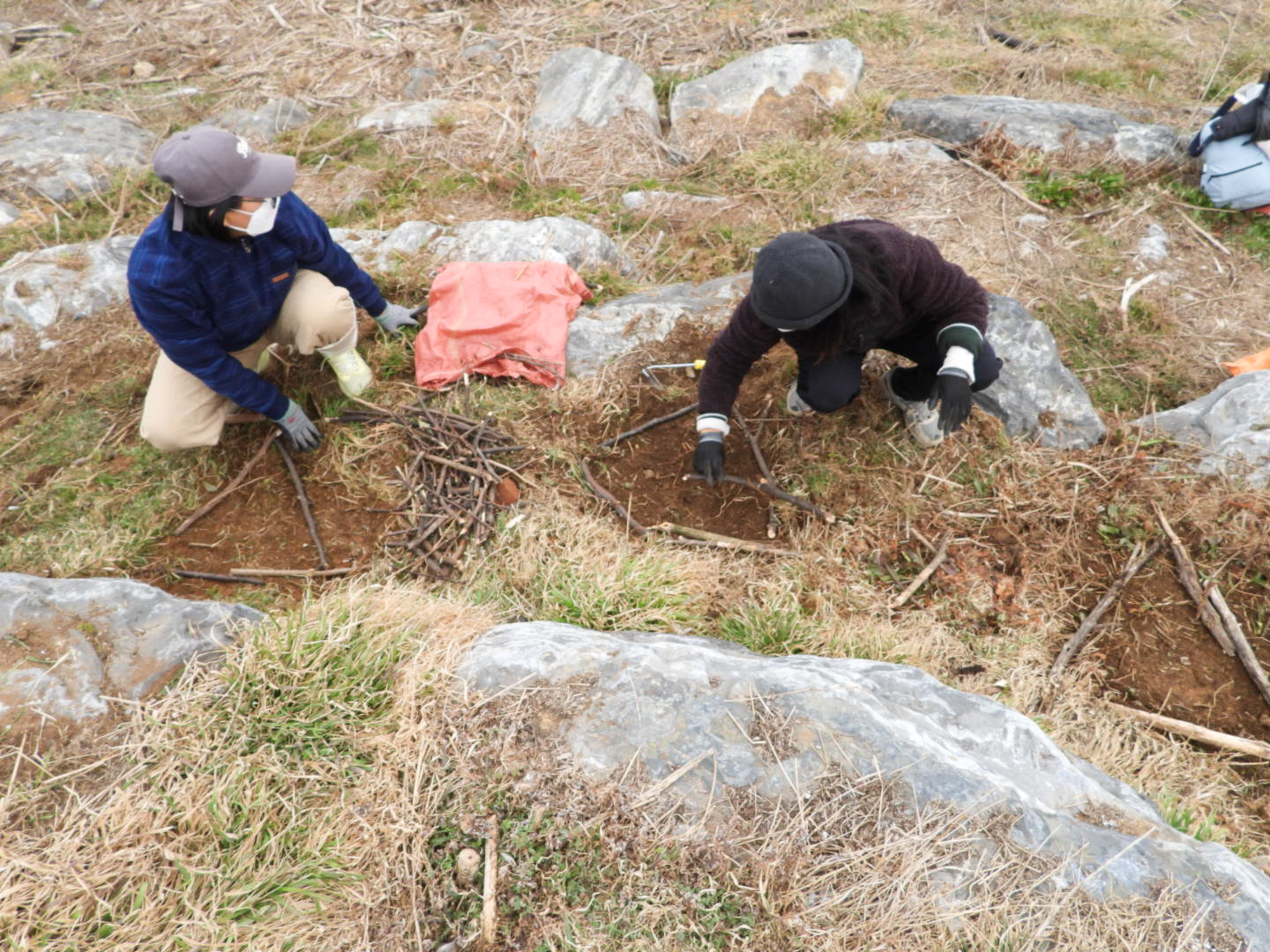
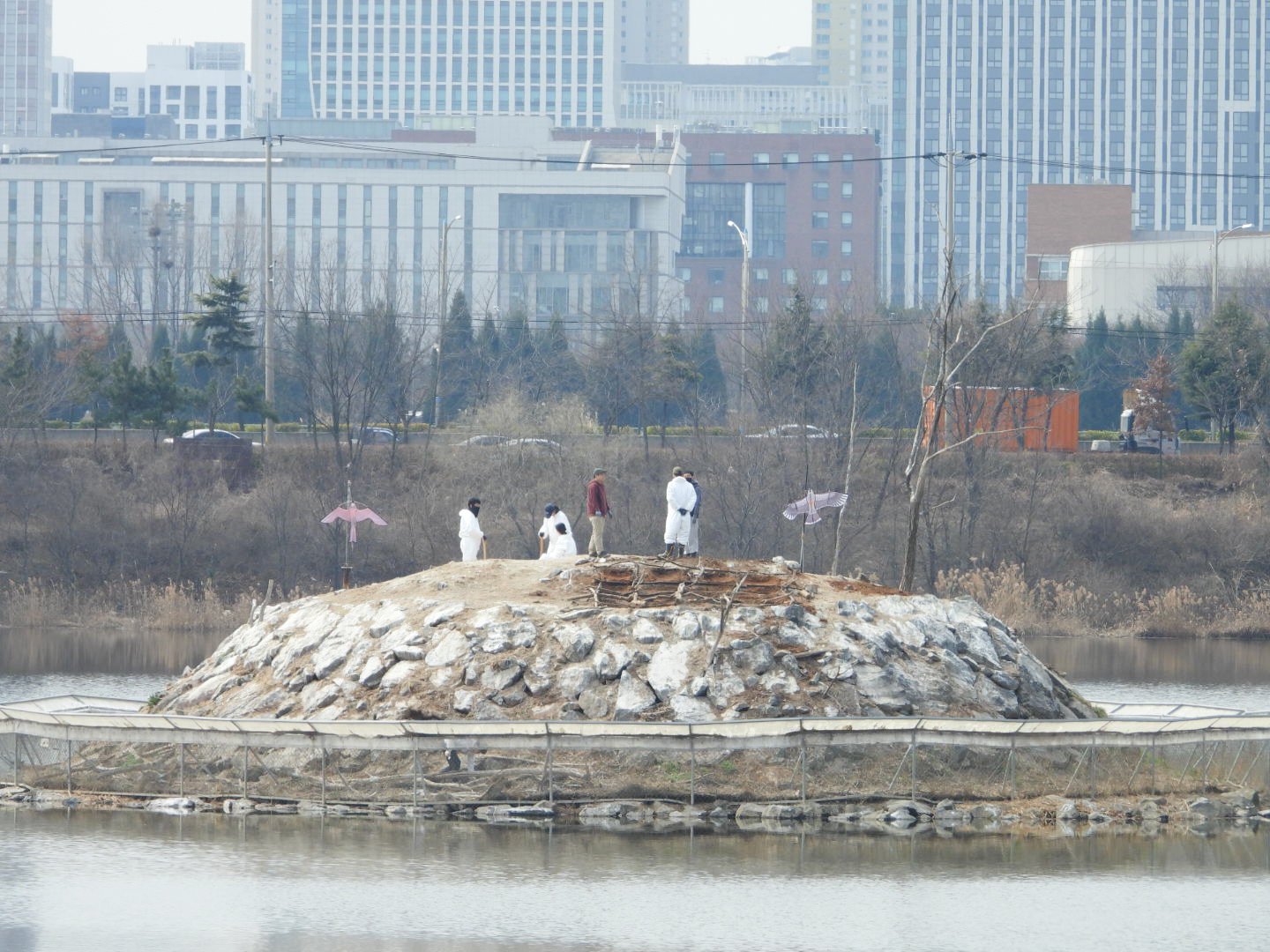
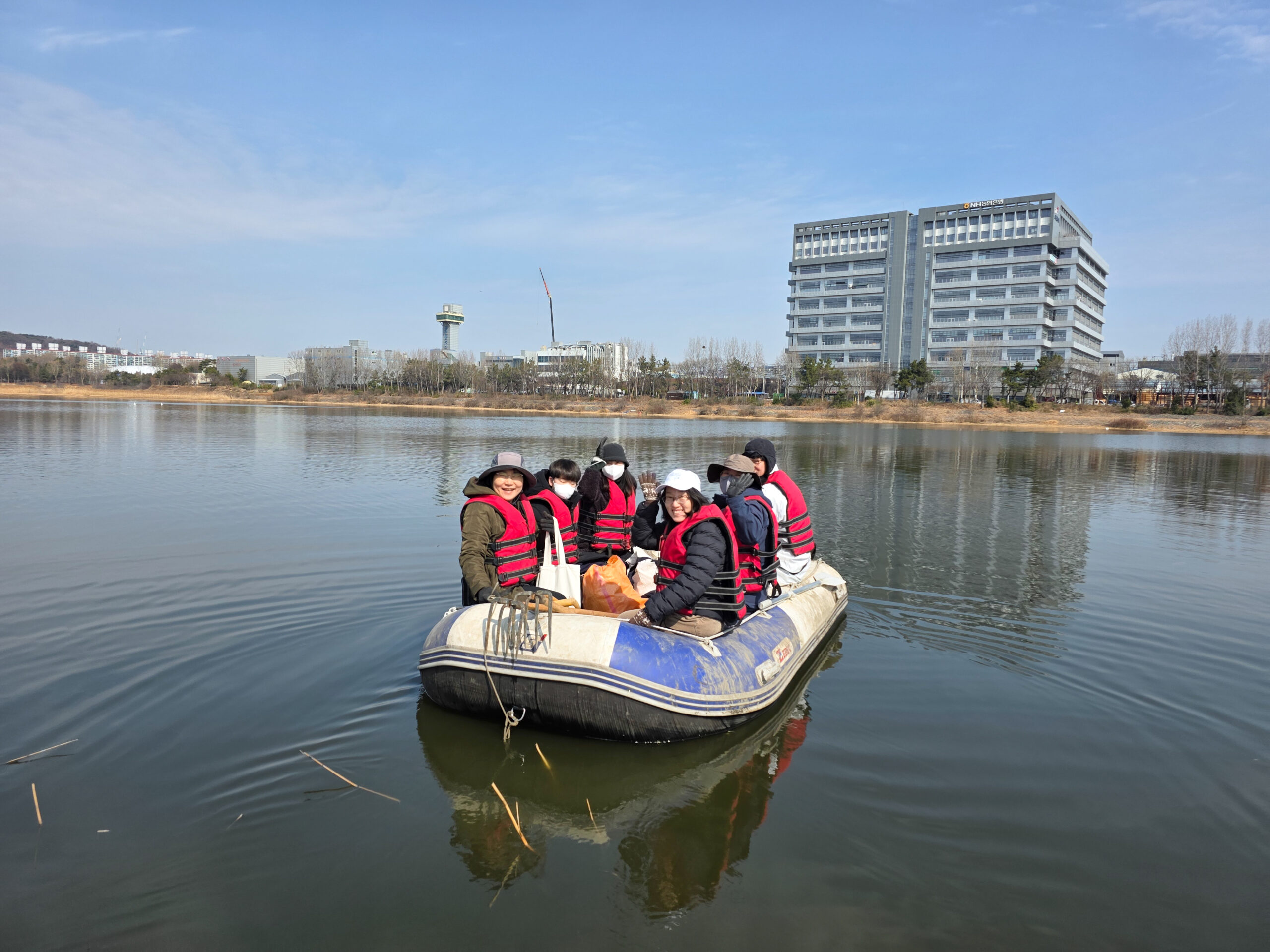
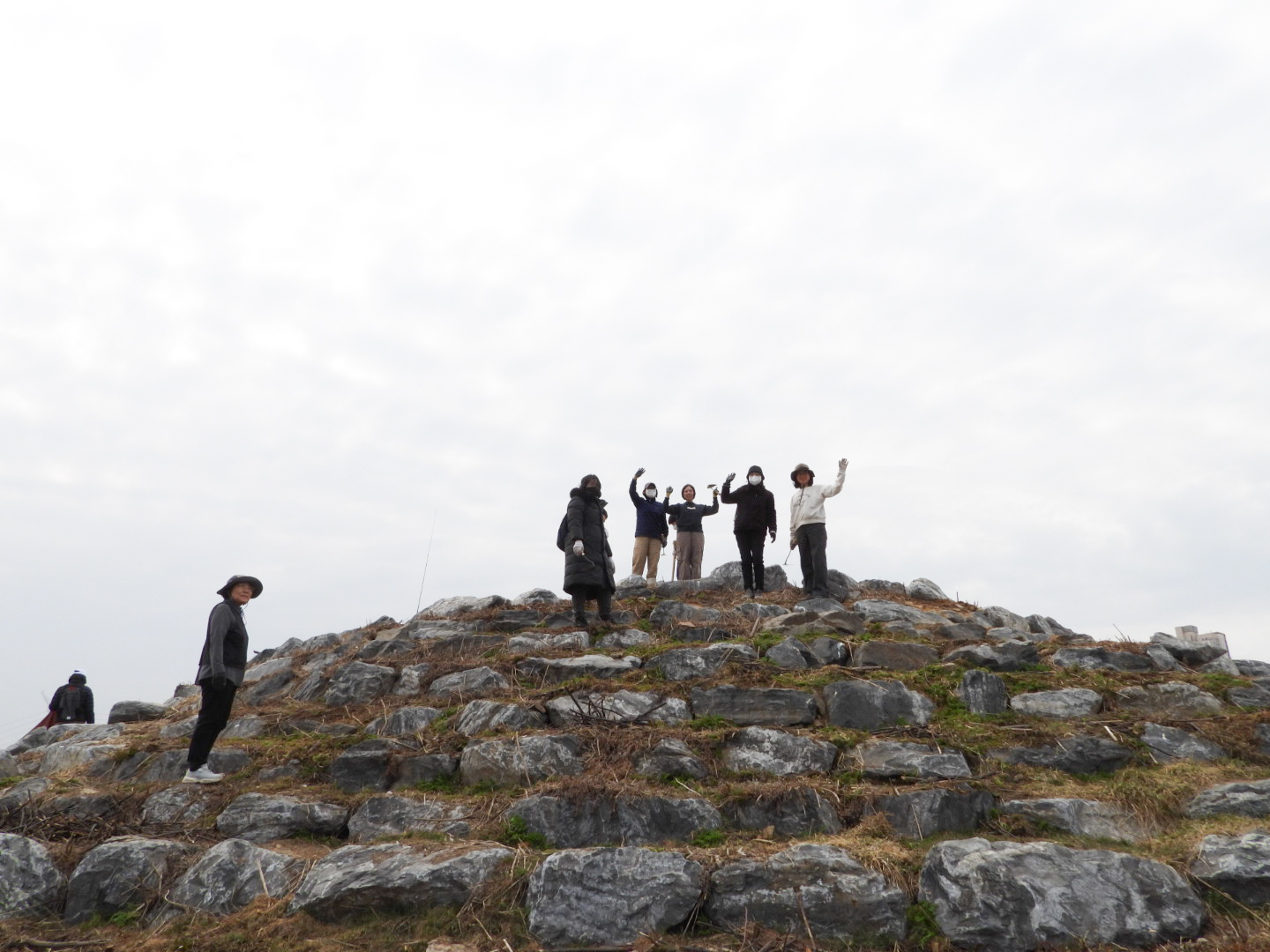
Habitat maintenance work was carried out on the spoonbill islands at Namdong Reservoir, organised by the local NGO Black-faced Spoonbill Friends. With hopes that the birds would successfully raise their chicks, citizens gathered to pick up litter around the islands, pulled out weeds, collect nesting materials, and place them on the islands where the Black-faced Spoonbills (Platalea minor) breed.
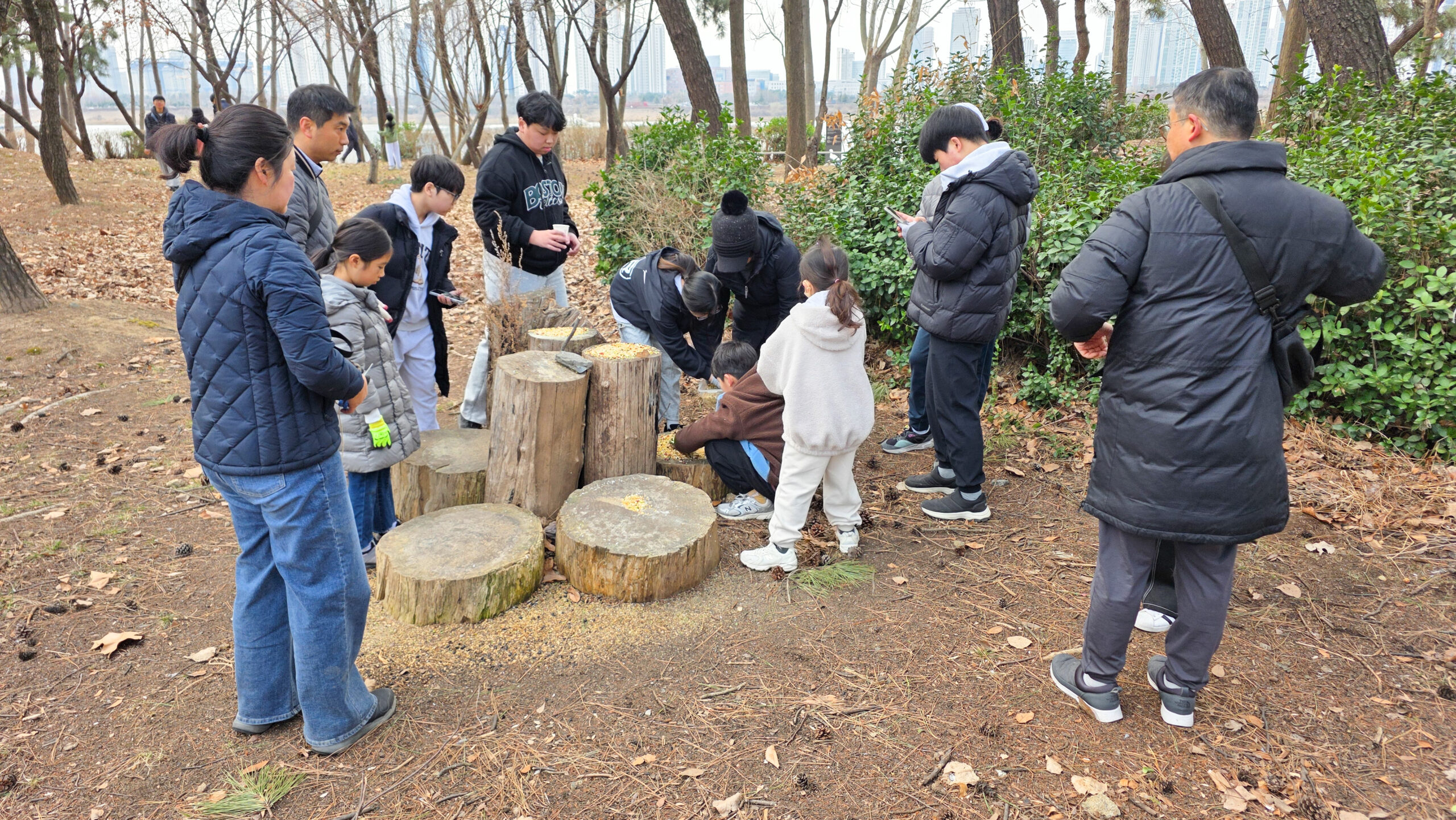
The Black-faced Spoonbills first started breeding at Namdong Reservoir in 2009. At that time, with only around 4,000 birds left worldwide, citizens and experts joined forces to monitor the population and record each bird. To improve the breeding conditions on the artificial islands, local authorities have been cooperating to manage water levels, maintain and arrange nesting sites, and replenish materials. In addition, ongoing conservation education for citizens has been provided to raise awareness of Black-faced Spoonbill protection.
In 1994, with only around 300 birds remaining, the Black-faced Spoonbill was classified as Critically Endangered on the IUCN Red List. Thanks to international conservation efforts across Korea, Taiwan, Hong Kong, and Japan, its status was downgraded to Endangered in 2000 and to Vulnerable in 2025.
The EAAFP Black-faced Spoonbill Working Group has facilitated international cooperation to improve their conservation. In 2026, the International Black-faced Spoonbill Census reported 7,746 individuals. Sister-site programmes between Incheon and Hong Kong have provided a hands-on way for government officials to understand the birds’ habitats—visiting spoonbills in Incheon and meeting tagged individuals in Hong Kong, highlighting the importance of protecting these sites.
Thanks to the dedication and long-term efforts of many people, the Black-faced Spoonbill population has gradually recovered. Yet migratory waterbirds like the spoonbill still face intense challenges from human disturbance, habitat loss, and climate change.
We hope today’s efforts will help protect future generations of Black-faced Spoonbills. Together—local officials, citizens, and businesses—we all share a responsibility to safeguard nature. Nature must be preserved.
Every Bird Counts – Your Observations Matter!
남동유수지 서식지 개선 활동
남동유수지에서 저어새와 친구들의 주최로 서식지 정비가 이루어졌습니다. 시민들이 모여 저어새 섬 주변의 쓰레기를 줍고, 둥지 재료를 모아, 저어새가 번식하는 섬에 넣어주었습니다. 저어새가 새끼를 무사히 길러내길 바라는 마음으로 잡초도 뽑았습니다.
인천 도심 속에 위치한 남동유수지에는 두 개의 인공섬이 있으며, 매년 봄이면 저어새가 찾아와 번식하고 새끼를 길러냅니다. 2009년, 저어새가 남동유수지에 찾아와 번식하기 시작했습니다. 당시 전 세계에 약 4천 마리만 남은 멸종위기종을 보호하기 위해 시민들과 전문가들은 힘을 합쳐 모니터링을 하고 개체 수를 기록했습니다.
저어새가 번식하는 인공섬의 환경을 개선하기 위해 구와 협력하여 수위를 조절하고, 인공섬 안의 둥지 자리를 정리하며 재료를 보충하는 활동을 진행하고 있습니다. 또한 시민들을 위한 저어새 보전 교육도 꾸준히 시행해오고 있습니다.
1994년, 약 300여 개체만 남았던 저어새는 IUCN 멸종위기종 목록에서 Critically Endangered로 분류되었으나, 한국, 대만, 홍콩, 일본 등에서의 국제적인 저어새 보전 활동으로 2000년에는 Endangered, 2025년에는 Vulnerable로 하향 조정되었습니다.
EAAFP의 저어새 워킹그룹은 저어새 보전을 위한 국제적 협력을 추진하고 있으며, 2026년에는 국제 저어새 센서스를 통해 7,746개체가 보고되었습니다. 인천시와 홍콩의 자매 서식지 프로그램은 국가 공무원들이 직접 저어새의 서식지를 확인하고, 인천에서 가락지가 부착된 저어새를 홍콩에서 만나는 등 그 중요성을 직접 전달하는 주요 창구 역할을 하고 있습니다.
수많은 사람들의 오랜 노력 덕분에 저어새 개체군은 점차 회복되고 있지만, 여전히 저어새를 비롯한 이동성 물새들은 인위적 간섭, 서식지 소실, 기후 변화 등으로 생존을 위해 치열하게 살아가고 있습니다.
오늘의 노력이 미래의 저어새들을 보호할 수 있도록, 지자체 공무원, 시민, 기업 등 우리 모두가 자연을 보호해야 한다는 책임을 공유하고, 자연은 반드시 지켜져야 한다는 메시지를 함께 나누길 바랍니다.
모든 새를 세다 – 당신의/여러분의 관찰이 변화를 만듭니다!
© BFS Friends / EAAFP