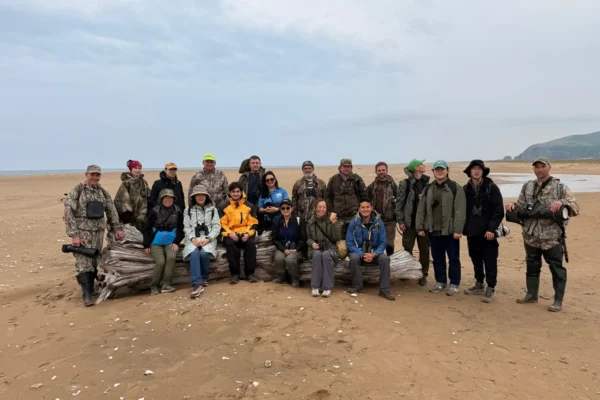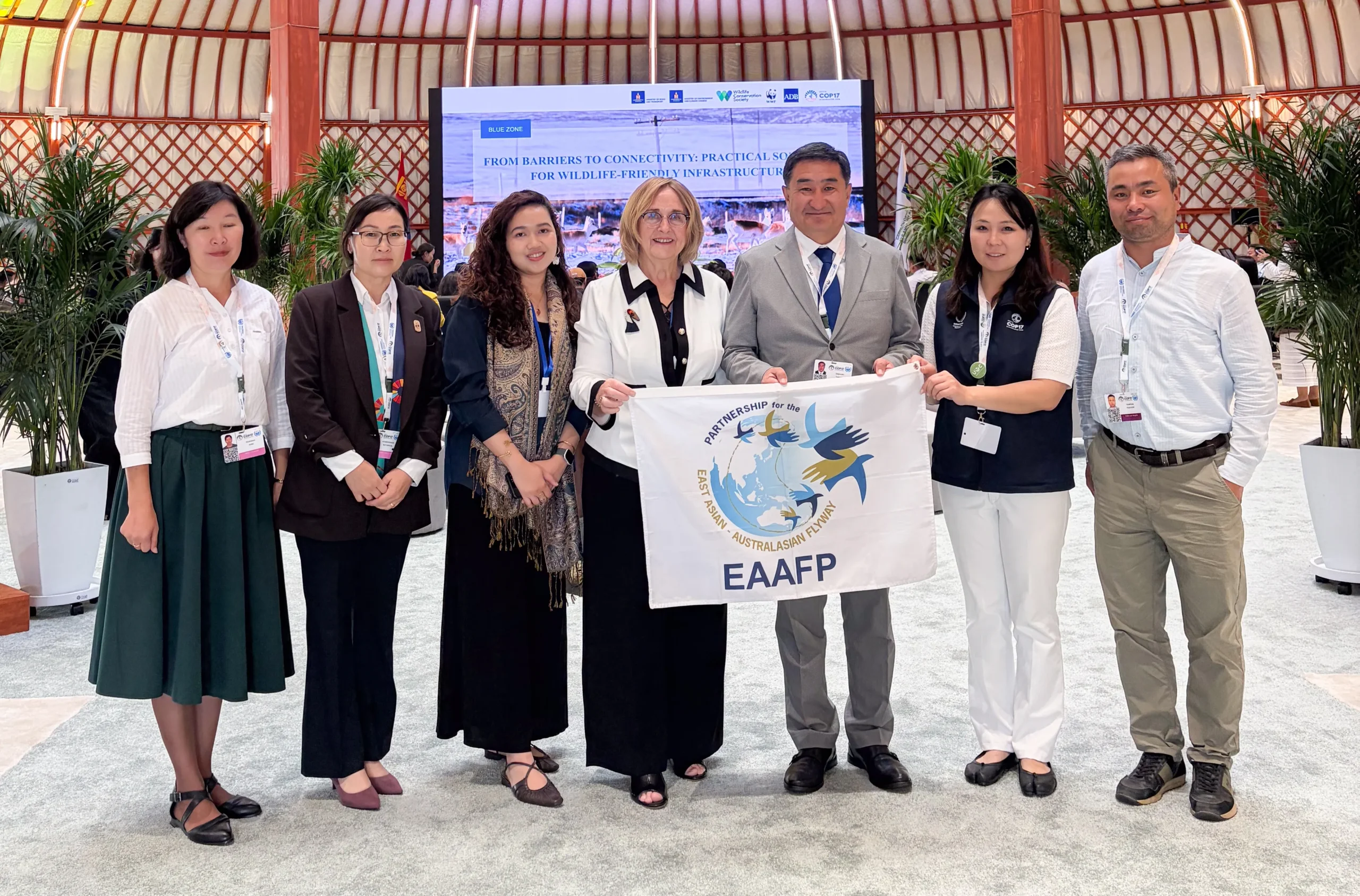
Mongolia’s Ministry of Environment and Climate Change (MECC), Mongolian Bird Conservation Center, and the EAAFP Secretariat © MECC
The East Asian–Australasian Flyway Partnership (EAAFP) brought a Flyway perspective to UNCCD COP17 in Ulaanbaatar, Mongolia, by highlighting how healthy, connected wetlands contribute to drought resilience across the Flyway.
Healthy wetlands, resilient Flyways
A key part of EAAFP’s engagement was the House of Friendship side event, “Healthy Wetlands for Drought Resilience and Flyway Connectivity,” held on 25 August 2026. The session brought together research and Flyway conservation perspectives to explore an important question: what happens to migratory waterbirds when the wetlands they depend on experience drought and changing water conditions?
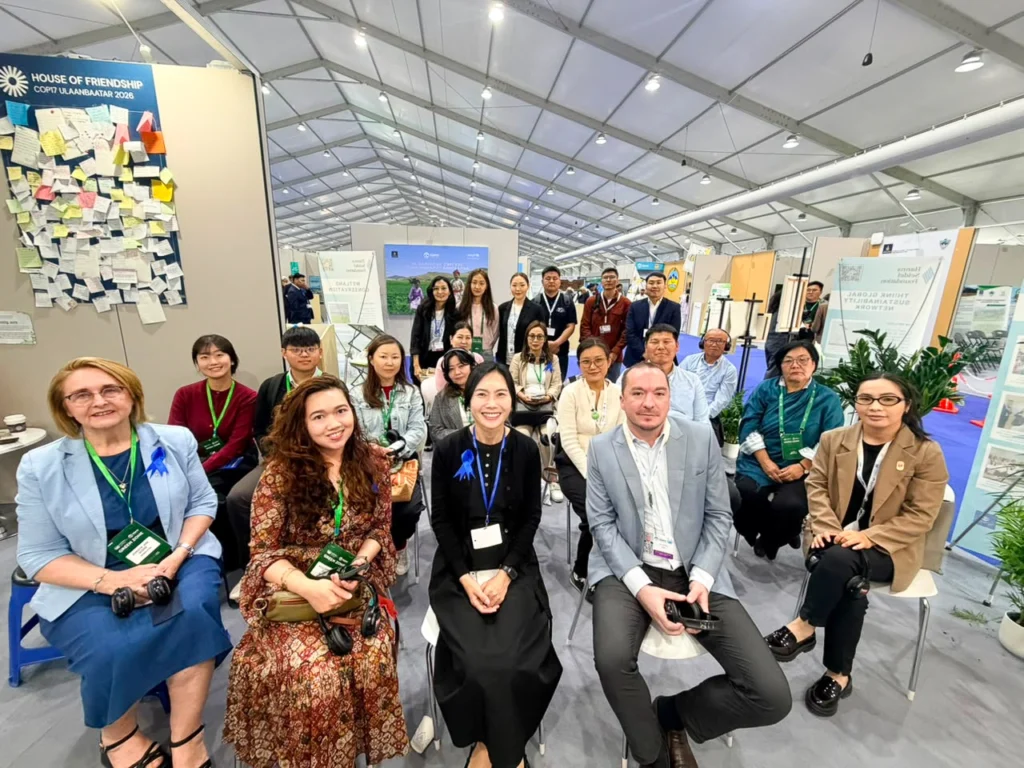 Healthy Wetlands for Drought Resilience and Flyway Connectivity” side event at the House of Friendship hosted by Hanns Seidel Foundation Korea (HSF Korea) under the GMACC project © HSF
Migratory waterbirds depend on a chain of wetlands throughout their annual journeys — from breeding grounds to stopover and staging sites and, ultimately, their wintering grounds. Changes at critical wetlands can therefore have consequences that extend well beyond an individual site.
This connection was brought to life through research presented by Mongolian conservationists.
Ms Baasansuren Erdenechimeg of the Mongolian Bird Conservation Center (MBCC) presented long-term research on breeding White-naped Cranes in north-eastern Mongolia. Monitoring along the Ulz River showed a clear relationship between changing wetland conditions and the cranes’ use of breeding habitat. The number of territorial pairs recorded declined from 42 in 2001 to 17 in 2011 during drought conditions, before increasing to 30 pairs in 2021 as wetland conditions recovered.
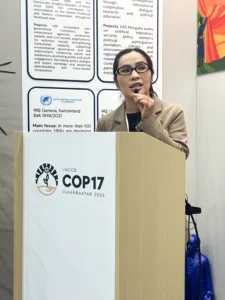 | 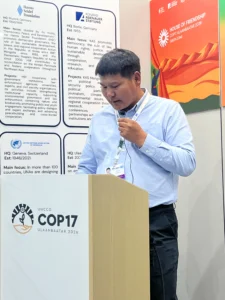 |
| Baasansuren Erdenechimeg of the Mongolian Bird Conservation Center | Batmunkh Davaasuren of the Wildlife Science and Conservation Center of Mongolia |
Mr Batmunkh Davaasuren of the Wildlife Science and Conservation Center of Mongolia (WSCC) expanded the discussion from individual wetlands to the wider Flyway through his presentation on shorebirds and ecological connectivity. His presentation highlighted how waterbirds can help detect changes in water availability, wetland degradation, food availability, habitat fragmentation, climate impacts, and the timing of seasonal water availability. Through ringing and tracking, researchers are also beginning to see wetlands not as isolated places, but as nodes within a much larger network.
This led to one of the session’s key messages: a migratory Flyway is also a climate-risk network. A bird arriving at a wetland in Mongolia may later depend on wetlands thousands of kilometres away. While these wetlands are geographically separate, drought and climate variability can affect multiple sites across a migratory cycle. Research and monitoring at individual wetlands can help reveal vulnerabilities that matter at a much wider Flyway scale.
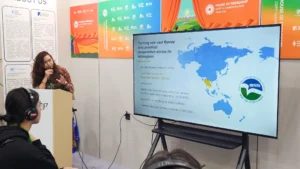 EAAFP Secretariat Programme Officer Kyle Esperanza Zuleta | 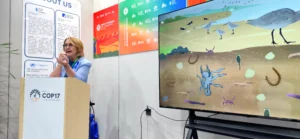 EAAFP Secretariat’s Chief Executive Jennifer George |
EAAFP Programme Officer Ms Kyle Esperanza Zuleta brought these perspectives together in her presentation, Across Wetlands, Across Borders: Building a Connected and Resilient Flyway. She highlighted EAAFP’s role in moving from the conservation of individual wetland habitats towards a connected network, including through the EAAFP Flyway Site Network, which currently comprises 160 sites across 19 countries.
Taken together, the presentations pointed to a broader lesson for the Flyway: resilience cannot be built one wetland at a time. It requires healthy sites, but also the ecological connections, knowledge, and relationships that link them across borders.
Environmental cooperation across borders
EAAFP also contributed to a second COP17 side event on 27 August 2026, “Environmental Cooperation as a Door Opener: Building Trust on the Korean Peninsula and in Northeast Asia.” EAAFP Chief Executive Jennifer George presented Keeping the Door Open for Cooperation in the Yellow Sea, reflecting on how shared migratory waterbirds and ecosystems can provide a practical basis for continued environmental cooperation across borders.
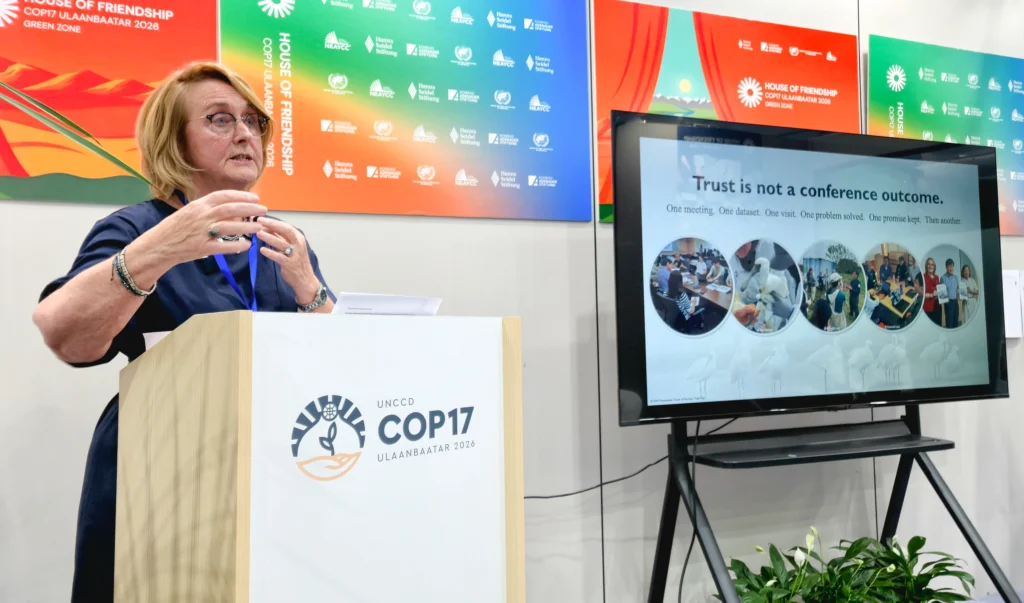 EAAFP Secretariat’s Chief Executive Jennifer George © EAAFP
Her presentation centred on a simple ecological reality: one sea, three countries, one ecological system. The Yellow Sea links the People’s Republic of China, the Democratic People’s Republic of Korea, and the Republic of Korea, and the migratory birds using it move through that shared system regardless of political boundaries.
This focus on cooperation also reflected a wider theme across COP17, where women, youth, and pastoralist communities were given dedicated space in discussions on land stewardship and resilience. For EAAFP, it was a reminder that lasting environmental cooperation depends not only on policies and institutions, but on people, shared knowledge, and relationships across borders.
Strengthening partnerships in Mongolia
Beyond the formal COP17 programme, the EAAFP Secretariat also took the opportunity to strengthen relationships with EAAFP Partners and experts in Mongolia.
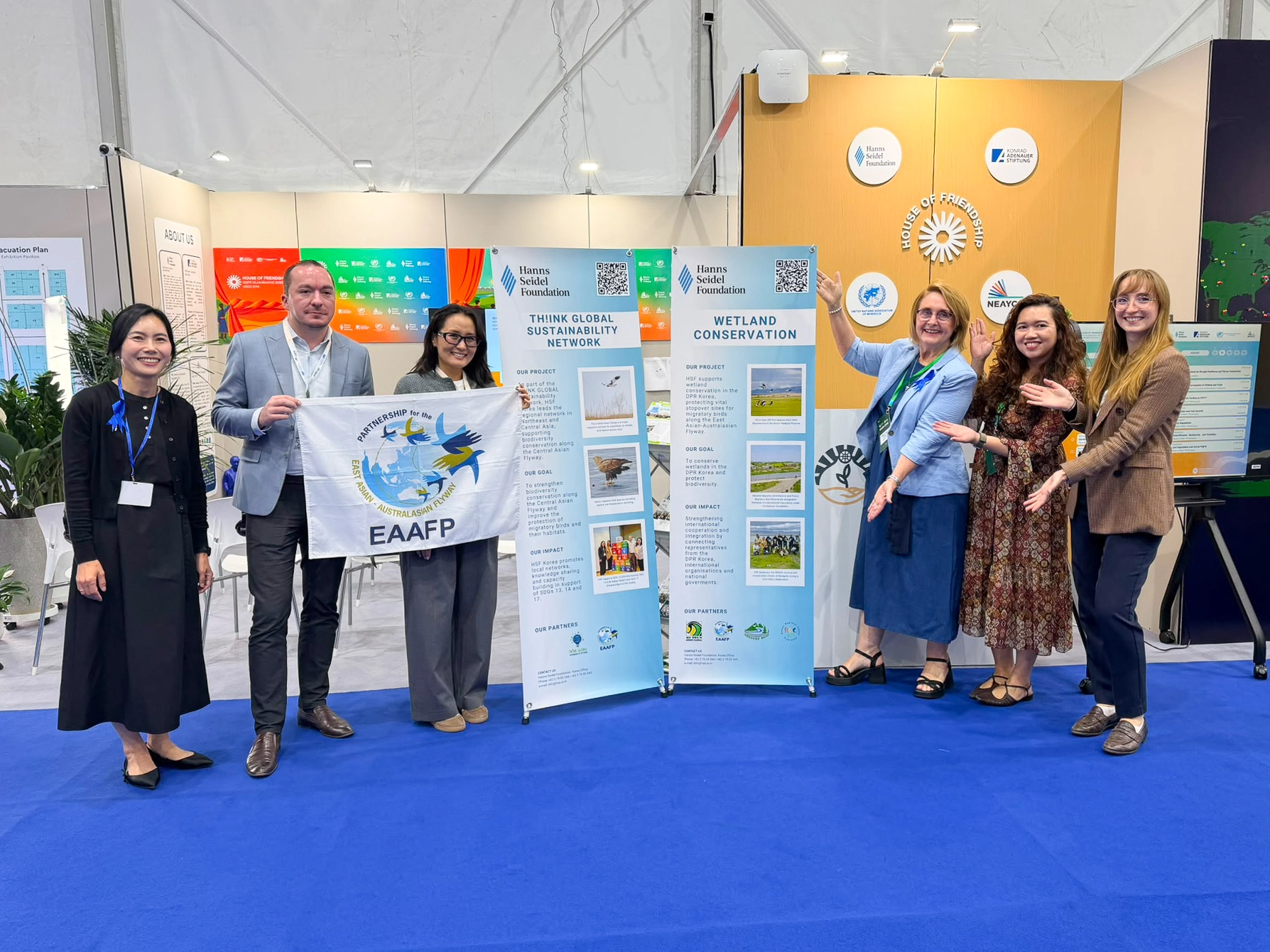 | 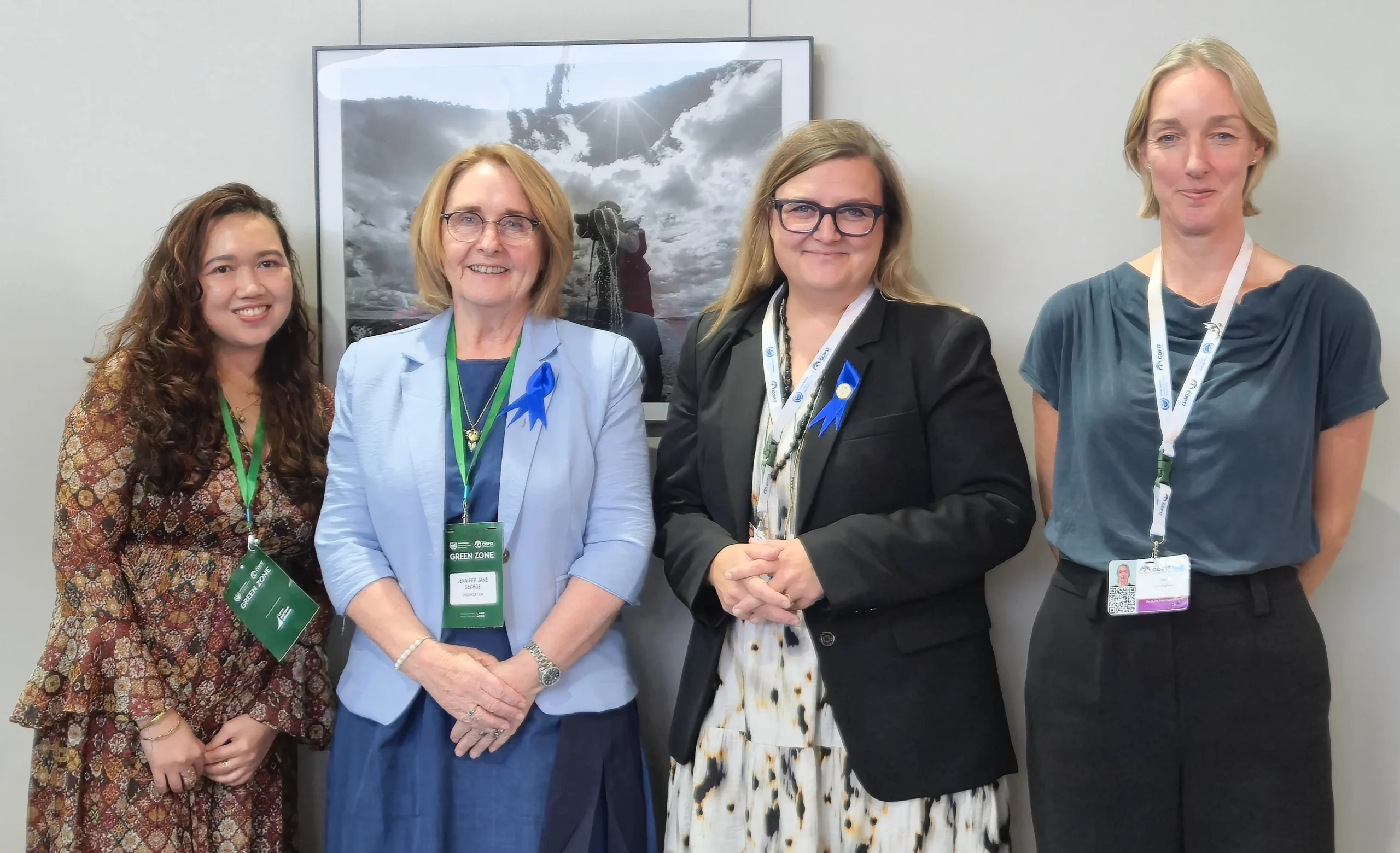 |
| Felix Glenk and representatives of Hanns Seidel Foundation for the Korean Peninsula and Mongolia © HSF | Nina Mikander and Cleo Cunningham of BirdLife International © EAAFP |
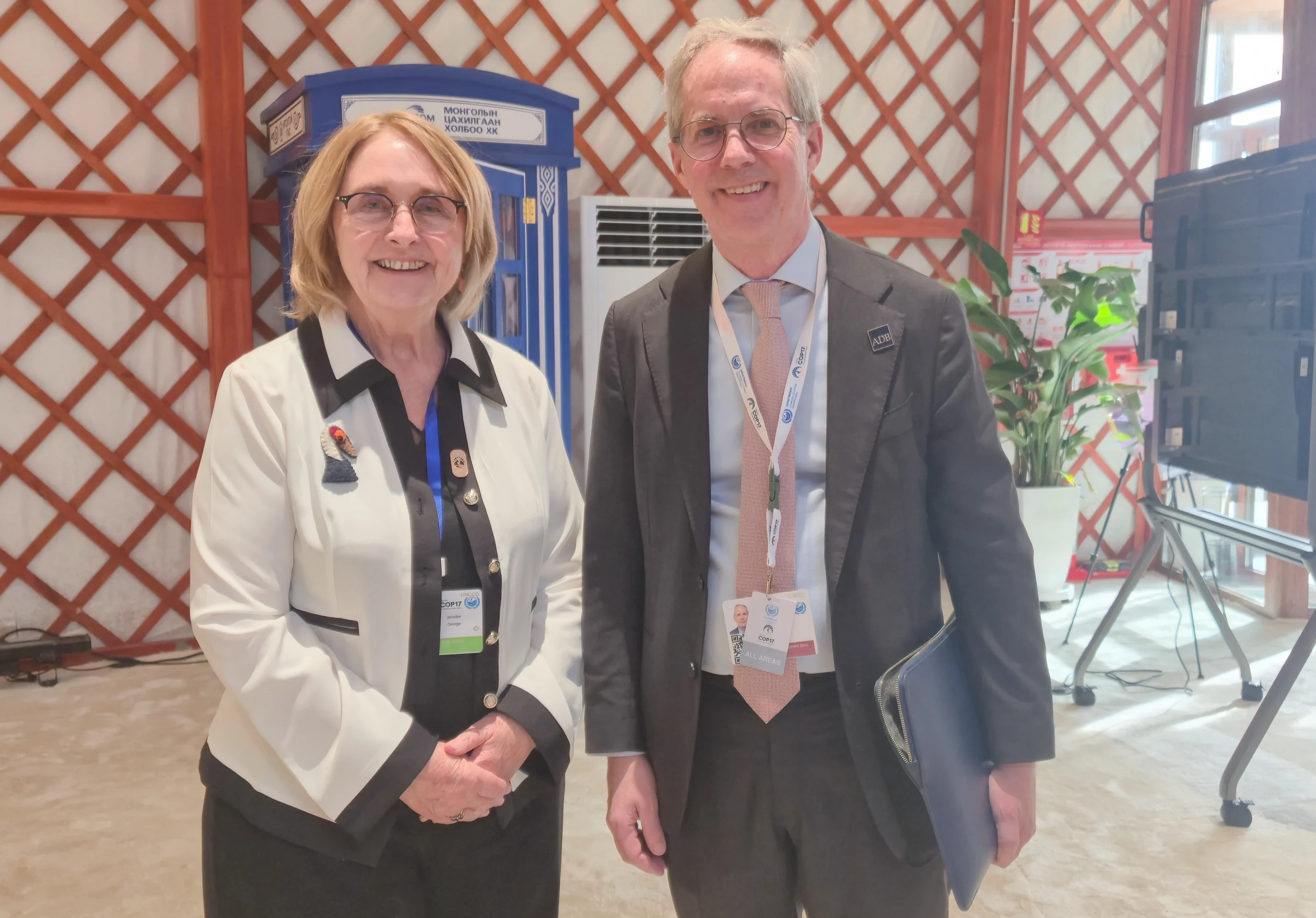 | 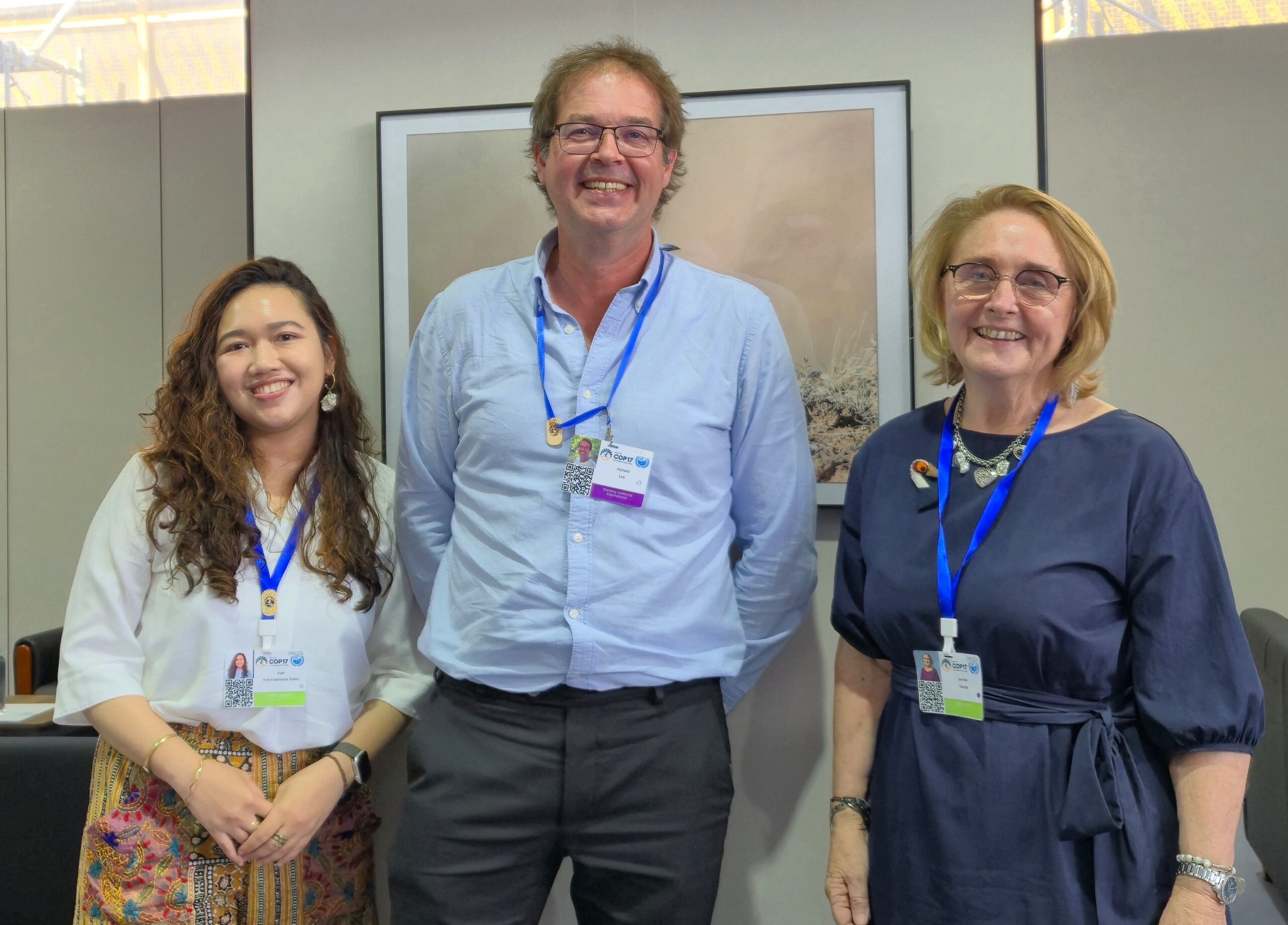 |
| Scott Morris of Asian Development Bank © EAAFP | Richard Lee of Wetlands International © EAAFP |
 | 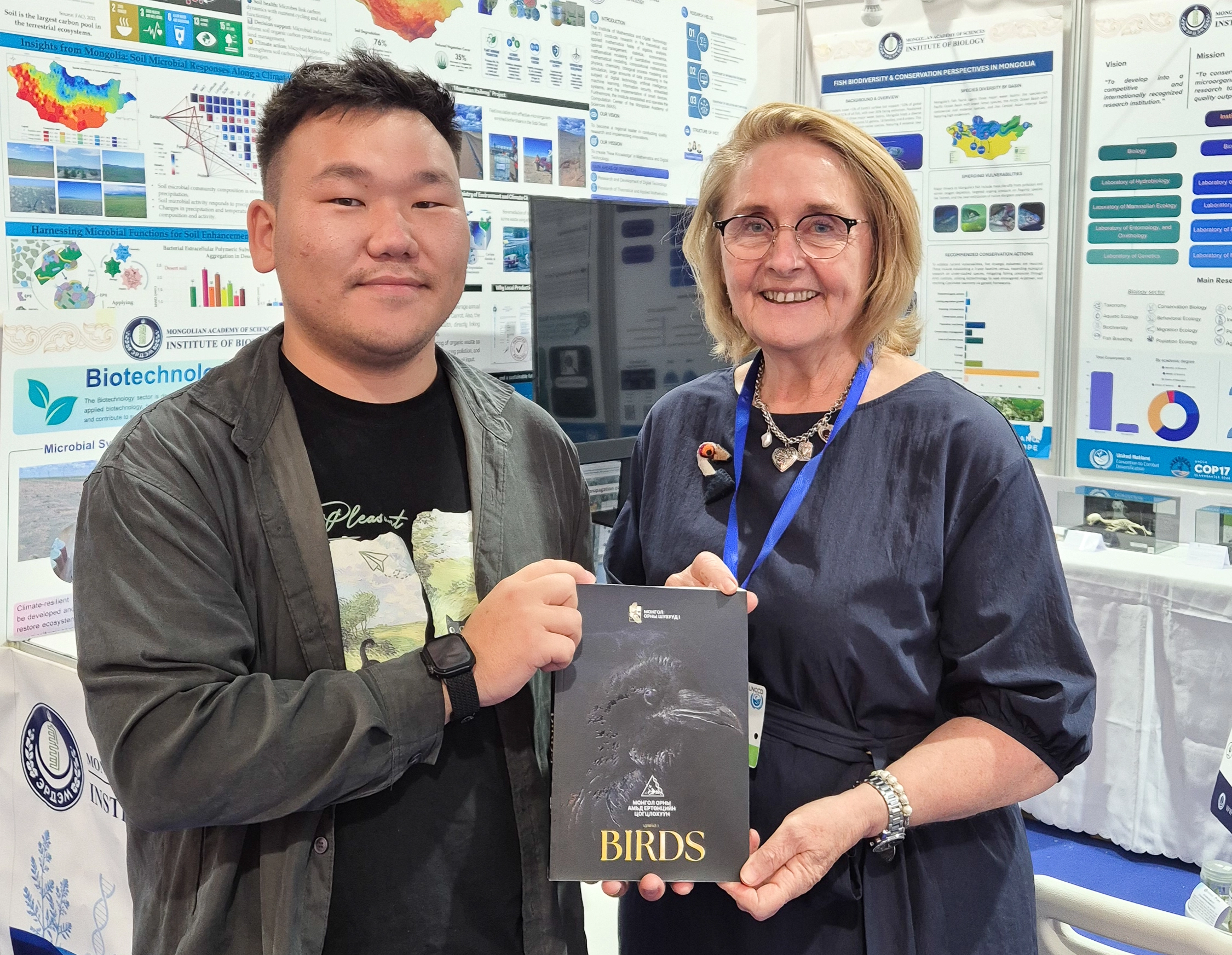 |
| Onolragchaa Ganbold of Mongolian National University of Education (Flyway University Alliance member) © EAAFP | Khurelsukh Dulmaa of EAAFP Youth Task Force and Mongolian Academy of Sciences © EAAFP |
The Secretariat met with Mr Baljinnyam Tudevdorj and Ms Uranchimeg Tserendorj, senior officials at Mongolia’s Ministry of Environment and Climate Change. The meeting provided an opportunity to exchange on Mongolia’s engagement in the Partnership and continued cooperation for the conservation of migratory waterbirds and their habitats.
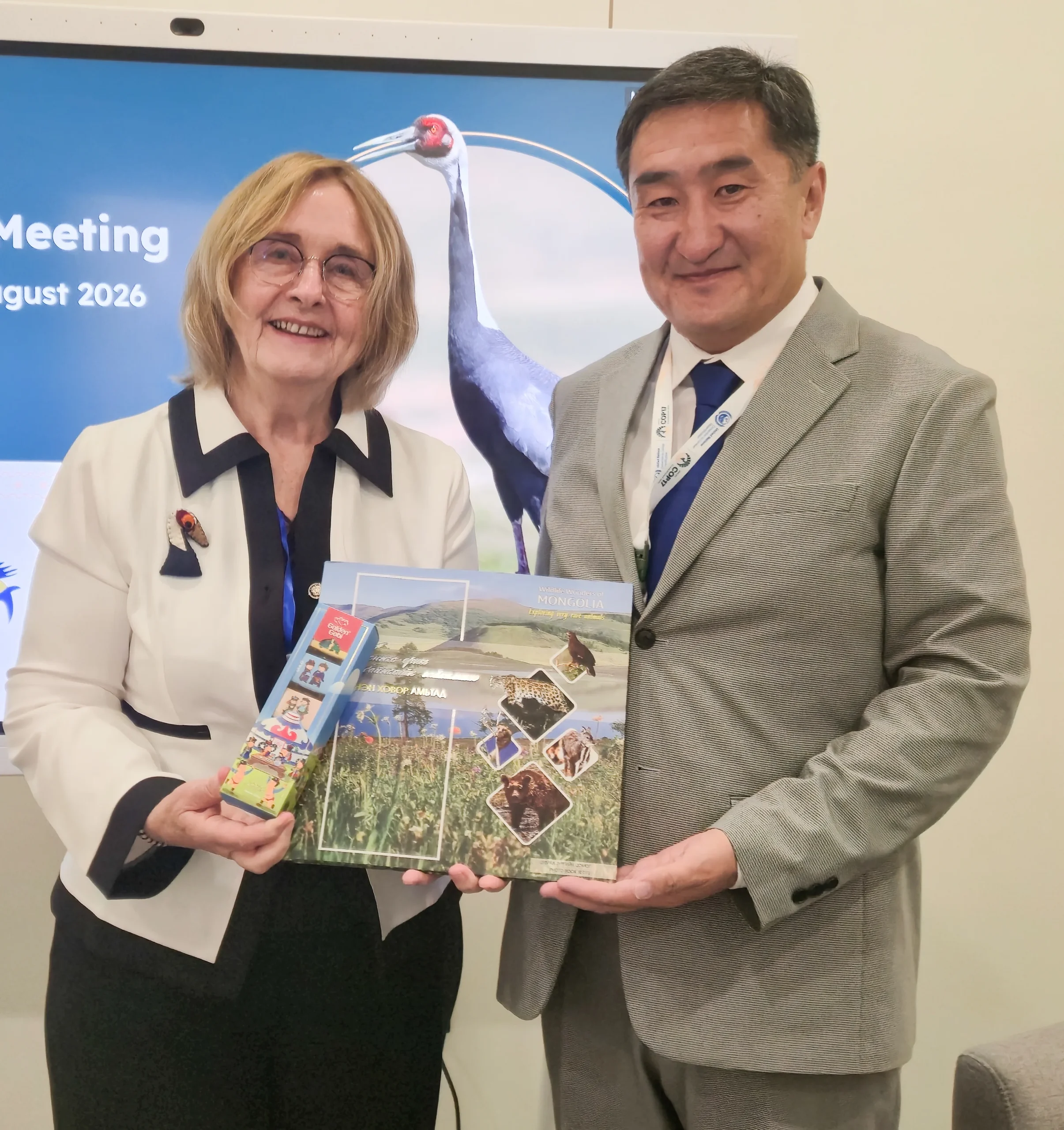 | 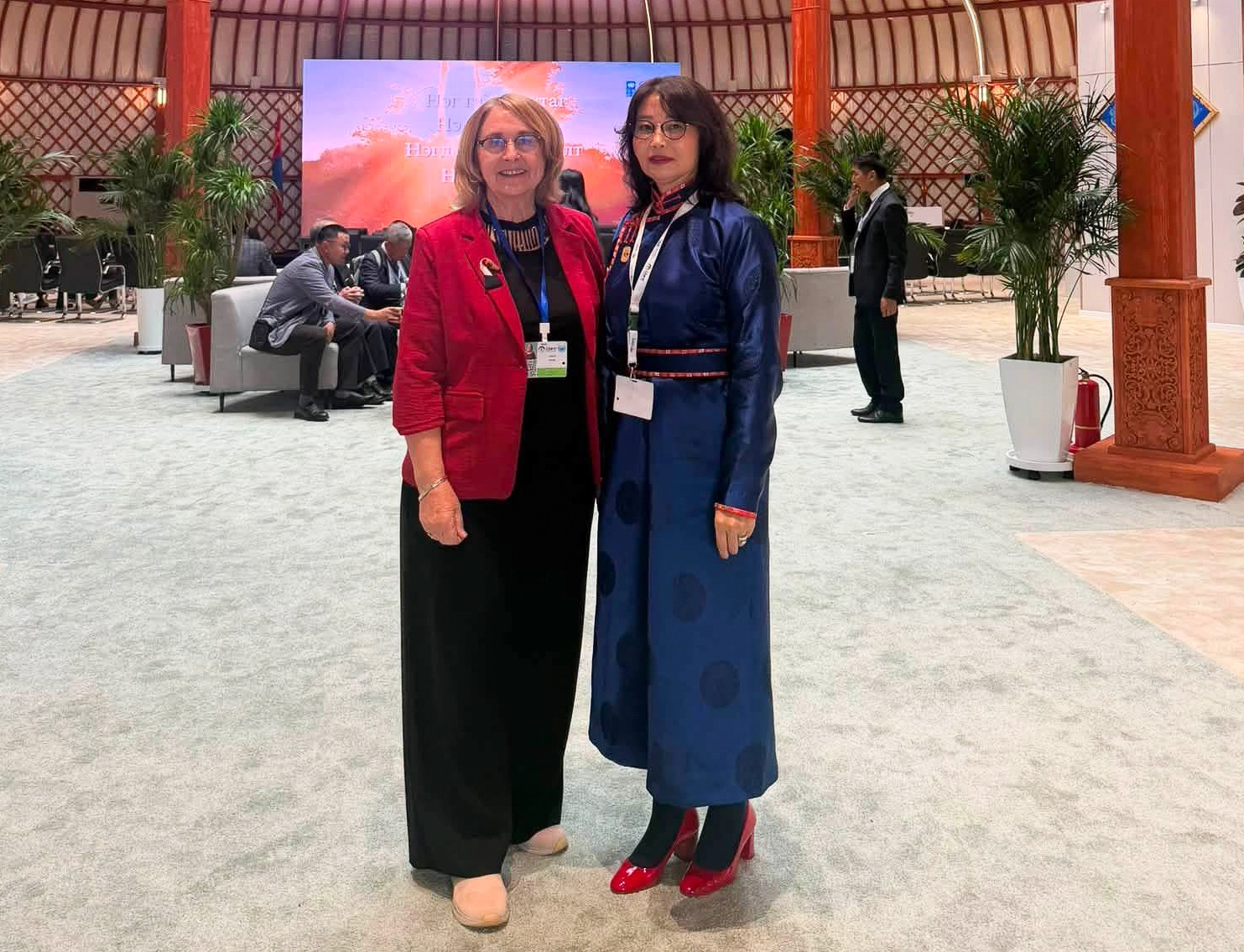 |
| Mr Baljinnyam Tudevdorj of Mongolia’s Ministry of Environment and Climate Change © EAAFP | Ms Uranchimeg Tserendorj of Mongolia’s Ministry of Environment and Climate Change © MECC |
The Secretariat also visited the offices of WSCC and MBCC, whose on-the-ground research, monitoring, and conservation efforts play a vital role in protecting Mongolia’s migratory waterbirds and wetlands. Their long-term work generates knowledge that supports conservation action in Mongolia while also contributing to a better understanding of migratory waterbirds and their habitats across the East Asian–Australasian Flyway.
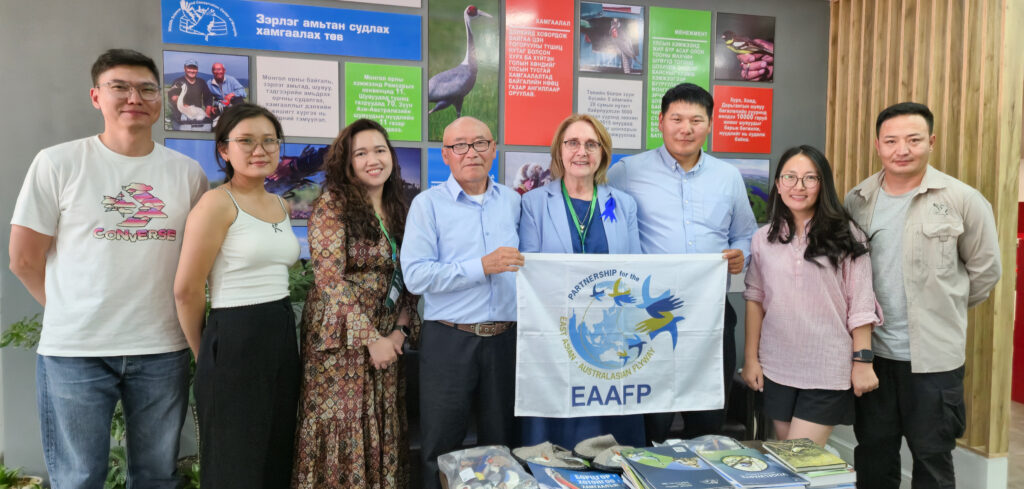 EAAFP visit at the office of the Wildlife Science and Conservation Center of Mongolia
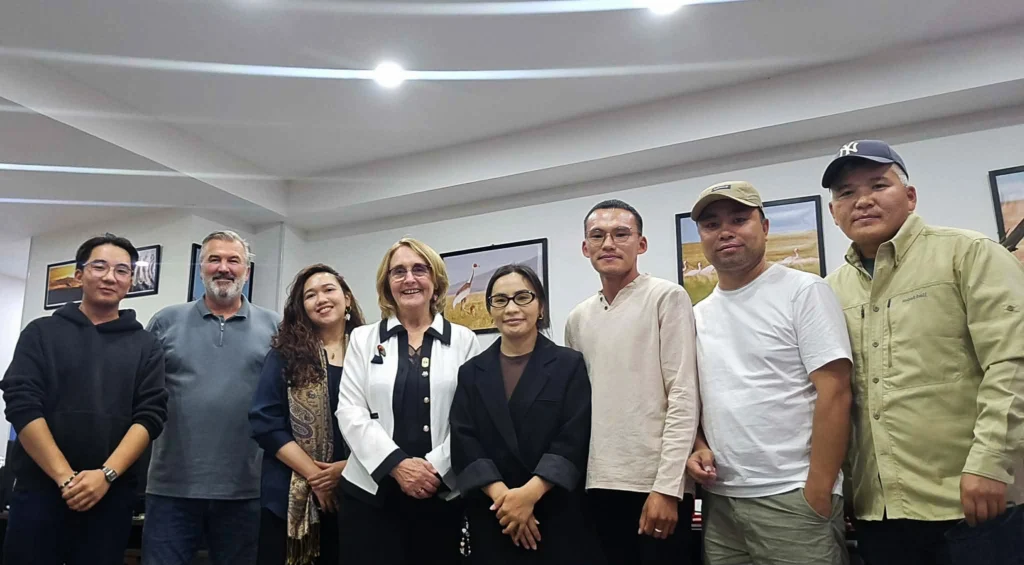 EAAFP visit at the office of Mongolian Bird Conservation Center
EAAFP’s engagement at COP17 brought one idea into focus: resilience depends on connection. Between one wetland and the next. Between breeding, staging, and wintering grounds. Between science and conservation action. And between the people and countries that share the same migratory waterbirds.
As drought and changing water regimes place greater pressure on wetlands, protecting individual sites will remain essential, but it will not be enough. A resilient East Asian–Australasian Flyway will depend on keeping the whole chain connected: healthy wetlands, strong science, local knowledge, and relationships that continue across borders.
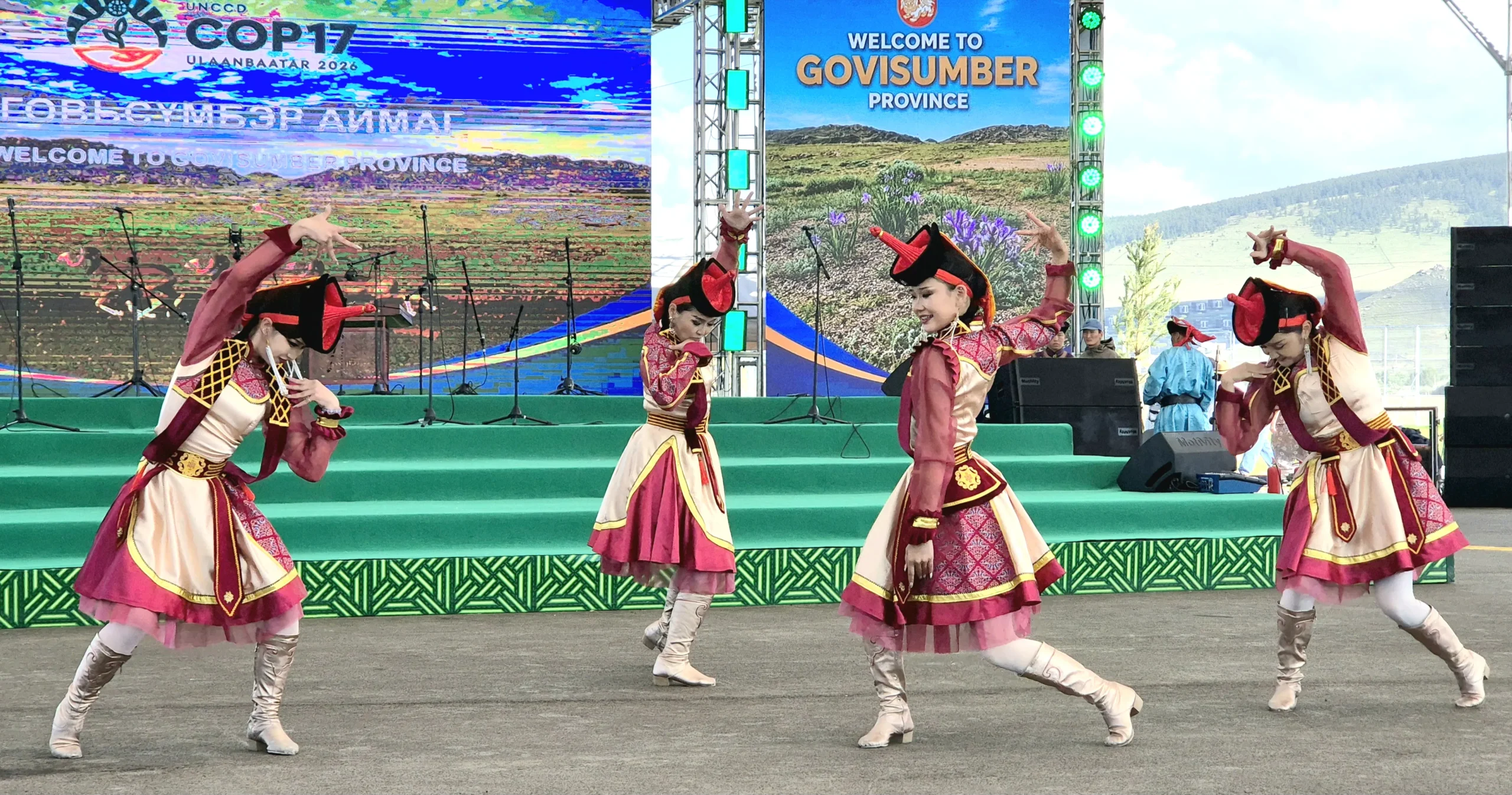
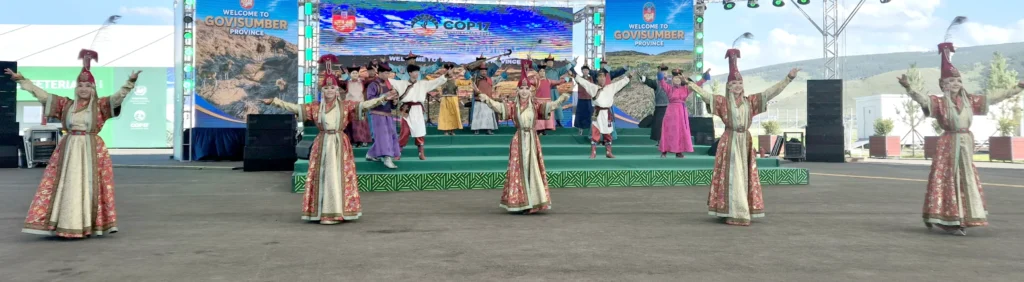 Special performances at the UNCCD COP17 © EAAFP