Yellow Sea Ecoregion Task Force
Role
The role of the EAAFP Yellow Sea Ecoregion Task Force will be to promote Regional and International Cooperation and report on progress on:
- National-Level Coordination: Promote national partnerships and coordination mechanisms within each of the three Yellow/West Sea countries to support conservation goals.
- Stakeholder Engagement and Awareness: Empower and develop capacity of site managers through incentives and co-management to promote consistent management of World Heritage sites, and implement outreach programs targeting decision-makers using CEPA frameworks.
- Regional and International Cooperation: Facilitate collaboration through multilateral frameworks and inclusive coordination mechanisms, including trilateral and transboundary efforts, with a particular focus on facilitating trilateral cooperation on World Heritage Site protection, management and restoration.
- Conservation and Ecosystem Management: Strengthen protected area network management including to ensure any use is sustainable, and restoration, including for disaster risk reduction, with a focus on maintaining and restoring ecological connectivity to enhance migratory bird populations.
- Science-Policy Integration and Monitoring: Establish platforms for science-policy dialogue, promote standardized approaches for monitoring and data sharing, and monitor the effectiveness of conservation initiatives.
The full Terms of Reference can be found here.
Related Materials
Documents
- The 2023 IUCN Situation Analysis on Ecosystems of the Yellow Sea with Particular Reference to Intertidal and Associated Coastal Habitats
- WWF Japan: Seminar on sustainable seafood market dynamics in China and Yellow Sea conservation held (Shigeki Yasumura, June 2015)
- NERP Environmental Decisions Hub: Migratory birds’ fuelling station empty (Jan 12, 2015)
- Wiley Online Library- Tidal flats of the Yellow Sea: A review of ecosystem status and anthropogenic threats, Austral Ecology (Nicholas J. Murray et al, Jan 2015)
- WWF Hong Kong: Prioritizing Migratory Shorebirds for Conservation Action on the East Asian-Australasian Flyway (2014)
- Yalu Jiang Estuary Shorebird Survey Report 1999-2000 (Adrian Riegen et al, 2014)
- WWF: An initiative on Yellow Sea Ecoregion Support Project (Oct 2014) [English | Japanese]
- Yellow Sea Ecoregion Support Project materials in English, Korean and Chinese (Oct 2014)
- WWF and KIOST: The Comprehensive Report of the Yellow Sea Ecoregion Support Project 2007-2014
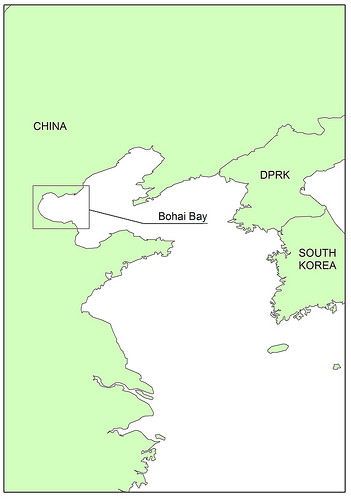
- IUCN situation analysis on East and Southeast Asian intertidal habitats, with particular reference to the Yellow Sea (including the Bohai Sea) (John MacKinnon et al, 2012) [English | Korean | Chinese ]
- NIBR Korea: Red Data Book of Endangered Birds in Korea (2011)
- Migratory Shorebirds Depend on the Yellow Sea
from Cornell Lab of Ornithology
This marvelously photographed video produced by the Cornell Laboratory of Ornithology in the USA documents the amazing journeys of migratory shorebirds in the East Asian–Australasian Flyway, focusing on such charismatic species as Spoon-billed Sandpiper, Red Knot and Bar-tailed Godwit, showing their dependence on the food-rich mudflats of the Yellow Sea to be able to undertake their annual migration. EAAFP Partners and collaborators have helped translate the video into Chinese, Japanese, Korean and Russian. We hope that the video can raise awareness of the importance of the Yellow Sea to these birds and help save these critical mudflat habitats to allow the birds to continue these journeys and for people to be able to wonder at the amazing spectacle of shorebird migration for generations to come.
Also available in Korean | Japanese | Chinese |Russian
Related News
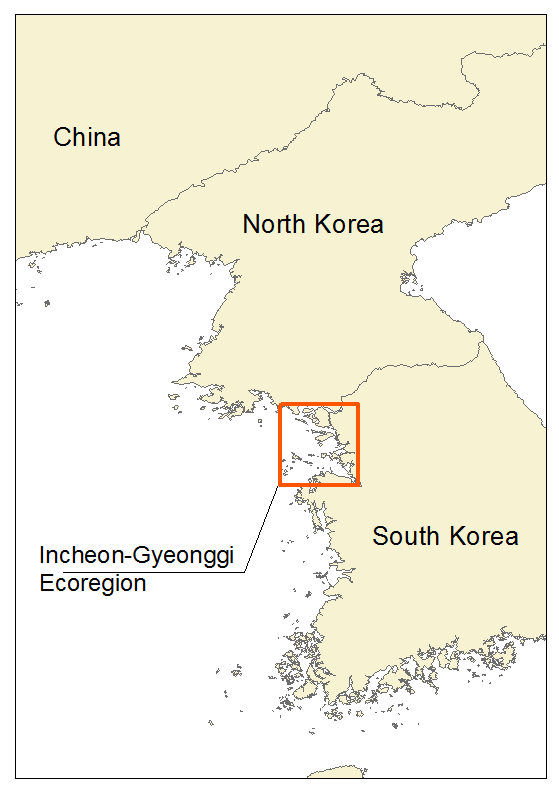
Incheon-Gyeonggi Ecoregion Task Force
Please click here to go to the relevant page.
Bohai Bay Fieldwork Journal 2015 from Global Flyway Network
Please click here to go to the Global Flyway Network research page.