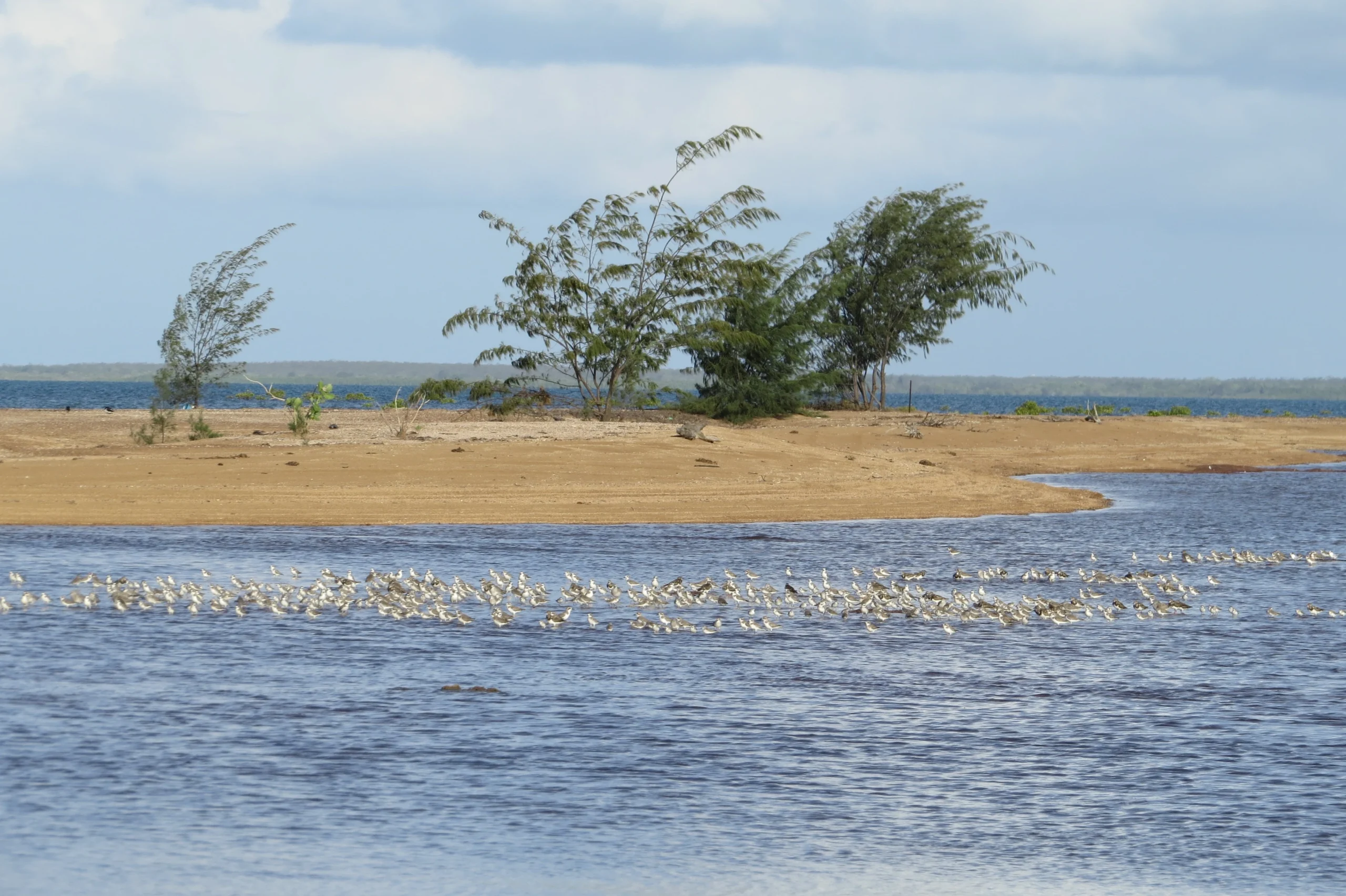
Sand-bar roost site for migratory shorebirds, Mornington Island © Roger Jaensch in conjunction with the Wellesley Islands Rangers and Carpentaria Land Council Aboriginal Corporation
The East Asian–Australasian Flyway Partnership (EAAFP) is pleased to welcome the Northern Wellesley Islands [EAAF161] in Queensland, Australia, as a new Flyway Network Site (FNS). Located in the southern Gulf of Carpentaria, the site comprises a cluster of low tropical islands and surrounding marine and coastal habitats that provide important feeding and roosting areas for migratory waterbirds.
Covering approximately 298,773 hectares, the site includes Mornington, Manowar, Rocky, Pisonia, Bountiful, Forsyth and Denham Islands, together with several smaller islands. Extensive intertidal flats, seagrass beds, mangroves, sandy shores and rocky coastlines create a diverse mosaic of habitats that support migratory waterbirds during their non-breeding period.
The site supports 18 species of migratory shorebirds, including six globally threatened species. Among them are the Siberian Sandplover (Anarhynchus mongolus), Far Eastern Curlew (Numenius madagascariensis), and Great Knot (Calidris tenuirostris). The site is particularly important for Siberian Sandplover, with surveys on Mornington Island recording 524 birds in January 2020, 500 in April 2020 and 370 in October 2021. Each of these counts exceeded the 1% population threshold for the species. The small outer islands provide nesting habitat for colonial-breeding migratory seabirds, including Roseate Tern (Sterna dougallii), Lesser Frigatebird (Fregata ariel), and Brown Booby (Sula leucogaster).
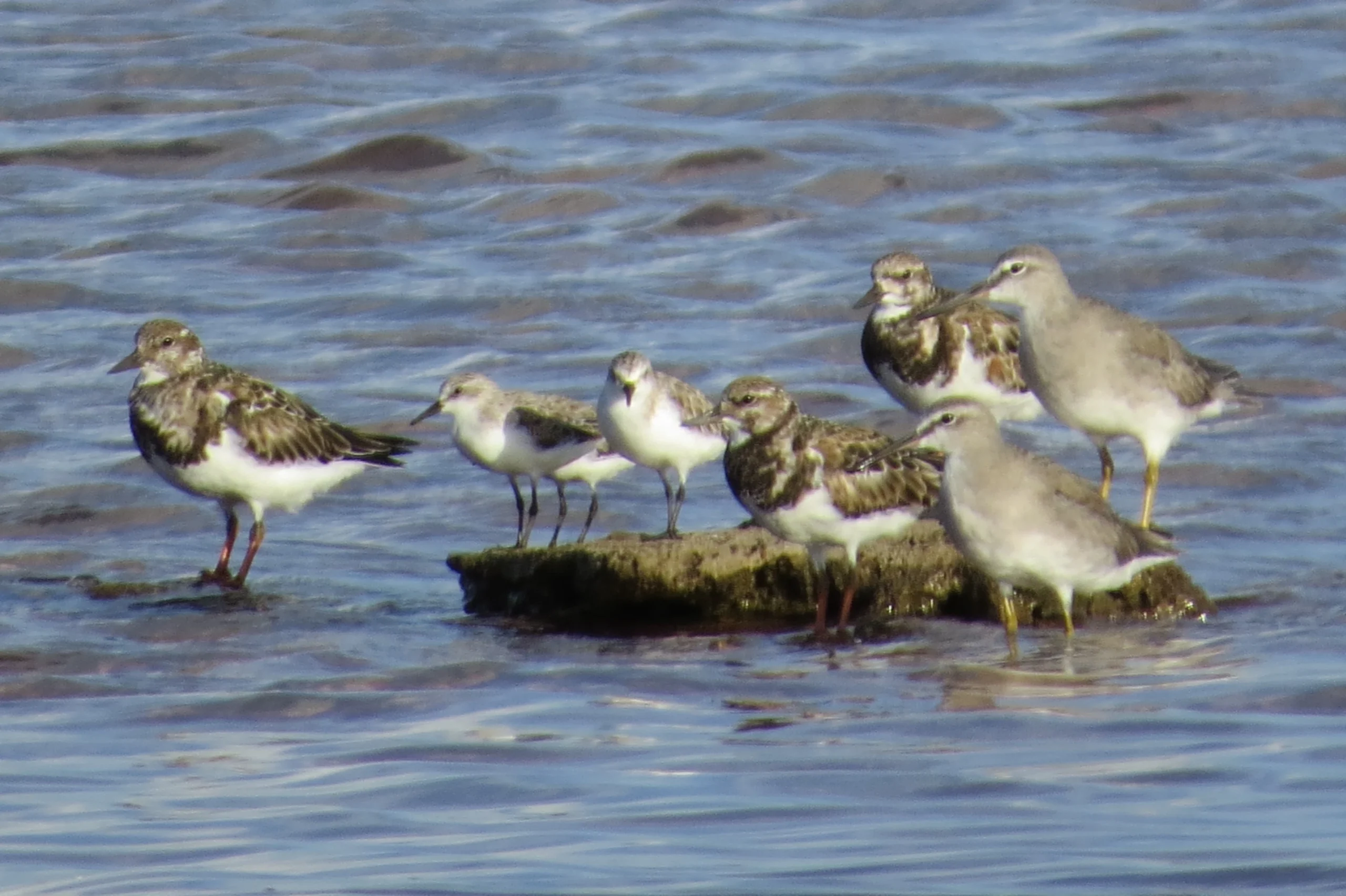 Ruddy Turnstones, Red-necked Stints and Grey-tailed Tattlers at high tide roost, Mornington Island © Roger Jaensch in conjunction with the Wellesley Islands Rangers and Carpentaria Land Council Aboriginal Corporation
The Northern Wellesley Islands Flyway Network Site lies within the traditional land and sea Country of the Lardil and Yangkaal Peoples, the Traditional Owners of the Northern Wellesley Islands. The site is within the Thuwathu/Walalu Indigenous Protected Area (IPA), where land and sea Country is cared for in accordance with the objectives and priorities of Traditional Owners.
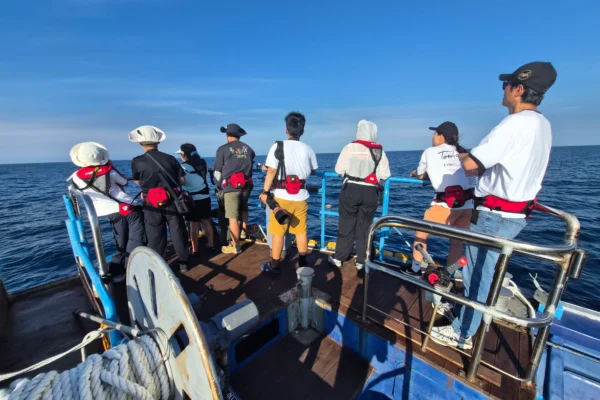
The Wellesley Islands Rangers undertake natural and cultural resource management and research activities under the Thuwathu/Walalu IPA Management Plan, including migratory shorebird and biodiversity surveys, seagrass monitoring, marine debris and ghost-net clean-ups, cultural restoration and maintenance of significant sacred sites, and cultural burning.
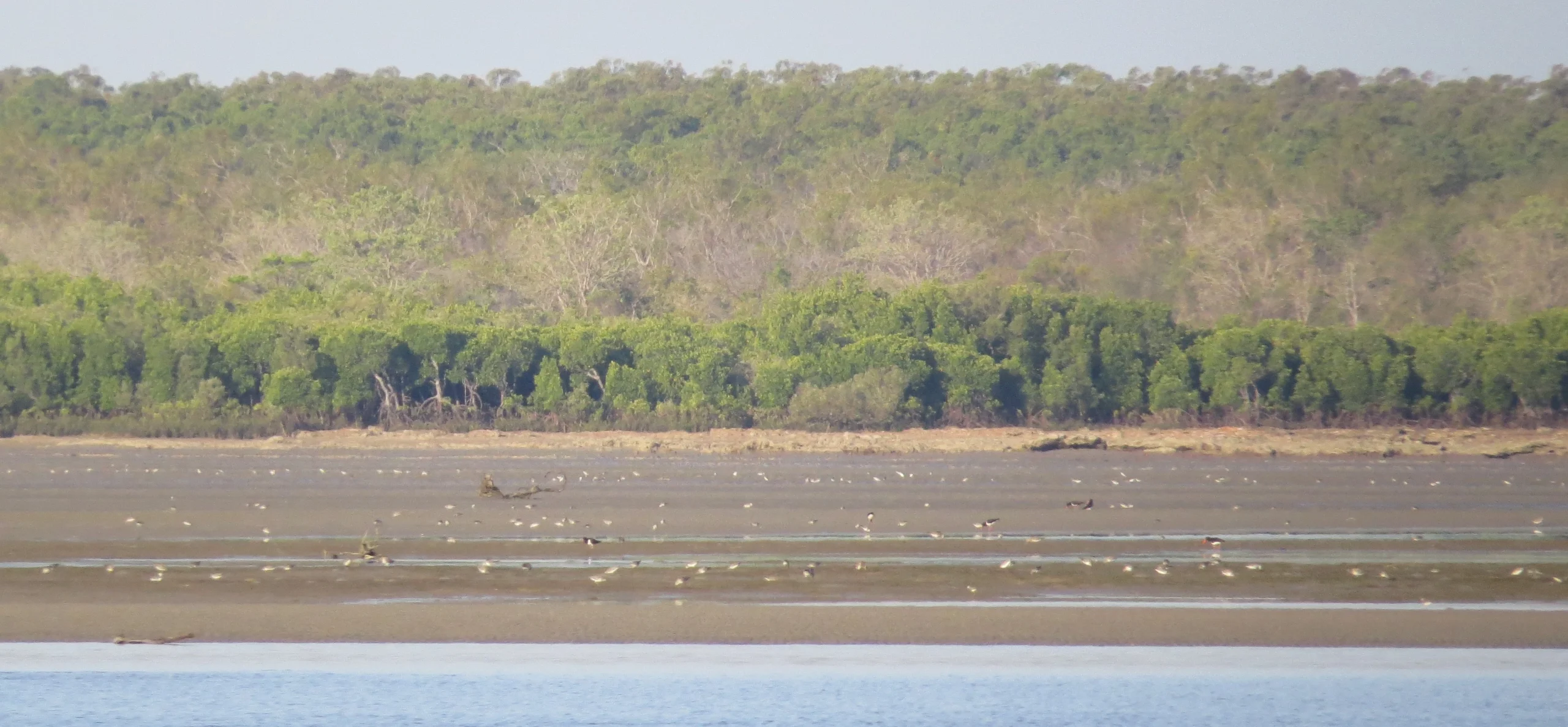 Migratory shorebirds on intertidal flat, Mornington Island © Roger Jaensch in conjunction with the Wellesley Islands Rangers and Carpentaria Land Council Aboriginal Corporation
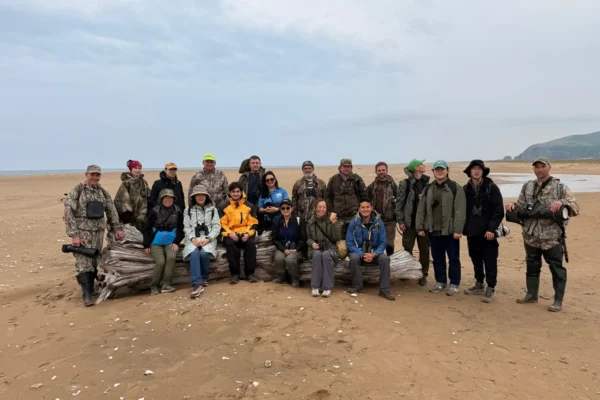
Since 2018, migratory shorebird surveys have been conducted on Mornington Island, with the Wellesley Islands Rangers working with waterbird experts and other research partners as part of ongoing monitoring and research. The surrounding coastal and marine habitats also support a rich diversity of wildlife, including dugongs, marine turtles, sawfish, sharks, rays, and dolphins.
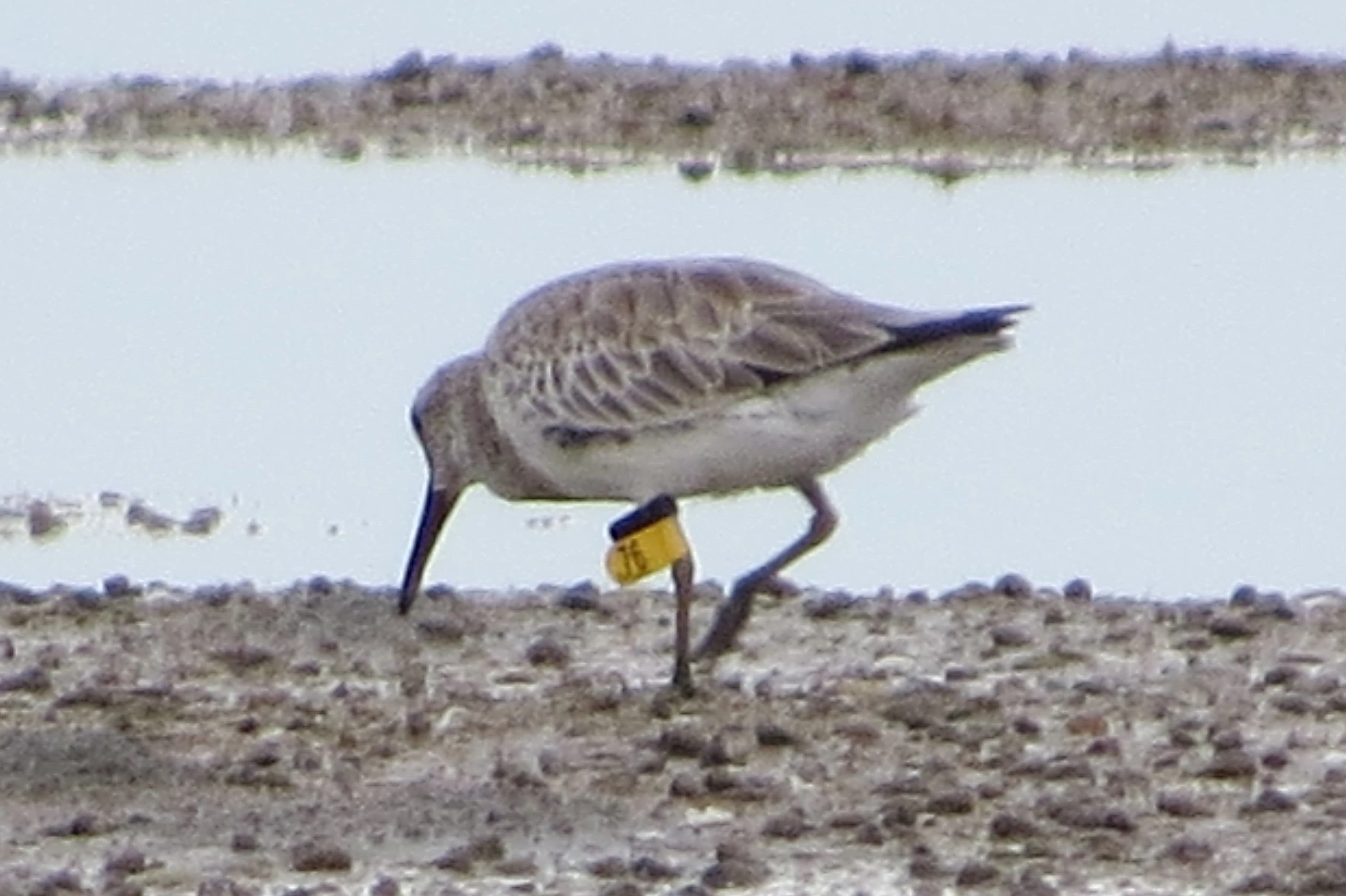 Great Knot on Mornington Island, with leg flag that was attached in Kamchatka, Russian Far East © Roger Jaensch in conjunction with the Wellesley Islands Rangers and Carpentaria Land Council Aboriginal Corporation
The designation of the Northern Wellesley Islands as a Flyway Network Site recognises its international importance for migratory waterbirds and the longstanding care for Country by the Lardil and Yangkaal Peoples. EAAFP warmly welcomes the Northern Wellesley Islands to the Flyway Site Network and looks forward to strengthening connections and knowledge-sharing for the conservation of migratory waterbirds and their habitats across the Flyway.
To learn more about the Gulf Region Aboriginal Corporation RNTBC (GRAC) and the Wellesley Island Rangers, please click here. Further information about the Carpentaria Land Council Aboriginal Corporation (CLCAC) and their work to help protect the rights and interests of Traditional Owners can be found here.
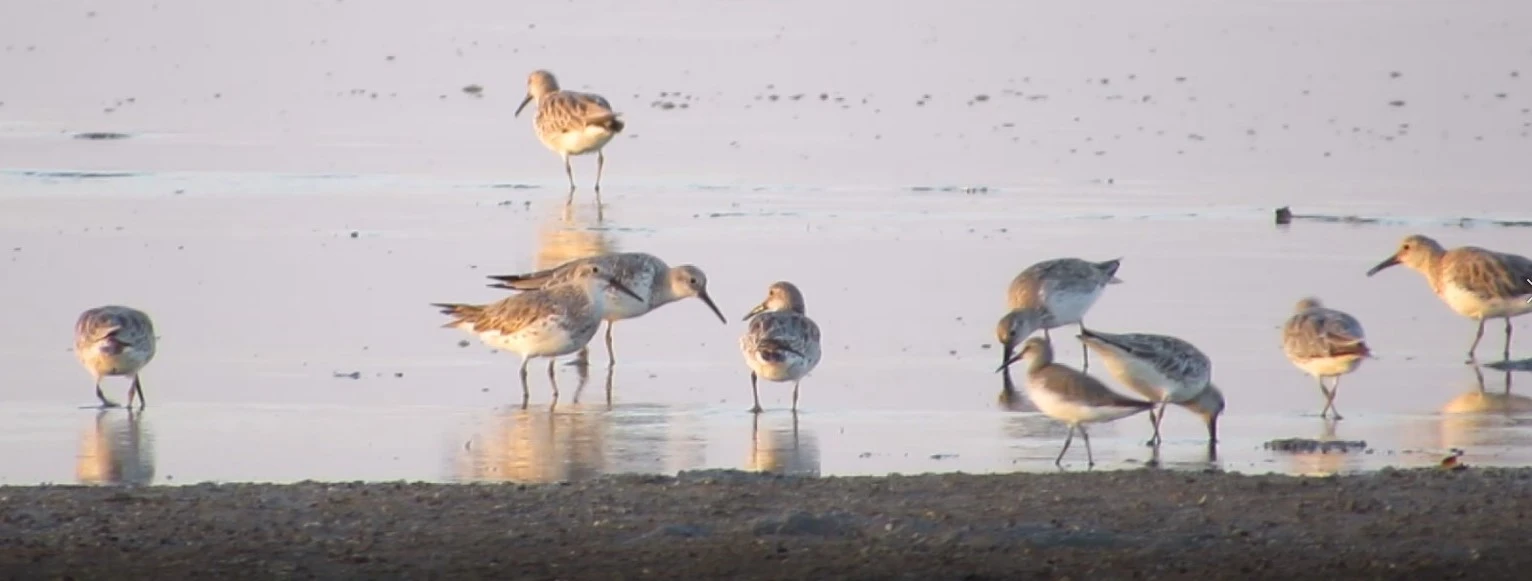 Great Knots and a Curlew Sandpiper feeding, Mornington Island © Roger Jaensch in conjunction with the Wellesley Islands Rangers and Carpentaria Land Council Aboriginal Corporation