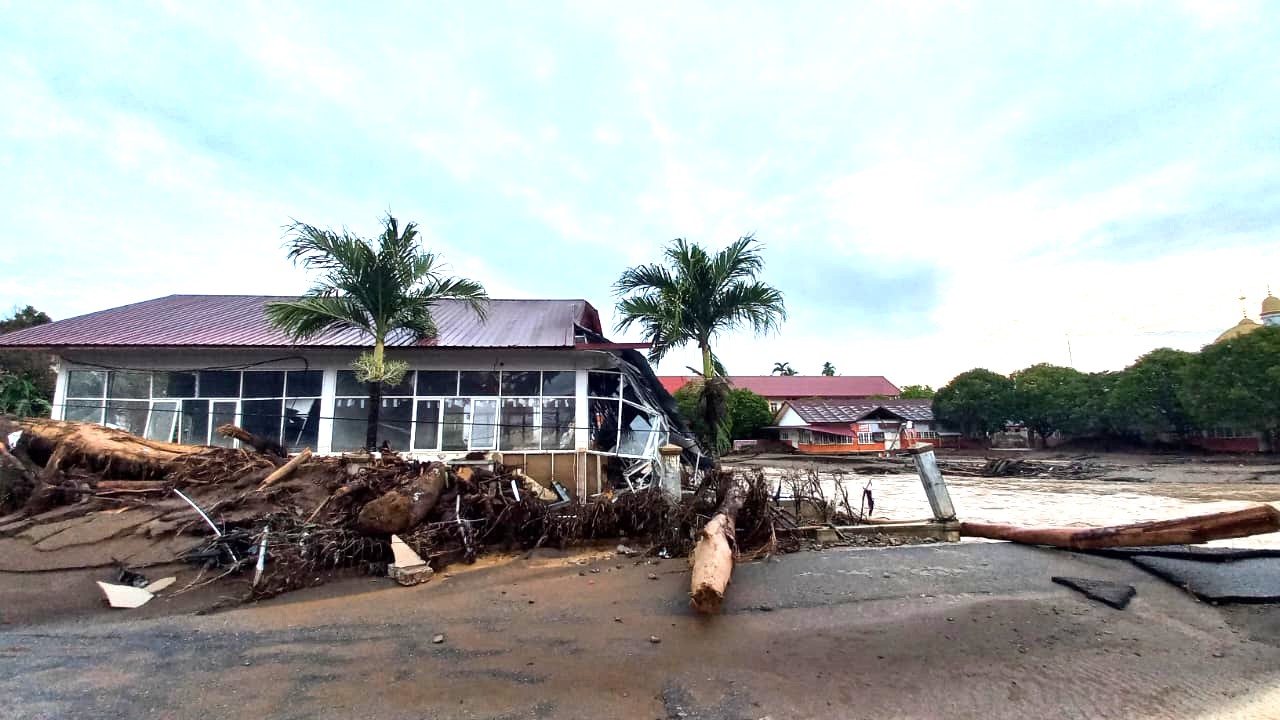
Figure 1. The remains of a coastal school in Pidie Jaya, Aceh, destroyed by the November 2025 hydrometeorological disaster. The school community now continues learning in temporary shelters. ©Mukhsin_SDIT-An-Nur
Author: Mukhsin and Mursidah
Report: Link
Along the northern coast of Aceh, Indonesia, schools in Pidie and Pidie Jaya are helping to raise awareness about the importance of protecting migratory waterbirds along the East Asian–Australasian Flyway. With support from the East Asian–Australasian Flyway Partnership (EAAFP) Small Grant Fund for Working Groups and Task Forces, a school-based initiative engaged more than 200 students and 15 teachers in environmental education activities designed to connect global bird migration with local coastal stewardship.
The project integrated conservation messages into everyday school life through sports activities, quiz competitions, digital learning sessions, art-based environmental calligraphy, plant propagation training, and educational field visits. Students learned how healthy rivers, wetlands, and coastal ecosystems support migratory species such as the Far Eastern Curlew and the Lesser Adjutant, which rely on sites across the Flyway, including coastal areas of Aceh, for feeding and resting during their long journeys.
Beyond knowledge gain, the initiative encouraged practical action. Students participated in waste reduction efforts, environmental campaigns, and community clean-up activities, while teachers strengthened their capacity to integrate biodiversity conservation into regular classroom lessons. By embedding conservation into school culture, the project contributed to long-term awareness and stewardship at the local level.
In November 2025, however, a severe hydrometeorological disaster struck Aceh. River flooding destroyed one of the participating schools located along the riverbank in Pidie Jaya, causing total damage to its buildings and facilities. Classrooms were lost, and learning materials were swept away. Despite these challenges, students and teachers quickly resumed classes in temporary tents, demonstrating remarkable resilience and commitment to education.

Figure 2. Students and teachers resume classes in temporary tents after their riverside school in Pidie Jaya, Indonesia, was destroyed by flooding in November 2025. Despite the damage, environmental learning continues. ©Mukhsin_SDIT-An-Nur
The disaster underscored the close link between environmental health and community safety. For coastal and riverine communities, understanding ecosystems, land use, and climate-related risks is not only about conserving wildlife—it is also about reducing vulnerability and strengthening resilience. Environmental education therefore plays a vital role in equipping young generations with the knowledge and values needed to protect both nature and their own communities.
Although infrastructure has been lost, the commitment to conservation education remains strong. Learning continues under temporary shelters, and teachers remain dedicated to nurturing environmental awareness among their students. The experience in Pidie Jaya highlights both the fragility of coastal ecosystems and the power of education in sustaining hope, resilience, and stewardship along the East Asian–Australasian Flyway.