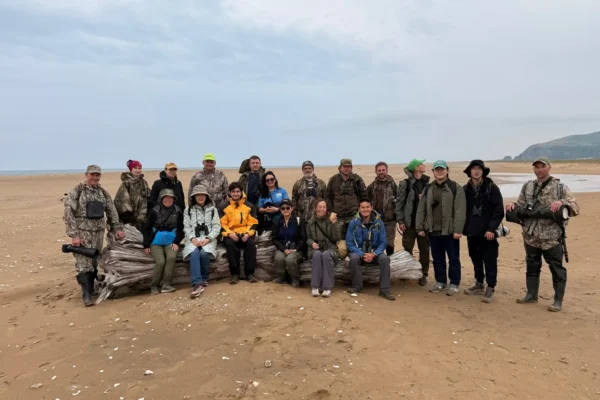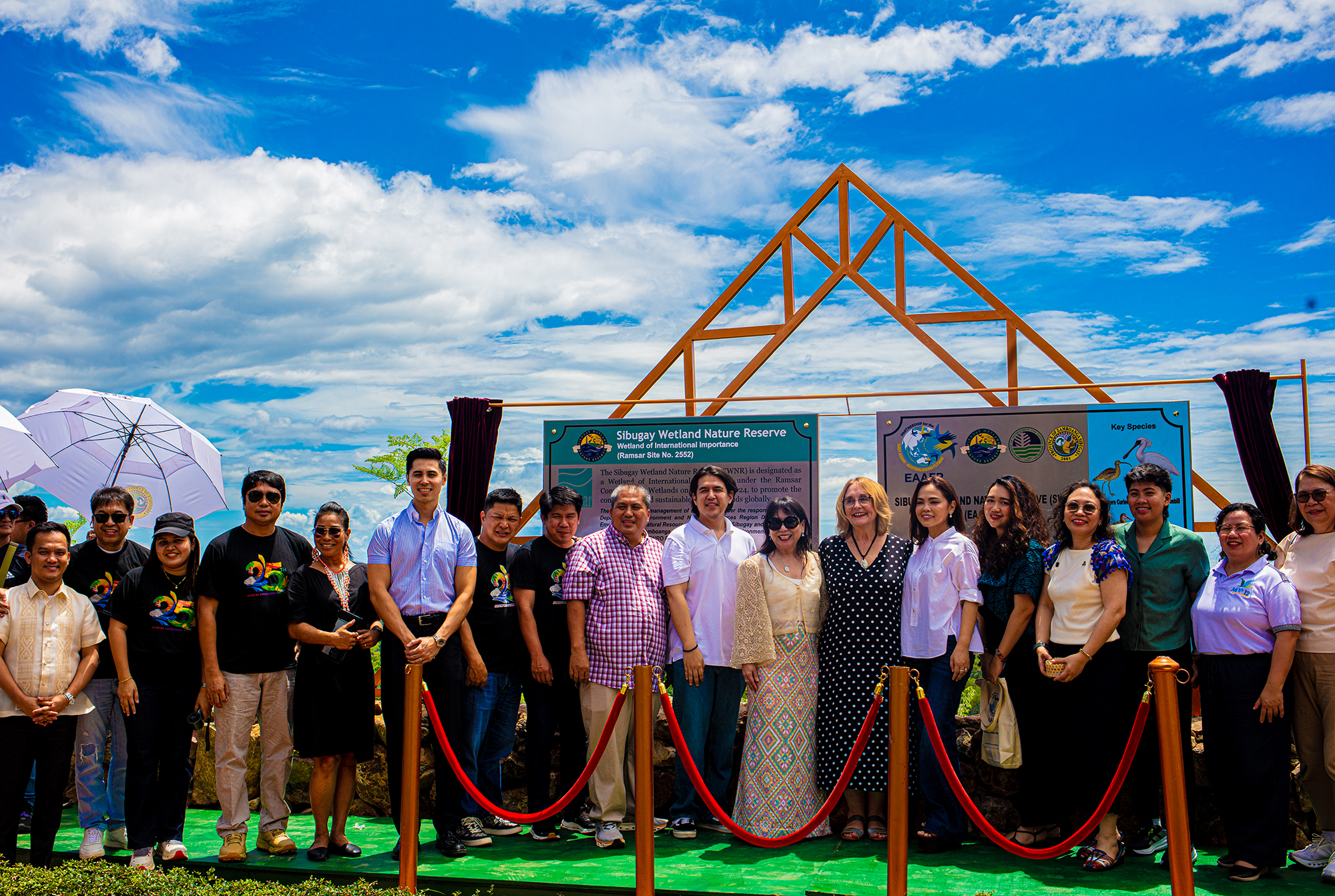
Historic unveiling of Flyway Network Site and Ramsar markers © PENRO Zamboanga Sibugay
PHILIPPINES – Sibugay Wetland Nature Reserve (SWNR) [EAAF160] recently unveiled its Flyway Network Site (FNS) marker during the celebrations of the 25th founding anniversary of Zamboanga Sibugay. Overlooking Sibugay Bay, the unveiling marked an important milestone that reinforces SWNR’s status as an internationally significant site for migratory waterbirds.
In her message, Chief Executive Jennifer George emphasised SWNR’s role as a crucial stopover site within the East Asian–Australasian Flyway. She highlighted how local stewardship contributes to global conservation efforts to halt biodiversity loss, maintain ecological connectivity, and sustain ecosystem services that support communities.
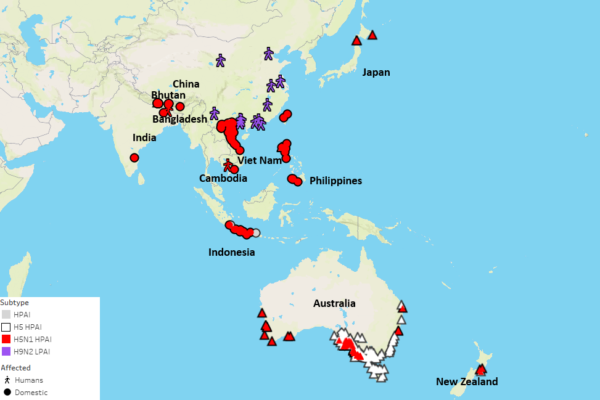
SWNR is one of seven Flyway Network Sites in the Philippines recognised by the East Asian–Australasian Flyway Partnership (EAAFP) for their ecological importance in supporting migratory waterbirds. Covering more than 250,000 hectares, the reserve includes mangrove forests, forest lands, mudflats, and marine waters. Sibugay Bay serves as a staging ground for several globally threatened species. Since 2018, marked waterbirds from Australia, Mainland China, Japan, Taiwan, and Russia have been documented in the area, highlighting SWNR’s role within the interconnected network of habitats that sustain migratory birds along the East Asian–Australasian Flyway.
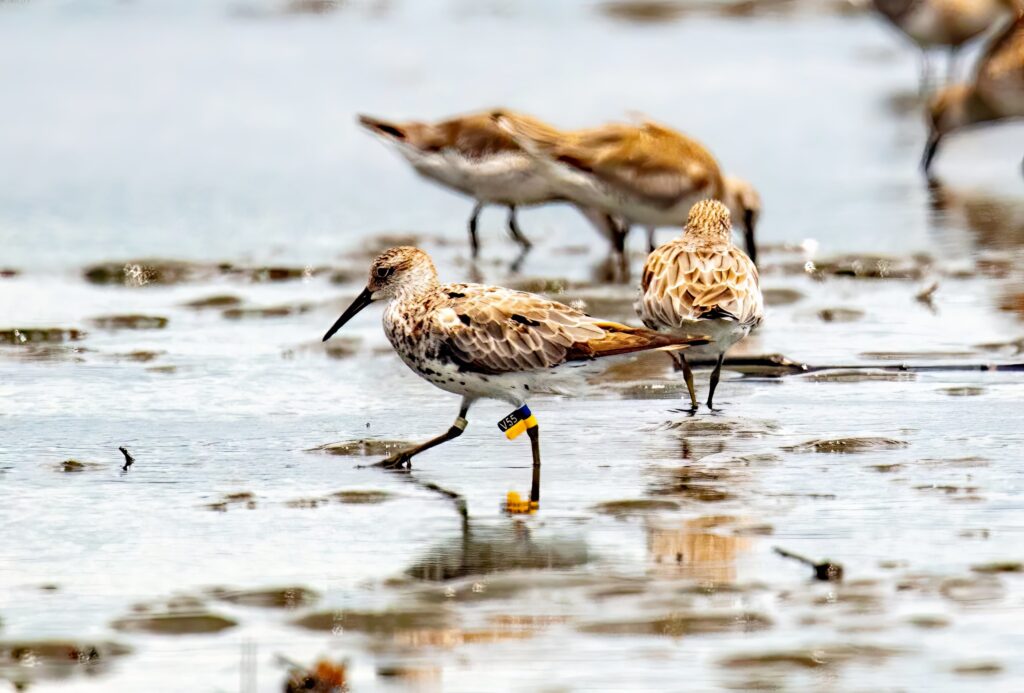
Great Knot (Calidris tenuirostris) V55, banded in April 2024 in Bohai Bay, China, was sighted in October 2025 in SWNR. © DENR
Following its formal designation during the EAAFP’s 12th Meeting of Partners in Cebu, SWNR has begun taking steps to strengthen both local and international collaboration. Inclusion in the Flyway Site Network allows the reserve to connect with other Flyway Network Sites and explore opportunities such as Sister Site Partnerships, awareness raising, and capacity-building initiatives.
To complement these efforts, SWNR is also selected as part of the Asian Development Bank’s (ADB) Philippines Flyway Project under the Regional Flyway Initiative (RFI) due to its importance to migratory waterbirds such as the Far Eastern Curlew (Numenius madagascariensis). BirdLife International, ADB, and the EAAFP launched the RFI in 2021, and it continues to support biodiversity conservation while promoting sustainable livelihoods for surrounding communities, helping strengthen climate resilience.
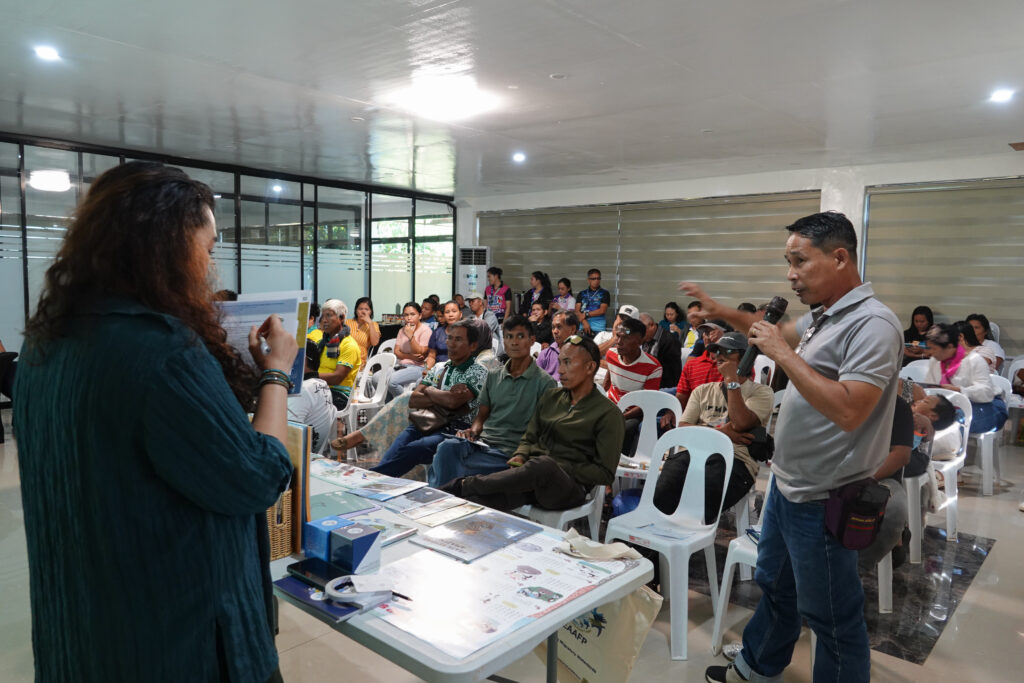
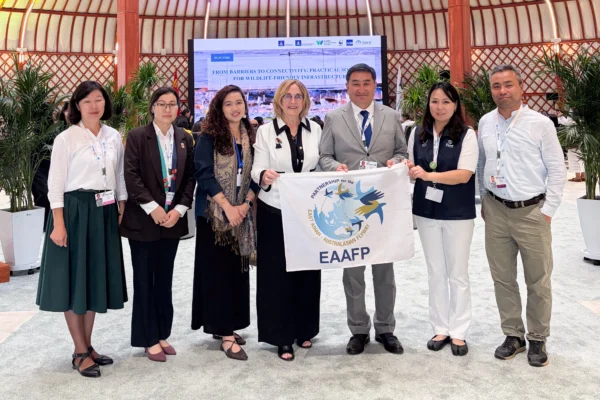
Representatives of civil society organisations offered their insights on SWNR’s protection and management. © EAAFP
On the sidelines of the anniversary celebrations, the Department of Environment and Natural Resources (DENR) Region 9, through the Provincial Environment and Natural Resources Office (PENRO) of Zamboanga Sibugay, together with the EAAFP Secretariat, convened an in-depth session with local government officials, tourism offices, and civil society organisations. The discussion explored potential site partnerships aimed at strengthening SWNR’s protection, management, and public appreciation.
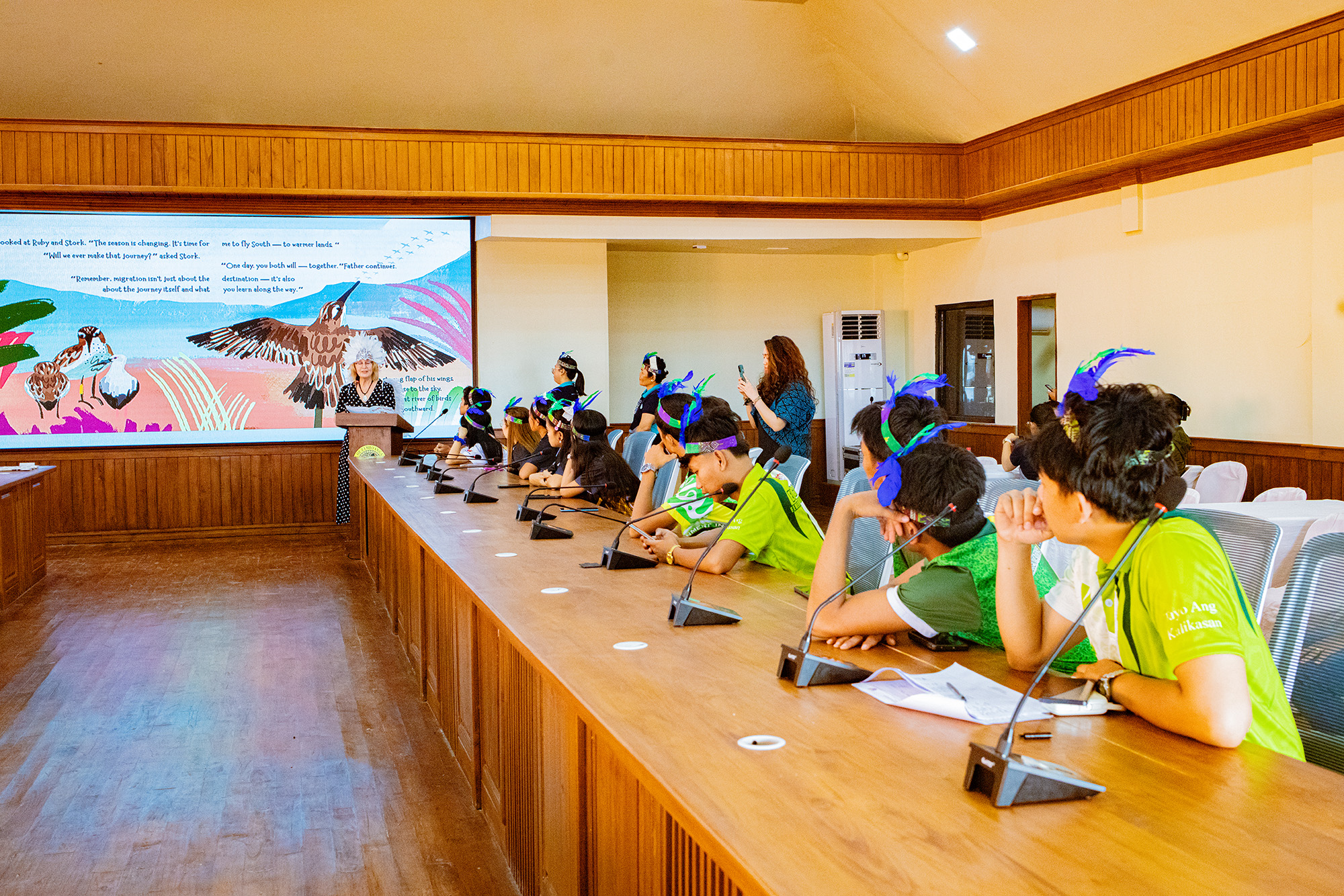
Chief Executive Jennifer George led the storytelling session with high school students. © PENRO Zamboanga Sibugay
Youth engagement is a key part of SWNR’s conservation efforts. As part of the anniversary celebrations, local high school students took part in a storytelling session featuring “Flyway Friends: A Long Journey Home,” a storybook developed by the EAAFP Youth Task Force that introduces the journey of migratory waterbirds along the East Asian–Australasian Flyway. The session encouraged students to reflect on the importance of the site and inspired them to take an active role in protecting migratory waterbirds and their habitats.
Recognising the collective efforts of communities, local government leaders, national agencies, and environmental advocates, Governor Ann K. Hofer reaffirmed Zamboanga Sibugay’s commitment to conserving SWNR and advancing a shared vision of sustainable development.
The FNS marker was unveiled alongside the Ramsar Site marker and is the first produced under EAAFP’s new FNS promotion and visibility guidelines. The initiative aims to create a unified visual identity for Flyway Network Sites and help visitors better understand the global significance of these wetlands.