Jennifer George, Chief Executive
Wetlands are often quiet places. They don’t shout for attention. They filter water, soften floods, feed communities, and give migratory birds somewhere safe to land after journeys that span continents from New Zealand in the south through east Asia to the Arctic in the north.
And yet, despite everything they give us, there is so much loss. Nearly 90% of the world’s wetlands lost or degraded since the 1700s. AND That loss matters. When wetlands disappear, connections break—between species, between places, and between generations.
Around the world, Indigenous Peoples and local communities have cared for wetlands long before modern conservation language existed. They read seasons in the water, birds, and winds. They understood when to harvest—and when not to. Their knowledge is place-based, lived, and deeply relational. It has sustained wetlands not just ecologically, but culturally. They are not just as places on a map, but as living systems shaped by people, stories, and care over generations.
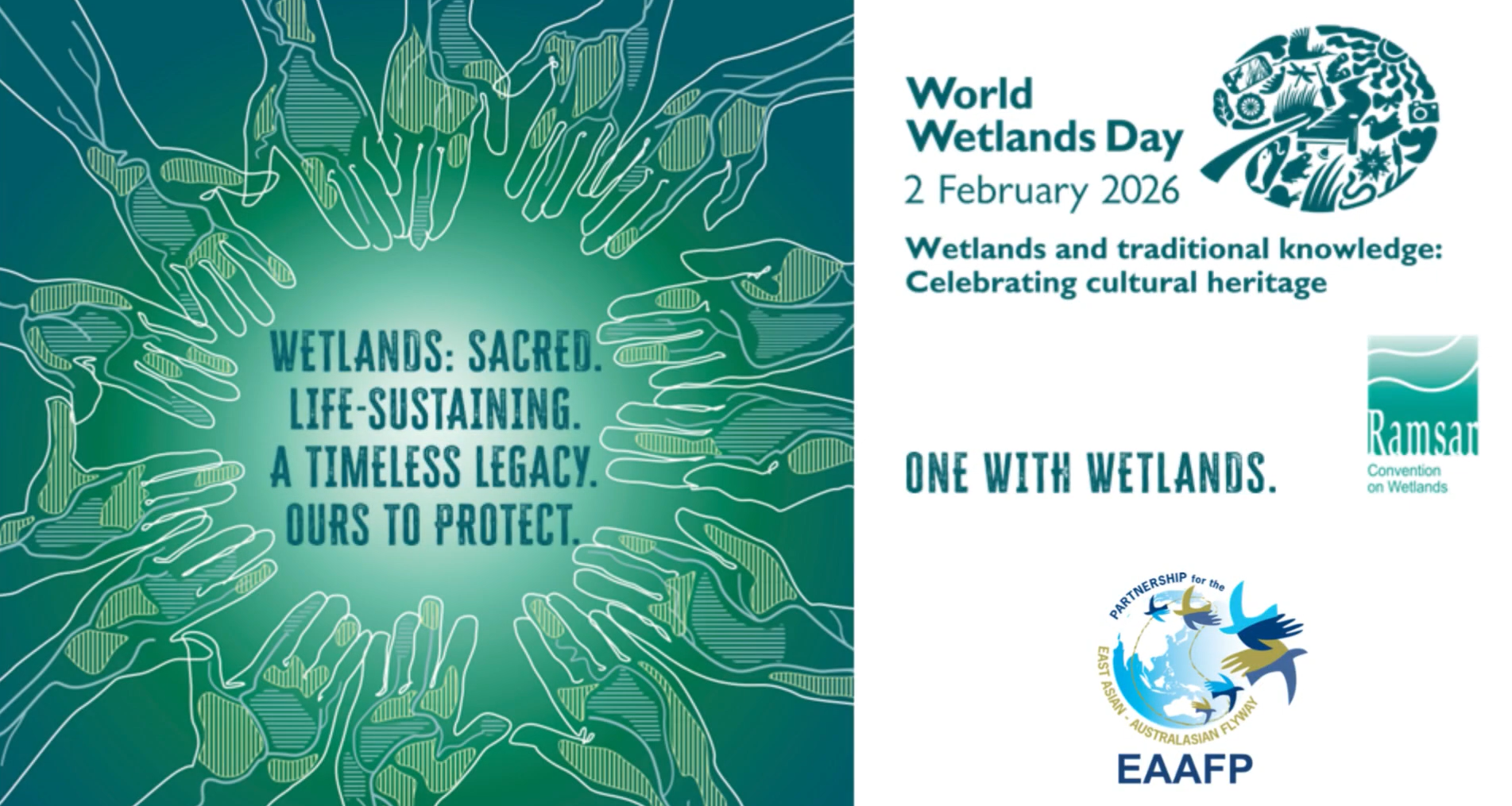
That’s why the theme for World Wetlands Day 202 “Wetlands and traditional knowledge: Celebrating cultural heritage” is powerful.
This is not knowledge of the past. It is knowledge for the future. I encourage each of us to recognise the people who make that possible.
- Community elders who remember how wetlands once flowed and are passing their knowledge on.
- Wetland managers who balance protection with daily realities.
- Volunteers show up season after season.
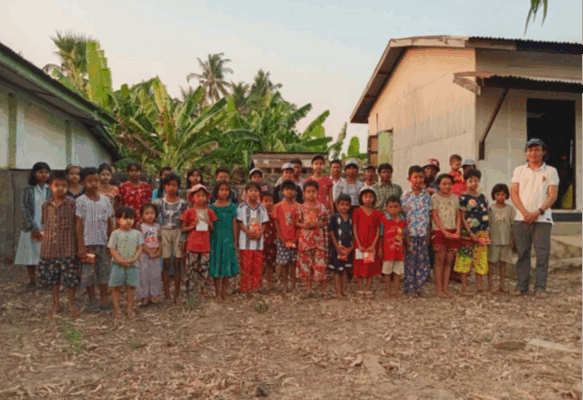
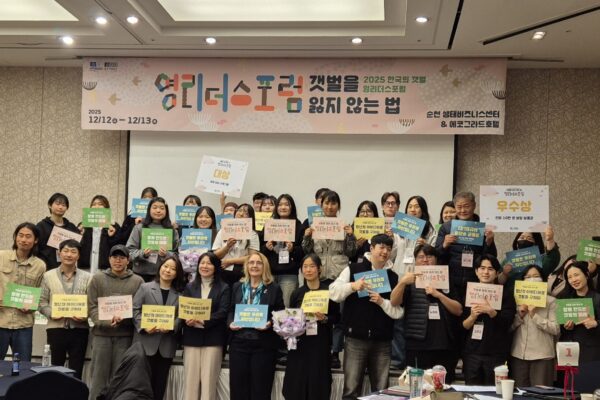
- Young people active in wetland communities – inheriting responsibilities.
On this World Wetlands Day 2026, each of us can do more than celebrate wetlands.
We can listen to the knowledge they carry.
We can respect the cultures that have cared for them.
And we can act—together—to ensure wetlands continue to thrive.
Because wetlands are where memory meets migration, and where our shared future begins.