

Literature list (Jan–Jun 2025)
1) Biology & EcologyEFFENDI M R, MANSOR M S, 2025. First record of Vanellus vanellus (Linnaeus, 1758) (Aves, Charadriidae), Northern Lapwing, in Malaysia at the southernmost occurrence of the species’ range[J/OL]. CHECK LIST, 21(1): 181-183. DOI:10.15560/21.1.181. FU M, WANG J, HOU C, et al., 2025. Waterbird diversity and its influencing factors in various types of coastal wetlands in the Bohai Rim region[J/OL]. GLOBAL ECOLOGY AND CONSERVATION, 57: e03421. DOI:10.1016/j.gecco.2025.e03421. ZHU S, DENG G, JIANG H, et al., 2025. Study on the Influence of Different Feeding Habitats on the Behavioral Habits of Siberian Cranes in the Songnen Plain[J/OL]. DIVERSITY-BASEL, 17(1): 36. DOI:10.3390/d17010036. HUR S, KIM D W, PARK J G, et al., 2025. Wintering loons in South Korea face an ongoing threat from polycyclic aromatic hydrocarbons: Shifting sources and potential DNA damage[J/OL]. ENVIRONMENTAL POLLUTION, 367: 125659. DOI:10.1016/j.envpol.2025.125659. ZHANG J, CIONI L, JASPERS V L B, et al., 2025. Shellfish and shorebirds from the East-Asian Australian flyway as bioindicators for unknown per- and polyfluoroalkyl substances using the total oxidizable precursor assay[J/OL]. JOURNAL OF HAZARDOUS MATERIALS, 487: 137189. DOI:10.1016/j.jhazmat.2025.137189. HE J, WANG C, HAN Y, et al., 2025. Waterbird community response to wetland and climate changes in the Liaohe River Estuary wetlands, China[J/OL]. JOURNAL OF ENVIRONMENTAL MANAGEMENT, 374: 124165. DOI:10.1016/j.jenvman.2025.124165. MA R, MA S, ZHANG Y, et al., 2025. Flexible host-microbe interaction aid adaptation of black-necked crane to seasonal shifts[J/OL]. GLOBAL ECOLOGY AND CONSERVATION, 58: e03458. DOI:10.1016/j.gecco.2025.e03458. XING X, QIAN F, MA K, 2025. From sky to ground: decoding migratory bird’s habitat selection along the multi-scale sequence[J/OL]. LANDSCAPE ECOLOGY, 40(2): 33. DOI:10.1007/s10980-025-02050-y. LIU W, ZHAO C, ZHANG P, et al., 2025. Effects of microplastics on energy accumulation in a migratory shorebird in the coastal wetlands of the Yellow Sea, China[J/OL]. JOURNAL OF HAZARDOUS MATERIALS, 488: 137386. DOI:10.1016/j.jhazmat.2025.137386. LI D, KHOO M D Y, LANCTOT R B, et al., 2025. Migration of Wintering Grey Plover From Southeast Asia to North-Central Siberia Challenges Breeding Population Delineations in Russia[J/OL]. ECOLOGY AND EVOLUTION, 15(2): e70815. DOI:10.1002/ece3.70815. WANG C, XIA S, YU X, et al., 2025. Responses to extreme drought in wintering waterbirds: a multi-species approach[J/OL]. FRONTIERS IN ZOOLOGY, 22(1): 3. DOI:10.1186/s12983-025-00557-3. CHENXI W, SHAOXIA X, XIUBO Y, et al., 2025. Satellite tracking data reveal the underestimate population size of the ground survey[J/OL]. BIODIVERSITY AND CONSERVATION, 34(4): 1541-1558. DOI:10.1007/s10531-025-03032-x. WU Y, LEI W, WU E, et al., 2025. A multi-perspective understanding of population change in migratory species: A case study with pied avocets (Recurvirostra avosetta) in East Asia[J/OL]. BIOLOGICAL CONSERVATION, 304: 111048. DOI:10.1016/j.biocon.2025.111048. CAO X, WU Y, BAI F, et al., 2025. Persistent, bioaccumulative, and toxic pollutants in migratory waterbirds from Bohai Bay, China: Implications on distinct pollutant sources.[J/OL]. The Science of the total environment, 967: 178782. DOI:10.1016/j.scitotenv.2025.178782. DAS D K, VANSTEELANT W M G, ZHU B, et al., 2025. Three subspecies of Black-tailed Godwit share non-breeding sites in the world’s largest river delta[J/OL]. AVIAN RESEARCH, 16(1): 100226. DOI:10.1016/j.avrs.2025.100226. HONDA R, YAMAKITA T, OZAKI T, et al., 2025. Impact of duck predation on the population of Manila clam (Ruditapes philippinarum) in tidal flat[J/OL]. ESTUARINE COASTAL AND SHELF SCIENCE, 318: 109247. DOI:10.1016/j.ecss.2025.109247. TAGHIYEV A N, KARIMOVA N A, V. BADALOVA S, 2025. The Changes in the Breeding Behaviour of the Microcarbo Pygmaeus, Nycticorax Nycticorax, Ardeola Ralloides Bubulcus Ibis, Egretta Garzetta Species on the South-Western Coast of the Caspian Sea[J/OL]. EGYPTIAN JOURNAL OF VETERINARY SCIENCE, 56(4). DOI:10.21608/EJVS.2024.267971.1829. HUR S, KIM D W, PARK J G, et al., 2025. Elemental accumulation in loons wintering along the Korean coast: Focus on vanadium and other toxic heavy metals[J/OL]. REGIONAL STUDIES IN MARINE SCIENCE, 85: 104157. DOI:10.1016/j.rsma.2025.104157. WANG C, WANG H, SHEN Z, et al., 2025. The influence of tidal action and reclamation activities on the home range selection of shorebirds[J/OL]. OCEAN & COASTAL MANAGEMENT, 266: 107703. DOI:10.1016/j.ocecoaman.2025.107703. XU H, DONG B, XU Z, et al., 2025. Study on habitat suitability and ecological network of rare cranes in Poyang Lake National Nature Reserve[J/OL]. ECOLOGICAL INDICATORS, 174: 113480. DOI:10.1016/j.ecolind.2025.113480. NAM H K, KIM H J, DAVAASUREN B, et al., 2025. Migration and population characteristics of white-naped cranes wintering on the Korean Peninsula[J/OL]. SCIENTIFIC REPORTS, 15(1): 18785. DOI:10.1038/s41598-025-03478-7. ZHANG S, REN X, XIONG Z, et al., 2025. The conservation of migratory shorebirds needs to account for the different habitat selection patterns across species and between day and night[J/OL]. BIOLOGICAL CONSERVATION, 309: 111256. DOI:10.1016/j.biocon.2025.111256.2) Conservation & ManagementZHANG Z, WANG C, QIAN Y, et al., 2025. Habitat networks simulation and sustainable optimization policies for sectional functional impairments based on “land - Species” coupling[J/OL]. JOURNAL OF CLEANER PRODUCTION, 486: 144513. DOI:10.1016/j.jclepro.2024.144513. JI X, ZHANG D, ZHOU L, 2025. Effects of high water levels on waterbird diversity at Wuchang Lake, a gate-controlled lake in the middle and lower Yangtze River floodplain, China[J/OL]. JOURNAL FOR NATURE CONSERVATION, 84: 126826. DOI:10.1016/j.jnc.2025.126826. GUO J, LIANG W, ZHOU Y, et al., 2025. A case study from a critical stopover site in the East Asian-Australasian Flyway provides lessons for optimal high-tide roost management to support shorebird conservation[J/OL]. BIOLOGICAL CONSERVATION, 302: 110985. DOI:10.1016/j.biocon.2025.110985. SHIMIZU T, SENZAKI M, HORI S, et al., 2025. Short-term flooding in non-rice croplands provides stopover habitats for migrating waterbirds[J/OL]. AGRICULTURE ECOSYSTEMS & ENVIRONMENT, 383: 109504. DOI:10.1016/j.agee.2025.109504. RAHMAN F, ISMAIL A, ABDULLAH S A, et al., 2025. Kuala Gula Bird Sanctuary, Perak, Malaysia: Status, challenges and future for migratory shorebirds population in the East-Asian Australian Flyway[J/OL]. MARINE POLLUTION BULLETIN, 213: 117690. DOI:10.1016/j.marpolbul.2025.117690. TANG W, ZHAI J, 2025. Coupled Hydrodynamic and Habitat Suitability Models for Reach-Scale Restoration of Wintering Waterbird Habitats in Rivers: A Case Study on Scaly-Sided Merganser[J/OL]. AQUATIC CONSERVATION-MARINE AND FRESHWATER ECOSYSTEMS, 35(3): e70102. DOI:10.1002/aqc.70102. WANG Z, ZHOU J, HE Y, et al., 2025. Spatially Diverse Water Levels Enhance Habitat Heterogeneity for Wintering Waterbirds[J/OL]. FRESHWATER BIOLOGY, 70(3): e70016. DOI:10.1111/fwb.70016. QIU J, LI Y, LIU X, 2025. Assessment of the Impact of Extreme Hydrological Conditions on Migratory Bird Habitats of the Largest Freshwater Lake Wetlands in China Based on Multi-Source Remote Sensing Fusion Approach[J/OL]. SUSTAINABILITY, 17(5): 1900. DOI:10.3390/su17051900. QU J, DONG B, LIU X, et al., 2025. Study on Habitat Quality of Chongming Dongtan Based on InVEST Model in Shanghai, China[J/OL]. JOURNAL OF THE INDIAN SOCIETY OF REMOTE SENSING. DOI:10.1007/s12524-025-02163-6. LEI W, MASERO J A, CHAI Z, et al., 2025. Maintaining shallow waters to maximize the potential of saltpans as foraging habitat for migratory shorebirds along an endangered flyway[J/OL]. BIOLOGICAL CONSERVATION, 306: 111100. DOI:10.1016/j.biocon.2025.111100. YU F, ZHAI J, HUANG Z, et al., 2025. The impact of Poyang Lake water level changes on the landscape pattern of wintering wading bird habitats[J/OL]. GLOBAL ECOLOGY AND CONSERVATION, 58: e03453. DOI:10.1016/j.gecco.2025.e03453. CHEN T, HU W, WU D, et al., 2025. Impact of removing laver (Porphyra) farming racks on the distribution, diversity and foraging behavior of waterbirds in coastal wetlands in eastern China[J/OL]. FRONTIERS IN ECOLOGY AND EVOLUTION, 13: 1549717. DOI:10.3389/fevo.2025.1549717. HANSEN B D, HONAN J, STEWART D, et al., 2025. Estimating setback distances for a threatened, cryptic, data-sparse migratory shorebird[J/OL]. PLoS ONE, 20(4): e0317081. DOI:10.1371/journal.pone.0317081. ZHANG S, SUN C, LI J, et al., 2025. Ecological network degradation and conservation prioritization analysis of red-crowned crane habitats: a multi-model approach[J/OL]. JOURNAL OF ENVIRONMENTAL MANAGEMENT, 383: 125458. DOI:10.1016/j.jenvman.2025.125458. JIA Y, SUN L, GUO J, et al., 2025. Identifying non-breeding habitat conservation gaps of the critically threatened Spoon-billed Sandpiper (Calidris pygmaea) using species distribution model[J/OL]. GLOBAL ECOLOGY AND CONSERVATION, 61: e03640. DOI:10.1016/j.gecco.2025.e03640.3) Avian Influenza /OthersPENG P, SHEN J, SHI W, et al., 2025. Novel H16N3 avian influenza viruses isolated from migratory gulls in China in 2023[J/OL]. FRONTIERS IN MICROBIOLOGY, 15: 1543338. DOI:10.3389/fmicb.2024.1543338. CHEN W, LU S, XIONG H, et al., 2025. Gene flow and its sporadic spillover: H10 and N5 avian influenza viruses from wild birds and the H10N5 human cases in China[J/OL]. VIROLOGICA SINICA, 40(1): 15-23. DOI:10.1016/j.virs.2024.12.002. TAKEKAWA J Y, CHOI C Y, PROSSER D J, et al., 2025. Perpetuation of Avian Influenza from Molt to Fall Migration in Wild Swan Geese (Anser cygnoides): An Agent-Based Modeling Approach[J/OL]. VIRUSES-BASEL, 17(2): 196. DOI:10.3390/v17020196. PENG Z, GAO C, QIAO H, et al., 2025. Exploring Aeromonas veronii in Migratory Mute Swans (Cygnus olor): A Debut Report and Genetic Characterization[J/OL]. VETERINARY SCIENCES, 12(2): 164. DOI:10.3390/vetsci12020164. SAKUMA S, MINE J, UCHIDA Y, et al., 2025. Long-term immune responses induced by low-dose infection with high pathogenicity avian influenza viruses can protect mallards from reinfection with a heterologous strain[J/OL]. ARCHIVES OF VIROLOGY, 170(2): 33. DOI:10.1007/s00705-024-06209-x. HU J, XU Y, MA M, et al., 2025. Research Note: Novel reassortant avian influenza A(H9N2) Viruses in Wild Birds in Shanghai, China, 2020-2023[J/OL]. POULTRY SCIENCE, 104(3): 104860. DOI:10.1016/j.psj.2025.104860. CHENG Z, CHEN Y, LI M, et al., 2025. An Unusual “Gift” from Humans: Third-Generation Cephalosporin-Resistant Enterobacterales in migratory birds along the East Asian-Australasian Flyway[J/OL]. ENVIRONMENT INTERNATIONAL, 197: 109320. DOI:10.1016/j.envint.2025.109320. QIU Y, LV C, CHEN J, et al., 2025. The global distribution and diversity of wild-bird-associated pathogens: An integrated data analysis and modeling study[J/OL]. MED, 6(4): 100553. DOI:10.1016/j.medj.2024.11.006. ESAKI M, OKUYA K, TOKOROZAKI K, et al., 2025. Highly Pathogenic Avian Influenza A(H5N1) Outbreak in Endangered Cranes, Izumi Plain, Japan, 2022-23[J/OL]. EMERGING INFECTIOUS DISEASES, 31(5): 937-947. DOI:10.3201/eid3105.241410. BARMAN S, TURNER J C M, HASAN M K, et al., 2025. Reassortment of newly emergent clade 2.3.4.4b A(H5N1) highly pathogenic avian influenza A viruses in Bangladesh[J/OL]. EMERGING MICROBES & INFECTIONS, 14(1): 2432351. DOI:10.1080/22221751.2024.2432351.1) Biology & Ecology First record of Vanellus vanellus (Linnaeus, 1758) (Aves, Charadriidae), Northern Lapwing, in Malaysia at the southernmost occurrence of the species' range Vanellus vanellus (Linnaeus, 1758) (Aves, Charadriidae) Mohd Ros Effendi , Mohammad Saiful Mansor Abstract: Vanellus vanellus (Linnaeus, 1758) (Aves, Charadriidae), Northern Lapwing, is listed as Near Threatened by the IUCN due to declines in the availability of its habitat since 1980. The species is a widespread Palearctic breeder and an uncommon migrant to Southeast Asia, where it winters in Thailand and Vietnam. We document the first recorded sighting of V. vanellus in Malaysia, marking the southernmost occurrence of the species to date. Waterbird diversity and its influencing factors in various types of coastal wetlands in the Bohai Rim region Mengdi FU , Jun WANG , Chunfei HOU , Junsheng LI , Jiade BAI , Yuanyuan ZHANG Abstract: The coastal wetlands of the Bohai Rim region in China serve as critical habitats for breeding, migratory stopovers, and wintering birds along the East Asian-Australasian Flyway. This study surveyed waterbird diversity across 17 coastal wetlands in the Bohai Rim region from 2018 to 2023 to identify community composition, analyze spatial and temporal patterns, and examine the key factors influencing waterbird diversity across various wetland types. A total of 133 species belonging to 18 families and 8 orders were recorded, with migratory species comprising 85.71 % of the total. Scolopacidae, Charadriidae, and Laridae exhibited the highest species richness and abundance, respectively. The number of waterbirds and diversity indices displayed a fluctuating but overall upward trend during the study period. Estuarine wetlands had the highest waterbird diversity, tidal wetlands exhibited the greatest bird density, whereas shallow sea and island wetlands showed comparatively lower diversity and evenness. The primary factors influencing waterbird diversity, ranked by significance, were PM2.5 concentration, vegetation coverage, macrobenthic biodiversity, regional population density, and temperature. High PM2.5 concentrations were significantly associated with reduced waterbird diversity, whereas higher vegetation coverage promoted diversity by improving habitat complexity. Macrobenthic biodiversity influenced food web dynamics via predation and competition, leading to a marginally negative impact on waterbird diversity. Regional population density significantly impacted waterbird diversity in island and tidal wetlands, highlighting the necessity of establishing and managing protected areas to sustain waterbird diversity. Additionally, increased precipitation caused by climate change alters wetland water levels, indirectly impacting habitat conditions for waterbirds. Improved wetland management and pollution control are essential for preserving waterbird diversity. This study provides important insights into how air pollution, water pollution, and climate change affect waterbird diversity, emphasizing the importance of integrated management strategies for maintaining coastal wetland ecosystem stability and the health of waterbird communities. Study on the Influence of Different Feeding Habitats on the Behavioral Habits of Siberian Cranes in the Songnen Plain Zhu, Shiying; Deng, Guangyi; Jiang, Haibo; Gao, Jie; He, Chunguang; Zhang, Yan; Cao, Yingyue Abstract: As a habitat for waterbirds, wetlands are key to their survival, reproduction and development. Waterbirds usually prefer breeding, wintering and resting in fixed locations. Siberian cranes (Grus leucogeranus), which are highly dependent on wetlands, have long fed on farmland at migratory stopover sites. To explore the reason for this phenomenon, the time budgets of Siberian crane populations stopping over on farmland or in wetland habitats were studied and compared in this study. The results showed that the farmlands visited by the Siberian cranes are rich in food resources and have experienced low levels of disturbance. The temporal distribution of feeding behavior on farmland (53.50%) was greater than that in wetland habitats (31.96%). The variations in warning, flying and walking behavior on farmland were less than those in wetlands. The feeding efficiency on farmland was significantly greater than that in wetlands. Therefore, Siberian cranes transiting the Songnen Plain leave wetland habitats and stop over on farmland, representing a behavior that occurs more than just occasionally. Instead, they change their foraging habitat choices based on the optimal foraging theory. As a transit feeding area for Siberian cranes, farmland poses a significant risk, and the restoration of wetland habitats and food resources is still needed. This study can provide theoretical support for the conservation of rare and endangered species (the Siberian crane) and the management of stopover sites. Wintering loons in South Korea face an ongoing threat from polycyclic aromatic hydrocarbons: Shifting sources and potential DNA damage☆(This paper has been recommended for acceptance by Maria Cristina Fossi.) Sub Hur , Dae-Woo Kim , Jong-Gil Park , Hae Rim Lee , Young-Jun Kim , Bae-Keun Lee , Dong-Ha Nam Abstract: Diving birds, particularly those sharing coastal habitats with fishing grounds, are at risk from oil pollution. Despite documented cases of bird mortality, the specific role of oil pollution in these death remains unclear. To address this knowledge gap, this study examined polycyclic aromatic hydrocarbon (PAH) contamination, its sources, and its impact on loon health. An analysis of 86 carcasses from three species of loons revealed drowning as the leading cause of death, followed by oil pollution and unknown debilitation. While liver concentrations of 16 PAHs (∑PAHs) showed no significant variation by sex, location, species, or cause of death, it was evident that wintering loons were exposed to PAH pollution along South Korea's eastern coast. The ratio of low (di- and tri-cyclic) to high (tetra-, penta-, and hexa-cyclic) molecular weight PAHs was approximately 3–5 across all three loon species. From 2010 to 2017, the composition of PAHs shifted, with a decline in low molecular weight PAHs (indicative of petrogenic sources) and a concerning increase in high molecular weight PAHs (associated with pyrogenic sources). This trend coincided with a tenfold increase in the toxic equivalency quotient of benzo[a]pyrene (TEQBaP), despite a decrease in overall ∑PAH concentrations. The detection of benzo[a]pyrene diol epoxide (BPDE)-DNA adducts in some loons further suggests potential genotoxic effects from PAH exposure. These findings underscore the persistent PAH contamination affecting wintering loons. Continued research is crucial to understand the evolving threats posed by PAHs and to support the conservation of these migratory birds along the North America-Asia flyway. Shellfish and shorebirds from the East-Asian Australian flyway as bioindicators for unknown per- and polyfluoroalkyl substances using the total oxidizable precursor assay Junjie Zhang , Lara Cioni , Veerle L.B. Jaspers , Alexandros G. Asimakopoulos , He-Bo Peng , Tobias A. Ross , Marcel Klaassen , Dorte Herzke Abstract: Per- and polyfluoroalkyl substances (PFAS) have gained significant global attention due to their extensive industrial use and harmful effects on various organisms. Among these, perfluoroalkyl acids (PFAAs) are well-studied, but their diverse precursors remain challenging to monitor. The Total Oxidizable Precursor (TOP) assay offers a powerful approach to converting these precursors into detectable PFAAs. In this study, the TOP assay was applied to samples from the East Asian-Australian Flyway, a critical migratory route for millions of shorebirds. Samples included shellfish from China's coastal mudflats, key stopover sites for these birds, and blood and liver samples from shorebirds overwintering in Australia. The results showed a substantial increase in perfluorocarboxylic acids (PFCAs) across all sample types following the TOP assay, with the most significant increases in shorebird livers (Sum PFCAs increased by 18,156 %). Intriguingly, the assay also revealed unexpected increases in perfluorosulfonic acids (PFSAs), suggesting the presence of unidentified precursors. These findings highlight the need for further research into these unknown precursors, their sources, and their ecological impacts on shorebirds, other wildlife, and potential human exposure. This study also provides crucial insights into the TOP assay’s strengths and limitations in studying PFAS precursor dynamics in biological matrices. Waterbird community response to wetland and climate changes in the Liaohe River Estuary wetlands, China Jinjie He , Chang Wang , Ying Han , Wen Zhang , Yucheng Yang , Li Guo , Fengli Li Abstract: The Liaohe River Estuary (LRE) wetland is a critical stopover on the East Asian-Australasian Flyway (EAAF), vital to coastal ecological balance and biodiversity. However, the drivers of changes in waterbird diversity remain unclear. This study utilised random forests to produce reliable time-series wetland mapping from 2010 to 2023. Spatial and temporal changes in wetlands and landscape structures were analysed using landscape pattern indices—the Alpha and Beta diversity analyses were based on monitoring records that assessed waterbird diversity and community structure. The response of waterbirds to wetland, landscape, and climate changes was quantified using a Generalized Linear Mixed Effects Model (GLMM). Between 2010 and 2023, 78 species of waterbirds from 8 orders and 14 families were recorded. In 2023, waterbird counts reached 1,014,908, marking an increase of 868,102 compared to 2010. Over 14 years, waterbird diversity consistently increased, with community structure becoming more stable. Positive responses to climatic factors, such as seasonal precipitation and mean temperatures (both year and seasonal), were observed, while extreme weather inhibited recovery, like heavy precipitation and strong winds. Changes in Suaeda salsa (Sua) and forested areas significantly impacted waterbird diversity compared to other land cover types. These findings highlight the strong influence of climate, wetland, and landscape changes on waterbird diversity and community structure. Managers are encouraged to prioritise monitoring temperature, precipitation, Sua, and forested landscapes while enhancing artificial wetland management to support waterbird diversity and ecological balance in the LRE. Flexible host–microbe interaction aid adaptation of black-necked crane to seasonal shifts Ruifeng Ma , Shujuan Ma , Yujia Zhang , Lei Hu , Keyi Tang , Hongyi Liu , Ke He , Yudong Li , Suolangduoerji , Ying Zhu Abstract: To elucidate how hosts adapt to changing environments with the assistance of symbiotic microorganisms, we must first understand host–microbe interactions. However, the covariation patterns of gut microbiota and hosts under complex natural conditions are poorly understood. To address this gap in our knowledge, we used metabarcoding of plant RbcL and animal COI regions, along with bacterial 16S rRNA gene and metagenomic analyses. This enabled the analysis of the interactions between the gut microbiota of the black-necked crane (Grus nigricollis), a large migratory bird, and its plant and animal diets to be analyzed. The impact of these interactions on the adaptive strategies of the black-necked crane during different periods in the Zoige wetland, China, was also assessed. We found that the black-necked crane harbored more gut bacterial communities and more diverse plant-derived foods during the post-breeding period than during the pre-breeding period. The gut microbiota and diet covaried throughout the breeding season and exhibited seasonal patterns. Araneae and Cyperaceae were correlated with pre-breeding bacterial profile, whereas Acrididae and Elaeagnaceae were associated with post-breeding bacterial abundance. Sample microbiota distance (between-sample diversity) increased with increasing animal and plant diet distance, and this relationship was enhanced between the plant diet and gut microbiome, with a greater value observed during the pre-breeding period than during the post-breeding period. According to Simpson's indexes, the gut microbiota was also positively associated with the plant-based diet across the seasons. The plant diet–microbe co-occurrence network was more complex than the animal diet–microbe network. The gut microbiota functional profile revealed that several amino acids, folate, lipids, and metabolic pathways were more abundant during the pre-breeding period, which enriched the nutrient resources of the black-necked crane prior to breeding. In contrast, carbohydrate metabolism was more abundant during the post-breeding period, which helped the black-necked crane to accumulate energy for its upcoming migration. These results suggest flexible host-microbiome-host relationships in two seasons and that host physiological needs interact with foraging strategies to shape the microbiome, ultimately resulting in host adaptations to seasonal shifts. These results provide insights into the role of the gut microbiota in host adaptations to seasonal changes under natural conditions. From sky to ground: decoding migratory bird's habitat selection along the multi-scale sequence Xueman Xing , Fawen Qian , Keming Ma Abstract: ContextMigratory birds select habitats by observing landscape patterns at different scales as they descend from higher elevations, weighing habitat availability. Understanding how this selection process operates at multiple scales and how decisions at different scales interact is crucial for identifying the optimal scale for efficient habitat conservation.ObjectivesWe aimed to investigate the regularity of changes in migratory birds' habitat selection in response to landscape variables over multi-scales, using the Oriental White Stork (Ciconia boyciana) as an example.MethodWe developed Scale Response Models and Habitat Selection Models using a sequence of nine scales (5-200 km) within the East Asian-Australasian Flyway to evaluate the stork's scale-sensitivity and assess the change of explanatory power of landscape variables across scales at different periods.ResultScale-sensitivity of storks was highest during the wintering period. The explanatory power of the suitable habitat indicator is higher at larger scales, but decreases with decreasing scale; while the opposite is true for the unsuitable habitat indicator. At large scales, wetland indicators dominated in breeding period, while water indicators dominated in other periods; at smaller scales, unsuitable habitat indicators had stronger impacts in wintering period.ConclusionsWe revealed a nested relationship in multi-scale habitat selection among storks: "benefit-tendency" decisions at larger scales provide context and constraints; "risk-avoidance" decisions at smaller scales determine settlement. Due to internal and external factors, migratory birds displayed different scale-sensitivities and landscape preferences across periods. Our findings highlight the scale-dependence of organisms' behavior and landscape characteristics, providing guidance for multi-scale habitat conservation. Effects of microplastics on energy accumulation in a migratory shorebird in the coastal wetlands of the Yellow Sea, China Wei Liu , Cheng Zhao , Pengfei Zhang , Ting Liang , Qifeng Huang , Yan Liu , Xiaoshou Liu Abstract: Microplastic pollution has emerged as a significant environmental concern at the global level, potentially threatening biodiversity conservation and human wellbeing. As an important biological group with a wide global distribution, migratory shorebirds face considerable stress due to plastic and microplastic pollution. However, few studies have explored the ecotoxic impact of microplastic pollution on migratory shorebirds. To investigate the physiological effects of microplastic pollution on migratory shorebirds, this study obtained the morphological data of 79 dunlins at a key stopover site at the midpoint of the East Asian–Australasian Flyway in 2023 autumn. Meanwhile, fecal and blood samples were collected to examine the microplastic abundance accumulated in the body and metabolic levels. Microplastics were detected in 100 % of dunlins, comprising 12 distinct polymer types. The average abundance of microplastics ingested by dunlins was 134.50 items/g, which was higher than the reported abundance of environmental sediment. The present study confirmed that individuals with longer bills ingested more microplastics, resulting in significantly decreased body mass for the same shorebird. Compared to the low contamination group, metabolomic analysis also revealed that dunlins with elevated microplastic contamination exhibited the down-regulation of 10 metabolic pathways, including pyrimidine metabolism, beta-alanine metabolism, and vitamin C metabolism. The findings of this study underscore the potential threat microplastics pose to the health of migratory shorebirds. It is recommended that synergies be developed between microplastic management and biodiversity conservation at global and regional scales, with migratory birds serving as pivotal indicator species. Migration of Wintering Grey Plover From Southeast Asia to North-Central Siberia Challenges Breeding Population Delineations in Russia Li, David; Khoo, Max De Yuan; Lanctot, Richard B; Tomkovich, Pavel S; Ma, Zhijun; Chow, Jun Rui; Soh, Malcolm Chu Keong; Yang, Shufen; How, Choon Beng; Loo, Adrian Abstract: Shorebird populations are declining across the world due to factors such as habitat loss and climate change. Identification of shorebird migration routes and important stopover sites can facilitate the implementation of strategic and effective conservation measures. Using a satellite transmitter, we successfully tracked the migration of one Grey Plover (Pluvialis squatarola) from its wintering grounds in Singapore north along the East Asian‐Australasian Flyway (EAAF) to its breeding grounds located east of the Taymyr Peninsula in north‐central Siberia. This provides the first evidence that the Singapore plover could be part of the Yamal/Taymyr population that is known to only migrate south via the East Atlantic Flyway and winter in Western Europe. After breeding, the bird took an unexpected westward migration towards northwestern Taymyr Peninsula where it stopped at two locations for 9 and 5 days, respectively, before migrating south through Central Asia. Prior to crossing the Himalayan mountains, however, the plover migrated east again from the Xinjiang Autonomous Region in northwest China to Jiangsu Province along the Yellow Sea, before turning south again to migrate along the EAAF to return to its wintering ground in Singapore. The plover's westward post‐breeding migration was contrary to prevailing winds, while the eastward migration north of the Himalayas was facilitated by strong easterly winds. The plover's westward migration post‐breeding may be attributed to acquiring additional food resources prior to its southward migration, and/or because it was searching for future breeding or staging grounds. Both possibilities may be associated with habitat changes occurring on their breeding grounds due to climate change. Further studies on the Grey Plovers wintering in Southeast Asia are needed to understand whether the migration route taken by this individual is representative of the species. Responses to extreme drought in wintering waterbirds: a multi-species approach Chenxi Wang , Shaoxia Xia* , Xiubo Yu and Li Wen Abstract: Background Climate change and anthropogenic activities are accelerating environmental changes, challenging wild animals’ survival. Behavioral plasticity, such as adjusting habitat selection and foraging activity, is a key mechanism for responding to rapid environmental changes in the Anthropocene era. However, this shift may expose animals to new challenges. Moreover, not all behavioral plasticity is adaptive, as evidenced by ecological traps. This study focuses on Poyang Lake, a Ramsar wetland and a critical wintering ground for waterbirds in the East Asian–Australasian Flyway. Historically, the migratory patterns of waterbirds were synchronized with the plant life cycle. However, recent hydrological regime changes have diminished suitable habitats and food resources, thereby posing significant conservation challenges for waterbirds. Methods Utilizing multiyear satellite tracking data, we examined the variations in wintering home range and behaviors of four herbivorous waterbird species between natural and artificial wetlands in Poyang Lake under different hydrological conditions. Results Our results reveal significant differences in home range area and movement speed among species and across hydrological years. All species demonstrated a marked increase in their use of artificial wetlands under unfavorable conditions. Specifically, the Greater White-fronted Goose (Anser albifrons) shifted its distribution to artificial wetlands during drought years while favoring natural wetlands under normal conditions, indicating a stress-induced adaptation. In contrast, the Bean Goose (A. fabalis) and Swan Goose (A. cygnoid) displayed greater behavioral plasticity. Notably, the Siberian Crane (Leucogeranus leucogeranus) increasingly used artificial wetlands, likely due to human protection, raising concerns about potential ecological traps. Additionally, waterbirds foraging in artificial wetlands generally exhibited higher movement speeds during drought conditions. This behavior suggests maladaptation and a more dispersed distribution. Conclusions Our study underscored the critical role of artificial wetlands in supporting migratory waterbirds during drought, though elevated movement speeds observed in these habitats suggest potential maladaptation. Species-specific responses raise concerns about ecological traps if these habitats fail to meet key ecological needs. To ensure long-term conservation, efforts should focus on preserving natural wetlands and enhancing the quality of artificial habitats. Future research should prioritize long-term monitoring to guide habitat management and address species-specific needs in the face of climate change and habitat degradation. Satellite tracking data reveal the underestimate population size of the ground survey Wang Chenxi, Xia Shaoxia, Yu Xiubo & Wen Li Abstract: The population of East Asian geese along migration routes is declining. Accurate understanding of the spatial distribution of wintering geese and estimates of their population numbers are vital for their conservation. Based on satellite tracking data, the migration timing and spatial distribution of geese in Poyang Lake were studied by using time series and home range analysis. We propose a method for estimating goose populations to address the population underestimation in current ground surveys. We found that the utilization intensity of geese is higher within the Protected area than outside, and during the wintering period, spatial overlap in their distributions is evident. This is especially the case in mid-winter, when the overlap area reaches 257.84 km2. There are missing areas in existing ground surveys, resulting in underestimation of the numbers of Greater White-fronted Goose, Bean Goose and Swan Goose by 13,196, 6157 and 3191, respectively. A reevaluation of the numbers using integrated satellite tracking and ground survey data, indicates the high level of importance of Poyang Lake for the protection of East Asian geese, with the numbers of Greater White-fronted Goose, Bean Goose, and Swan Goose wintering there constituting 56.94%, 14.53%, and 49.93%, respectively, of their estimated populations along the migration flyway. This study provided a scientific foundation for the conservation of East Asian geese populations and offers critical support for the development of targeted conservation strategies in the future. A multi-perspective understanding of population change in migratory species: A case study with pied avocets (Recurvirostra avosetta) in East Asia Yang Wu , Weipan Lei , Entao Wu , Han Pan , Yifei Jia , Cai Lu , Yongxiang Han , Junjie Wang , Rong Fan , Zhijun Ma , Zhengwang Zhang , Richard A. Fuller Abstract: Understanding the population dynamics of migratory species is crucial for their conservation. However, researchers often encounter challenges due to insufficient data, especially when monitoring migratory species throughout their annual cycle. One solution to this issue is to combine multiple types of data. Here we develop and test such an approach, using the Pied Avocet, a migratory waterbird species in East Asia, as a case study. We integrate count data, presence-only records, satellite tracking data, and species distribution models. Our findings reveal an 85 % increase in the annual population of Pied Avocets in East Asia over the past 13 years, despite inconsistent trends across their four major wintering sites. Tracking data indicated that the species experiences low migratory mortality and a moderate to high overall survival rates, with survival not differing significantly between first-year birds and adults. We estimated a 109 % increase in suitable wintering habitat extent and a 42 % increase in breeding habitat extent for Pied Avocets over the past 20 years. These changes are primarily attributed to the proliferation of artificial wetlands, with climate change also contributing to the expansion of wintering habitats. We conclude that multi-dimensional sources of evidence can be combined to assess and explain population changes even though data of any particular type are relatively limited. We emphasize the effectiveness and importance of using diverse methods to obtain comprehensive information on the population dynamics of migratory species, while concurrently establishing and improving long-term monitoring networks. Persistent, bioaccumulative, and toxic pollutants in migratory waterbirds from Bohai Bay, China: Implications on distinct pollutant sources Xingpei Cao , Yang Wu , Furong Bai , Xiaobo Zheng , Weipan Lei , Zhengwang Zhang , Bi-Xian Mai Abstract: Bohai Bay is an important stopover on the East Asian-Australasian flyway (EAAF) for migratory birds. In the present study, eggs of three migratory waterbird species, Little Terns (Sterna albifrons), Pied Avocets (Recurvirostra avosetta), and Black-winged Stilts (Himantopus himantopus), and local aquatic organisms from Bohai Bay (Nanpu and Dongying wetlands) were collected to determine stable isotope (13C, 15N, D) signature and concentrations of mercury (Hg), polychlorinated biphenyls (PCBs), dichlorodiphenyltrichloroethane (DDTs), and short-chain chlorinated paraffins (SCCPs). Organisms from Nanpu had significantly higher δD values than Dongying, which was related to local salinity. The pollution profiles showed species-specific difference in the same site, but no spatial difference for the same bird species from two wetlands. Positive correlations were observed between δ15N values and concentrations of Hg and PCBs, but not DDTs and SCCPs, because of the complex pollution sources in migration routes. The pollution exposure in the annual life cycle for Pied Avocets based on migration route information suggests that Hg and PCBs in eggs mainly originate from the breeding site (Bohai Bay), while DDTs are mainly from the wintering sites (the middle and lower reaches of the Yangtze River). Pollutants could pose considerable negative effect on eggshell thickness. The present study promotes the importance of pollutant exposure and risk assessment in the entire migration cycle for migratory birds. Three subspecies of Black-tailed Godwit share non-breeding sites in the world's largest river delta Delip K. Das , Wouter M.G. Vansteelant , Bingrun Zhu , Shariful Islam , Naim Khandakar , Marco van der Velde , Chris J. Hassell , Jesse R. Conklin , Pierrick Bocher , Jos C.E.W. Hooijmeijer , Yvonne I. Verkuil , Theunis Piersma Abstract: During the non-breeding season (September–April), Black-tailed Godwits (Limosa limosa) are commonly seen in coastal and inland wetlands of the Ganges-Brahmaputra-Meghna Delta in Bangladesh. We hypothesize that the Ganges-Brahmaputra-Meghna Delta, at the overlap between the Central Asian and East Asian–Australasian flyways, may host three subspecies that breed in disjunct areas of temperate and northern Asia: L. l. limosa, L. l. melanuroides, and L. l. bohaii. We used mitochondrial DNA (mtDNA) haplotype network and biometric analysis to determine subspecies in captured individuals, and deployed GPS–GSM transmitters to verify breeding areas of individuals with subspecies assignments. To test for differential habitat preferences, we sampled birds at two ecologically distinct habitats known to host the largest concentrations of non-breeding Black-tailed Godwits in Bangladesh: Nijhum Dweep National Park, a tidal coastal habitat with brackish water on the south-central coast, and Tanguar Haor (‘backmarsh’), a seasonal freshwater floodplain in the north. During the non-breeding seasons of 2021–2022 and 2022–2023, we sampled and measured 93 Black-tailed Godwits, 54 of which were equipped with GPS–GSM transmitters. Our mtDNA haplotype network analysis confirmed the presence of limosa, melanuroides, and bohaii subspecies at the study sites. Thus, indeed, Black-tailed Godwits subspecies, despite having distinct breeding ranges, exhibit (partially) overlapping non-breeding ranges in Asia. The subspecies composition differed significantly between sites, with limosa and bohaii dominating in Tanguar Haor and melanuroides in Nijhum Dweep. Of the 21 individuals that were tracked to their breeding grounds, 18 migrated to the expected breeding range of their respective subspecies. However, one bird with a limosa haplotype migrated to a known breeding area of bohaii, whereas two birds with melanuroides haplotypes migrated to the supposed breeding range of limosa. Therefore, while ecological factors at both ends of the flyways may shape the morphological and behavioural differences between Black-tailed Godwit subspecies, their delineations and possible gene flow require further studies. Impact of duck predation on the population of Manila clam (Ruditapes philippinarum) in tidal flat Rikuto Honda , Takehisa Yamakita , Tatsuya Ozaki , Nana Yamashita , Tomohiro Komorita Abstract: Ducks such as mallards (Anas platyrhynchos), have been the target of predation control, including extermination efforts, on land and in coastal regions, because they fly in colonies and prey on a wide variety of agricultural crops and marine products, including Manila clams (Ruditapes philippinarum). To date, stomach content analysis and behavioral observations have primarily been used to assess duck predation on clams. Although ducks appear to respond to water depth, their response to short-term changes in water depth (i.e., tidal height) has not been assessed in tidal flats. Therefore, a quantitative evaluation of the effects of duck predation on clams is needed to clarify the behavior of ducks on tidal flats and to conserve ducks and clams. In this study, the influence of duck predation on the clam population was investigated using anti-predation experiments on the Midorikawa River tidal flat in Ariake Bay, Kyushu, Japan. Furthermore, the relationships among water depth, duck activity, and duck flock density were investigated using a trail camera and a drone. In the anti-predation experiment during the study period, no significant difference in clam density was found between the experimental and control clam density. This study showed that duck predation may have a small impact on the Manila clam population in the tidal flats of the Midorikawa River. The Changes in the Breeding Behaviour of the Microcarbo Pygmaeus, Nycticorax Nycticorax, Ardeola Ralloides Bubulcus Ibis, Egretta Garzetta Species on the South-Western Coast of the Caspian Sea AN Taghiyev, NA Karimova, SV Badalova Abstract: IN 2008-2023, the changes in breeding behavior of the migratory -nesting bird populations of I Microcarbo pygmaeus, Nycticorax nycticorax, Ardeola ralloides, Bubulcus ibis, Egretta garzetta on biotopes were studied on the South -Western coast of the Caspian Sea. Hundreds of thousands of bird populations from Africa and South -East Asian countries migrate to the Azerbaijani sector of the South -Western part of the Caspian Sea every year. Among the above -mentioned bird species only Bubulcus ibis has a migratory -nesting population in the Gizilaghaj Bay of the Caspian Sea. The rest of the species have migratory -nesting and sedentary populations. The number of migratorynesting populations in the study area is a hundred times more than that of sedentary populations. During this period, intra-species and inter -species competition intensifies in the struggle for nesting, feeding, roosting, resting, shelter and other living conditions between migratory -nesting and sedentary bird populations. The water level reduction and the related destruction of reeds and tamarisks, intraspecies and inter -species competition lead to changes in the breeding behaviour of migratory -breeding bird populations. As a result, the continuous, sustainable reproduction of these species becomes difficult, and the adoption of new nesting places by the species makes conservation problems more urgent. Elemental accumulation in loons wintering along the Korean coast: Focus on vanadium and other toxic heavy metals Sub Hur , Dae-Woo Kim , Jong-Gil Park , Hae Rim Lee , Young-Jun Kim , Bae-Keun Lee , Dong-Ha Nam Abstract: Three of the five global loon species commonly winter along the Korean coast, where they have increasingly been found dead or moribund. This study investigated hepatic elemental concentrations in 86 Arctic Loon (Gavia arctica), Pacific Loon (G. pacifica), and Red-throated Loon (G. stellata) carcasses collected from Korean coastal areas between 2010 and 2017 to assess the potential ecological impacts of elemental exposure. We analyzed 11 elements, focusing on toxic heavy metals and vanadium (V), which is a potential biomarker for hydrocarbon contamination. Hepatic concentrations of 10 elements showed no significant differences among causes of death, species, or geographic locations. Uranium was not detected in any samples. Notably, V accumulation patterns aligned with previous findings on polycyclic aromatic hydrocarbons (PAHs) in these birds, and weak, but significant correlation was observed between ∑16PAHs and V. This suggests that V from marine oil pollution may contribute to its accumulation in loons. The study found elevated levels of mercury and cadmium in all three loon species, but lead levels were not concerning. Temporal trend analysis over eight years showed no clear patterns in any examined element. Given the extensive breeding and migration routes of loons across Northeast Asia, North America, and Russia, this research underscores the importance of continuous ecotoxicological studies to address potential risks of environmental contamination for these migratory birds. Our findings contribute to understanding elemental exposure in wintering loons along the Korean coast and highlight the need for continued monitoring and international collaboration in migratory bird conservation efforts. The influence of tidal action and reclamation activities on the home range selection of shorebirds Cheng Wang , Hanwei Wang , ZhiHeng Shen , Guanqing Gong , Yong Zhou , Yu Xia , Wenxu Shen , Bin Wang Abstract: The Tiaozini area is an important transit point for shorebirds on the East Asian - Australasian Flyway. The area has a long history of reclamation and development due to its unique marine landform and rich mudflat resources. However, the mechanisms of tidal and reclamation influences on shorebirds remain unclear. Therefore, this study used GPS data of four shorebirds in the Tiaozini area from 2018 to 2020, using the Dynamic Brownian Bridge Motion model to identify core home ranges. We applied the Normalized Difference Water Index (NDWI) and the Canny edge detection algorithm on 11 phases of Landsat-8 OLI and 17 phases of Sentinel-2 MSI remote sensing images to detect waterlines, simulating instantaneous waterlines based on multi-temporal data. Moran's index was used to assess the impact of reclamation on shorebird home range selection. Results showed: (1) Home range selection of shorebirds varied interannually and seasonally, with total home range decreasing from 200.75 km2 to 193.67 km2 (2) Waterline fluctuations remained stable from 2018 to 2020, with intertidal zones decreasing from 55.46 % in 2018 to 38.66 % in 2020, and utilization rates of 18.92 % in spring and 45.80 % in autumn; (3) The bivariate Moran's index between the intensity of reclamation and the probability of home range selection for each period was negative. The higher probability of shorebirds distribution was found in the eastern constructed wetlands, the central and eastern shallow water and reed marsh habitats. The areas with lower distribution probabilities concentrated in the industrial areas and urban residential areas in the southern part of the study area. This study provided a new perspective for exploring the mechanism of natural and human factors influencing home range selection at key nodes of important waterbird groups in migration routes and a reference for the conservation and restoration of waterbird habitats in World Heritage sites. Study on habitat suitability and ecological network of rare cranes in Poyang Lake National Nature Reserve Haifeng Xu , Bin Dong , Zhili Xu , Jinji Ma , Fei Shen Abstract: The Poyang Lake National Nature Reserve (PLNNR) is the most important reserve for wintering migratory birds in the Poyang Lake basin. The analysis of the spatial distribution of rare crane habitats and their response mechanisms to environmental variables is crucial for the conservation and restoration of both species and habitats. This study focuses on the rare crane species in the PLNNR, including Siberian Cranes (Grus leucogeranus), Hooded Cranes (Grus monacha), White-naped Cranes (Grus vipio) and Common Cranes (Grus grus). Based on occurrence data and environmental variables, the Maximum Entropy (Maxent) model was used to analyze the habitat suitability of the four crane species and to discuss their response mechanisms to key environmental variables. In addition, an ecological network was constructed for the four crane species using circuit theory and the Minimum Cumulative Resistance (MCR) model. The research results indicated that the highly suitable habitats for the four crane species were distributed along the edges of lake wetlands, with an area ranging from 63.97 to 128.21 km2, accounting for 15.31 to 30.69 %. The unsuitable areas were located in Wucheng town and along the waterways, with each area exceeding 25 %. Land use types, including reed beach, mudflat, waters, and cultivated land, were the main factors influencing crane habitat, with a contribution rate ranging from 15.9 to 36.3 %. In addition, the significant environmental variables varied among crane species. For the Siberian Crane, key factors included distance from grassland, aspect of slope, and distance from water. The Hooded Crane was primarily influenced by distance from water. The White-naped Crane was significantly affected by distance from grassland, cultivated land, and waterways. For the Common Crane, distance from water and construction land were the main influencing factors. Ecological networks were constructed for the four crane species and the PLNNR. The ecological network of the PLNNR consisted of 9 ecological sources, 13 ecological corridors, and 27 ecological nodes. Overall, the construction of the ecological network in the PLNNR was superior to that of individual crane species. Migration and population characteristics of white-naped cranes wintering on the Korean Peninsula Hyung-Kyu Nam, Hwa-Jung Kim, Batmunkh Davaasuren, Tseveenmyadag Natsagdorj, Nyambayar Batbayar, Jugdernamjil Nergui, Jin-Young Park, OtgonbayarTsend, Wee-Heang Hur, Dong-Won Kim* & Yu-Seong Choi Abstract: The white-naped crane (Antigone vipio), distributed across East Asia, is classified into two distinct populations: eastern and western. The eastern population breeds in the Amur region of China and Russia and winters in Korea, whereas the western population breeds in northeastern Mongolia and winters at Poyang Lake in China. The aim of this study was to examine the population characteristics of white-naped cranes wintering in Korea and clarify the migratory behavior of the western population, which has been poorly understood. Population trends were assessed using data from the Winter Waterbird Census of Korea. In 2022 and 2023, the migratory routes were tracked using GPS transmitters attached to 12 cranes captured in eastern Mongolia. The analysis revealed a remarkable 2313.7% increase in the number of cranes wintering in Korea between 2000 and 2024 and demonstrated an expansion in their wintering range. The findings also confirmed that some individuals from the western population migrate to Poyang Lake and Korea. Systematic habitat management and improved wintering conditions on the Korean Peninsula could have been crucial factors in this increase. This study highlights the Korean Peninsula as a key wintering site for white-naped cranes in East Asia, providing valuable insights for future conservation strategies. The conservation of migratory shorebirds needs to account for the different habitat selection patterns across species and between day and night Shen Zhang , Xiaotong Ren , Ziyin Xiong , Tao He , Kar-Sin Katherine Leung , Wenjie Xue , Li Tian , Lifeng Zhuang , Yi-Chien Lai , Chia-Hsiang Lin , Chi-Yeung Choi Abstract: Migratory shorebirds are experiencing rapid population decline. Monitoring programs along shorebird flyways provide information on their population dynamics and habitat requirements at different life stages, which is important for conservation plans. Such surveys often occur at several high-tide roosts during daytime high tide, when birds are more concentrated and easier to count. However, it remains unclear whether these surveys can cover the entire shorebird community within a site and represent shorebirds' preferences during both day and night. Here, we tested two community-level hypotheses: 1) surveys at high-tide roosts can adequately represent the community within a site; and 2) daytime surveys can adequately represent birds' preferences over the whole day, by combining GPS tracking data of four species – nine common redshanks (Tringa totanus), three grey plovers (Pluvialis squatarola), two greater sand plovers (Charadrius leschenaultii) and two red knots (Calidris canutus) – with community-level shorebird survey data in aquaculture ponds and nearby tidal flats on their overwintering grounds in southern China. Our results showed that in an area with extensive artificial roosting habitats, shorebirds using the same feeding area on the tidal flat may choose different roosts, even when alternative roosts are available nearby. Individuals within the three tracked species exhibited marked differences in roost selection between daytime and night, and the factors influencing roost selection varied both among species and between day and night. Therefore, daytime high-tide surveys alone are insufficient to assess habitat use and preferences at the species level. Management of shorebird roosting habitats should not assume uniform preferences across species.2) Conservation & Management Habitat networks simulation and sustainable optimization policies for sectional functional impairments based on “land – Species” coupling Zihan Zhang , Cheng Wang , Yonglian Qian , Qiuyue Zhang , Chaoran Song , Qingyu Li , Yutong Wu , Bin Dong Abstract: The middle and lower reaches of the Yangtze River is an important stopover along the East Asian-Australasian Flyway. But this region is also a rapidly developing area in terms of economic level. The construction and simulation of the endangered species habitat network will be beneficial for future regional species habitat conservation and human activity management. The conservation and management also contribute to advancing the United Nations’ 2030 Sustainable Development Goals and the conservation of biodiversity hotspots. Therefore, based on crane habitats and environmental data in 2000∼2020, the study used circuit theory and PLUS model to construct (2000–2020) crane habitat networks and simulate (2030) land use data. Then, the study predicted the habitat networks in 2030. The results indicated that: (1) The sources from 2000 to 2020 were mainly distributed in Caizi Lake, Shengjin Lake, and Longgan Lake. From 2000 to 2020, the area of sources reduced from 103.48 km2 to 52.61 km2 which decreased by 49.16%. The number of corridors decreased by 48.15%. The total length of corridors decreased by 47.69%. The integrity of the habitat networks was weakened. (2) In 2030, the area of shoal increased by 0.77% in nature conservation scenario. In inertial development and urban expansion scenarios, construction land increased by 6.50% and 23.80%, respectively, mainly located in the northern area of Caizi Lake. (3) In nature conservation scenario, the number of sources increased from 7 to 10 relative to inertial development and urban expansion scenarios, and the number of corridors increased by 28.57% relative to 2020. The network closure index (α) in nature conservation scenario was 0.60 which was better than inertial development (0.56) and urban expansion (0.44) scenarios. Therefore, this study proposed sustainable optimization policies for sectional functional impairments of crane habitat networks based on the nature conservation scenario in 2030. It will provide an important reference for crane habitat conservation and wetlands structural restoration in the middle and lower reaches of the Yangtze River. Effects of high water levels on waterbird diversity at Wuchang Lake, a gate-controlled lake in the middle and lower Yangtze River floodplain, China Xianglin Ji , Dingyong Zhang , Lizhi Zhou Abstract: The natural hydrological rhythms of lakes play a crucial role in the aggregation of waterbirds. However, artificial controls of gate-controlled lakes alter water level fluctuations in the natural lakes and affect the diversity of waterbird communities. Wuchang Lake, a gated-controlled lake in the middle and lower Yangtze River floodplain, is an important wintering site for waterbirds on the East Asian–Australasian Flyway. Lake water level control during the wintering period in 2021–2022 was different than that in 2022–2023. We collected waterbird data from two wintering periods, based on functional alpha and beta diversity and waterbird functional groups, we analyzed the impact of water level regulation on wintering waterbird communities. By remote sensing data of foraging habitats we further analyzed the effects of changes in habitat structure to waterbird communities at different water levels. The results showed that during high lake water level, the numbers of deep water swimmers feeding on fish (G3) and swimmers feeding on seeds (G7) increased significantly, the number of large wading birds feeding on fish (G2) decreased significantly. And high lake water level decreased functional richness indices (FRic), functional evenness indices (FEve) and functional divergence indices (FDiv). Among them, in January and February 2023, the functional divergence indices significantly decreased. Functional beta diversity analysis showed that the total dissimilarity among communities decreased significantly in 2022–2023, with the functional nestedness component increasing significantly in October and February and the functional turnover component decreasing significantly in October, December, and February. Generalised linear mixed models (GLMM) showed that high lake level expanded the water area and favored the habitat of swimming birds, while decreased mudflat area, limiting the habitat space for wading birds. In contrast, lake water level decreased to increase the mudflat area and promoted the differences among communities. This study analysis a coupling relationship among water levels, habitats, and waterbirds, the results show that appropriate lake level regulation is an effective method to protect waterbirds. It provides scientific information for the lake wetland management and waterbird conservation. A case study from a critical stopover site in the East Asian-Australasian Flyway provides lessons for optimal high-tide roost management to support shorebird conservation☆(This article is part of a special issue entitled: ‘Adaptive Management’ published in Biological Conservation.) Jia Guo , Waner Liang , Yan Zhou , Yifei Jia , Hongyan Yang , Lili Sun , Qing Chen , Ting Fu , Sicheng Ren , Wenkui Jiang , Guangchun Lei , Li Wen Abstract: Land reclamation has significantly reduced tidal flats globally, leading to a sharp decline in shorebird populations and highlighting the urgent need for habitat restoration. Following reclamation, tidal flats are predominantly submerged during high tides, forcing shorebirds to seek roosts. To evaluate the effectiveness of various restoration and management methods on high-tide roosts, we studied shorebird utilization in Southern Jiangsu, China, a crucial staging site along the East Asian-Australasian Flyway. We conducted bird surveys during the autumn migration at six high-tide roosts: aquaculture pond using environmentally-friendly farming (EFF) (Site 1), restored and reserved roost (Site 2), unused reclaimed land (Site 3), unrestored flat (Site 4), restored flat (Site 5), and reclaimed farmland (Site 6). We used Bayesian generalized additive mixed effect models (GAMM) to analyze the effects of tide height and proportion of bare ground on shorebird density at the roost sites, and Permutational Multivariate Analysis of Variance (PERMANOVA) and nonmetric multidimensional scaling (NMDS) to compare community composition between roosts. Results showed that Sites 2 and 3 emerged as the most preferred roosting habitats. The model showed that shorebird density peaks when the proportion of bare ground is at 39 % in a roost. Our results showed that different management practices support different shorebird assemblages and highly variable abundance, with the relative proportion of bare ground, water and vegetation as critical factors in the extent to which shorebirds utilize high-tide roots. Continuous management is essential for the long-term success of restoration efforts, contributing to the understanding of sustainable practices in habitat restoration. Short-term flooding in non-rice croplands provides stopover habitats for migrating waterbirds Takehiko Shimizu , Masayuki Senzaki , Shunsuke Hori , Kota Sueda , Shintaro Ichihara , Ryugo Ishida , Jou Yoshigai Abstract: Substantial areas of inland wetlands have been transformed into croplands globally. Although seasonal flooding in rice fields is well known to provide alternative habitats for species dependent on wetlands and aquatic environments, it remains unclear whether temporal flooding in other non-rice croplands, such as wheat fields, can serve a similar function. By focusing on the latest farming policy of short-term flooding on non-rice croplands in Japan, we investigated the diversity of a whole avian community and the major functional groups including waterbirds and globally declining migratory shorebirds in flooded croplands and conventional dry croplands from flooding to after-dried-out periods. We showed that species richness and abundance of waterbirds and shorebirds were significantly higher in the flooded croplands than in conventional dry croplands and dried-out croplands after flooding. The density of shorebirds in flooded non-rice fields was equivalent to that in the flooded rice fields in other regions. In contrast, terrestrial bird abundance and species richness were not significantly different between the land use types in both periods. Moreover, shorebird abundance and species richness decreased with the progressing season, which indicates their stopover habitat utilization might be highest at the peak of the migration. These results emphasize that short-term flooding even in non-rice fields is effective for serving artificial habitats to migrating waterbirds, potentially contributing to expanding waterbird conservation to broader regions and periods in which rice has not been growing. Kuala Gula Bird Sanctuary, Perak, Malaysia: Status, challenges and future for migratory shorebirds population in the East-Asian Australian Flyway Faid Rahman , Ahmad Ismail , Saiful Arif Abdullah , Aldrie Amir , Nuriah Abd Majid Abstract: Birds are an excellent bio-indicator of biodiversity changes. Migratory shorebirds in particular cover a large distances traversing different types of habitats, from the tundra region in the most northern part of the world, to tropical and temperate areas in the southern most area. Kuala Gula, a sanctuary for more than 200 bird species is part of an Important Bird and Biodiversity Areas (IBAs) along the East-Asian Australian Flyway. Despite its importance, the area including its coastline is continuously pressured by anthropogenic activity. As such, there is a need to critically review Kuala Gula's environmental status to highlight its potential, along with understanding the issues and threats particularly to the migratory shorebirds population in the long run. This is important not just to maintain Kuala Gula's relevance as part of the important IBA in the Southeast Asia, but also to ascertain its qualification to meet its recognition's goal. Throughout this review, we found that there are several issues that need to be addressed urgently, particularly ones related to pollution activity. Furthermore, the studies done so far are not coordinated well enough and lack continuity. As such, certain important information is still lacking making the protection and conservation of the area a big challenge. It is concluded that, the stability and sustainability of Kuala Gula's habitats and its coastline is at stake, and there is a hope that this review will help related stakeholders to understand the current issues, and work together effectively to conserve the area. Coupled Hydrodynamic and Habitat Suitability Models for Reach-Scale Restoration of Wintering Waterbird Habitats in Rivers: A Case Study on Scaly-Sided Merganser Wenyi Tang, Jun Zhai Abstract: Rivers are pivotal ecosystems for migratory waterbirds, with the habitat preferences of piscivorous species heavily influenced by hydrodynamic factors such as water depth and flow velocity. These variables directly impact food availability and the foraging behaviours of waterbirds. While the integration of hydrodynamic and habitat suitability models has been effective in assessing river conditions and guiding restoration efforts, research specific to instream-dependent piscivorous waterbirds at the reach scale is scarce. This research concentrates on the scaly-sided merganser (Mergus squamatus), an endangered species on the IUCN Red List, identifying crucial habitat factors—water depth, flow velocity and human disturbance distance—based on their significance in shaping wintering habitat choices for this bird. Through a coupled hydrodynamic habitat suitability model deployed in a segment of the Xitiaoxi River in southeastern China, the study seeks to create a tailored model for the scaly-sided merganser, assess distribution and landscape features of suitable instream habitats and suggest restoration and management tactics. Results show that despite the dry season revealing suitable areas for water depth (31.1%), flow velocity (16.8%) and human disturbance (80.5%) respectively, the combined suitable habitat only occupies 5.1%, predominantly in shallow regions like riffles and sandbanks. The study proposes strategies to enhance habitat suitability for the scaly-sided merganser, presenting a pragmatic approach for reach-scale river restoration, management and proactive conservation efforts beneficial for waterbirds. The findings are relevant not only for southern rivers in China but also for rivers in other countries that support migratory waterbirds and similar piscivorous waterbird habitats. Spatially Diverse Water Levels Enhance Habitat Heterogeneity for Wintering Waterbirds Zijian Wang, Jiaying Zhou, Ying He, Yangsirui Zhang, Peizhong Liu, Yifei Jia, Cai Lu, Guangchun Lei Abstract: 1. Rising global temperatures and the increasing frequency of climate extremes pose significant challenges to waterbird conservation. These effects might be mitigated by managing habitat heterogeneity through diverse water levels in waterbird habitats. East Dongting Lake (EDL), a critical wintering site within the East Asian–Australasian Flyway, has experienced a significant drop in winter water levels due to extreme drought and operation of the Three Gorges Dam. This study aimed to determine optimal water levels for supporting waterbird populations under these changing conditions. 2. We examined winter waterbird populations at EDL from 2004 to 2021. Species were categorised into five foraging guilds based on established criteria. Environmental variables comprised daily water levels from the Chenglingji hydrological station, meteorological data from ERA5-Land, and the 6-month Standardised Precipitation Evapotranspiration Index (SPEI) for drought severity assessment. We used a generalised additive model (GAM) with a negative binomial distribution to analyse the relationships between waterbird abundance and these factors, applying GAIC-based stepwise selection and varying-coefficient functions to account for guild-specific responses. 3. In controlled areas of EDL, higher maximum water levels (MaxWL) during the wet season were positively correlated with waterbird abundance, while controlled areas also maintained high waterbird numbers during extreme drought years, providing crucial habitat refuges. In uncontrolled areas, MaxWL and SPEI positively influenced waterbird abundance, while minimum water levels (MinWL) and biological accumulated temperature (BioT) were negatively associated. 4. In lakes where water levels can be regulated, regulation can be used to maintain habitat heterogeneity and food availability for wintering waterbirds. By adjusting local water management strategies within lake ecosystems, wetland managers can use these findings to support waterbird conservation efforts. Assessment of the Impact of Extreme Hydrological Conditions on Migratory Bird Habitats of the Largest Freshwater Lake Wetlands in China Based on Multi-Source Remote Sensing Fusion Approach Qiu, Jingfeng; Li, Yu; Liu, Xinggen Abstract: Poyang Lake, the largest freshwater lake of China, serves as a crucial wintering site for migratory birds in the East Asian–Australasian Flyway, where habitat quality is essential for maintaining diverse bird populations. Recently, the frequent alternation of extreme wet years, e.g., 2020, and dry years, e.g., 2022, have inflicted considerable perturbation on the local wetland ecology, severely impacting avian habitats. This study employed the spatiotemporal fusion method (ESTARFM) to obtain continuous imagery of Poyang Lake National Nature Reserve during the wintering seasons from 2020 to 2022. Habitat areas were identified based on wetland classification and water depth constraints. The results indicate that both extreme wet and dry conditions have exacerbated the fragmentation of migratory bird habitats. The shallow water habitats showed minor short-term fluctuations in response to water levels but were more significantly affected by long-term hydrological trends. These habitats exhibited considerable interannual variability across different hydrological years, affecting both their proportion within the overall habitat and their distribution within the study area. This study demonstrates the ability of ESTARFM to reveal the dynamic changes in migratory bird habitats and their responses to extreme hydrological conditions, highlighting the critical role of water depth in habitat analysis. The outcomes of this study improve the understanding of the impact of extreme water levels on migratory bird habitats, which may help expand knowledge about the protection of other floodplain wetlands around the world. Study on Habitat Quality of Chongming Dongtan Based on InVEST Model in Shanghai, China Jianshen Qu, Bin Dong, Xiao Liu & Zhili Xu Abstract: Chongming Dongtan in Shanghai is one of the few remaining developing estuarine wetlands globally and serves as a crucial habitat along the Asia–Pacific migratory bird route. However, rapid economic and social development, coupled with direct and indirect human activities, has severely degraded the ecological environment of Chongming Dongtan. This study utilizes remote sensing images from 1996, 2002, 2008, 2014, and 2020 to construct a land use database for Chongming Dongtan. By integrating geographic information and data processing technologies, we analyze the land use changes in this region over time. Furthermore, we employ the InVEST model to investigate the changes in habitat quality over the past two decades. The results reveal that: (1) From 1996 to 2020, significant changes occurred in the land use types of Chongming Dongtan. Over 25 years, the areas of reed marshes, paddy fields, forest land, and construction land showed an overall increasing trend, while the area of Spartina alterniflora marshes decreased. Overall, in both 1996 and 2020, water bodies and Spartina alterniflora marshes were the largest and smallest land use types, respectively. (2) Analysis using the InVEST model indicates that the proportion of areas with poor habitat quality increased from 33.72% in 1996 to 41.62% in 2020, while the proportion of areas with excellent habitat quality decreased from 47.58% to 24.41% over the same period, demonstrating a general decline in habitat quality. (3) The drastic changes in land use and the increasing degree of landscape fragmentation in Chongming Dongtan have collectively led to changes in habitat quality. The study finds that regions experiencing significant ecological changes are closely linked to the expansion of construction land and Spartina alterniflora marshes. The increase in construction land has gradually deteriorated the internal habitat quality, while the external habitat quality has significantly changed with the growth and management of Spartina alterniflora marshes. This study can provide a reference for future decision-making in small-scale wetland ecological management. Maintaining shallow waters to maximize the potential of saltpans as foraging habitat for migratory shorebirds along an endangered flyway Weipan Lei , José A. Masero , Ziwen Chai , Bing-Run Zhu , Tong Mu , He-Bo Peng , Zhengwang Zhang , Theunis Piersma Abstract: The global expansion of human activities has led to a dramatic reduction in natural wetlands. While effectively managed artificial wetlands hold the potential to counteract this decline, there is often a lack of knowledge regarding how to enhance their value for wildlife. To bridge this gap, we studied one of the world’s largest saltworks in the Yellow Sea, China. This region has experienced significant natural wetland losses, resulting in marked declines in waterbird populations across the East Asian-Australasian Flyway (EAAF). Our research examined the impact of biotic factors such as prey abundance, and abiotic factors including water depth and management practices of saltpans, on the distribution of foraging shorebirds, as well as other waterbirds. Findings reveal that shorebirds, accounting for 95% of all waterbirds, heavily utilize saltpan evaporation ponds. Although various factors affect the distribution of shorebirds and other waterbirds, water depth and abandoned ponds (with low water depth) emerged as the primary factors. Notably, prey biomass (and abundance) did not exhibit a significant correlation with bird distribution across all shorebirds and other waterbirds, indicating that prey accessibility is more crucial than biomass in determining habitat suitability in these saltpans. Based on these insights, we propose tailored management strategies for the Yellow Sea saltpans that enhance conditions for shorebirds without impeding salt production, including lowering water levels through modifications to pond structures and reducing the volume of water evaporated during each stage of production. These straightforward, bird-friendly strategies provide practical solutions for adapting artificial wetlands to support migratory waterbirds in the EAAF and offer valuable insights for global waterbird conservation. The impact of Poyang Lake water level changes on the landscape pattern of wintering wading bird habitats Feihong Yu , Jiancheng Zhai , Zhiqiang Huang , Jimei Chen , Fuqiang Han , Liaobo Wang Abstract: Poyang Lake is one of the most typical seasonal inflow-outflow lakes in China. The cyclical rhythm of water level changes determines the dynamic variations in the wetland landscape pattern of Poyang Lake, directly impacting the habitat and survival of wintering migratory birds, particularly wading birds, which are most sensitive to these changes. This study employs an Artificial Neural Network (ANN) algorithm to interpret wetland landscapes using the Gao-Fen Satellite Images across 14 different water levels. Methods such as Pearson correlation and linear fitting are used to analyze the effects of water level changes on the habitat of wintering wading birds, aiming to explore scientifically based optimum water level. The ultimate goal is to provide a scientific basis for determining the optimum water level regulation scheme for the proposed Poyang Lake Hydraulic Project. The results indicate that the area and shape of Poyang Lake's wetlands are highly plastic, with landscape heterogeneity decreasing and homogeneity increasing as water levels rise. The habitat area for wintering wading birds shows an inverted "V" shape variation with rising water levels, reaching a maximum of 1796.02 km² at a water level of 9.86 m, which accounts for about 48.40 % of the study area. The water level changes in Poyang Lake significantly impact the landscape pattern of the wading bird habitats (p < 0.01). When 6.83 ≤WL→WLx m, wading bird habitats become increasingly fragmented, with habitat patch type diversity, evenness, and connectivity gradually improving. When WLx→WL≤ 15.46 m, the degree of fragmentation moderates, but the diversity, evenness, and connectivity of habitat patches gradually decrease. At water levels between 8.15 and 13.56 m, the habitat structure for wintering wading birds is complex, with high diversity, large habitat area, and good landscape connectivity, providing favorable food acquisition resources and adequate space for wintering wading birds. Based on the need for wintering waterbird conservation, the proposed optimal optimum water level regulation threshold for the Poyang Lake Hydraulic Project is suggested to be between 8.15 and 13.56 m. Impact of removing laver (Porphyra) farming racks on the distribution, diversity and foraging behavior of waterbirds in coastal wetlands in eastern China Taiyu Chen , Wei Hu , Dawei Wu , Changhu Lu* Abstract: Introduction The coastal wetlands in eastern China are important feeding and resting sites for migratory waterbirds. Intertidal aquaculture in this region has various effects on waterbird communities, yet research on the impact of coastal restoration on waterbird communities remains limited.Methods To explore the impacts of coastal restoration in the Lianyungang coastal wetland, an important staging area for migratory birds along the East Asian-Australasian Flyway (EAAF), we conducted comparative studies on changes in waterbird community structure, behavior composition, and intertidal food resources before and after the removal of laver racks during autumn months from 2020 to 2023.Results The results were as follows: (1) A total of 11544 birds belonging to 37 species were recorded in the study area, including 8 globally threatened or near-threatened species. (2) Following restoration, species richness, abundance, Shannon-Wiener diversity index, and Margalef richness index of waterbirds were significantly higher compared to pre-restoration levels. Notably, the numbers of ducks, plovers, and sandpipers increased significantly, while gull numbers decreased significantly, likely due to habitat structure loss. (3) The proportion of foraging behaviors of 4 common waterbird species increased significantly after restoration, while the percentage of resting behavior significantly decreased. (4) No significant differences in macrobenthos species richness, abundance, biomass or alpha-diversity indices were detected post-restoration, but the macrobenthos in laver racks area (lower tidal zone) were significantly more abundant than those in the non-racks area (middle tidal zone).Discussion The laver farming racks not only occupied intertidal zones with abundant food resources but also limited the ability of some waterbird species to fly and evade predators, while the removal of these racks could restore foraging habitat accessibility by removing physical barriers. Our study revealed the trends in changes in waterbird communities before and after the removal of laver racks, providing practical insight and references for coastal restoration. Estimating setback distances for a threatened, cryptic, data-sparse migratory shorebird Hansen, Birgita D Abstract: Cryptic fauna species using highly modified habitats face many conservation challenges, with disturbance from human use being an ongoing issue across many global settings. Setbacks or buffers are a key planning tool for protecting habitat, and are often specified under law. However, for many species using modified and urban habitats there are no published data on how wide setbacks should be. Latham’s Snipe (Gallinago hardwickii) is a case in point. It is a threatened, cryptic, migratory shorebird that breeds in Japan and spends its non-breeding season almost entirely in Australian wetlands and grasslands. Many sites used by snipe are within urban areas, potentially triggering protections under national law and there is an urgent need for information on setbacks to inform planning and conservation management. The aim of this project was to derive transparent, scientifically-derived buffer recommendations for mitigating disturbance to Latham’s Snipe, by estimating Alert Distances (AD; the first sign of behavioural disruption associated with human proximity) from measures of flush distances (FIDs; the distance at which flight occurs). ADs are almost impossible to observe in this cryptic species which uses dense habitat. We used 1529 FIDs to estimate AD from: (1) a within-species regression of FID against the few available ADs for this species (n = 8), and (2) cross-species associations between AD and FID of Scolopacidae from analysis of an unpublished dataset. FIDs varied between site and observers, so we resampled using bootstrapping to account for this variation and produce estimates of AD. Based on these estimates, we recommend minimum buffer widths between 75 - 110 m, which would prevent 80 - 95% of vigilance responses by Latham’s Snipe, respectively. The methods we employ may be useful in determining appropriate buffer widths for other cryptic fauna species. These buffers should be monitored for effectiveness and adapted as required. Ecological network degradation and conservation prioritization analysis of red-crowned crane habitats: a multi-model approach Shu Zhang , Chao Sun , Jialin Li , Yongchao Liu , Xingru Shen , Chenwei Zhao Abstract: The loss of coastal wetlands and the degradation of their ecological functions have posed a serious threat to the habitats of global migratory waterbirds, particularly the red-crowned cranes (Grus japonensis). Exploring dynamic changes in the habitat of this flagship species is essential for conserving waterbird diversity and improving wetland ecosystem functions. Therefore, using the Yancheng Biosphere Reserve (YBR)—the largest overwintering site for red-crowned cranes along the East Asian-Australasian Flyway—as a case study, we expanded beyond traditional habitat suitability assessments to include ecological networks, establishing a comprehensive evaluation framework. Specifically, we first enhanced the Habitat Suitability Index (HSI) by incorporating a fuzzy analytic hierarchy process based on the habitat preferences of red-crowned cranes. Ecological corridors were then extracted using the Minimum Cumulative Resistance (MCR) model and their importance was prioritized through a combination of gravity models and landscape connectivity indices. Additionally, circuit theory was employed to identify critical stepping stones and delineate key regions for protection. Our results demonstrated that the current ecological network exhibits poor stability and connectivity, characterized by the fragmentation and loss of ecological sources, degradation and breakup of ecological corridors, and increasing risks to stepping stones. Specifically, during 1991–2022, the total area of ecological sources significantly decreased from 1161.98 km2 to 221.81 km2, and the ecological sources in the southern YBR entirely loss after 2013. Optional low-importance, weak-connectivity corridors largely disappeared, while a few single high-importance, strong-connectivity corridors gradually emerged in their place, as a result of largely decreasing of key ecological corridors from 43 to 15. The proportion of stepping stones associated with natural wetlands decreased from 55.47 % to 38.37 %, accompanied by a reduction in area of the northern YBR. Based on the above analysis, we proposed three categories of conservation areas, aiming to bolster wetland conservation efforts and enhance waterbird biodiversity. Identifying non-breeding habitat conservation gaps of the critically threatened Spoon-billed Sandpiper (Calidris pygmaea) using species distribution model Yifei Jia , Lili Sun , Jia Guo , Sicheng Ren , Hongyan Yang , Geng Huang , Li Wen , Neil Saintilan , Qing Chen , Yuyu Wang , Guangchun Lei Abstract: The Spoon-billed Sandpiper (Calidris pygmaea) is one of the world's most critically endangered migratory shorebirds, facing severe threats along the East Asian-Australasian Flyway (EAAF). In recent years, many observations of this species were reported in new areas of southeast coasts in Asia, suggesting that there is large uncertainty in the current estimation of its nonbreeding habitats (i.e., staging and wintering grounds), presenting a knowledge gap for effective conservation. Using historical sightings collated from multiple sources, this study aimed to better understand the distribution of the shorebird’s suitable habitats by creating a random forest species distribution model utilizing landcover and topographic predictors. The predictions were then overlain with the current protection area network to identify gaps in conservation planning. Our results show that only 59 % of the suitable non-breeding habitats for Spoon-billed Sandpiper EAAF are located in the intertidal zone. Only 15 % of the predicted nonbreeding habitats are located within the current protection network. Moreover, we found that human disturbance pressure was high at both the protected and unprotected habitats. For suitable habitats outside protection areas, Thailand, Republic of Korea, and Bangladesh had highest human disturbance pressure. For suitable habitats within the current protection network, Democratic people’s Republic of Korea, Republic of Korea, and China had highest human disturbance pressure. Our results suggest that the staging sites along the Yellow Sea coasts and wintering grounds in the Thailand and Myanmar are the conservation priority areas, and management actions such as reducing human footprints in both protected and none-protected habitats, controlling the expansion of the invasive Spartina alterniflora, and maintaining tidal flats facing inundation by sea level rise are essential to sustain the population of this critically threatened shorebird.3) Avian Influenza /Others Novel H16N3 avian influenza viruses isolated from migratory gulls in China in 2023 Peng Peng , Jinyan Shen , Jinyan Shen , Wenjun Shi , Jing Guo , Mengjing Wang , Wenxi Li , Zhiqin Yue , Xiaohong Sun , Mengdi Guan , Lili Liu , Hongke Xu , Yujiao Xie , Anran Ren , Mingfeng Liu , Wenqiang Liu , Zhibin Zhang , Zhishu Xiao* , Xuyong Li* Abstract: As a rare subtype of avian influenza virus, H16 viruses are predominant in gulls but rarely found in domestic birds. The low prevalence of H16 viruses has limited our understanding of their epidemiology and evolutionary dynamics. In this study, we isolated three novel H16N3 viruses from migratory gulls in East Asian–Australasian Flyway in eastern China in 2023, which are significantly different from previously identified isolates. To fully understand the epidemiology and genetics characteristics of the global H16 viruses, we compared the host divergence of several rare subtypes and determined that the H13 and H16 subtypes were predominantly pooled into different species of gulls by sharing their internal genes, whereas the waterfowl of Anatidae served as the primary natural reservoirs of the H8, H11, H12, H14, and H15 subtypes. Detailed phylogenetic analysis revealed the evolutionary divergence of globally circulating H16 viruses and their frequent gene reassortment. Furthermore, the gull origin H13 and H16 viruses collectively served as gene donors for the newly emerged highly pathogenic clade 2.3.4.4b H5N1 viruses because the H13/H16-like PA, NP, and NS genes have been introduced into circulating H5N1 viruses since May 2022 in Europe. To date, the H5N1 reassortants containing the H13/H16-like gene segments have been detected in wild and domestic birds and resulted in mammal and human infections. These results improve our knowledge of the ecology and genetics of H16 viruses and emphasize the need for surveillance to monitor the emergence of novel avian influenza viruses in migratory birds. Gene flow and its sporadic spillover: H10 and N5 avian influenza viruses from wild birds and the H10N5 human cases in China Weijie Chen , Shuiping Lu , Haiyan Xiong , Zhiyu Xiang , Yuxi Wang , Jingjing Hu , Yue Pan , Yanjiao Li , Qile Gao , Qi Chen , Siru Hu , Weibing Wang , Chenglong Xiong Abstract: On January 30, 2024, China announced the first human case of H10N5 influenza infection. Prior to this, human cases of H10N7 and H10N8 had been reported. It is now appropriate to re-examine the evolution and future epidemiological trends of the H10 and N5 subtypes of avian influenza viruses (AIVs). In this study, we analyzed the reassortment characteristics of the first human-derived H10N5 AIV (A/Zhejiang/ZJU01/2023), as well as the evolutionary dynamics of the wild bird-derived H10 and N5 subtypes of AIVs over the past decade. Our findings indicate that the human-derived H10N5 AIV exhibited low pathogenicity. A/bean_goose/Korea/KNU-10/2022(H10N7) and A/mallard/Novosibirsk_region/962k/2018(H12N5) were identified as the potential reassortment parents. The virus has existed since 2022 and several isolations have been reported in Bangladesh. Phylogenetic analysis showed that H10Ny and HxN5 AIVs in China are clustered differently based on the East Asian-Australian (eastern) and Central Asian-Indian (western) migratory flyways. The H10Ny and HxN5 AIV reassortant strains may cause human infections through accidental spillover. It is possible that another center of AIV evolution, mutation, and reassortment may be developing along the migratory flyways in northeastern Asia, distinct from Europe, the Americas, and China's Yangtze River Delta and Pearl River Delta, which should be closely monitored to ensure the safety of the public. Perpetuation of Avian Influenza from Molt to Fall Migration in Wild Swan Geese (Anser cygnoides): An Agent-Based Modeling Approach Takekawa, John Y; Chang-Yong, Choi; Prosser, Diann J; Sullivan, Jeffery D; Batbayar, Nyambayar; Xiao, Xiangming Abstract: Wild waterfowl are considered to be the reservoir of avian influenza, but their distinct annual life cycle stages and their contribution to disease dynamics are not well understood. Studies of the highly pathogenic avian influenza (HPAI) virus have primarily focused on wintering grounds, where human and poultry densities are high year-round, compared with breeding grounds, where migratory waterfowl are more isolated. Few if any studies of avian influenza have focused on the molting stage where wild waterfowl congregate in a few selected wetlands and undergo the simultaneous molt of wing and tail feathers during a vulnerable flightless period. The molting stage may be one of the most important periods for the perpetuation of the disease in waterfowl, since during this stage, immunologically naïve young birds and adults freely intermix prior to the fall migration. Our study incorporated empirical data from virological field samplings and markings of Swan Geese (Anser cygnoides) on their breeding grounds in Mongolia in an integrated agent-based model (ABM) that included susceptible–exposed–infectious–recovered (SEIR) states. Our ABM results provided unique insights and indicated that individual movements between different molting wetlands and the transmission rate were the key predictors of HPAI perpetuation. While wetland extent was not a significant predictor of HPAI perpetuation, it had a large effect on the number of infections and associated death toll. Our results indicate that conserving undisturbed habitats for wild waterfowl during the molting stage of the breeding season could reduce the risk of HPAI transmission. Exploring Aeromonas veronii in Migratory Mute Swans (Cygnus olor): A Debut Report and Genetic Characterization Zhifeng Peng , Chunyan Gao , Hongxing Qiao , Han Zhang , Huimin Huang , Yamin Sheng , Xiaojie Zhang , Baojun Li , Baoliang Chao , Jingjing Kang * and Chuanzhou Bian * Abstract: Aeromonas veronii (A. veronii) is a ubiquitous bacterium in terrestrial and aquatic environments. It has a significant impact on animal and human health, with it becoming an emerging crucial pathogen worldwide. However, there have been no reports of mute swan infections. In the present study, after an observation of pathological changes, one bacterial strain isolated from a dead migratory mute swan was identified as A. veronii HNZZ-1/2022 based on its morphology, matrix-assisted laser desorption ionization–time of flight mass spectrometry (MALDI-TOF MS), and sequence analysis of the 16S rRNA and gyrB genes. To explore its pathogenicity, virulence gene detection and a gosling infection experiment were subsequently carried out, respectively. Six virulence genes for cytotonic enterotoxins (alt), lateral elastase (ela), lipase (lip), cytotoxic enterotoxin (act), aerolysin (aerA), and polar flagellin (fla) were present in the template DNA of A. veronii HNZZ-1/2022. Experimentally infected goslings exhibited hemorrhages of various different degrees in multiple organs. The half-maximal lethal dose (LD50) value of A. veronii strain HNZZ1/2022 was estimated to be 3.48 × 10⁸ colony forming units (CFUs) per mL for goslings. An antimicrobial susceptibility test showed that the A. veronii HNZZ-1/2022 strain was resistant to meropenem, ampicillin, and enrofloxacin. To date, this is the first report of A. veronii in migratory mute swans, thus expanding the currently known host spectrum. These results suggest that the migratory mute swan is a new host for A. veronii and demonstrate the need for extensive surveillance and research of A. veronii to minimize its transmission between animals, the environment, and humans. Long-term immune responses induced by low-dose infection with high pathogenicity avian influenza viruses can protect mallards from reinfection with a heterologous strain Saki Sakuma , Junki Mine , Yuko Uchida , Asuka Kumagai , Yoshihiro Takadate , Ryota Tsunekuni , Hayate Nishiura , Kohtaro Miyazawa Abstract: Migratory water birds are considered to be carriers of high pathogenicity avian influenza viruses (HPAIVs). In Japan, mallards are often observed during winter, and HPAIV-infected mallards often shed viruses asymptomatically. In this study, we focused on mallards as potential carriers of HPAIVs and investigated whether individual wild mallards are repeatedly infected with HPAIVs and act as HPAIV carriers multiple times within a season. Mallards were experimentally infected with H5N1 and H5N8 HPAIVs that were isolated recently in Japan and phylogenetically belong to different hemagglutinin groups (G2a, G2b, and G2d). All of these strains are more infectious to mallards than to chickens, and the infected mallards shed enough virus to infect others, regardless of whether they exhibited clinical signs. Serum antibodies to the homologous antigen, induced by a single infection with a low virus dose (10 times the 50% mallard infectious dose), were maintained at detectable levels for 84 days. Immunity at 84 days post-inoculation fully protected the mallards from a challenge with the homologous strain, as demonstrated by a lack of viral shedding, and antibody levels did not increase significantly in most of these birds. Protection against heterologous challenge was also observed despite undetectable levels of antibodies to the challenge strain. Our findings suggest that repeated infections with homologous and heterologous HPAIV strains do not occur frequently in individual wild mallards within a season, particularly at low viral doses, and the frequency with which they act as carriers may be limited. Research Note: Novel reassortant avian influenza A(H9N2) Viruses in Wild Birds in Shanghai, China, 2020-2023 Jie Hu , Yuting Xu , Min Ma , Chenyao Zhao , Yue Yuan , Guimei He Abstract: The H9N2 subtype of avian influenza virus poses significant challenges to global poultry and human health. During the active surveillance of avian influenza virus in wild birds in Shanghai from 2020 to 2023, a total of nine H9N2 viruses were identified. To better understand the genetic characteristics of these H9N2 viruses in Shanghai, the whole genome sequences were analyzed. Phylogenetical analysis showed that the nine H9N2 viruses have undergone complicated reassortment with waterfowl viruses along the East Asian-Australasian flyways. The nine H9N2 viruses were classified into seven genotypes, and some of them could contribute internal genes to recently circulating HPAI A(H5N8) and A(H5N1) viruses of clade 2.3.4.4b. These results highlight the importance of active surveillance of AIVs in wild birds to comprehend viral ecology and evaluate potential transmission risk in poultry and humans. An Unusual 'Gift' from Humans: Third-Generation Cephalosporin-Resistant Enterobacterales in migratory birds along the East Asian-Australasian Flyway Zile Cheng , Yiwen Chen , Min Li , Chao Lv , Nan Zhou , Weiye Chen , JieWen Huang , QingTian Li , Zijing Gao , Xuesong Feng , Li Shi , YuFeng Yao , Xiaokui Guo , Yongzhang Zhu Abstract: Migratory birds play a pivotal role in the global dissemination of antimicrobial resistance genes (ARGs), with shorebirds relying on coastal wetlands during their long-distance migrations, environments often contaminated and conducive to ARG transmission. However, systematic investigations into antimicrobial resistance (AMR) in shorebirds remain scarce. During spring and autumn of 2023, we collected 893 throat and cloacal swabs from 480 shorebirds, representing 28 species, at Chongming Dongtan, a critical stopover along the East Asian-Australasian Flyway. Our analysis identified six strains, including four extra-intestinal pathogenic E. coli (ExPEC) and two K. pneumoniae, that exhibited resistance to third-generation cephalosporins, with three ExPEC strains exhibiting significant virulence in Galleria mellonella infection assays. We identified two conjugative plasmids: E042113F_p1, carrying the blaCMY-2 gene in E. coli, and M50_p2, carrying the blaKPC-2 gene in a hypervirulent K. pneumoniae with a virulence plasmid harboring the aerobactin system. Bioinformatic and experimental analyses confirmed that these plasmids could transfer without any fitness cost, remaining stable for at least 30 passages. Surprisingly, genomic tracing revealed that among the plasmids similar to E042113F_p1 (blaCMY-2), the earliest was identified in a Chinese swallow in 2015, with subsequent detections in wild birds from Mongolia (2017), Russia (2018), and Australia (2019). Notably, these E04-CMY-like/M50-KPC-like plasmids predominantly originated from human sources, underscoring the pivotal role of human activity in the cross-species transmission of AMR. This human-mediated transmission of resistance elements into wildlife posed a substantial risk for amplifying and disseminating AMR through long-range migratory bird movements, highlighting the urgent need for international collaboration under a One Health framework. Integrated surveillance, environmental management, and stringent antibiotic stewardship are critical to mitigating the risks posed by migratory birds in amplifying and spreading AMR across ecosystems. The global distribution and diversity of wild-bird-associated pathogens: An integrated data analysis and modeling study Yunbo Qiu , Chenlong Lv , Jinjin Chen , Yanqun Sun , Tian Tang , Yuanyuan Zhang , Yufeng Yang , Guolin Wang , Qiang Xu , Xiaoai Zhang , Feng Hong , Simon I. Hay , Liqun Fang , Wei Liu Abstract: Background: Wild birds are significant vectors in global pathogen transmission, but the diversity and spatial distribution of the pathogens detected in them remain unclear. Understanding the transmission dynamics and hotspots of wild-bird-associated pathogens (WBAPs) is crucial for early disease prevention. Methods: We compiled an up-to-date dataset encompassing all WBAPs by conducting an extensive search of publications from 1959 to 2022, mapped their diversity and global distribution, and utilized three machine learning algorithms to predict geospatial hotspots where zoonotic and emerging WBAPs were prevalent. Findings: Based on 1,834 selected studies, a total of 760 pathogens associated with 1,438 wild bird species were identified, including 387 emerging and 212 zoonotic pathogens. Migratory birds exhibited higher pathogen richness (593 species) but a lower proportion of zoonotic pathogens (27.2%) compared to resident birds (303 species and 39.3%, both p < 0.01). When comparing different ecological groups, waterfowl had the highest richness of zoonotic pathogens (128 species), followed by songbirds (76 species). The distribution of WBAPs was significantly influenced by the habitat suitability index of wild birds, mammalian richness, and climatic factors. The potential geographical hotspots of zoonotic and emerging WBAPs were widely distributed in tropical areas of Asia, Africa, and South America, with zoonotic WBAPs having a wider distribution in South America. Conclusions: Our study illustrates that the geographical hotspots of WBAPs are more widespread than reported, especially in low-income areas, and that the identification, surveillance, and prevention of WBAP infections should be prioritized. Highly Pathogenic Avian Influenza A(H5N1) Outbreak in Endangered Cranes, Izumi Plain, Japan, 2022–23 Mana Esaki, Kosuke Okuya, Kaori Tokorozaki, Yuko Haraguchi, Taichi Hasegawa and Makoto Ozawa Abstract: During the 2022–23 winter season, >1,500 endangered cranes, including hooded cranes (Grus monacha) and white-naped cranes (Grus vipio), were found debilitated or dead in the Izumi Plain, Japan. Most of the cranes, particularly those collected in November, were infected with highly pathogenic avian influenza (HPAI) H5N1 viruses; virus shedding was higher from the trachea than from the cloaca. The isolation rate from the cranes’ roost water was not markedly higher than that of previous seasons, suggesting that the viruses might be more effectively transmitted among cranes via the respiratory route than through feces. Most wild bird–derived H5N1 isolates were phylogenetically distinct from viruses isolated on nearby chicken farms, indicating limited relationship between the wild bird and chicken isolates. Serologic analyses suggested that herd immunity had little effect on outbreak subsidence. This study deepens our understanding of the circumstances surrounding the unexpected HPAI outbreaks among these endangered cranes. Reassortment of newly emergent clade 2.3.4.4b A(H5N1) highly pathogenic avian influenza A viruses in Bangladesh Subrata Barman, Jasmine C. M. Turner, M. Kamrul Hasan, Sharmin Akhtar, Trushar Jeevan, John Franks, David Walker, Nabanita Mukherjee, Patrick Seiler, Lisa Kercher, Pamela McKenzie, Robert G. Webster, Mohammed M. Feeroz & Richard J. Webby Abstract: Avian influenza active surveillance was conducted in Bangladesh from January 2022 to November 2023 in live-poultry markets (LPMs) and Tanguar Haor wetlands. The predominant viruses circulating in LPMs were low pathogenic avian influenza (LPAI) A(H9N2) and clade 2.3.2.1a highly pathogenic avian influenza (HPAI) A(H5N1) viruses. Non-H9N2 LPAIs were found at Tanguar Haor and at a lower prevalence in LPMs. Starting from June 2023, we detected novel genotypes of clade 2.3.4.4b A(H5N1) viruses from ducks in LPMs. The HA, NA, and M genes of these viruses are related to those of 2020 European clade 2.3.4.4b H5N1 viruses such as A/Eurasian Wigeon/Netherlands/1/2020 (Netherlands/1). However, analyses of the other five gene segments’ sequences identified three distinct genotypes (BD-G2, BD-G3, and BD-G4). BD-G2 viruses were closely related to the clade 2.3.4.4b H5N1 viruses that have been detected in Japan and nearby regions since November 2022. BD-G3 viruses were reassortants, with gene segments from other Eurasian LPAI viruses. BD-G4 viruses were similar to BD-G2 viruses, but their NS gene was accrued from contemporary Bangladeshi clade 2.3.2.1a A(H5N1) viruses. The ability of any of the clade 2.3.4.4b viruses to displace the long-entrenched 2.3.2.1a A(H5N1) viruses in Bangladesh is unknown. Compiled by Ms Deng Shiyan
Continue readingLiterature list (Jul–Dec 2024)
1) Biology & EcologyCONKLIN J R, VERKUIL Y I, LEFEBVRE M J M, et al., 2024. High dispersal ability versus migratory traditions: Fine-scale population structure and post-glacial colonisation in bar-tailed godwits[J/OL]. Molecular Ecology, 33(15): e17452. DOI:10.1111/mec.17452. ROMAN L, MAYNE B, ANDERSON C, et al., 2024. A novel technique for estimating age and demography of long-lived seabirds (genus Pterodroma) using an epigenetic clock for Gould’s petrel (Pterodroma leucoptera)[J/OL]. Molecular Ecology Resources, 24(7): e14003. DOI:10.1111/1755-0998.14003. LIU B, GAO H, WANG J, et al., 2024. Migratory Connectivity of Zhejiang, with a Critical Stopover in East Asian-Australasian Flyway, Based on Recovery Data[J/OL]. Animals, 14(16): 2404. DOI:10.3390/ani14162404. WANG Y, PAN Z, SI Y, et al., 2024. Subadult movements contribute to population level migratory connectivity[J/OL]. Animal Behaviour, 215: 143-152. DOI:10.1016/j.anbehav.2024.07.007. KIM J H, PARK S, HEPINSTALL-CYMERMAN J, et al., 2024. Predicting avian diversity based on land use and cover on a national scale[J/OL]. Scientific Data, 11(1): 874. DOI:10.1038/s41597-024-03714-1. CHAMBON J, BÖRGER L, WEIMERSKIRCH H, et al., 2024. Migratory movements, distribution, habitat preference, and activity patterns of the endangered Abbott’s booby Papasula abbotti[J/OL]. Marine Ecology Progress Series, 743: 75-96. DOI:10.3354/meps14660. XU F, WU W, WEI J, et al., 2024. Migratory herbivorous waterfowl track multiple resource waves during spring migration[J/OL]. PROCEEDINGS OF THE ROYAL SOCIETY B-BIOLOGICAL SCIENCES, 291(2030): 20241448. DOI:10.1098/rspb.2024.1448. WIJETHUNGE I K, ZHAO Q, LIU Y, et al., 2024. Tracking data demonstrate plasticity in migration behaviour of the East Asian Pied Avocet Recurvirostra avosetta[J/OL]. EMU-AUSTRAL ORNITHOLOGY, 124(3-4): 276-282. DOI:10.1080/01584197.2024.2388519. TAN Y Y, SOH B, NG E Y X, et al., 2025. Genome-wide DNA reveals decades-long genetic stability and intra-familial migratory site fidelity in an Asian population of Common Redshanks[J/OL]. JOURNAL OF ORNITHOLOGY, 166(2): 339-347. DOI:10.1007/s10336-024-02227-3. CANSSE T, LENS L, ORBEN R A, et al., 2024. Partial migration pays off in black-faced cormorants: insights from post-breeding GPS tracking[J/OL]. MARINE BIOLOGY, 171(11): 213. DOI:10.1007/s00227-024-04541-z. EFFENDI M ros, AZMAN N munira, AZIZAN M nasir, et al., 2024. Assessing Shorebirds Passage and Wintering on the West Coast of Peninsular Malaysia[J]. WATERBIRDS, 47(3): 1-10. MCGINNESS H M, JACKSON M V, LLOYD-JONES L, et al., 2024. Extensive Tracking of Nomadic Waterbird Movements Reveals an Inland Flyway[J/OL]. ECOLOGY AND EVOLUTION, 14(12): e70668. DOI:10.1002/ece3.70668. LEE J hyun, CHOI W suk, BING G chang, et al., 2024. Annual Patterns of Shorebird Migration and Habitat Use at the Gochang Tidal Flat: Insights from 10 Selected Shorebird Species[J/OL]. WATERBIRDS, 47(3): 311. DOI:10.1675/063.047.0311. YU X, SONG G, WANG H, et al., 2024. Migratory flyways and connectivity of Brown Headed Gulls ( Chroicocephalus brunnicephalus) revealed by GPS tracking[J/OL]. GLOBAL ECOLOGY AND CONSERVATION, 56: e03340. DOI:10.1016/j.gecco.2024.e03340. LI X, HU B, QI S, et al., 2024. The Influence of Short-Term Water Level Fluctuations on the Habitat Response and Ecological Fragility of Siberian Cranes in Poyang Lake, China[J/OL]. REMOTE SENSING, 16(23): 4431. DOI:10.3390/rs16234431. LI D, LIU K, GAO Y, et al., 2024. Stopover habitat use of coastal Pied Avocet revealed by satellite tracking and remote sensing technology[J/OL]. GLOBAL ECOLOGY AND CONSERVATION, 56: e03290. DOI:10.1016/j.gecco.2024.e03290. ROSS T A, ZHANG J, SKAALVIK T G, et al., 2024. Per- and poly-fluoroalkyl substances (PFAS) do not accumulate with age or affect population survival in ruddy turnstone (Arenaria interpres).[J/OL]. The Science of the total environment, 955: 176790. DOI:10.1016/j.scitotenv.2024.176790. YANG X, WEN R, ZHANG C, et al., 2024. Exploring the driving factors of bird diversity in mangrove natural protected areas in Guangdong Province, China[J/OL]. FRONTIERS IN ECOLOGY AND EVOLUTION, 12: 1421189. DOI:10.3389/fevo.2024.1421189. GAO X, LIANG J, ZHU Z, et al., 2025. Unraveling the impact of drought on waterbird community assembly and conservation strategies[J/OL]. JOURNAL OF ENVIRONMENTAL MANAGEMENT, 373: 123685. DOI:10.1016/j.jenvman.2024.123685. WILLIAMS L A, DUPRE S, STAT M, et al., 2025. Do invasive predators pose a predation risk to roosting shorebirds? Fecal DNA and camera trap analysis[J/OL]. JOURNAL OF WILDLIFE MANAGEMENT, 89(2). DOI:10.1002/jwmg.22694. LIU W, YUAN S, SHEN G, et al., 2025. Behavioral and functional responses of different bird clades to offshore windfarms in yellow sea, China[J/OL]. JOURNAL OF ENVIRONMENTAL MANAGEMENT, 373: 123784. DOI:10.1016/j.jenvman.2024.123784.2) Conservation & ManagementLUO H, LI Q, YU Y, et al., 2024. Spatiotemporal Distribution and Habitat Characteristics of Shorebirds in the Coastal Wetlands of Dalian, Liaoning, China[J/OL]. SUSTAINABILITY, 16(18): 8133. DOI:10.3390/su16188133. WANG C, XIA S, YU X, et al., 2024. Timing mowing for maximal energy gain - Managing foraging habitat of wintering geese under extreme drought conditions[J/OL]. JOURNAL OF ENVIRONMENTAL MANAGEMENT, 370: 122360. DOI:10.1016/j.jenvman.2024.122360. ZHU X, CHENG B, LI H, et al., 2024. Deteriorating wintertime habitat conditions for waterfowls in Caizi Lake, China: Drivers and adaptive measures[J/OL]. SCIENCE OF THE TOTAL ENVIRONMENT, 953: 176020. DOI:10.1016/j.scitotenv.2024.176020. LIN M M, FULLER R A, GIBSON L, et al., 2024. Conservation-oriented management benefits the Black-faced Spoonbill, an endangered migratory waterbird[J/OL]. GLOBAL ECOLOGY AND CONSERVATION, 54: e03077. DOI:10.1016/j.gecco.2024.e03077. LIU Y, SHI J, JIN R, et al., 2024. Evaluating waterbird migratory stopover habitat suitability in the Tumen River Estuary at the junction of China, North Korea and Russia using multi-source remote sensing imagery[J/OL]. JOURNAL OF ENVIRONMENTAL MANAGEMENT, 370: 122999. DOI:10.1016/j.jenvman.2024.122999. WANG L, WEI Y, WANG B, et al., 2024. Co-exposure of microplastics with heavy metals increases environmental pressure in the endangered and rare wildlife reserve: A case study of the zhalong wetland red-crowned crane nature reserve, northeast China[J/OL]. ENVIRONMENTAL POLLUTION, 363: 125287. DOI:10.1016/j.envpol.2024.125287. LILLEYMAN A, CORRIVEAU A, GARNETT S T, et al., 2024. Variation in space use between sites, years and individuals for an endangered migratory shorebird has implications for coastal planning[J/OL]. CONSERVATION SCIENCE AND PRACTICE, 6(12)[2025-06-04].https://www.proquest.com/docview/3143112173?pq-origsite=wos&accountid=42626. DOI:10.1111/csp2.13261. VILKOV E V, 2024. Dynamics of the Number of Anatids (Anseriformes, Anatidae, Aves) in Model Regions in Dagestan[J/OL]. BIOLOGY BULLETIN, 51(8): 2473-2494. DOI:10.1134/S1062359024701152. GAO H, WANG J, CHEN F, et al., 2024. Priority areas for wintering waterbirds and the need to remove Spartina along Zhejiang coast[J/OL]. GLOBAL ECOLOGY AND CONSERVATION, 56: e03279. DOI:10.1016/j.gecco.2024.e03279. XIONG Y, DAI Y, WU H, et al., 2024. Effects of extreme drought on landscape pattern of Dongting Lake wetland, China[J/OL]. ECOLOGICAL INDICATORS, 169: 112974. DOI:10.1016/j.ecolind.2024.112974. LI Y, DONG X, HU C, 2024. The impact of ecological water level on wintering migratory birds in Poyang Lake - Focusing on phytophagous geese[J/OL]. ECOLOGICAL INDICATORS, 169: 112946. DOI:10.1016/j.ecolind.2024.112946. LEE R H, KWONG I H Y, LI T C H, et al., 2025. Spatial scales matter in designing buffer zones for coastal protected areas along the East Asian-Australasian Flyway[J/OL]. GLOBAL ECOLOGY AND CONSERVATION, 57: e03357. DOI:10.1016/j.gecco.2024.e03357. FANG T, JIN J, CHEN C, et al., 2025. Prediction of suitable habitat for tundra swans in the Nanji wetland Nature Reserve of Poyang Lake under different water level conditions[J/OL]. ECOLOGICAL INDICATORS, 170: 113030. DOI:10.1016/j.ecolind.2024.113030.3) Avian Influenza /OthersZHANG S, XU N, LIU G, 2024. Altered Gut Archaeal Communities in Anser erythropus Populations Wintering at Shengjin and Caizi Lakes in China[J/OL]. Pakistan Journal of Zoology, 56(4). DOI:10.17582/journal.pjz/20221208061226. LIU X, WANG Z, NIU X, et al., 2024. Methylmercury exposure and risk of wintering migratory birds in the Poyang Lake basin, China[J/OL]. Environmental Research, 261: 119641. DOI:10.1016/j.envres.2024.119641. KOU N, LI Y, PU L, et al., 2024. Variations of gut microbiota in the wintering black-necked crane (Grus nigricollis) at local and regional scales and its management implications[J/OL]. Global Ecology and Conservation, 52: e02982. DOI:10.1016/j.gecco.2024.e02982. WANG H J, CHEN D, MA Z H, et al., 2024. Molecular detection, subtyping of Blastocystis sp. in migratory birds from nature reserves in northeastern China[J/OL]. Acta Tropica, 258: 107355. DOI:10.1016/j.actatropica.2024.107355. XUE N Y, QIN S Y, QIN Y, et al., 2024. Existence of Blastocystis infection in bar–headed goose (Anser indicus)[J/OL]. Research in Veterinary Science, 178: 105380. DOI:10.1016/j.rvsc.2024.105380. CHEN H, XIAO X, CHEN C, et al., 2024. Digital twin-based virtual modeling of the Poyang Lake wetland landscapes[J/OL]. Environmental Modelling & Software, 181: 106168. DOI:10.1016/j.envsoft.2024.106168. LI Y, YIN Z, WANG J, et al., 2024. Surveillance of avian influenza viruses in Hebei Province of China from 2021 to 2023: Identification of a novel reassortant H3N3[J/OL]. Journal of Infection, 89(4): 106240. DOI:10.1016/j.jinf.2024.106240. WANG H, LEI D, XU B, et al., 2024. Continuous surveillance of pathogens detects excretion of avian orthoreovirus and parvovirus by several wild waterfowl: possible wild bird reservoirs[J/OL]. POULTRY SCIENCE, 103(8): 103940. DOI:10.1016/j.psj.2024.103940. GUAN M, DELIBERTO T J, FENG A, et al., 2024. Neu5Gc binding loss of subtype H7 influenza A virus facilitates adaptation to gallinaceous poultry following transmission from waterbirds[J/OL]. JOURNAL OF VIROLOGY. DOI:10.1128/jvi.00119-24. TAKADA K, NAKAGAWA S, KRYUKOV K, et al., 2024. Metagenomic analysis of the gut microbiota of hooded cranes (Grus monacha) on the Izumi plain in Japan[J/OL]. FEBS OPEN BIO, 14(12): 1972-1984. DOI:10.1002/2211-5463.13881. ZHANG X, WU J, WANG Y, et al., 2024. Highly Pathogenic Avian Influenza A Virus in Wild Migratory Birds, Qinghai Lake, China, 2022[J/OL]. EMERGING INFECTIOUS DISEASES, 30(10): 2135-2139. DOI:10.3201/eid3010.240460. BAYBAY Z, MONTECILLO A, PANTUA A, et al., 2024. Molecular Characterization of a Clade 2.3.4.4b H5N1 High Pathogenicity Avian Influenza Virus from a 2022 Outbreak in Layer Chickens in the Philippines[J/OL]. PATHOGENS, 13(10): 844. DOI:10.3390/pathogens13100844. GAO J, LIU S, BANO S, et al., 2024. First Report of Complete Genome Analysis of Multiple Drug Resistance Proteus mirabilis KUST-1312 Isolate From Migratory Birds in China: A Public Health Threat[J/OL]. TRANSBOUNDARY AND EMERGING DISEASES, 2024: 8102506. DOI:10.1155/2024/8102506. WANG S, LIU X, CHEN J, et al., 2024. First detection and biological characterization of an avian metaavulavirus 8 isolated from a migratory swan goose in Qinghai Lake, Northwest China[J/OL]. MICROBIOLOGY AND IMMUNOLOGY, 68(12): 399-405. DOI:10.1111/1348-0421.13175. KHATUN M N, TASNIM S, HOSSAIN M R, et al., 2024. Molecular epidemiology of avian influenza viruses and avian coronaviruses in environmental samples from migratory bird inhabitants in Bangladesh[J/OL]. FRONTIERS IN VETERINARY SCIENCE, 11: 1446577. DOI:10.3389/fvets.2024.1446577. KLIM H, WILLIAM T, MELLORS J, et al., 2024. Serological analysis in humans in Malaysian Borneo suggests prior exposure to H5 avian influenza near migratory shorebird habitats[J/OL]. NATURE COMMUNICATIONS, 15(1): 8863. DOI:10.1038/s41467-024-53058-y. KIM S W, PARK J Y, KIM K W, et al., 2024. Lack of Serological and Molecular Evidence of Duck Tembusu Virus Infection in Ducks from South Korea[J/OL]. VETERINARY SCIENCES, 11(11): 564. DOI:10.3390/vetsci11110564. WANG C, ZHANG C, CAI H, et al., 2024. Extreme drought shapes the gut microbiota composition and function of common cranes (Grus grus) wintering in Poyang Lake[J/OL]. FRONTIERS IN MICROBIOLOGY, 15: 1489906. DOI:10.3389/fmicb.2024.1489906. TRESHCHALINA A A, RODINA E F, GAMBARYAN A S, et al., 2024. Long-Term Dynamics of Different Avian Influenza Viruses in Mallard (Anas platyrhynchos) Population in Moscow City and Moscow Oblast: Dependence on the Migration Activity[J/OL]. BIOLOGY BULLETIN, 51(6): 1850-1862. DOI:10.1134/S1062359024609418. SHEN J, ZHANG H, SUN X, et al., 2024. Evolution and biological characteristics of H11 avian influenza viruses isolated from migratory birds and pigeons[J/OL]. EMERGING MICROBES & INFECTIONS, 13(1): 2398641. DOI:10.1080/22221751.2024.2398641.1) Biology & Ecology High dispersal ability versus migratory traditions: Fine-scale population structure and post-glacial colonisation in bar-tailed godwits Jesse R. Conklin, Yvonne I. Verkuil, Margaux J. M. Lefebvre, Phil F. Battley, Roeland A. Bom, Robert E. Gill Jr, Chris J. Hassell, Job ten Horn, Daniel R. Ruthrauff, T. Lee Tibbitts, Pavel S. Tomkovich, Nils Warnock, Theunis Piersma, Michaël C. Fontaine Abstract: In migratory animals, high mobility may reduce population structure through increased dispersal and enable adaptive responses to environmental change, whereas rigid migratory routines predict low dispersal, increased structure, and limited flexibility to respond to change. We explore the global population structure and phylogeographic history of the bar-tailed godwit, Limosa lapponica, a migratory shorebird known for making the longest non-stop flights of any landbird. Using nextRAD sequencing of 14,318 single-nucleotide polymorphisms and scenario-testing in an Approximate Bayesian Computation framework, we infer that bar-tailed godwits existed in two main lineages at the last glacial maximum, when much of their present-day breeding range persisted in a vast, unglaciated Siberian-Beringian refugium, followed by admixture of these lineages in the eastern Palearctic. Subsequently, population structure developed at both longitudinal extremes: in the east, a genetic cline exists across latitude in the Alaska breeding range of subspecies L. l. baueri; in the west, one lineage diversified into three extant subspecies L. l. lapponica, taymyrensis, and yamalensis, the former two of which migrate through previously glaciated western Europe. In the global range of this long-distance migrant, we found evidence of both (1) fidelity to rigid behavioural routines promoting fine-scale geographic population structure (in the east) and (2) flexibility to colonise recently available migratory flyways and non-breeding areas (in the west). Our results suggest that cultural traditions in highly mobile vertebrates can override the expected effects of high dispersal ability on population structure, and provide insights for the evolution and flexibility of some of the world's longest migrations. A novel technique for estimating age and demography of long-lived seabirds (genus Pterodroma) using an epigenetic clock for Gould's petrel (Pterodroma leucoptera) Lauren Roman, Benjamin Mayne, Chloe Anderson, Yuna Kim, Terence O'Dwyer, Nicholas Carlile Abstract: Understanding the demography of wildlife populations is a key component for ecological research, and where necessary, supporting the conservation and management of long-lived animals. However, many animals lack phenological changes with which to determine individual age; therefore, gathering this fundamental information presents difficulties. More so for species that are rare, highly mobile, migratory and those that reside in inaccessible habitats. Until recently, the primary method to measure demography is through labour intensive mark-recapture approaches, necessitating decades of effort for long-lived species. Gadfly petrels (genus: Pterodroma) are one such taxa that are overrepresented with threatened and declining species, and for which numerous aspects of their ecology present challenges for research, monitoring and recovery efforts. To overcome some of these challenges, we developed the first DNA methylation (DNAm) demography technique to estimate the age of petrels, using the epigenetic clock of Gould's petrels (Pterodroma leucoptera). We collected reference blood samples from known-aged Gould's petrels at a long-term monitored population on Cabbage Tree Island, Australia. Epigenetic ages were successfully estimated for 121 individuals ranging in age from zero (fledgling) to 30 years of age, showing a mean error of 2.24 ± 0.17 years between the estimated and real age across the population. This is the first development of an epigenetic clock using multiplex PCR sequencing in a bird. This method enables demography to be measured with relative accuracy in a single sampling trip. This technique can provide information for emerging demographic risks that can mask declines in long-lived seabird populations and be applied to other Pterodroma populations. Migratory Connectivity of Zhejiang, with a Critical Stopover in East Asian-Australasian Flyway, Based on Recovery Data Baoquan Liu ,Hongdi Gao ,Jinhui Wang ,Jinhui Wang ,Zhenxian Zhu ,Cheng Qian ,Zhongyong Fan ,Ke He Abstract: Understanding migratory routes is crucial for the conservation of birds and their habitats. Zhejiang is a crucial stopover and wintering area for birds in the East Asian–Australasian Flyway; however, detailed information on this area, and particularly on connections between coastal areas, is limited. By synthesizing ringed and recapture records from local bird-ringing projects and re-sighting community science data (208 records of 35 species), we established migratory connectivity between the Zhejiang coast and nine countries (i.e., Russia, Mongolia, the United States, Korea, Japan, Malaysia, Singapore, Thailand, and Australia), as well as eleven sites within China, and established its crucial role in this flyway. Stopover fidelity was verified by some species with high recapture frequency (seven species exceeded 1%) and species with duplicated re-sighted records (seven Black-faced Spoonbill, one Dalmatian Pelican, and two Spoon-billed Sandpiper individuals). We identified six areas—Hangzhou Bay, Aiwan Bay, Xuanmen National Park, Wenzhou Bay, the reclaimed area between the Ou and Feiyun Rivers, and the Wenzhou Jiangnan Reclamation Area—as crucial stopovers and wintering refuges for waterbirds. Notably, in Xuanmen National Park and the coastal regions along Wenzhou, there were many recovery records for flagship species, such as the Black-faced Spoonbill and Spoon-billed Sandpiper. There were several cases of the recovery of the same individual studied across the years. These findings indicate that these unprotected wetlands require particular attention. Broadly, our findings highlight the feasibility of integrating comprehensive ringing projects with citizen science data to formulate effective conservation strategies and underscore the critical importance of the Zhejiang Coast for migratory waterbirds, particularly those with high conservation concerns, emphasizing the need to mitigate the threats faced by these vulnerable populations. Subadult movements contribute to population level migratory connectivity Yingjun Wang , Zhengwu Pan , Yali Si , Lijia Wen , Yumin Guo Abstract: Migratory connectivity describes the degree to which migratory populations are mixed across space and time. Unlike adults, subadult birds often exhibit distinct migratory patterns and continually refine their migratory behaviour and destinations as they mature. Consequently, the influence of subadult movements on overall migratory connectivity might be different from that of adults. However, current studies on migratory connectivity often overlook population age structures, predominantly focusing on adults. In this study, we investigated the role of subadult movements in shaping population level connectivity by using satellite tracking data from 214 black-necked cranes, Grus nigricollis, in western China. We first assessed the variances in spatial separation in different age cohorts using the continuous temporal Mantel correlation coefficient with data from 17 juveniles tracked in the same year for 3 consecutive years. We then calculated the continuous temporal migratory connectivity for the entire population (comprising various age groups) from 15 September to 15 November and compared the result to that of the family group (consisting of juveniles and adults only). Our results revealed a positive correlation between temporal variation in spatial separation and age after the juveniles separated from the adults, suggesting that subadults may have fine-tuned their migration paths. Moreover, the migratory connectivity of the all-age cohort was moderate (below 0.6) in the winter season, and notably lower than that of the family group during the autumn period. Given the considerable impact of subadults on migratory connectivity, we recommend using data collected from birds across all age categories to improve the precision of population level migratory connectivity estimates. Predicting avian diversity based on land use and cover on a national scale Jae Hyun Kim, Shinyeong Park, Jeffrey Hepinstall-Cymerman & Dong Kun Lee Abstract: This study explores the relationship between landscape features and avian diversity in South Korea, examining both taxonomic and functional diversity. The Korean Peninsula serves as a pivotal habitat for resident bird species and a migratory pathway in the East Asia-Pacific flyway. Using a national dataset with block sizes ranging from 3.5 to 4.5 kilometers per side, we found that less urbanized open plains exhibit higher taxonomic diversity, while coastal regions with diverse water bird populations show higher functional diversity. These findings underscore the significance of conserving the existing land types and qualities in specific regions to substantially impact bird distribution and regional biodiversity. Remarkably, closed forests display diversity patterns akin to urban/built-up areas, despite their disparate land use characteristics. The stability of bird diversity indices across different land use types enables us to predict bird diversity indices based on the particular land use and land cover configurations. This study emphasizes the complementary nature of functional biodiversity indices in comprehending bird distribution patterns alongside taxonomic diversity indices. Migratory movements, distribution, habitat preference, and activity patterns of the endangered Abbott's booby Papasula abbotti Johannes Chambon , Luca Börger, Henri Weimerskirch, Janos C. Hennicke Abstract: The Abbott’s booby Papasula abbotti is one of the most threatened seabirds in the world. The non-breeding behaviour and distribution of Abbott’s boobies are largely unknown but evidence suggests they migrate between breeding attempts. This lack of information impedes the identification and quantification of the threats the birds are exposed to outside of their breeding season. We studied the migratory movements of Abbott’s booby using geolocator-immersion loggers. A total of 22 adult birds were tracked between 2007 and 2014. Analysis of the 27 migratory trips revealed that birds migrated on average 2500 km east of Christmas Island to an area centred around the Banda Sea, Indonesia. The timing of Abbott’s booby migration (from November-December to April) coincides with the Indonesian-Australian monsoon, a period characterised by reversing prevailing winds and decreased regional oceanic primary productivity. The birds’ movements matched the pattern of reversal of the prevailing winds. No birds were recorded on migration between 17 May and 26 October, which suggests that the whole population of adult Abbott’s boobies is on Christmas Island during that period. Migrating Abbott’s boobies spent little time on the water during the day or at night (15%), and individuals preferred waters with a narrow range of sea surface salinity (32.5-34.5 PSU), rugged seafloor topography, and sea surface temperatures above ca. 28°C. Overall, these novel results identify the area within which potential threats, such as interactions with fisheries or effects of climate change on the species’ marine habitats, should be investigated. Migratory herbivorous waterfowl track multiple resource waves during spring migration Fei Xu, Wei Wu, Jie Wei, Qinchuan Xin, Ben Wielstra, Frank A. La Sorte, Zhijun Ma, Guangchun Lei, Jialin Lei, Wenzhao Wu, Yongchuan Yang, Peng Gong, Bing Xu and Yali Si Abstract: East Asian herbivorous waterfowl intensively use farmland in spring, next to their natural habitat. Accordingly, they might have expanded their migration strategy from merely tracking the green wave of newly emerging vegetation to also incorporating the availability of post-harvest agricultural seeds (here dubbed the seed wave). However, if and how waterfowl use multiple food resources to time their seasonal migration is still unknown. We test this migration strategy using 167 spring migration tracks of five East Asian herbivorous waterfowl species and mixed-effect resource selection function models. We found that all study species arrived at their core stopover sites in the Northeast China Plain after agricultural seeds became available, extended their stay after spring vegetation emerged and arrived at their breeding sites around the emergence of vegetation. At the core stopover sites, all study species used snowmelt as a cue to track seed availability, although smaller-bodied species tended to arrive later. At the breeding sites, swans tracked the onset of vegetation emergence and geese tracked the mid- or end phases of snowmelt. Our findings suggest that waterfowl track multiple resource waves to fine-tune their migration, highlighting new opportunities for conservation. Tracking data demonstrate plasticity in migration behaviour of the East Asian Pied Avocet Recurvirostra avosetta K Wijethunge, Q Zhao, Y Liu, Y Xie, W Cao, B Zheng, Z Xu, L Cao, AD Fox Abstract: Avian populations showing a diversity of migration patterns are more likely resilient to environmental changes and less likely to decline in response to factors such as climate change and habitat loss, making knowledge of how migration behaviour varies spatially and temporally within and between individuals crucial for their successful conservation. We tracked 31 migratory episodes in six East Asian Pied Avocets, identifying migration behaviour and annual schedules over 5 consecutive years. The Pied Avocets spent means of 195 days on summering areas, 108 days on wintering areas, 24 days on autumn (9 November–3 December), and 27 days on spring (23 March–19 April), with considerable individual variation. Individuals also exhibited significant variability in migration distance (mean of 977 ± 347 km and 1,261 ± 507 km in autumn and spring, respectively), migration speed, stopover duration and site fidelity. Some birds showed consistent between-year migration patterns and site fidelity, others did not. Four individuals exhibited highly peripatetic summer schedules, implying sampling between inland arid and coastal wetlands for potential nesting sites. Our results supplement recent studies by providing new valuable insights into individual behavioural plasticity on migration with long-term tracking data and new knowledge about previously unknown summering areas in the Northern Yellow Sea, NE China, Inner Mongolia, and NW Hebei, also confirming the importance of known wintering areas in the Southern Yellow Sea, the Yangtze River and the Huai River floodplain. We urge prudence in concluding too much from our limited sample size and further tracking of more individuals. Genome-wide DNA reveals decades-long genetic stability and intra-familial migratory site fidelity in an Asian population of Common Redshanks Yen Yi Tan, Bryan Soh, Elize Y. X. Ng, David Zuowei Li & Frank E. Rheindt Abstract: We investigated the population genetic trajectory and genetic diversity of a wintering population of Common Redshanks (Tringa totanus) in Southeast Asia. Using ~ 23,000 genome-wide single nucleotide polymorphisms (SNPs) harvested by double-digest restriction-site associated DNA sequencing (ddRADseq) of Common Redshanks collected in Singapore across 28 years, we uncovered evidence for long-term genetic homogeneity that points to sustained migratory connectivity of individuals found in Singapore. Our population genetic analyses also revealed that Singapore’s Common Redshanks have harboured persistently low levels of genetic diversity throughout the temporal sampling regime. We further furnish, for the first time in shorebirds, genomic evidence for migratory site fidelity within closely related familial pairs across multiple seasons. Our findings are consistent with population genetic stability and support past results on the species’ exceptional site fidelity, with ramifications for the population’s conservation status and management strategy. Our work highlights the utility of genome-wide DNA techniques in combination with robust longitudinal sampling regimes for effective genetic monitoring programs targeted at highly mobile avian taxa, with broad applicability and relevance to highly dispersive taxa in general. We recommend that future studies expand the current sampling regime to achieve a comprehensive phylogeographic overview for insights into the genetic and migratory connectivity of the species. Partial migration pays off in black-faced cormorants: insights from post-breeding GPS tracking Thomas Cansse , Luc Lens , Rachael A. Orben , Grace J. Sutton , Jonathan A. Botha , John P.Y. Arnould Abstract: Seasonal variation in food availability or adverse weather patterns can create challenging conditions for year-round survival. Birds experiencing such fluctuations may migrate to locations with better food availability in the non-breeding period. While some species are obligate migrants, others are facultative migrants where various post-breeding strategies exist within populations. Several cormorant and shag species are facultative migrants with a range of post-breeding movement strategies within populations. Currently, most of the information available on cormorant post-breeding strategies originates from banding studies and little is known about their movements, time budget or habitat use during the non-breeding period. In the present study, Australian endemic black-faced cormorants (Phalacrocorax fuscescens), breeding on Notch Island, Victoria, were tracked with GPS data loggers during the non-breeding period. Different post-breeding strategies were observed. Individuals were either resident (N = 36, 69%), remaining within a short distance of the colony (16.7 +/- 2.2 km) or migratory (N = 16, 31%), travelling greater distances (250.7 +/- 24.4 km) to establish a new central place foraging location. Data from individuals which covered the entire non-breeding period indicated that, across strategies, individual birds had one area of residency during the non-breeding period. Migratory individuals were found to have lower daily activity levels, spending less time flying and foraging, than resident individuals during the early non-breeding period, possibly indicating that they had access to greater prey resources. Regardless of the post-breeding strategy, individuals utilised foraging locations that were of similar seabed depths year-round suggesting individual specialisation in prey resources or foraging habitats. Assessing Shorebirds Passage and Wintering on the West Coast of Peninsular Malaysia Mohd Ros Effendi, Nur Munira Azman, Mohd Nasir Azizan, Wan Juliana Wan Ahmad, Mohammad Saiful Mansor Abstract: Malaysia lies within the East Asian-Australasian Flyway (EAAF), among the world's most species-rich and threatened flyways, which provides stop-over sites for millions of passages and wintering birds. Although some mudflats along the west coast of Peninsular Malaysia are classified as Important Bird and Biodiversity Areas (IBA), no detailed studies have been conducted to compare shorebird composition and diversity between these locations. Hence, the species composition and diversity of shorebirds was assessed in established plots on mudflats of the North-central Selangor Coast (NCSC) and Teluk Air Tawar Kuala Muda Coast (TAT-KMC) between December 2022 and January 2023. A total of 31 species from three families, Charadriidae, Scolopacidae, and Laridae, were documented throughout the study. There was a significant difference in shorebird species composition between the two sites. TAT-KMC recorded more threatened species including the Far Eastern Curlew Numenius madagascariensis and Nordmann's Greenshank Tringa guttifer. Despite the presence of more threatened species at TAT-KMC, the results showed both stop-over sites are important for migratory shorebirds along EAAF. The data obtained are valuable for assessing the current species richness and abundance, highlighting the importance for these IBAs to be designated as another Flyway Site Network representing west coast Peninsular Malaysia in order to enhance their protection and conservation efforts. Extensive Tracking of Nomadic Waterbird Movements Reveals an Inland Flyway McGinness, Heather M; Jackson, Micha V; Lloyd‐Jones, Luke; Robinson, Freya; Langston, Art; O'Neill, Louis G; Rapley, Shoshana; Piper, Melissa; Davies, Micah; Hodgson, Jessica Abstract: Waterbirds are highly mobile and have the ability to respond to environmental conditions opportunistically at multiple scales. Mobility is particularly crucial for aggregate‐nesting species dependent on breeding habitat in arid and semi‐arid wetlands, which can be ephemeral and unpredictable. We aimed to address knowledge gaps about movement routes for aggregate‐nesting nomadic waterbird species by tracking them in numbers sufficient to make robust assessment of their movement patterns. We hypothesised that analysis of long‐distance movements would identify common routes with consistent environmental features that would be useful as context for conservation management. We used GPS satellite telemetry to track the movements of 73 straw‐necked ibis (Threskiornis spinicollis) and 42 royal spoonbills (Platalea regia) over 7 years (2016‐2023). We used these data to identify long‐distance movements and to demarcate and characterise movement routes. We identified common routes used by both species, including a ‘flyway’ over 2000 km long, spanning Australia's Murray–Darling Basin from the south‐west to the north‐east. This flyway connects important breeding sites and is characterised by flat, open/unforested areas with low elevations of < 350 m and mid to high rainfall. The flyway corresponds to an area west of Australia's Great Dividing Range, which appears to act as a low‐permeability barrier to the movement of both species. Identification of an inland flyway for waterbirds in Australia provides important context for multi‐jurisdictional cooperation and strategic management. Where resources are limited, water and wetland management efforts (e.g., environmental watering) should be preferentially located within this route. Similarly, targeting threat mitigation within common movement routes may have disproportionate importance for long‐term population viability. Given the widespread distribution of similar species globally, there are likely to be other flyways worthy of scientific and conservation management attention that could be identified using our approach. Annual Patterns of Shorebird Migration and Habitat Use at the Gochang Tidal Flat: Insights from 10 Selected Shorebird Species Ju-Hyun Lee, Won-Suk Choi, Gi-Chang Bing, Jae-Ung Jang, Se-Yeong Kim, Jong-Ju Son, Dae-Han Cho, Eun-Byeol Choi, Jung-Moon Ha, Who-Seung Lee, Ha-Cheol Sung Abstract: Gochang Tidal Flat plays a crucial role as a stopover site for migratory shorebirds within the East Asian-Australasian Flyway (EAAF). This study focuses on 10 shorebird species observed at Gochang to assess their migration patterns using standardized survey methods. From July 2022 to June 2023, we conducted 24 surveys across five designated sites and 25 survey points. The selected species-the Grey Plover (Pluvialis squatarola), Kentish Plover (Charadrius alexandrinus), Eurasian Oystercatcher (Haematopus ostralegus), Far Eastern Curlew (Numenius madagascariensis), Whimbrel (Numenius phaeopus), Common Greenshank, (Tringa nebularia), Terek Sandpiper (Xenus cinereus), Dunlin (Calidris alpina), Bar-tailed Godwit (Limosa lapponica), and Black-tailed Gull (Larus crassirostris)-showed distinct seasonal distributions in abundance. During southward migration in fall, Kentish Plovers and Common Greenshanks were most prevalent, while Whimbrels, Dunlins, and Bar-tailed Godwits dominated during northward migration in spring. Species like the Grey Plover, Eurasian Oystercatcher, Terek Sandpiper, and Far Eastern Curlew were consistently abundant in both seasons. Spatially, Grey Plovers and Dunlins were concentrated in the inner tidal areas, whereas Far Eastern Curlews, Whimbrels, and Terek Sandpipers favored central and outer regions. Large populations of Black-tailed Gulls and Eurasian Oystercatchers were observed along oceanfront. This study underscores the ecological significance by elucidating annual shorebird population dynamics. Migratory flyways and connectivity of Brown Headed Gulls (Chroicocephalus brunnicephalus) revealed by GPS tracking Xin Yu , Gang Song , Huan Wang , Qichao Wei , Chenxi Jia , Fumin Lei Abstract: Brown-Headed Gull (Chroicocephalus brunnicephalus) is the most common summer visitor on the Qinghai-Tibet Plateau (QTP) and is a species that is susceptible to highly pathogenic avian influenza (HPAI), however, their detailed migratory movements remain unclear. In this study, we applied GPS/GSM transmitters to track the journeys of individuals (n = 32) that bred at the Qinghai Lake in Qinghai province, China. The results showed that the Brown-Headed Gulls (n = 15 bird-years) from the same breeding population employed different flyways during southbound migration: western (n = 4 bird-years), central (n = 4 bird-years), and eastern (n = 7 bird-years), which indicates rather weak migratory connectivity for the breeding population (the mean distance between two individuals during winter was 1040 ± 548 km (range = 81–2002 km), spanning 35 % of the maximum width of the QTP). Before the southbound migration, western migrants arrived at lakes (454 ± 319 km) farther from their breeding ground compared to central and eastern migrants to engage in nearly three months of post-breeding movement. Western migrants employed more detours and migrated longer distances crossing mountains with higher elevations (4535 ± 105 m) during southbound migration. In contrast, central and eastern migrants employed more direct routes and migrated shorter distances crossing relatively lower-altitude mountains during their southbound migration. The western and central migrants undertook a distinct counterclockwise loop migration pattern shifting from the central QTP route in southbound migration to the eastern QTP route in northbound migration. They performed similar behaviors of duration and distance during the southbound and northbound migration. Our study can be considered as a baseline for the migratory patterns of potentially infected waterfowl on the Qinghai-Tibet Plateau, and it offers valuable insights into the migration movements of gulls in the region. The Influence of Short-Term Water Level Fluctuations on the Habitat Response and Ecological Fragility of Siberian Cranes in Poyang Lake, China Li, Xin; Hu, Bisong; Qi, Shuhua; Luo, Jin. Remote Sensing Abstract: The landscape of the Poyang Lake wetland is significantly influenced by changes in water levels, impacting the distribution of habitats for migratory birds. While long-term effects of water level variations have been extensively studied, short-term impacts on Siberian crane habitats and their ecological vulnerability remain poorly understood. This study utilized 35 years (1987-2022) of Landsat remote sensing data and daily water level records from Poyang Lake to examine the effects of short-term water level fluctuations on the spatial distribution and ecological vulnerability of Siberian crane habitats. The geographic detector method was employed to quantify the explanatory power and interaction effects of factors, including short-term water level fluctuations, on ecological vulnerability. The findings reveal significant differences in the habitats of wintering Siberian cranes across various water level intervals and short-term fluctuation patterns. Short-term water level fluctuations can result in the largest suitable wintering habitat area for Siberian cranes, reaching 1856.41 km2 in this study. These habitats are highly sensitive to short-term water level changes, with rising and falling trends potentially leading to habitat loss. Oscillating water levels in the short term create broader and more concentrated habitats. Notably, fluctuations at low water levels support the sustainability and stability of crane habitats. Furthermore, short-term water level trends and nature reserves play a critical role in maintaining habitat ecological vulnerability; well-managed and protected nature reserves exhibit significant explanatory power, both in single-factor analysis and in their interaction with other environmental factors. Specifically, these protected areas show explanatory power exceeding the 20% threshold for both water level fluctuations and ranges, highlighting the crucial role of anthropogenic management in mitigating ecological vulnerability. This study emphasizes the necessity of scientifically informed regulation of short-term water level fluctuations to protect Siberian crane habitats and provides a strong scientific basis for decision-making support. Stopover habitat use of coastal Pied Avocet revealed by satellite tracking and remote sensing technology Dong Li , Kai Liu , Yingxu Gao , Yang Wu , Xiyong Hou Abstract: Stopover sites identification for migratory waterbirds is important in China’s coastal wetlands, which have experienced a massive loss of natural wetlands in recent decades. Taking the Pied Avocet (Recurvirostra avosetta), a common waterbird in China’s coastal zone as an example, our research focused on their stopover habitat use based on satellite tracking and remote sensing technology. Along the coast, a total of 6 critical stopover sites, duration of stay more than 14 days, were recognized during their 2022–2023 autumn and spring migrations of the 4 tagged individuals. The results showed that Pied Avocets used habitats close to the coastline and water source, at low elevation, and with sparse vegetation. They also had a certain tolerance for human interference. From the perspective of the land use and land cover type, the proportion (33.01 %) of artificial wetlands including paddy, salt pan, and mariculture has exceeded that (27.97 %) of natural wetlands such as bottomland, tidal flat, estuarine waters, and shallow water in the home ranges of the 6 stopover areas. The study emphasized that the habitat function of artificial wetland should be paid enough attention to while maintaining the natural wetland without further loss. In addition, habitat-oriented management suggestions were put forward for artificial wetlands. This study can provide data and technical support for the conservation and management of waterbirds stopovers, also having reference value for other species. Per- and poly-fluoroalkyl substances (PFAS) do not accumulate with age or affect population survival in ruddy turnstone (Arenaria interpres). Tobias A. Ross, Junjie Zhang, Tonje G. Skaalvik , Robyn Atkinson , Roz Jessop , Victorian Wader Study Group , Alexandros G. Asimakopoulos , Veerle L.B. Jaspers , Marcel Klaassen Abstract: Per- and poly-fluoroalkyl substances (PFAS) may threaten wildlife due to their high environmental persistence, toxicity potential and potential to bioaccumulate. Bioaccumulation may be particularly profound in long-lived animals inhabiting higher trophic niches. To date, there is a paucity of data on PFAS bioaccumulation potential in individual wild birds over their lifetime. In this study, we analysed within-individual PFAS contamination in a declining long-distance migratory shorebird, the ruddy turnstone (Arenaria interpres), and the variation in PFAS contamination with age by repeatedly sampling 19 individuals throughout their lives between 2007 and 2022. We found blood-sampled turnstones on their non-breeding grounds in King Island, Tasmania, exhibited no variation of PFAS contamination with age, with low overall circulating PFAS concentrations (<0.015–25 ng/g, median: 0.78 ng/g). Moreover, irrespective of the increased PFAS usage along the East Asian Australasian Flyway over the past two decades, ruddy turnstone survival remained consistent throughout the 15-year sampling period, with no temporal trend in percentage of juveniles in the population. From a conservation perspective, low concentrations of PFAS found in this study are good news as they suggest PFAS alone do not seem to threaten turnstone survival. However, the unknown effects of exposure to mixtures of pollutants may yet threaten turnstones. Exploring the driving factors of bird diversity in mangrove natural protected areas in Guangdong Province, China Xitao Yang , Rushu Wen*, ChunXia , ZhangChunXia , Zhang Ming Qu , Jianing Luo , Jianing Luo , Ruijuan Yu , Yan Zhao , Guodong Hua , Kaiyuan Tan , Lu Yu , Sijia Ye Abstract: Introduction Under the impacts of high intensity human activities, mangrove natural protected areas are pivotal strategies for biodiversity conservation and play a significant role in preserving bird diversity. Mangrove natural protected areas in Guangdong Province, China, lie along the migratory path of the East Asian-Australasian Flyway, serving as breeding, feeding, and resting grounds for birds. Variations in bird responses to environmental factors are significant.Methods To comprehensively understand these variances, redundancy analysis was employed, focusing on bird diversity surveys conducted from March 2022 to February 2023 in natural protected areas of Guangdong to examine how driving factors such as mangrove habitat landscape, community structure, water quality, and soil sedimentation affected the diversity of avian species.Results The findings were as follows: (1) A total of 193 bird species spanning 17 orders and 53 families were documented, including 74 songbirds, 60 wading birds, 27 swimming birds, 17 climbing birds, 10 raptors, and 5 terrestrial birds. (2) Regarding the impact of simple effects on all bird species, aquaculture pond area, mangrove extent, and mudflat area emerged as significant factors driving bird diversity, with explanatory rates of 31.0%, 28.9%, and 20.3%, respectively. Notably, the aquaculture pond area was the main driver of bird diversity, with an explanatory rate of 31.0%. (3) Mangrove extent has emerged as a pivotal factor shaping the songbird diversity, climbing birds, raptors, and terrestrial birds, whereas the aquaculture pond area was pivotal for wading birds, swimming birds, and others.Discussion To enhance mangrove bird diversity protection, management agencies overseeing natural mangrove protected areas should adopt science-based approaches when managing mangrove, mudflats, and aquaculture pond areas in mangrove forest protection and restoration plans. This would prevent extensive mangrove planting, which encroaches on non-mangrove habitats. Additionally, the scientific management of aquaculture ponds should accommodate diverse bird habitats through measures, such as water level adjustments. Unraveling the impact of drought on waterbird community assembly and conservation strategies Xiang Gao , Jie Liang , Ziqian Zhu , Weixiang Li , Lan Lu , Xinyi Qiu , Shuai Li , Ning Tang , Xiaodong Li Abstract: Drought-induced changes in lakes and wetlands, crucial habitats for migratory waterbirds, can greatly affect their foraging and habitat utilization. These changes lead to a decline in waterbird species richness and may cause shifts in community assembly from phylogenetic and functional trait perspectives. However, a gap remains between ecological mechanistic research about these changes and conservation applications. Here, we investigated the drought-induced phylogenetic and functional changes in waterbird community assembly over the past two decades in two lakes of the Yangtze River basin. Additionally, we explored conservation strategies to address the requirements of waterbirds during droughts. Results showed that drought modified the hydrological and phenological characteristics of waterbird habitats, leading to a decrease in waterbird species richness. As drought severity increased, species that were sensitive to drought exhibited higher degrees of similarity compared to the local species pool, leading to more divergent community assembly patterns. The mean values of body mass, tarsus length, bill length, and Evolutionary Distinctiveness (ED) of waterbirds in both lakes increased significantly under high drought stress conditions. Dabbling birds and small waders, which rely on habitats most susceptible to drought-induced changes, were the primary habitat preference groups affected. Additionally, the diversification of phylogenetic and functional community assembly in waterbirds and their associated conservation requirements indicated that effective conservation measures for waterbirds must be diversified and tailored to the specific requirements of different waterbird species, thereby preventing the loss of ecosystem functions and services. Conservation strategies should also be adaptive by incorporating periodic evaluations and adjustments to respond to environmental pressures and thus ensuring sustained effectiveness. In conclusion, as drought severity increased, functional and phylogenetic trait differences between species became more significant. Therefore, conservation measures must be diversified, tailored, and adaptive to effectively respond to the changes in waterbird community assembly. Do invasive predators pose a predation risk to roosting shorebirds? Fecal DNA and camera trap analysis Louise A. Williams, Samuel Dupré, Michael Stat, Matt W. Hayward, Christophe Tourenq, Andrea S. Griffin Abstract: Shorebird populations have experienced dramatic population declines worldwide. Reasons for these declines are varied, but one largely understudied threat at migratory shorebird non-breeding grounds is predation by introduced predators. High-tide roosting shorebirds may be vulnerable to ground predation, as they roost in a spatially clumped and temporally predictable manner in areas easily accessible to ground predators. We measured predation risk by the introduced red fox (Vulpes vulpes) at high-tide roosts within 2 internationally important shorebird estuaries in New South Wales, Australia, during a time when non-breeding shorebird numbers were at their annual peak, using a combination of camera trapping and environmental DNA (eDNA). Foxes were present at all study sites and were seen most frequently at sites encompassing the 2 largest high-tide roosts within the study estuaries, and least frequently nearest the roosts. Metabarcoding identified a broad range of avian taxa in fox scats collected at roosts, including ground-dwelling birds, native waterbirds, and introduced pigeons and doves, but no shorebird species. Bird prevalence in fox scats reached levels that far exceeded those reported in prior studies. Future studies should examine whether red foxes present a non-lethal, rather than lethal, predation threat to high-tide roosting shorebirds when feeding on other co-occurring food sources, potentially inducing energetically costly predator avoidance. Behavioral and functional responses of different bird clades to offshore windfarms in yellow sea, China Wei Liu , Sijia Yuan , Gang Shen , Yanzhe Ding , Xiaoshou Liu, Chaochao Hu , Chentao Wei , Xiaoqiang Lu , Yan Liu Abstract: Offshore windfarms (OWFs) constitute a rapidly expanding source of renewable energy that inevitably affects marine biodiversity, especially those built within critical areas for biodiversity conservation. To understand the potential effect of OWFs on bird communities, we systematically tracked bird communities and their behavior within OWFs near the Migratory Bird Sanctuaries along the Coast of the Yellow Sea in China from 2020 to 2022 using voyage investigations. The results indicated that bird diversity was greater within OWFs than in seawaters away from the OWFs. The composition of the bird community varied at different distance scales and the closer to the windfarm, the higher the number of birds from the Laridae and Anatidae. In addition, the flight heights of Laridae, Accipitridae, and Anatidae overlapped with the rotor-swept zones, and there were significant altitudinal variations in the OWFs and nearby waters. Based on 16 functional traits and the devised risk assessment function, we found that OWFs could have distinct impacts on different birds. Birds of the family Accipitridae, which have a larger body size, are likely to experience more stress from OWFs than other families. And, fish-eating birds, such as Laridae and Anatidae, have higher risk scores due to their closer proximity to the windfarm, medium body size and greater number of individuals. However, Passeriformes with smaller body size and fewer individuals have lower risk values. Our study revealed in detail the different strategies used by birds to cope with OWFs and provides a theoretical basis for rationalizing the conservation of bird diversity at these locations.2) Conservation & Management Spatiotemporal Distribution and Habitat Characteristics of Shorebirds in the Coastal Wetlands of Dalian, Liaoning, China Luo Hao, Li Qing, Yang Yu, Kang Jing, Wei Lei, Zhang Demin Abstract: The coast of Dalian in Liaoning Province, China, is one of the most important habitats for migratory shorebirds along the East Asia–Australasian Flyway. However, the coastal areas of Dalian have been modified extensively by various projects, including reclamation and the construction of aquaculture and port facilities, embankment buildings, cross-sea passages, and wind farms, which have led to significant damage to the coastal habitats of shorebirds. Assessing the spatiotemporal distribution and habitat characteristics of shorebirds is of great importance to biodiversity conservation. The present study involved a 15-month-long survey of shorebirds in nine coastal wetlands of Dalian from August 2021 to October 2022. In total, 31 species of shorebirds, belonging to five families, were recorded. Migratory shorebirds were the most frequently observed, accounting for 77% of the recorded shorebirds. Dunlin (Calidris alpina), Kentish plover (Charadrius alexandrinus), Eurasian curlew (Numenius arquata), and Far Eastern curlew (Numenius madagascariensis) were the most abundant species. Both species richness and species abundance peaked in May and again in September. The Zhuanghe Estuary boasted the highest species diversity, while the Huli Estuary wetland exhibited the greatest species abundance. The type of habitat and the spatial extent of natural wetlands were the main variables influencing the spatial distribution of waterbirds. By identifying the population characteristics and habitat status of shorebirds in Dalian, the results provide support for shorebird conservation and habitat management. Timing mowing for maximal energy gain - Managing foraging habitat of wintering geese under extreme drought conditions Chenxi Wang , Shaoxia Xia , Xiubo Yu , Li Wen Abstract: The availability of high-quality food resources is a critical determinant of wildlife fitness. Over the past two decades, phenological mismatch - the temporal misalignment between animals’ peak nutrient demand and optimal resource availability - has emerged as a significant conservation challenge. This issue is particularly worrisome for migratory birds, which must accumulate energy reserves to meet the elevated metabolic demands of migration between breeding and wintering grounds. In Poyang Lake, a crucial wintering ground along the East Asian-Australasian flyway, increasing asynchrony between vegetation growth and the migration of herbivorous waterbirds significantly impedes conservation efforts and presents a major management challenge for this Ramsar wetland. This study evaluates the efficacy of mowing, a grassland management measure, in regulating plant growth processes and restoring food resources for geese. In-situ mowing experiments were conducted with varying timings in Carex wet meadows, the primary foraging habitats of geese. Optimal mowing times were identified, and the maximum goose carrying capacity was assessed by comparing Carex growth and nutritional dynamics with goose dietary requirements. The results reveal that mowing effectively slows down the aging process of Carex, and protein content is identified as a critical limiting factor for geese foraging. Different mowing timings extend the suitable foraging period by 11–25 days. Estimates suggest varying carrying capacities with different mowing timings, supporting goose populations ranging from 133 to 2,046 in Changhuchi Lake during wintering. The optimal mowing window is early October, avoiding dates before late September and after late November. Moreover, multiple-stage mowing is recommended to accommodate different wintering stages. The study highlights mowing as a potential habitat restoration approach for goose conservation, effectively mitigating the challenges imposed by phenological mismatch directly and indirectly caused by anthropogenic activities. Deteriorating wintertime habitat conditions for waterfowls in Caizi Lake, China: Drivers and adaptive measures Xiudi Zhu , Bo Cheng , Hongqing Li , Lizhi Zhou , Fengling Yan , Xiaoyuan Wang , Qiang Zhang , Vijay P. Singh , Lijuan Cui , Bo Jiang Abstract: China has made enormous strides to achieve high-quality development and biodiversity conservation, and the establishment of nature-protected areas is one of the essential initiatives. Caizi Lake involves a natural reserve and two national wetland parks, accommodating winter migratory waterfowl over the middle and lower Yangtze River basin in China. However, the water transfer from the Yangtze River to the Huai River (YR-HR water transfer) has modified the winter hydrological conditions of Caizi Lake, negatively affecting wintertime waterfowl habitats. Hence, conserving wintertime waterfowl habitats necessitates knowledge of the dynamical mechanisms behind the impacts of YR-HR water transfer on wintertime waterfowl habitats and adaptive measures. Here we developed a machine learning model, the normalized difference vegetation index, and on-spot observatory datasets such as the spatial distribution of waterfowl species and underwater topography of Caizi Lake. We found that the rising winter water level of Caizi Lake encroaches on winter waterfowl habitat with extremely high suitability. Meanwhile, rising water levels reduced waterfowl food sources. Thus, rising water levels due to YR-HR water transfer deteriorated waterfowl living conditions over Caizi Lake. Therefore, we proposed adaptive measures to alleviate these negative effects, such as water level regulation, artificial feeding of waterfowls, restoration and reconstruction of contiguous mudflats, grass flats. This study highlights human interferences with waterfowl habitats, necessitating biodiversity conservation at regional scales. Conservation-oriented management benefits the Black-faced Spoonbill, an endangered migratory waterbird Mu-Ming Lin , Richard A. Fuller , Luke Gibson , Ying Chen , Chi-Yeung Choi Abstract: Active conservation management is crucial for maintaining and recovering populations of threatened species. Yet, there are remarkably few studies quantifying the benefits of conservation management and comparing ecological and anthropogenic influences on populations. We investigate these issues using the Black-faced Spoonbill Platalea minor as a case study. This species is an endangered migratory waterbird that garnered significant conservation attention along the East Asian-Australasian Flyway. Its global population has shown an upward trend recently, yet the speed of recovery has varied spatially. Understanding the species’ occurrence across wintering sites and the factors driving the geographical variation in recovery is vital for examining the benefits of management. In winter 2021–2022, we surveyed the occurrence and abundance of Black-faced Spoonbills and gathered data on environmental conditions across six important wintering sites in Taiwan and the Chinese mainland. Our results indicated a preference for larger wetlands with water depths of 10–20 cm. Birds were more likely to be present in wetlands receiving conservation management interventions. Wetlands with vegetated bunds and fewer artificial materials tended to attract larger flocks. The contribution of wetland size and conservation management aimed at increasing spoonbill abundance varied across regions, with a more significant positive effect of conservation management observed in Taiwan. Our results serve as a valuable reference for regional conservation planning and wetland management in wintering areas, aiding their long-term conservation. In line with this, we recommend increased conservation management efforts informed by our findings, particularly in regions with relatively slow recovery rates. Evaluating waterbird migratory stopover habitat suitability in the Tumen River Estuary at the junction of China, North Korea and Russia using multi-source remote sensing imagery Yang Liu , Jinhao Shi , Ri Jin , Weihong Zhu , Yue Guo , Baohua Guo , Xu Wang , Jingzhi Wang , Xiuxue Xia Abstract: Over the past three decades, numerous waterbird habitats have experienced considerable degradation as a result of the persistent deterioration of wetland ecosystems. Habitat suitability evaluation is a critical tool for restoring and conserving waterbird habitats. However, few studies have specifically examined the effects of temporal land cover changes on the suitability of migratory stopover habitats for waterbirds in transboundary regions. Consequently, this study leverages multi-source remote sensing imagery, applies an object-oriented classification approach for precise land cover extraction, and integrates GIS technology to identify key parameters that directly influence migratory waterbird resting sites. Through the establishment of a habitat suitability evaluation framework, this study aims to reveal the spatial and temporal patterns of habitat suitability in the Tumen River Estuary (TRE) from 1992 to 2021. Results reveal significant recent conversions of forest and grassland areas in the study area of China and North Korea to drylands, while marsh wetlands have been transformed into both drylands and paddy fields. Compared to 1992, the configuration of grasslands, marsh wetlands, and built-up land showed increased complexity in 2021. Notably, North Korea's landscape exhibited the most pronounced and loosely distributed fragmentation trends. The regions with the highest habitat suitability levels within the study area showed a clear declining trend, particularly in the most suitable zones across China and North Korea. This trend corresponds with an expansion of unsuitable areas, largely attributed to increased anthropogenic impacts as the primary driver of habitat suitability decline. The assessment of Moran's I indices highlights a strong spatial autocorrelation in the habitat suitability index across the TRE. The framework model developed in this study is well-suited to assist governmental entities in assessing and protecting habitats vital for endangered waterbird conservation. Co-exposure of microplastics with heavy metals increases environmental pressure in the endangered and rare wildlife reserve: A case study of the zhalong wetland red-crowned crane nature reserve, northeast China Lei Wang , Yuchen Wei , Bing Wang , Jufang Hu , Chuntao Zhao , Dongmei Yu , Jianping Wang , Ze Liu Abstract: Microplastics (MPs) exposure to remote areas, including endangered and rare wildlife reserves, has attracted increasing concern. Compared with previous research mostly draws attention to the single exposure of MPs to the environment, greater emphasis should be placed on understanding the complex environmental behaviors of MPs. Therefore, the potential risks of MPs to ecosystems need to be explored in combination with their coexistence with other contaminants, but this is not well-understood. The presented study, taking Zhalong National Nature Reserve (Zhalong wetland), the largest habitat and breeding site for migratory Red-crowned cranes (Grus japonensis) in China, as an example, reveals the possibility of the co-exposure of MPs with various heavy metals. The average abundance of MPs in surface water and sediments in Zhalong Wetland is 738 particles/L and 7332 particles/kg, respectively, which is at a high level of MP pollution worldwide. The obtained results figure out that MPs are also widely found in Red-crowned cranes’ feces and feathers. Notably, this study confirms that MP co-exposes to the wetland with Cr, Cd, and As via common sources, exposure routes, and the vector effect of MP. Importantly, we develop the methods of the environmental pressure for individual contaminants and achieve a comprehensive risk assessment of MPs co-exposure with other contaminants in the wetland ecosystem for the first time. It is found that co-exposure to heavy metal can increase the ecological risks of MPs. This is conducive to making a more standardized and reliable framework to estimate the environmental impacts of MP pollution and to formulate prevention and control policies. Variation in space use between sites, years and individuals for an endangered migratory shorebird has implications for coastal planning Lilleyman, Amanda; Corriveau, Amélie; Garnett, Stephen T; Bush, Robert; Coleman, Jon; Fuller, Richard; Jessop, Roz; Leiper, Ian; Maglio, Grace; O'Brien, Gavin Abstract: Much of the annual cycle of threatened migratory shorebirds is spent in non-breeding areas, but there have been few studies on how that habitat is used at fine-scale. Tracking data from 13 endangered far eastern curlews at three Australian non-breeding locations revealed that home range size and maximum daily displacement varied substantially among study areas and between years. Home range overlap also varied with tidal cycle, generally being lower at low than high tide, though there was considerable variability across time and between sites. Variation in site fidelity may indicate behavioral flexibility but may also suggest that resources critical to survival vary between years. If the latter is the case, protection of what appears to be critical habitat in 1 year may not be adequate in subsequent years, necessitating a precautionary approach to the conservation of habitat extent over the long term. For species like the far eastern curlew, which are exceptionally hard to capture and highly threatened, tracking data should be analyzed from as many perspectives as possible to justify the cost to both researchers and birds. In this study, use of tracking data previously analyzed to reveal migration routes has yielded important insights into their ecology and optimal management. Dynamics of the Number of Anatids (Anseriformes, Anatidae, Aves) in Model Regions in Dagestan E. V. Vilkov Abstract: The decrease in the number of waterfowl and near-water birds on a global scale is largely associated with a reduction in the area of wetlands in the era of climate warming. On the example of transboundary populations of Anseriformes (Anatidae), data on long-term monitoring obtained in the period 1995-2020 in two Key Ornithological Territories of Russia of international importance (in Sulakskaya and Turalinskaya lagoons, Republic of Dagestan) are reflected. The model lagoons are located on one of the largest Western Caspian flyways in Russia, which is arranged as a "bottleneck," where the flight routes of European and Asian migrants intersect. A model group Anseriformes, which includes 18 mainly background species, was selected based on the regularity of their encounters during migratory flight. Based on data on ring returns obtained from the Research Information Center for Bird Ringing of the Institute of Ecology and Evolution, Russian Academy of Sciences, a conditional contour of the generalized range of Anseriformes was determined; their faunogenetic basis consists of widespread Arctic and Siberian representatives of the fauna types. According to ringing data and published sources, the geographical location of the anatid populations (regularly migrating through the study region) was determined. It was established that out of 18 species tested, the numbers of 12 species decreased significantly, those of two species increased, and those of four species remained stable. The obtained population trends were synchronized with data from literary sources for the same Anseriformes species, but in their nesting places. The coincidence of the trends indicated above with the population trends of the same species in their nesting places confirms the correctness of the estimation of the number of geographically distant populations of Anseriformes obtained along the their flight routes in the model lagoons. A correlation between the average monthly air temperatures in the autumn-winter period in the Primorskaya Lowland of Dagestan and fluctuations in the number of 12 model species was detected. It was proven that the number of migrating populations of anatids in cold years and the intensity of their flight in the study region increase, while in warm years there was a decrease as a result of delays of migrants on the flight routes and changes in their wintering places. Correlation analysis demonstrated a significant association between the increase in the number of Anseriformes wintering in the Caspian Sea and sea level regression, in which the shallow region of marine waters improved the access of anatids to food resources (benthos). Three key factors determining the dynamics of the number of Anseriformes populations are discussed: hydroclimatic cycles, anthropogenic effect, and foraging. It is recommended to introduce a temporary ban on hunting of eight vulnerable species (greylag goose, common teal, garganey, gadwall, Eurasian wigeon, northern pintail, northern shoveler, and common pochard) in Western Siberia, Kazakhstan, the Ural Federal District, Cis-Urals, Volga Region, and the Southern and North Caucasian Federal Districts until their populations are restored sustainably. Priority areas for wintering waterbirds and the need to remove Spartina along Zhejiang coast Hongdi Gao , Jinhui Wang , Feng Chen , Sheng Chen , Zhenxian Zhu , Ke He , Baoquan Liu Abstract: The East Asian-Australasian Flyway (EAAF) is home to over 50 million migratory waterbirds, of which 32 are globally threatened and 19 are near-threatened. These migratory waterbirds rely on productive coastal wetlands to rest and feed, allowing them to replenish their energy reserves for their next leg of migration. The Zhejiang coast, an important wintering and stopover site for migratory waterbirds in the EAAF, has undergone marked changes in recent decades, including alterations to its habitat owing to reclamation activities. The temporal and spatial dynamics and community diversity of waterbirds in this coastal area as well as the places that require increased attention for protection remain poorly understood. Therefore, in the current study, we aimed to elucidate the diversity and community structure of waterbirds in diverse coastal wetlands within Zhejiang. Based on synchronous survey data collected during the wintering period from 2022 to 2024 in Zhejiang, the taxonomic, phylogenetic, and functional diversity of four groups of waterbirds (dabbling birds, diving birds, large waders, and small waders) across 10 main coastal wetlands in Zhejiang were assessed. The results showed an increased abundance of dabbling birds, and small waders experienced a significant decrease in recent years. As integral components of the EAAF, three regions (Hangzhou Bay, Wenzhou region, and Xuanmen-Yueqing Bay) within Zhejiang should be considered high priority because of the three criteria of critical international wetlands, the irreplaceability index, and the critical position within the community structure. An analysis of community structures revealed that environmental factors were crucial in shaping dabbling birds and large wader communities. These findings were supported by constrained principal coordinate analysis, which suggested that the percentage of the cordgrass Spartina alterniflora is a factor influencing these phenomena. The geographic location and percentage of S. alterniflora might have contributed to these differences. These results were consistent with the S. alterniflora removal work by the government. Overall, these findings have important implications for policy-making decisions regarding species conservation efforts along the East-South China coast. Effective measures should be implemented to restore vegetation in tidal wetlands along the coast to provide suitable habitats for different groups of waterbirds. Further development and utilization, including the economic exploitation and management of these crucial coastal wetlands, as well as the management of wetland vegetation, should be approached with greater caution. Effects of extreme drought on landscape pattern of Dongting Lake wetland, China Ying Xiong , Yuping Dai , Haipeng Wu , Yuanyuan Liu , Guiqiao Wang , Xiaoxi Cai , Lu Zhou , Ning Zhou Abstract: With the change of global climate, extreme weather is happening more and more frequently. As a typical extreme weather, extreme drought seriously endangers the safety of wetland ecosystem. In this study, remote sensing technology was used to compare the landscape pattern of Dongting Lake (DL, the second largest freshwater lake in China) wetland in normal year, drought year and wet year, to reveal the influence of extreme drought/wetness on landscape pattern. The results showed that extreme drought caused the expanding of grass to mudflat. On landscape metrics, extreme drought caused significant changes in IJI, CONTAG, ED, SIDI, SHDI, SHEI, landscape diversity and landscape heterogeneity decreased significantly; on class metrics, extreme drought caused significant changes in CA, MPS, AI, the degree of fragmentation is reduced and the landscape connectivity is enhanced. These changes will affect various migratory birds living in the DL wetland. Additionally, we also discovered that, in contrast to extreme drought, extreme wetness has a relatively minor influence on the DL wetland, and their impacts on landscape fragmentation are contrary. The impact of ecological water level on wintering migratory birds in Poyang Lake - Focusing on phytophagous geese Yuxin Li , Xi Dong , Chunming Hu Abstract: Poyang Lake is the largest freshwater lake in China and a globally important wintering habitat for migratory birds. The ecosystem health of Poyang Lake and the surrounding lakeshore wetlands is crucial for the wintering of birds. To better protect the health of bird wintering habitats, this study proposes an ecological water level calculation method that comprehensively considers zoning and phasing by establishing a coupled relationship between water level and ecosystem health. The results show that the ecosystem characteristics of the Poyang Lake lakeshore wetland are closely related to the water level. Based on the water level guarantee rate, the lake area can be divided into five sub-areas: 0%, 0–25%, 25–50%, 50–75%, and 75–100%, each with significant differences in vegetation characteristics. The average water levels in February, June, September, and November significantly impact the ecosystem health of the Poyang Lake lakeshore wetland and can serve as regulatory nodes for ecological water levels. Based on the life habits of geese and ducks, which are the dominant migratory bird species in Poyang Lake, the importance of ecological water level regulation is in the order of September, February, November and June, and the ecological water level in each month is recommended to be controlled as follows: the February average water level within the range of 6–8 m, ensure a minimum June average water level of 15 m, maintain the September average water level between 11–12 m, and stabilize the November average water level at 10 m. This thesis proposes a new way of studying the ecological water level of lakes, which can improve the existing research methods of ecological water level and better protect the ecosystem health of lakes and wetlands and fulfill their key ecological services. Spatial scales matter in designing buffer zones for coastal protected areas along the East Asian-Australasian Flyway Roger H. Lee , Ivan H.Y. Kwong , Tom C.H. Li , Paulina P.Y. Wong , Yik-Hei Sung , Yat-Tung Yu Abstract: Coastal protected areas are increasingly threatened by urbanization, posing significant risks to wetland biodiversity. Consequently, the recognition of buffer zones as essential for reducing anthropogenic impacts on protected areas has grown. However, limited monitoring and research efforts have been directed towards areas beyond protected sites, despite their interconnectedness. In this study, we focused on waterbirds as ecologically important wetland species to provide evidence of the significance of monitoring and managing buffer zones. By integrating remotely sensed parameters and 3-year monthly waterbird surveys in and around the Mai Po Inner Deep Bay Ramsar Site of Hong Kong, a key stopover of the East Asian Australasian Flyway, we mapped waterbird occurrences for all and different waterbird guilds during winter and summer using random forest models. We found that suitable habitats were predominantly found within protected areas, yet ardeids, large wading birds, ducks and grebes also relied on buffer zones. Waterbird occurrences were influenced by the spatial extent of suitable habitats, with variations observed across different guilds and seasons. In the study area, maintaining at least 40 % open water within an 800-meter radius of key habitats better supports diverse waterbird guilds and should inform the design of waterbird-friendly landscape profiles for protected areas and their buffer zones. Our findings reinforce the significant contribution of protected coastal wetlands to waterbird conservation and highlight the growing importance of spatially relevant buffer zones in facilitating a gradual transition between protected and urbanized areas in supporting waterbird diversity amidst coastal developments. Prediction of suitable habitat for tundra swans in the Nanji wetland Nature Reserve of Poyang Lake under different water level conditions Tianwei Fang , Jin Jin , Chao Chen , Li Zhang , Yankuo Li , Chaoyang Li Abstract: It is important to predict the habitat of the migratory bird Cygnus columbianus (tundra swan) at different water levels when generating wetland conservation strategies. Poyang Lake is an important wintering habitat on the migration route of tundra swans. However, the relationship between water level and suitable habitat area is still largely unknown. Therefore, this study employed Maxent to model and predict the five leading environmental factors and their corresponding thresholds affecting the habitat selection of tundra swans. Based on this, the study assessed habitat suitability for tundra swans at different water levels and discussed how water level changes impacted the habitats. Results showed that: (1) Soil humidity, distance to settlements, elevation, wetland landscape type, and NDVI (Normalized difference vegetation index) played dominant roles in the habitat selection of tundra swans. (2) The southwestern lakelets were preferred habitats for tundra swans, whereas the lake branches in the northern region were potentially suitable at various water levels. The eastern area of the study area was more affected by water level changes than the western area. (3) There was a significant correlation between habitat area and water level change.3) Avian Influenza /Others Altered Gut Archaeal Communities in Anser erythropus Populations Wintering at Shengjin and Caizi Lakes in China Shaofei Zhang, Na Xu and Gang Liu Abstract: Archaea are an important component of the gut microbiomes of animals and play a key role in animal health. However, they have been neglected in previous microbial studies, particularly those involving migratory waterbirds. Here, we investigated the gut archaeal communities of Anser erythropus wintering at Shengjin and Caizi Lakes in China using metagenomic analysis of 20 fecal samples (ten samples per lake). The operational taxonomic units (OTUs) in the gut archaea of geese wintering in the two lakes represented 16 phyla, 16 classes, 24 orders, 27 families, and 45 genera, with Euryarchaeota, Thaumarchaeota, and Bathyarchaeota being the dominant gut archaeal phyla. The results of alpha diversity analysis showed a significant difference in composition between the Shengjin and Caizi Lake samples, and orthogonal partial least squares-discriminant analysis (OPLS-DA) analysis indicated that geese were well-matched with their lakes of origin. Stamp analysis revealed a difference of 27 gut archaeal species between A. erythropus wintering at Shengjin Lake and those at Caizi Lake. Archaeal network analysis results fell into four major modules, with Methanolobus psychrotolerans and Thaumarchaeota archaeon as the hub modules. The abundances of several bacterial and fungal genera were significantly correlated with abundances of archaeal genera in pairwise populations, and a positive correlation was observed between archaeal, bacterial, and fungal diversities in the guts of A. erythropus wintering at both Shengjin and Caizi Lakes (R=0.4, p=2.2×10⁻¹⁶; R=0.86, p=2.2×10⁻¹⁶, respectively). This suggests that fecal bacteria and fungi may cooperate with archaea to perform crucial roles in the gut. However, because of the small sample size in this study, further studies are needed to fully investigate the altered archaea in the guts of these geese. Methylmercury exposure and risk of wintering migratory birds in the Poyang Lake basin, China Xu Liu , Zhangwei Wang , Xiang Niu , Bing Wang , Chunjie Wang , Huabin Cao , Xiaoshan Zhang Abstract: Mercury (Hg), especially methylmercury (MeHg), is a pervasive contaminant that poses significant risks to birds occupying high trophic levels. However, we have little knowledge about the mercury exposure and its risks for birds in Poyang Lake basin, China. Therefore, during 2020–2021, we investigated MeHg concentrations in breast feathers of wintering migratory birds (n = 430 from 43 species belonging to 9 orders) in Poyang Lake Nanji Wetland and Jiangxi Nanfengmian National Nature Reserve, China. MeHg concentrations in breast feathers varied greatly by species, foraging guilds and taxonomic orders, among which the highest concentration was detected in great egret (8849 ± 5975 ng g−1 dw). Comparing with studies worldwide, high MeHg concentrations in feathers of Ardeidae from Pelecaniformes were found in this area. Moreover, herons migrating between northern and southern China had lower MeHg concentration than residents in southern China related to habitat Hg. Considering the applicability and sensitivity of the equations for the transformation of MeHg concentrations in feathers to blood-equivalent total Hg (THg) values, method CJ that the equation based on songbirds was used for the transformation of the songbirds and the equation based on seabirds for the others performed better than other three for risk assessment of bird Hg in this study. 23.1% of birds from Poyang Lake were at risk of Hg exposure based on the method CJ. Carnivorous birds from Pelecaniformes had the highest risk levels, with 37.2% categorized as no risk (≤200 ng g−1 ww), 48.9% as low risk (200–1000 ng g−1 ww), 11.1% as moderate risk (1000–3000 ng g−1 ww), 1.1% as high risk (3000–4000 ng g−1 ww), and 1.7% as severe risk (>4000 ng g−1 ww). These risks suggest long-term monitoring and further advanced studies about freshwater waterbirds Hg exposure is necessary. Variations of gut microbiota in the wintering black-necked crane (Grus nigricollis) at local and regional scales and its management implications Ningjing Kou , Yalong Li , Linjia Pu , Tongxiang Zou , Chuanyin Dai Abstract: The composition of gut microbiota (and its dynamic) strongly influences the host organism’s health, and has been reported to be influenced by a variety of intrinsic and extrinsic factors in wild birds. However, most of the studies were carried out on a single geographical scale. A study incorporating comparison on multiple geographic scales should further improve our understanding of the contributing factors for avian gut microbiota. In this study, we compared the composition, diversity and function of gut microbiota among seven sub-divided populations of the black-necked crane (Grus nigricollis) wintering in Caohai wetland, China. Sequences on the V3-V4 region of 16 S rRNA were analyzed and compared to those of birds from the same breeding area, but distant wintering area in Dashanbao wetland. We observed microbiota divergences both within the Caohai wetland and between the two wetlands. Interestingly, the divergences between the two wetlands were much more pronounced than those within the Caohai wetland, strongly suggesting the determining effect of the external factors in this species. Core gut microbial operational taxonomic units were from the phyla Firmicutes, Proteobacteria, and Actinobacteria, which may be closely related in terms of dietary intake. Most importantly, we detected abundant potentially pathogenic bacteria in the Caohai wetland, which require monitoring efforts to avoid cross-species transmission between the birds and local poultry, livestock and residents. We further speculated that the shrinking of foraging grounds, with the resultant shortage of plant foods, led to an increase in fish-eating frequency in this species. We suggested that encouraging farmers to return to the wetland to grow agricultural plants would likely be a good solution. Molecular detection, subtyping of Blastocystis sp. in migratory birds from nature reserves in northeastern China Hai-Jun Wang , Di Chen , Zhen-Hua Ma , Cun-Fa Liu , Wei-Dong Li , Yi Hao , Jing-Shuang Yang , Qing-Bao Lin , Da-Wei Zhang , Yang Li , Yang Yu , Wei Cong , Li-Wen Song Abstract: Migratory birds play an important role in the cross-regional transmission of zoonotic pathogens. Assessing the presence of zoonotic pathogens carried by migratory birds is critical for disease control. However, information about Blastocystis infection in the migratory birds is very limited. Thus, we conducted this study with the aim to explore the occurrence, prevalence and subtyping of Blastocystis in four breeds of migratory birds in northeastern China. From October 2022 to April 2023, a total of 427 fresh fecal samples were obtained from four breeds of migratory birds in five nature reserves in northeastern China, and screened for Blastocystis by PCR amplification. Twenty-one (4.92 %) of the studied samples were confirmed Blastocystis-positive, and two known zoonotic subtypes ST6 and ST7 were founded, with ST7 being the major subtype. Until now, we firstly reported the infection status and subtyping of Blastocystis in the migratory Greater White-Fronted Goose, White Stork, Oriental White Stork and Bean Goose in China. More importantly, these findings present further data on the genetic diversity and transmission routes of Blastocystis and further arouse public health concerns about this organism. Existence of Blastocystis infection in bar–headed goose (Anser indicus) Nian-Yu Xue , Si-Yuan Qin , Ya Qin , Hai-Tao Wang , Qing-Yu Hou , Xing Yang , Jing Jiang , Hong-Bo Ni Abstract: Blastocystis is a common intestinal protist in humans and animals. Currently, Blastocystis infection in bar-headed geese is unknown. To understand the prevalence and distribution of Blastocystis subtypes in bar–headed geese, fecal samples were collected from 358 bar–headed geese in three regions. The total infection rate of Blastocystis in bar–headed in China was 5.9% (21/358), with 5.0% (6/120) in Aba (Ngawa) Tibetan and Qiang Autonomous Prefect, Sichuan province, 11.8% (14/119) in Maqu county, Gansu province, and 0.8% (1/119) in Caohai, Wei ning county, Guizhou province. The differences in prevalence rates by region were statistically significant. Sequences analyses showed that one known subtype (ST7, n = 16) and one potentially novel ST (n = 5) in bar–headed geese were detected in this study. This is the first report on the prevalence and subtype distribution of Blastocystis in bar–headed geese, which will improve our understanding of the epidemiology and public health implications of Blastocystis infection in wild migratory birds. Digital twin-based virtual modeling of the Poyang Lake wetland landscapes Hao Chen , Xin Xiao , Chao Chen , Min Chen , Chaoyang Li , Kai Lu , Hui Lin , Chaoyang Fang Abstract: Virtual wetland landscapes of provide fundamental support for digital twin watershed constructions. However, most digital twin applications in natural environments have focused on static digital scenes and little consideration for wetlands. The Poyang Lake is characterized by seasonal hydrologic changes, with periodic plant community successions, making it necessary to capture dynamic changes in the Poyang Lake ecological landscapes through dynamic three-dimensional (3D) scenes. This study selected typical landscapes to establish digital twin scenarios, presenting the virtual landscapes, distribution characteristics of flora and fauna in the Poyang Lake wetland, and seasonal changes in the lake water levels. The results can be used to restore the virtual Poyang Lake landscapes, including seasonal changes in the water surface, vegetation growth, and migratory bird activities. This construction process can be applied to similar digital twin constructs for flood-prone wetland watersheds, providing insights into digital twin watersheds or nature-oriented digital twin development. Surveillance of avian influenza viruses in Hebei Province of China from 2021 to 2023: Identification of a novel reassortant H3N3 Yanbai Li , Zhe Yin , Juan Wang , Yujuan Xu , Shanshan Huo , Yang Wu , Dou Dou , Qingan Han , Shibo Jiang , Feng Li , Peng Liu , Fei Yu Abstract: Avian influenza remains a global public health concern for its well-known point mutation and genomic segment reassortment, through which plenty of serum serotypes are generated to escape existing immune protection in animal and human populations. Some occasional cases of human infection of avian influenza viruses (AIVs) since 2020 posed a potential pandemic risk through human-to-human transmission. Both east-west and north-south migratory birds fly through and linger in the Hebei Province of China as a stopover habitat, providing an opportunity for imported AIVs to infect the local poultry and for viral gene reassortment to generate novel stains. In this study, we collected more than 6000 environmental samples (mostly feces) in Hebei Province from 2021 to 2023. Samples were screened using real-time RT-PCR, and virus isolation was performed using the chick embryo culture method. We identified 10 AIV isolates, including a novel reassortant H3N3 isolate. Sequencing analysis revealed these AIVs are highly homologous to those isolated in the Yellow River Basin. Our findings supported that AIVs keep evolving to generate new isolates, necessitating a continuous risk assessment of local avian influenza in wild waterfowl in Hebei, China. Continuous surveillance of pathogens detects excretion of avian orthoreovirus and parvovirus by several wild waterfowl: possible wild bird reservoirs Hongzhi Wang*, Di Lei*, Boyi Xu*, Xuyong Li , Rendong Fang*, Yi Tang Abstract: Migratory wild birds can carry various pathogens, such as influenza A virus, which can spread to globally and cause disease outbreaks and epidemics. Continuous epidemiological surveillance of migratory wild birds is of great significance for the early warning, prevention, and control of epidemics. To investigate the pathogen infection status of migratory wild birds in eastern China, fecal samples were collected from wetlands to conduct pathogen surveillance. The results showed that duck orthoreovirus (DRV) and goose parvovirus (GPV) nucleic acid were detected positive in the fecal samples collected from wild ducks, egrets, and swan. Phylogenetic analysis of the amplified viral genes reveals that the isolates were closely related to the prevalent strains in the regions involved in East Asian-Australasian (EAA) migratory flyway. Phylogenetic analysis of the amplified viral genes confirmed that they were closely related to circulating strains in the regions involved in the EAA migration pathway. The findings of this study have expanded the host range of the orthoreovirus and parvovirus, and revealed possible virus transmission between wild migratory birds and poultry. Neu5Gc binding loss of subtype H7 influenza A virus facilitates adaptation to gallinaceous poultry following transmission from waterbirds Minhui Guan, Thomas J. DeLiberto, Aijing Feng, Jieze Zhang, Tao Li, Shuaishuai Wang, Lei Li, Mary Lea Killian, Beatriz Praena, Emily Giri, Shelagh T. Deliberto, Jun Hang, Alicia Olivier, Mia Kim Torchetti, Yizhi Jane Tao, Colin Parrish, Xiu-Feng Wan Abstract: Between 2013 and 2018, the novel A/Anhui/1/2013 (AH/13)-lineage H7N9 virus caused at least five waves of outbreaks in humans, totaling 1,567 confirmed human cases in China. Surveillance data indicated a disproportionate distribution of poultry infected with this AH/13-lineage virus, and laboratory experiments demonstrated that this virus can efficiently spread among chickens but not among Pekin ducks. The underlying mechanism of this selective transmission remains unclear. In this study, we demonstrated the absence of Neu5Gc expression in chickens across all respiratory and gastrointestinal tissues. However, Neu5Gc expression varied among different duck species and even within the tissues of the same species. The AH/13-lineage viruses exclusively bind to acetylneuraminic acid (Neu5Ac), in contrast to wild waterbird H7 viruses that bind both Neu5Ac and N-glycolylneuraminic acid (Neu5Gc). The level of Neu5Gc expression influences H7 virus replication and facilitates adaptive mutations in these viruses. In summary, our findings highlight the critical role of Neu5Gc in affecting the host range and interspecies transmission dynamics of H7 viruses among avian species. Metagenomic analysis of the gut microbiota of hooded cranes (Grus monacha) on the Izumi plain in Japan Takada Kosuke, Nakagawa So, Kryukov Kirill, Ozawa Makoto, Watanabe Tokiko Abstract:Recent advances in DNA sequencing technology have dramatically improved our understanding of the gut microbiota of various animal species. However, research on the gut microbiota of birds lags behind that of many other vertebrates, and information about the gut microbiota of wild birds such as migratory waterfowl is particularly lacking. Because the ecology of migratory waterfowl (e.g., lifestyle, diet, physiological characteristics) differs from that of other birds, the gut microbiota of migratory waterfowl likely also differs, but much is still unknown. The hooded crane (Grus monacha) is an important representative migratory waterbird species and is listed as endangered on the International Union for Conservation of Nature and Natural Resources Red List of Threatened Species. In this study, we analyzed the bacterial and viral microbiota in the gut of hooded cranes by using deep sequencing data from fecal samples of hooded cranes that winter on the Izumi plain in Japan, and found that Cetobacterium, Clupeiformes, and Pbunavirus were clearly present in the fecal samples of hooded cranes. These findings advance our understanding of the ecology of hooded cranes. Highly Pathogenic Avian Influenza A Virus in Wild Migratory Birds, Qinghai Lake, China, 2022 Xiaoqing Zhang, Jiaying Wu, Yanhai Wang, Mengchan Hao, Haizhou Liu, Sanling Fan, Juan Li, Jianqing Sun, Yubang He, Yuan Zhang, and Jianjun Chen Abstract: In July 2022, an outbreak of highly pathogenic avian influenza A(H5N1) virus clade 2.3.4.4b occurred among migratory birds at Qinghai Lake in China. The virus circulated in June, and reassortants emerged after its introduction into the area. Surveillance in 2023 showed that the virus did not establish a stable presence in wild waterfowl. Molecular Characterization of a Clade 2.3.4.4b H5N1 High Pathogenicity Avian Influenza Virus from a 2022 Outbreak in Layer Chickens in the Philippines Baybay Zyne, Montecillo Andrew, Pantua Airish, Mananggit Milagros, RomoJr Generoso Rene, Esmeraldo San Pedro, Pantua Homer, Christina Lora Leyson Abstract: H5 subtype high-pathogenicity avian influenza (HPAI) viruses continue to devastate the poultry industry and threaten food security and public health. The first outbreak of H5 HPAI in the Philippines was reported in 2017. Since then, H5 HPAI outbreaks have been reported in 2020, 2022, and 2023. Here, we report the first publicly available complete whole-genome sequence of an H5N1 high-pathogenicity avian influenza virus from a case in Central Luzon. Samples were collected from a flock of layer chickens exhibiting signs of lethargy, droopy wings, and ecchymotic hemorrhages in trachea with excessive mucus exudates. A high mortality rate of 96–100% was observed within the week. Days prior to the high mortality event, migratory birds were observed around the chicken farm. Lungs, spleen, cloacal swabs, and oropharyngeal–tracheal swabs were taken from two chickens from this flock. These samples were positive in quantitative RT-PCR assays for influenza matrix and H5 hemagglutinin (HA) genes. To further characterize the virus, the same samples were subjected to whole-virus-genome amplification and sequencing using the Oxford Nanopore method with mean coverages of 19,190 and 2984, respectively. A phylogenetic analysis of the HA genes revealed that the H5N1 HPAI virus from Central Luzon belongs to the Goose/Guangdong lineage clade 2.3.4.4b viruses. Other segments also have high sequence identity and the same genetic lineages as other clade 2.3.4.4b viruses from Asia. Collectively, these data indicate that wild migratory birds are the likely source of H5N1 viruses from the 2022 outbreaks in the Philippines. Thus, biosecurity practices and surveillance for HPAI viruses in both domestic and wild birds should be increased to prevent and mitigate HPAI outbreaks. First Report of Complete Genome Analysis of Multiple Drug Resistance Proteus mirabilis KUST-1312 Isolate From Migratory Birds in China: A Public Health Threat Gao Jiayu, Liu Shufa, Bano Sadia, Xia Xueshan, Baloch Zulqarnain Abstract: Proteus mirabilis, a gram-negative bacterium, poses a significant public health threat due to its multidrug-resistant (MDR) characteristics. Here, for the first time, we report the isolation and comprehensive genome analysis of an MDR strain, P. mirabilis KUST-1312, obtained from migratory birds in Yunnan Province, China. A total of 65 samples, including migratory bird feces, soil, and water from Dianchi Lake, were collected. Standard microbiological techniques were employed to isolate the P. mirabilis KUST-1312 strain from these samples. Genomic sequencing was conducted using a hybrid assembly strategy, combining Illumina and Oxford nanopore sequencing technologies. Phenotypic testing revealed the MDR nature of P. mirabilis KUST-1312, displaying resistance to various antibiotics except gentamicin and Cefotaxime. Notably, 15 antimicrobial resistance genes (ARGs), including aph(3′)-Ia, cat, tet(J), bleO, dfrA12, aadA2, AAC(3)-IId, bla-TEM-1B, erm(42),aph(6)-Id, blaPER-1, sul2, aph(3′’)-Ib(2copies), and aph(3′)-VIb, were identified on a single chromosome. These 15 ARGs were dispersed along three MDR regions, and the boundaries of these regions were consistently flanked by copies of insertion sequences and also contained other genetic elements. Phylogenetic analysis revealed the close relation of P. mirabilis KUST-1312 with environmental and clinical isolates reported from other continents rather than with Asian isolates. In conclusion, this study reports the first-ever isolation of an MDR P. mirabilis KUST-1312 strain from migratory birds globally, particularly in China. There is a need to explore further its prevalence in detail in various ecological niches, including migratory birds. First detection and biological characterization of an avian metaavulavirus 8 isolated from a migratory swan goose in Qinghai Lake, Northwest China Sijie Wang, Xinxin Liu, Jianjun Chen, Weiwen Yan, Hongjin Li, Weiwei Chi, Rui Luo, Xianwen Lin, Yue Yin, Chuanrong Dong, Huihui Wang, Bowen Zheng, Hongli Li, Yifei Liu, Tobias Stoeger, Abdul Wajid, Aleksandar Dodovski, Chao Gao, Claro N. Mingala, Dmitry B. Andreychuk, Renfu Yin Abstract: Avian metaavulavirus 8 (AMAV-8), formerly known as avian paramyxovirus 8 (APMV-8), has been detected sporadically in wild birds worldwide since it was first identified in a Canadian goose in 1976. However, the presence of AMAV-8 in birds has never been reported in China. To understand the epidemiological situation of AMAV-8 and its ability to infect chickens, we conducted a surveillance study and in vivo analysis of the AMAV-8 isolate identified in total of 14,909 clinical samples collected from wild and domestic birds from 2014 to 2022 in China. However, in 2017, only one AMAV-8 virus (Y7) was successful isolated from the fresh droppings of a migratory swan goose in Qinghai Lake in Northwest China. Thereafter, we report the complete genome sequence of the Y7 strain with a genome length of 15,342 nucleotides and the Y7 isolate was genetically closely-related to wild bird-origin AMAV-8 viruses previously circulated in the United States, Japan, and Kazakhstan. Furthermore, AMAV-8 infections of one-day-old specific pathogen-free (SPF) chicks did not induce any clinical signs over the entire observation period but was associated with viral shedding for up to 8 days. Interestingly, although all birds infected with the Y7 strain seroconverted within the first week of infection, virus replication was only detected in the trachea but not in other tissues such as the brain, lung, or heart. Here, we report the complete genome, genetic and biological characterization, replication and pathogenicity analysis in vivo and first detection of AMAV-8 in China. Molecular epidemiology of avian influenza viruses and avian coronaviruses in environmental samples from migratory bird inhabitants in Bangladesh Khatun MN , Tasnim S , Hossain MR , Rahman MZ , Hossain MT , Chowdhury EH , Parvin R Abstract: Migratory birds are a natural reservoir for major respiratory viruses such as the avian influenza virus (AIV) and the avian coronavirus (AvCoV). Transmission of these viruses from migratory birds to domestic birds increases the prevalence of those diseases that cause severe economic and public health concerns in Bangladesh. The study focused on active surveillance of major respiratory viral pathogens in migratory birds, molecular identification of the viruses, and their phylogenetic origin. To conduct this study, 850 environmental samples (830 fecal samples, 10 soil samples, and 10 water samples) were collected during three consecutive winter seasons from three divisions (Dhaka, Sylhet, and Mymensingh) and pooled according to the year of collection and locations, resulting in a total of 184 tested samples. Using gene-specific primers and probes in TaqMan-and SYBR Green-based RT-qPCR assays, the samples were screened for AIV and AvCoV, respectively. Out of the 184 pooled samples, 37 were found to be positive for these respiratory pathogens. Furthermore, out of the 37 (20.11%) positive respiratory pathogens, 11.96% were AIV (n = 22) and 8.15% were AvCoV (n = 15). For the first time in Bangladesh, AIV H4N2, H4N6, and AvCoVs have been found in fecal samples from migratory birds through surveillance. Phylogenetic analyses of the HA and NA genes of AIV and the polymerase gene (Orf 1) of AvCoV revealed that these strains share a close phylogenetic relationship with the isolates from wild birds in Europe and Asia. The Bangladeshi strains with Eurasian ancestry might pose a significant threat to migratory birds flying through the Asian flyways. They might also be a potential source of virus introduction and spread to poultry raised on land. These findings emphasize the significance of ongoing AIV and AvCoV surveillance in migratory birds in Bangladesh. Serological analysis in humans in Malaysian Borneo suggests prior exposure to H5 avian influenza near migratory shorebird habitats Klim Hannah William Timothy, Mellors Jack, Brady Caolann, Rajahram Giri S, Chua Tock H, Brazal Monzó Helena, John Jecelyn Leslie, da Costa Kelly, Jeffree Mohammad Saffree Abstract: Cases of H5 highly pathogenic avian influenzas (HPAI) are on the rise. Although mammalian spillover events are rare, H5N1 viruses have an estimated mortality rate in humans of 60%. No human cases of H5 infection have been reported in Malaysian Borneo, but HPAI has circulated in poultry and migratory avian species transiting through the region. Recent deforestation in coastal habitats in Malaysian Borneo may increase the proximity between humans and migratory birds. We hypothesise that higher rates of human-animal contact, caused by this habitat destruction, will increase the likelihood of potential zoonotic spillover events. In 2015, an environmentally stratified cross-sectional survey was conducted collecting geolocated questionnaire data in 10,100 individuals. A serological survey of these individuals reveals evidence of H5 neutralisation that persisted following depletion of seasonal H1/H3 HA binding antibodies from the plasma. The presence of these antibodies suggests that some individuals living near migratory sites may have been exposed to H5 HA. There is a spatial and environmental overlap between individuals displaying high H5 HA binding and the distribution of migratory birds. We have developed a novel surveillance approach including both spatial and serological data to detect potential spillover events, highlighting the urgent need to study cross-species pathogen transmission in migratory zones. Spillover of avian influenza H5N1 from birds to mammals have been increasingly detected, but reports of cases in humans remain limited. Here, the authors find serological evidence of human exposure to influenza H5N1 in Malaysian Borneo, an important stopover site for migratory shorebirds. Lack of Serological and Molecular Evidence of Duck Tembusu Virus Infection in Ducks from South Korea Sang-Won, Kim; Park, Jong-Yeol; Ki-Woong, Kim; Cheng-Dong, Yu; Hu, Feng; Jun-Feng, Lv; Yu-Feng, Li; Cha, Se-Yeoun; Hyung-Kwan Jang; Kang, Min Abstract: The duck Tembusu virus (DTMUV), an emerging flavivirus, has led to severe neurological disorders and substantial economic losses in the duck industry throughout Asia. Considering South Korea's increasing duck production and its strategic location along the East Asian-Australasian Flyway, this study aimed to assess the presence of DTMUV in South Korea to evaluate potential risks to the poultry industry. We performed a comprehensive serological survey of 1796 serum samples from broiler and breeder ducks collected between 2011 and 2023, alongside molecular detection tests on 51 duck flocks exhibiting suspected clinical signs of DTMUV infection. The absence of serological and molecular evidence for DTMUV or other flavivirus infections suggests that these viruses have not yet affected South Korean duck populations. These findings underscore the critical need for ongoing surveillance, given the virus's potential to disrupt agriculture and pose public health risks. The study also emphasizes the importance of maintaining stringent biosecurity measures and conducting further research to monitor and prevent DTMUV transmission, particularly due to the possible role of migratory birds and other vectors in spreading zoonotic diseases. Extreme drought shapes the gut microbiota composition and function of common cranes (Grus grus) wintering in Poyang Lake Wang CY , Zhang C , Cai H , Zhu YL Abstract: Introduction Extreme weather events driven by climate change profoundly affect migratory birds by altering their habitats, food sources, and migration routes. While gut microbiota is believed to play a role in helping birds adapt to environmental changes, research on how extreme weather impacts their gut microbiota and how these microbial communities respond to such conditions has been limited.Methods 16S rRNA gene sequencing was utilized to investigate the gut microbiota of common cranes (Grus grus) wintering at Poyang Lake from 2020 to 2023, with a particular focus on their response to extreme drought conditions on both inter-annual and monthly timescales.Results The results revealed that extreme drought conditions substantially impact gut microbiota, with inter-annual water-level fluctuations exerting a more pronounced impact on microbial community structure than that of inter-monthly fluctuations. Notably, a significant decline in bacterial diversity within the gut microbiota of common cranes was observed in the extreme drought year of 2022 compared with other years. Monthly observations indicated a gradual increase in gut microbial diversity, coinciding with relatively minor water-level changes. Key taxa that responded to drought included the Enterobacteriaceae family and Bifidobacterium and Lactobacillus species. Additionally, functional genes related to carbohydrate metabolism, the phosphotransferase system, and the two-component systems were significantly enriched during the extreme drought year. These functions may represent adaptive mechanisms by which the gut microbiota of common cranes respond to drought stress.Discussion This research provides novel insights into the temporal variability of gut microbiota in wintering waterbirds, underscoring the significant impact of climatic fluctuations on microbial communities. The findings highlight the importance of understanding the ecological and functional responses of gut microbiota to extreme weather events, which is crucial for the conservation and management of migratory bird populations in the face of climate change. Long-Term Dynamics of Different Avian Influenza Viruses in Mallard (Anas platyrhynchos) Population in Moscow City and Moscow Oblast: Dependence on the Migration Activity A. A. Treshchalina, E. F. Rodina, A. S. Gambaryan, E. Yu. Boravleva, K. V. Avilova, S. P. Kharitonov & K. E. Litvin Abstract: The purpose of this study was the research of the avian influenza virus diversity at Moscow waterbodies and comparison of the virology changing pattern to the mallard’s migratory features and wintering capacities at Moscow waterbodies, as well as an attempt to explain shifting in the virus composition and diversity. Mallard droppings were collected in the autumn of 2008–2023 from shores of Moscow and Moscow oblast waterbodies. Avian influenza viruses were extracted from the feces using a standard extraction process with the virus breeding on the chicken embryos. After the breeding the extracted viruses were subtyped by PCR with specific primaries to give type A virus sequences. In 2008–2013 European strains of the virus were prevalent in the mallard samples, whereas in 2014–2019 the prevalence shifted to Asian strains. Correlation of these observations with the changes in mallard migration allowed the assumption that European strains were entered into the Moscow oblast mainly from the southern Europe. The Asian strains were entered from the Western Europe. During 2008–2019 in the mallard feces from the Moscow waterbodies we observed a reduction of the virus strains. The frequency and the diversity of the extracted viruses decreased sharply after 2014. There could be several causes for the decline in the strain diversity, in particular, changes in the ratio of ducks hunted during spring and autumn hunting, increased mallard numbers at winter grounds within the breeding range, as well as reduced numbers of black-headed gulls that are also carriers of the avian influenza viruses. Evolution and biological characteristics of H11 avian influenza viruses isolated from migratory birds and pigeons Shen Jinyan; Zhang Hong; Sun Xiaohong; Zhang Yaping; Wang Mengjing; Guan Mengdi; Liu Lili; Li Wenxi; Xu Hongke; Xie Yujiao Abstract: The emergence of novel avian influenza reassortants in wild birds in recent years is a public health concern. However, the viruses that circulate in migratory birds are not fully understood. In this study, we summarized and categorized global H11 avian influenza viruses and reported that waterfowl and shorebirds are the major reservoirs of the identified H11 viruses. The surveillance data of the 35,749 faecal samples collected from wild bird habitats in eastern China over the past seven years revealed a low prevalence of H11 viruses in birds, with a positive rate of 0.067% (24 isolates). The phylogenetic analysis of the twenty viruses indicated that H11 viruses have undergone complex reassortment with viruses circulating in waterfowl and shorebirds. These tested viruses do not acquire mammalian adaptive mutations in their genomes and preferentially bind to avian-type receptors. Experimental infection studies demonstrated that the two tested H11N9 viruses of wild bird origin replicated and transmitted more efficiently in ducks than in chickens, whereas the pigeon H11N2 virus isolated from a live poultry market was more adapted to replicate in chickens than in ducks. In addition, some H11 isolates replicated efficiently in mice and caused body weight loss but were not lethal. Our study revealed the role of waterfowl and shorebirds in the ecology and evolution of H11 viruses and the potential risk of introducing circulating H11 viruses into ducks or chickens, further emphasizing the importance of avian influenza surveillance at the interface of migratory birds and poultry. Compiled by Ms Deng Shiyan
Continue readingLiterature list (Jan–Jun 2024)
1) Biology & EcologyWEI J, XU F, COLE E F, et al., 2024. Spatially heterogeneous shifts in vegetation phenology induced by climate change threaten the integrity of the avian migration network[J/OL]. Global Change Biology, 30(1): e17148. DOI:10.1111/gcb.17148. CHENXI W, SHAOXIA X, XIUBO Y, et al., 2024. It takes two to Tango: Plant height and nutrient level determine the diet selection of wintering geese in Poyang Lake, a Ramsar wetland[J/OL].Global Ecology and Conservation, 49: e02802.DOI:10.1016/j.gecco.2024.e02802. ROSS T A, ZHANG J, CHIANG C Y, et al., 2024. Running the gauntlet; flyway-wide patterns of pollutant exposure in blood of migratory shorebirds[J/OL]. Environmental Research, 246: 118123. DOI:10.1016/j.envres.2024.118123. EMROSE A, SHOME A R, ALAM Md M, et al., 2024. Northwestern transboundary area of Bangladesh: a key to sustaining a quarter of the country’s avian species[J/OL]. Ornithology Research, 32(1): 23-32. DOI:10.1007/s43388-023-00163-z. ROMANOV A A, 2024. Ecological and Geographical Structure and Dynamics of Spring Migration of Water and Semiaquatic Birds on the Putorana Plateau[J/OL]. Contemporary Problems of Ecology, 17(1): 1-14. DOI:10.1134/S1995425524010116. ZHENG Y, Wu ,Junhong, Sheviakina ,Natalia, et al., 2024. Using remote-sensing data to study the rapid growth of wind farms and their impact on bird habitat in Yellow Sea Wetland, China[J/OL]. Remote Sensing Letters, 15(3): 245-257. DOI:10.1080/2150704X.2024.2318758. VAN BEMMELEN R S A, MOE B, SCHEKKERMAN H, et al., 2024. Synchronous timing of return to breeding sites in a long-distance migratory seabird with ocean-scale variation in migration schedules[J/OL]. Movement Ecology, 12(1): 22. DOI:10.1186/s40462-024-00459-9. WANG L, GONG Y, 2024. Area- and latitude- shaped shorebird diversity patterns reveal constraints of migratory bottlenecks along the Yellow sea coast of China[J/OL]. Ecological Indicators, 160: 111924. DOI:10.1016/j.ecolind.2024.111924. PENG H B, CHAN Y C, HUANG Y, et al., 2024. Intraseasonal movements between staging sites by migrating great knots: Longer distances to alternatives decrease the probability of such moves[J/OL]. Biological Conservation, 292: 110547. DOI:10.1016/j.biocon.2024.110547. CUI L, WEI Z, ZHOU L, et al., 2024. Effects of constant high water levels in winter on waterbird diversity in Caizi Lakes: A functional perspective[J/OL]. Global Ecology and Conservation, 52: e02934. DOI:10.1016/j.gecco.2024.e02934. KIM E J, HUR W H, KIM H J, et al., 2024. Population trend and spatio-temporal distribution of Greater White-fronted (Anser albifrons) and Bean Geese (Anser fabalis) in Korea[J/OL]. Avian Research, 15: 100214. DOI:10.1016/j.avrs.2024.100214. SABANO Y, SAWA Y, UEMURA S, et al., 2024. Population trends and distribution of the Lesser Snow Goose Anser caerulescens caerulescens in Japan, based on 50 years of monitoring[J]. Wildfowl(0): 69. AN S, KUANG F, WU W, et al., 2024. Individual consistency in spatiotemporal characteristics of migratory Whimbrels in the East Asian-Australasian Flyway[J/OL]. AVIAN RESEARCH, 15: 100191. DOI:10.1016/j.avrs.2024.100191. DOROFEEV D, IVANOV A, KHUDYAKOVA E, et al., 2024. Biometric variability and sexual size dimorphism in the Great Knot Calidris tenuirostris[J/OL]. EUROPEAN ZOOLOGICAL JOURNAL, 91(1): 64-74. DOI:10.1080/24750263.2023.2293120. TOMITA N, SATO F, THIEBOT J B, et al., 2024. Incomplete isolation in the nonbreeding areas of two genetically separated but sympatric short-tailed albatross populations[J/OL]. ENDANGERED SPECIES RESEARCH, 53: 213-225. DOI:10.3354/esr01302. SULTANA I, KHANDAKAR N, DAS D K, et al., 2024. Polychaete worm density correlates with aggregate shorebird density, prey intake rate and foraging success at an intertidal mudflat in Bangladesh[J/OL]. ARDEA, 112(1). DOI:10.5253/arde.2023.a10. QAYUM S, KALHORO M A, HAKEEM A, et al., 2024. Population Monitoring and Major Threats to Demoiselle Crane (grus Virgo) at Lasbela Coast, Balochistan, Pakistan[J/OL]. JOURNAL OF ANIMAL AND PLANT SCIENCES-JAPS, 34(1): 145-156. DOI:10.36899/JAPS.2024.1.0703. SON S J, DO M S, CHOI G, et al., 2024. Identifying research trends in avian migration tracking in Korea using text mining[J/OL]. JOURNAL OF ASIA-PACIFIC BIODIVERSITY, 17(2): 303-308. DOI:10.1016/j.japb.2023.12.001. LEE M B, LEE J H, BING G C, et al., 2024. Spatiotemporal variations in migratory bird diversity and abundance along the coast of Gochang getbol[J/OL]. PLoS ONE, 19(5): e0300353. DOI:10.1371/journal.pone.0300353.2) Conservation & ManagementJACKSON M V, MOTT R, DELEAN S, et al., 2024. Shorebird habitat selection and foraging behaviour have important implications for management at an internationally important non-breeding wetland[J/OL]. Ecological Solutions and Evidence, 5(1): e12316. DOI:10.1002/2688-8319.12316. XU P, MAO S, ZHANG S, et al., 2024. Habitat utilization of the Eurasian spoonbill (Platalea leucorodia) wintering in the Yancheng National Nature Reserve: relative importance of artificial habitats[J/OL]. Frontiers in Ecology and Evolution, 12[2025-05-21]. https://www.frontiersin.org/journals/ecology-and-evolution/articles/10.3389/fevo.2024.1357765/full. DOI:10.3389/fevo.2024.1357765. XIE Y, ZOU J, CHEN Y, et al, 2024. Are wading birds the ideal focal species for broader bird conservation? A cost-effective approach to ecological network planning[J/OL]. Ecological Indicators, 160: 111785. DOI:10.1016/j.ecolind.2024.111785. WANG C, XIA S, DUAN H, et al., 2024. Study on the impact of reclamation and development of Yancheng coastal wetlands on the spatio-temporal evolution of wintering Anatidae habitat[J/OL]. Ecological Indicators, 160: 111892. DOI:10.1016/j.ecolind.2024.111892. ABULFAZ T, NATAVAN K, 2024. The influence of the decrease in the water level in the Caspian Sea on certain species within the Gulls (Laridae) family[J]. JOURNAL OF WILDLIFE AND BIODIVERSITY, 8(2). BERRYMAN A J, BUTCHART S H M, JACKSON M V, et al., 2024. Trends and patterns in the extinction risk of Australia’s birds over three decades[J/OL]. EMU-AUSTRAL ORNITHOLOGY, 124(1): 55-67. DOI:10.1080/01584197.2023.2289999. SHI J, MENG L, XIA S, et al., 2024. Habitat Suitability and Determinants for Anatidae in Multi-Watershed Composite Wetlands in Anhui, China[J/OL]. ANIMALS, 14(7): 1010. DOI:10.3390/ani14071010. XIA S, XUE Z, DONG S, et al., 2024. Identification and scoring of conservation gaps in wetlands of China’s coastal provinces: Implications for extending protected areas[J/OL]. JOURNAL OF ENVIRONMENTAL MANAGEMENT, 358: 120865. DOI:10.1016/j.jenvman.2024.120865. LISOVSKI S, HOYE B J, CONKLIN J R, et al., 2024. Predicting resilience of migratory birds to environmental change[J/OL]. PROCEEDINGS OF THE NATIONAL ACADEMY OF SCIENCES OF THE UNITED STATES OF AMERICA, 121(19): e2311146121. DOI:10.1073/pnas.2311146121. GALLO-CAJIAO E, MORRISON T H, FULLER R A, 2024. Agreements for conserving migratory shorebirds in the Asia-Pacific are better fit for addressing habitat loss than hunting[J/OL]. AMBIO, 53(9): 1336-1354. DOI:10.1007/s13280-024-02018-3. XU L, SUN Q, STORCH I, et al., 2024. Assessing habitat suitability and conservation priorities for flagship crane species across critical wetlands in northeast China[J/OL]. BIOLOGICAL CONSERVATION, 294: 110638. DOI:10.1016/j.biocon.2024.110638. GOMBOBAATAR S, USUSKHJARGAL D, YOSEF R, 2024. A Review of the Conservation Status of Shorebirds in Mongolia[J/OL]. ANIMALS, 14(12): 1752. DOI:10.3390/ani14121752. CHEN W J, CHANG A Y, LIN C C, et al., 2024. Losing Tidal Flats at the Midpoint of the East Asian-Australasian Flyway over the past 100 Years[J/OL]. WETLANDS, 44(5): 59. DOI:10.1007/s13157-024-01814-7. LUAN B, LIU Y, ZHOU W, et al., 2024. Exploring Nature-based Solutions on Refined Waterbird Habitats Restoration in High-density Urban Area: A Case Study of the Futian Mangrove National Important Wetland in Shenzhen, China[J/OL]. Landscape Architecture Frontiers, 12(3): 36. DOI:10.15302/J-LAF-0-020018. XIA S, LV H, DUAN H, et al., 2024. Deteriorating habitat suitability and connectivity of waterbirds in the Bohai Sea Rim: Consequences of land use transformation[J/OL]. GLOBAL ECOLOGY AND CONSERVATION, 51: e02930. DOI:10.1016/j.gecco.2024.e02930.3) Avian Influenza /OthersÇELIK Ş K, BAL S Ş, 2024. An Evaluation of Radon Concentrations in Arin Lake, Bitlis[J/OL]. Water, Air, & Soil Pollution, 235(2): 94. DOI:10.1007/s11270-024-06903-1. CAO X, ZHENG X, BAI F, et al., 2024. Pollutant Exposure for Chinese Wetland Birds: Ecotoxicological Endpoints and Biovectors[J/OL]. ACS ES&T Water, 4(5): 2076-2087. DOI:10.1021/acsestwater.3c00707. WANG Y, ZHAN H, SAIF A, et al, 2024. Analysis of winter survival strategies of sympatric black-necked cranes, and common cranes from the perspective of diet and gut microbiota[J/OL]. Ecological Indicators, 160: 111782. DOI:10.1016/j.ecolind.2024.111782. LEE Y J, PARK J Y, SHANG K, et al., 2024. Genetic Characterization of Avian Paramyxovirus Isolated from Wild Waterfowl in Korea between 2015 and 2021[J/OL]. Animals, 14(5): 780. DOI:10.3390/ani14050780. LI Z, DUAN T, WANG L, et al., 2024. Comparative analysis of the gut bacteria and fungi in migratory demoiselle cranes (Grus virgo) and common cranes (Grus grus) in the Yellow River Wetland, China[J/OL]. Frontiers in Microbiology, 15[2025-05-21]. https://www.frontiersin.org/journals/microbiology/articles/10.3389/fmicb.2024.1341512/full. DOI:10.3389/fmicb.2024.1341512. LV X, ZHAO Q, FEI M, et al., 2024. First observations in 20 years of Brent Geese Branta bernicla wintering on the Shandong coast, China[J]. WILDFOWL, 74: 84-98. BOE C A, FISKEBECK E M L Z, REITEN M R, et al., 2024. Emergence of highly pathogenic avian influenza viruses H5N1 and H5N5 in white- tailed eagles, 2021-2023[J/OL]. JOURNAL OF GENERAL VIROLOGY, 105(11): 002035. DOI:10.1099/jgv.0.002035. LIU G, XU N, YU C, 2024. Comparative analysis of the microbiome of sympatric wintering Bean Geese, Domestic Ducks, humans, and soil at Shengjin Lake of China reveals potential public risk to human health[J/OL]. AVIAN RESEARCH, 15: 100175. DOI:10.1016/j.avrs.2024.100175. LI T, ZHAO C, GUO Y, et al., 2024. Genetic and Biological Characteristics of Duck-Origin H4N6 Avian Influenza Virus Isolated in China in 2022[J/OL]. VIRUSES-BASEL, 16(2): 207. DOI:10.3390/v16020207. GLAZUNOVA A, KRASNOVA E, BESPALOVA T, et al., 2024. A highly pathogenic avian influenza virus H5N1 clade 2.3.4.4 detected in Samara Oblast, Russian Federation[J/OL]. FRONTIERS IN VETERINARY SCIENCE, 11: 1244430. DOI:10.3389/fvets.2024.1244430. KIM T H, CHO A Y, LEE S H, et al., 2024. Isolation and whole genome sequencing of North American lineage class I avian orthoavulavirus 1 isolated from wild Eurasian teal in South Korea[J/OL]. AVIAN PATHOLOGY, 53(3): 194-198. DOI:10.1080/03079457.2024.2312116. LI Y, AN Q, SUN Z, et al., 2024. Multifaceted analysis of temporal and spatial distribution and risk factors of global poultry HPAI-H5N1, 2005-2023[J/OL]. ANIMAL, 18(3): 101085. DOI:10.1016/j.animal.2024.101085. WANG M, GUO J, ZHANG H, et al., 2024. Ecological and Genetic Landscapes of Global H12 Avian Influenza Viruses and Biological Characteristics of an H12N5 Virus Isolated from Wild Ducks in Eastern China[J/OL]. TRANSBOUNDARY AND EMERGING DISEASES, 2024: 9140418. DOI:10.1155/2024/9140418. ZONNEVELD J P, ZAIM Y, RIZAL Y, et al., 2024. Avian Foraging on an Intertidal Mudflat Succession in the Eocene Tanjung Formation, Asem Asem Basin, South Kalimantan, Indonesian Borneo[J/OL]. PALAIOS, 39(3): 67-96. DOI:2024032914525209400. MAO Q, LI Z, LI Y, et al., 2024. H5N1 high pathogenicity avian influenza virus in migratory birds exhibiting low pathogenicity in mallards increases its risk of transmission and spread in poultry[J/OL]. VETERINARY MICROBIOLOGY, 292: 110038. DOI:10.1016/j.vetmic.2024.110038. FEOKTISTOVA S, SAYGANOVA M, TRUTNEVA K, et al., 2024. Abundant Intra-Subtype Reassortment Revealed in H13N8 Influenza Viruses[J/OL]. VIRUSES-BASEL, 16(4): 568. DOI:10.3390/v16040568. KANG Y M, TSEREN OCHIR E O, HEO G B, et al., 2024. Surveillance and Genetic Analysis of Low-Pathogenicity Avian Influenza Viruses Isolated from Feces of Wild Birds in Mongolia, 2021 to 2023[J/OL]. ANIMALS, 14(7): 1105. DOI:10.3390/ani14071105. OKUYA K, ESAKI M, TOKOROZAKI K, et al., 2024. Isolation and genetic characterization of multiple genotypes of both H5 and H7 avian influenza viruses from environmental water in the Izumi plain, Kagoshima prefecture, Japan during the 2021/22 winter season[J/OL]. COMPARATIVE IMMUNOLOGY MICROBIOLOGY AND INFECTIOUS DISEASES, 109: 102182. DOI:10.1016/j.cimid.2024.102182. WEITZMAN C L, TINNING Z, DAY K A, et al., 2024. Migratory Shorebird Gut Microbes are not Associated with Bivalve Prey in Monsoon Tropical Australia[J/OL]. CURRENT MICROBIOLOGY, 81(5): 111. DOI:10.1007/s00284-024-03628-6. MIHIRETU B D, USUI T, KIYAMA M, et al., 2024. Novel Genotype of HA Clade 2.3.4.4b H5N8 Subtype High Pathogenicity Avian Influenza Virus Emerged at a Wintering Site of Migratory Birds in Japan, 2021/22 Winter[J/OL]. PATHOGENS, 13(5): 380. DOI:10.3390/pathogens13050380. MA Y, CHOI C Y, SHANG L, et al., 2024. Mercury contamination is an invisible threat to declining migratory shorebirds along the East Asian-Australasian Flyway[J/OL]. COMMUNICATIONS BIOLOGY, 7(1): 585. DOI:10.1038/s42003-024-06254-x. XUE N Y, QIN S Y, QIN Y, et al., 2024. The prevalence and genotypes of Cryptosporidium spp. in bar-headed goose ( Anser indicus ) in China[J/OL]. PARASITOLOGY INTERNATIONAL, 102: 102902. DOI:10.1016/j.parint.2024.102902. HEO G B, KANG Y M, AN S H, et al., 2024. Concurrent Infection with Clade 2.3.4.4b Highly Pathogenic Avian Influenza H5N6 and H5N1 Viruses, South Korea, 2023[J/OL]. EMERGING INFECTIOUS DISEASES, 30(6): 1223-1227. DOI:10.3201/eid3006.240194. STANISLAWEK W L, TANA T, RAWDON T G, et al., 2024. Avian influenza viruses in New Zealand wild birds, with an emphasis on subtypes H5 and H7: Their distinctive epidemiology and genomic properties[J/OL]. PLoS ONE, 19(6): e0303756. DOI:10.1371/journal.pone.0303756.1) Biology & Ecology Spatially heterogeneous shifts in vegetation phenology induced by climate change threaten the integrity of the avian migration network Jie Wei, Fei Xu, Ella F. Cole, Ben C. Sheldon, Willem F. de Boer, Ben Wielstra, Haohuan Fu, Peng Gong, Yali Si Abstract: Phenological responses to climate change frequently vary among trophic levels, which can result in increasing asynchrony between the peak energy requirements of consumers and the availability of resources. Migratory birds use multiple habitats with seasonal food resources along migration flyways. Spatially heterogeneous climate change could cause the phenology of food availability along the migration flyway to become desynchronized. Such heterogeneous shifts in food phenology could pose a challenge to migratory birds by reducing their opportunity for food availability along the migration path and consequently influencing their survival and reproduction. We develop a novel graph-based approach to quantify this problem and deploy it to evaluate the condition of the heterogeneous shifts in vegetation phenology for 16 migratory herbivorous waterfowl species in Asia. We show that climate change-induced heterogeneous shifts in vegetation phenology could cause a 12% loss of migration network integrity on average across all study species. Species that winter at relatively lower latitudes are subjected to a higher loss of integrity in their migration network. These findings highlight the susceptibility of migratory species to climate change. Our proposed methodological framework could be applied to migratory species in general to yield an accurate assessment of the exposure under climate change and help to identify actions for biodiversity conservation in the face of climate-related risks. It takes two to Tango: Plant height and nutrient level determine the diet selection of wintering geese in Poyang Lake, a Ramsar wetland Wang Chenxi, Xia Shaoxia, Yu Xiubo, Wen Li Abstract: In Poyang Lake, the largest and one of the most important wintering sites in the East Asian-Australasian Flyway, Carex (Carex cinerascens Kük) meadows provide the primary food source for the wintering geese. However, due to intensified river regulation and more frequent extreme climatic events such as drought, observational evidence suggests that the synchrony of geese migration and Carex phenology could not be maintained without human interventions, imposing a great risk of food shortage during the wintering period. Consequently, the current conservation priority in this Ramsar site is shifted to wet meadow improvement to ensure optimal food quality. Understanding the food preferences of wintering geese is the key for effective wet meadow management. As the growth stage and nutrient level of food plants are the decisive factors influencing the diet selection of herbivores, in this study, we sampled the preferred food items by tracking the foraging paths of the Greater White-fronted Goose (n = 84) and Bean Goose (n = 34) to quantify the “foraging window” in terms of plant height,protein level, and energy content. Further, we established relationships between the above three variables of Carex based on in-situ measurements. The results show that the geese prefer plants with height ranging from 2.4 to 25.0 cm, with protein content from 13.9 to 25.2 %, and energy content from 1440.0 to 1813.6 KJ/100 g. While plant energy content increases with height, the height-protein level relationship is negative. The opposite growth curves signify a conservation challenge to maintain the delicate balance between the quantity and quality requirements of wintering geese. Carex meadow management, such as mowing, should focus on optimizing the timing of action to maximize energy supply while maintaining the right protein level for the long-term fitness, reproduction and survival of the birds. Running the gauntlet; flyway-wide patterns of pollutant exposure in blood of migratory shorebirds Tobias A. Ross, Junjie Zhang, Chung-Yu Chiang, Chi-Yeung Choi, Yi-Chien Lai, Alexandros G. Asimakopoulos, Prescillia Lemesle, Tomasz Maciej Ciesielski, Veerle L.B. Jaspers, Marcel Klaassen Abstract: Shorebirds (order Charadriiformes) are among the world's most threatened avian taxa. Within the East Asian-Australasian Flyway (EAAF), a major threat to shorebirds' survival may be the gauntlet of pollution along the flyway. Metals, persistent organic pollutants (POPs), and per-/polyfluoroalkyl substances (PFASs) persist in the environment to the detriment of wildlife. In this study, we analysed element and PFAS concentrations in blood from 142 individuals across six species of Arctic-breeding migratory shorebirds with contrasting population trends, to discern species- and site-specific pollution differences, and determine how pollution correlated with population trends of EAAF shorebirds. Potential within-year pollution variations were investigated by blood-sampling birds at two sites, representing different points in the birds' annual migrations: staging in Taiwan on southward migrations and at non-breeding grounds in Western Australia (WA). Species' pollutant concentrations were compared to established population trends. Concentrations of potentially toxic elements were low in most individuals regardless of species. PFASs (range: <0.001–141 ng/g), Hg (<0.001–9910 ng/g) and Pb (<0.01–1210 ng/g) were higher in Taiwan than in WA (PFAS Taiwan median: 14.5 ng/g, WA median: 3.45 ng/g; Hg Taiwan: 338 ng/g, WA: 23.4 ng/g; Pb Taiwan: 36.8 ng/g, WA: 2.26 ng/g). Meanwhile As (range <0.001–8840 ng/g) and Se (290–47600 ng/g) were higher in WA than Taiwan (As Taiwan median: 500 ng/g, WA median: 1660 ng/g; Se Taiwan: 5490 ng/g, Se WA: 23700 ng/g). Nevertheless, pollutant concentrations in a subset of individuals may exceed sublethal effect thresholds (As, Se and PFASs). Finally, we found no consistent differences in pollution among species and demonstrated no correlation between pollution and population trends, suggesting pollution is likely not a major driver for population declines of EAAF shorebirds. However, ongoing and locally heavy environmental degradation and exposure to other contaminants not investigated here, such as POPs, warrants continued consideration when managing EAAF shorebird populations. Northwestern transboundary area of Bangladesh: a key to sustaining a quarter of the country's avian species Afsana Emrose, Ashikur Rahman Shome, Md. Mahabub Alam, Md. Fazle Rabbe, Niloy Hawladar & Mohammad Firoj Jaman Abstract: In the face of global forest ecosystem decline, non-protected transboundary areas like agroforestry can play a crucial role for conserving avian species. A comprehensive study on agroforestry birds in Tetulia, the northernmost area of Bangladesh, was conducted across four sites from November 2021 to October 2022. A total of 174 species (5479 contacts) of avifauna were recorded. The order Passeriformes had the highest avian diversity (70 species, 40.22%), followed by Charadriiformes (20 species, 11.50%), Accipitriformes (17 species, 9.77%), and Pelecaniformes (13 species,7.47%). The species list showed that resident birds were higher (122 species, 70.11%) than migratory birds (52 species, 29.89%). The highest richness (144 species), abundance (N = 1581), and diversity (H = 4.522, Ds = 0.984) were observed in site A1. The heterogenous nature of site A1 contributed to this result although spatial bird diversity was non-significant. The highest species richness, abundance, and diversity indices of birds showed in the winter season because of the presence of migratory species. The frequent bird activity, less anthropogenic pressure, and high detection probability during winter can influence the seasonal bird diversity result. The homestead habitats displayed the highest diversity indices (H = 4.051, Ds = 0.977) and evenness (E = 0.736) due to the diversity of plants. Birds in tea garden and agricultural land shared similar species, while water bodies associated with tea garden had more distinct species with a negative correlation value. The low-contrast edge between tea garden and agricultural land made a positive relation in bird composition. The top ten abundant species contributed 28.71% of total and jungle babbler (Turdoides striata) had the highest relative abundance. The baseline data we have collected holds significant potential for informing future research endeavors. Policymakers can leverage this foundational information to initiate conservation measures aimed at protecting the avifauna within the study site. Ecological and Geographical Structure and Dynamics of Spring Migration of Water and Semiaquatic Birds on the Putorana Plateau A. A. Romanov Abstract: The ecological and geographical differentiation and dynamics of the spring migration of water and semiaquatic birds of the Putorana Plateau are analyzed. In 1988–2007, eight points were surveyed in the northern, southern, western, and eastern parts of the region on an area of 250 000 km2 using the method of route census. The water and semiaquatic avifauna of the Putorana Plateau during the spring migration includes 68 species. The tundra species (53%) from among the Anseriformes and Charadriiformes, accounting for 94%, make a significant contribution to the avifauna formation. Birds fly to the north, east, and west. They make stops at the river deltas that are freed from snow and ice early. The species distributed at stopover sites everywhere (38%), locally (22%), and pointwise (40%) are distinguished. Bird population density at stopovers is from 15 to 227 (on average (n = 8) 94) ind./km of shoreline. The population of birds on lakes is always much smaller than on adjacent river sections. The vast majority of individuals of almost all migratory species are united in monospecific and (rarely) polyspecific flocks. The entire spring migration of water and semiaquatic birds on the Putorana Plateau takes place from May 19 to June 27 and lasts on average (n = 10) 23 days. The main passage runs from May 25 to June 17 and lasts an average of (n = 8) 7 days. Spring migration is most intense in the west of the Putorana Plateau, where at least 20 000–30 000 individuals of aquatic and semiaquatic birds fly through the surveyed points. The passage is much weaker in the center and, especially, in the east of the region. There are 19 species among the dominants of water and semiaquatic habitats, including the common teal, Eurasian wigeon, northern pintail, grey-tailed tattler, and little stint. Using remote-sensing data to study the rapid growth of wind farms and their impact on bird habitat in Yellow Sea Wetland, China Zheng Y , Wu JH , Sheviakina N , Zahorodnia S , Olha T , Dmytro K , Trofymchuk O Abstract: As an important migratory bird habitat along the East Asian-Australasian route, the coastal wetlands along the Yellow Sea have experienced significant human losses and threats due to the impact of wind farms. In this study, the radar data was adopted to examine and analyse the spatial and temporal changes of the human-made characteristic areas that caused the change of the migration route of birds in the Yellow Sea from 2015 to 2022. The results show that the areas of impact zones in the study area on water of the Yellow Sea, during the last 8 years, increased 14 times, from 35.7 km2 to 506.3 km2. The areas of impact zones in the study area on land, during the last 8 years, increased almost two times, from 303.4 km2 to 544.2 km2, which also has a serious impact on the number of migratory birds. Therefore, China should carefully evaluate the impact and potential threat of domestic wind farms under operation and construction on birds and other wildlife, and provide scientific solutions for the site selection of new wind farms. Synchronous timing of return to breeding sites in a long-distance migratory seabird with ocean-scale variation in migration schedules Rob S. A. van Bemmelen, Børge Moe, Hans Schekkerman, Sveinn Are Hansen, Katherine R. S. Snell, Elizabeth M. Humphreys, Elina Mäntylä, Gunnar Thor Hallgrimsson, Olivier Gilg, Dorothée Ehrich, John Calladine, Sjúrður Hammer, Sarah Harris, Johannes Lang, Sölvi Rúnar Vignisson, Yann Kolbeinsson, Kimmo Nuotio, Matti Sillanpää, Benoît Sittler, Aleksandr Sokolov, Raymond H. G. Klaassen, Richard A. Phillips & Ingrid Tulp Abstract: Migratory birds generally have tightly scheduled annual cycles, in which delays can have carry-over effects on the timing of later events, ultimately impacting reproductive output. Whether temporal carry-over effects are more pronounced among migrations over larger distances, with tighter schedules, is a largely unexplored question. We tracked individual Arctic Skuas Stercorarius parasiticus, a long-distance migratory seabird, from eight breeding populations between Greenland and Siberia using light-level geolocators. We tested whether migration schedules among breeding populations differ as a function of their use of seven widely divergent wintering areas across the Atlantic Ocean, Mediterranean Sea and Indian Ocean. Breeding at higher latitudes led not only to later reproduction and migration, but also faster spring migration and shorter time between return to the breeding area and clutch initiation. Wintering area was consistent within individuals among years; and more distant areas were associated with more time spent on migration and less time in the wintering areas. Skuas adjusted the period spent in the wintering area, regardless of migration distance, which buffered the variation in timing of autumn migration. Choice of wintering area had only minor effects on timing of return at the breeding area and timing of breeding and these effects were not consistent between breeding populations. The lack of a consistent effect of wintering area on timing of return between breeding areas indicates that individuals synchronize their arrival with others in their population despite extensive individual differences in migration strategies. Area- and latitude- shaped shorebird diversity patterns reveal constraints of migratory bottlenecks along the Yellow sea coast of China Lin Wang , Ye Gong Abstract: Migratory stopping regions are regarded as geographic bottlenecks. However, knowledge about constraints on migratory communities remains limited. This study proposed hypothetical spatial constraints (SCs) and tested the predictions by examining the response of multifaceted shorebird diversity to the tidal flat area and latitude of the stopping sites along the Yellow Sea coast. We estimated species richness (SR), phylogenetic and functional diversity (PD and FD) by building a species-level phylogenetic tree and measuring five functional traits of all species, using data on the shorebird community at 11 internationally important stopping sites of 2020–2021. We used multiple linear regression models and null models to examine the relationships between diversity metrics and stopping site variables (area and latitude). Functional and phylogenetic rarity of non-least concern species was calculated to estimate their risk of disappearance. The three dimensions of biodiversity decreased with decreasing area despite different slopes (i.e., FD was less sensitive to area than SR, whereas PD was lost more rapidly in smaller areas). In addition, only FD increased at sites approaching the terminal stopping area, implying that SR and PD were restricted from growing by latitude. Inferred from the PD and FD patterns, competitive exclusion tends be the dominant mechanism structuring the community, and the FD-inferred process was intensified in smaller sites toward the northerly terminal site. The area- and latitude-shaped diversity patterns indicate SCs on the migratory community, while a more intensive process of competitive exclusion tends to take place in smaller and near-terminal stopping sites. Consequently, the threatened shorebirds with less competitive capacity may be more prone than others in the SCs. This study highlighting the significance of the multifaceted biodiversity in monitoring the impacts of SCs and facilitating the development of conservation strategies in internationally critical migration bottlenecks. Intraseasonal movements between staging sites by migrating great knots: Longer distances to alternatives decrease the probability of such moves He-Bo Peng , Ying-Chi Chan , Yingrong Huang , Chi-Yeung Choi , Shou-Dong Zhang , Sicheng Ren , Chris J. Hassell , Zhenchang Zhu , David S. Melville , Zhijun Ma , Guangchun Lei , Theunis Piersma Abstract: Distance is a key constraint for animals in moving between suitable habitats, but is this also the case in staging long-distance migrating shorebirds that habitually cover thousands of kilometers during migrations? We conducted multi-year field observations, benthic prey sampling and satellite tracking, to compare how endangered great knots Calidris tenuirostris respond to the food shortage at two similarly functioning staging sites (Gaizhou and Beijingzi) in the northern Yellow Sea, China. Food availability declined by >95 % at both sites across the study period, with the intake rates of great knots declining by 87 %. However, whereas the number of great knots declined by 91 % at Gaizhou, only a 29 % decrease was seen at Beiijngzi. Satellite tracking showed that during the time when food was poor in Gaizhou, tagged great knots crossed 20 km to suitable alternative high-quality sites where food was not scarce. From Beijingzi, tagged great knots flew at least 124 km to find a good alternative. We show that longer distances to alternative sites decreased the probability of a bird leaving. Thus, habitat degradation in staging sites induced great knots to move to alternative sites, but only if such alternatives were relatively close. As staging habitats become more isolated, the negative effects of habitat degradation will be more serious due to a distance constraint on exploratory movements. This emphasizes the importance of maintaining networks of nearby high-quality refueling sites for migratory birds to provide buffers in seasons when local food conditions are lean. Effects of constant high water levels in winter on waterbird diversity in Caizi Lakes: A functional perspective Lingling Cui , Zhenhua Wei , Lizhi Zhou , Bo Cheng Abstract: The middle and lower Yangtze River floodplain lakes are important stopover and wintering sites for migratory birds on the East Asian–Australasian Flyway. The periodic water level fluctuation of the lakes plays a critical role in the aggregation of waterbirds. However, the construction of a series of gates and dams has impeded the hydrological connectivity between rivers and lakes and disrupted the natural water level fluctuation patterns of lakes. The water level status of lakes influences habitat utilization by waterbirds. In recent years, Caizi Lakes, the gate-controlled lakes connected to the Yangtze River due to the need for water level regulation requirements, has experienced sustained high water levels in winter, which can reduce habitat quality and in turn influence waterbirds activity. In the present study, wintering waterbirds in Caizi Lakes were surveyed during the 2021–2022 (W1) and 2022–2023 (W2) wintering periods. Moreover, we explored the effects of constant high water levels in winter on waterbird assemblages by comparing species richness, abundance, and functional alpha and beta diversity. Correlation analyses were then performed to elucidate the relationship between habitat factors and water level changes during the wintering period of migratory waterbirds and between changes in various habitat factors and wintering waterbird assemblages under different hydrological conditions. The results showed that functional beta diversity was more sensitive to changes in waterbird assemblages in Caizi Lakes than functional alpha diversity. Moreover, constant high water levels in the mid-wintering period decreased suitable habitats for wintering waterbirds, increased functional turnover among waterbird assemblages, increased total dissimilarity among assemblages significantly, and decreased the level of functional nestedness significantly. Additionally, the areas of the three wetland habitats in Caizi Lakes were significantly correlated with water level changes during W1 and relatively less affected by water level changes under constant high water level conditions during W2. The changes in habitat area were influenced primarily by anthropogenic activities, with an increase in meadow area favorable for species richness and abundance, as well as functionally nested components. Water level regulation should take into consideration the natural hydrological rhythms of the declining water level to ensure that adequate and suitable habitats are provided for wintering waterbirds. Population trend and spatio-temporal distribution of Greater White-fronted (Anser albifrons) and Bean Geese (Anser fabalis) in Korea Eun-Jeong Kim , Wee-Heang Hur , Hwa-Jung Kim , Yu-Seong Choi , Dongwon Kim , Who-Seung Lee , Sejeong Han , Hyerin Joo , Chang-Yong Choi Abstract: Geese have undergone significant changes in their distribution and population size due to human-induced impacts. To improve our understanding of the two main geese populations in East Asia—Greater White-fronted (Anser albifrons; GWFG) and Bean Geese (Anser fabalis sensu lato; BEAG), which includes the Tundra A. f. serrirostris (TDBG) and Taiga Bean Geese A. f. middendorffii (TGBG), this study estimated their long- and short-term trends and the migration strategies based on their distribution during the migratory and wintering seasons, using nationwide census data collected over 24 years in South Korea. The TRIM (TRends and Indices for Monitoring data) analysis supported a robust long-term population increase since 1999, recently stabilizing around 150,000 individuals in GWFG and 100,000 in TDBG, respectively. But TGBG stabilized at around 7000 with no significant change of population over time. The shorter-term trends within a season suggested that wintering populations of GWFG and TDBG in China might stop over in Korea in their autumn migration before their sea-crossing, evidenced by the large congregation near the Yellow Sea coast followed by a gradual decrease. In contrast to autumn, there was no similar peak in spring migration, suggesting the potential for elliptical migration of some populations around the Yellow Sea. Our findings indicate a growing East Asian population and imply one of the migration strategies of the Greater White-fronted and Tundra Bean Geese. By collaborating with recent tracking data, long-term monitoring efforts could offer more detailed insights into population trends and migration strategies, thereby contributing to the effective management and conservation of goose species in East Asia. Population trends and distribution of the Lesser Snow Goose Anser caerulescens caerulescens in Japan, based on 50 years of monitoring Yutaka Sabano, Yusuke Sawa, Sachiko Uemura, Masayuki Kurechi Abstract: Populations of the Lesser Snow Goose Anser caerulescens caerulescens, which historically bred and wintered in East Asia, declined from the 1800s and were almost extinct by the 1890s. In 1993, the “Restoration of Lesser Snow Goose to East Asia Project” was implemented, through cooperation by organisations from Japan, Russia and the United States of America. Since initiation of the project, Snow Geese have been regularly recorded in Japan, and numbers staging or wintering in Japan are still growing. Here, we study the population trends and distribution of Snow Geese wintering in Japan from 1971/72 (before the project commenced) to 2023/24. The mean (± s.d.) number of birds recorded in Japan over the last five winters (2019/20–2023/24) was 1,634 ± 196 geese, suggesting that a regular wintering population has become established in the country. We also collated information on colour-marked individuals. Geese marked in Anadyr (Russia) during the restoration project were found in Japan in subsequent years, suggesting that migratory traditions were also re-established. The extent to which the recent population increase recorded for Snow Geese in Japan was derived from the restoration project however remains unclear, because the exact location of the breeding grounds and migration routes of the Japanese-wintering birds are still unknown. Further studies (e.g. GPS tracking) therefore are required for a full evaluation of the success of this conservation initiative. Individual consistency in spatiotemporal characteristics of migratory Whimbrels in the East Asian-Australasian Flyway Siwei An , Fenliang Kuang , Wei Wu , Chris J. Hassell , Jonathan T. Coleman , Zijing Gao , Xuena Sun , Yue Yuan , Grace Maglio , Kar-Sin K. Leung , Xuesong Feng , Zhijun Ma Abstract: Many migratory birds exhibit interannual consistency in migration schedules, routes and stopover sites. Detecting the interannual consistency in spatiotemporal characteristics helps understand the maintenance of migration and enables the implementation of targeted conservation measures. We tracked the migration of Whimbrel (Numenius phaeopus) in the East Asian–Australasian Flyway and collected spatiotemporal data from individuals that were tracked for at least two years. Wilcoxon non-parametric tests were used to compare the interannual variations in the dates of departure from and arrival at breeding/nonbreeding sites, and the interannual variation in the longitudes when the same individual across the same latitudes. Whimbrels exhibited a high degree of consistency in the use of breeding, nonbreeding, and stopover sites between years. The variation of arrival dates at nonbreeding sites was significantly larger than that of the departure dates from nonbreeding and breeding sites. Repeatedly used stopover sites by the same individuals in multiple years were concentrated in the Yellow Sea coast during northward migration, but were more widespread during southward migration. The stopover duration at repeatedly used sites was significantly longer than that at sites used only once. When flying across the Yellow Sea, Whimbrels breeding in Sakha (Yakutia) exhibited the highest consistency in migration routes in both autumn and spring. Moreover, the consistency in migration routes of Yakutia breeding birds was generally higher than that of birds breeding in Chukotka. Our results suggest that the northward migration schedule of the Whimbrels is mainly controlled by endogenous factors, while the southward migration schedule is less affected by endogenous factors. The repeated use of stopover sites in the Yellow Sea coast suggests this region is important for the migration of Whimbrel, and thus has high conservation value. Biometric variability and sexual size dimorphism in the Great Knot Calidris tenuirostris Dorofeev, Dmitry; Ivanov, A; Khudyakova, E. ; Verkuil, Yvonne; Piersma, Theunis; Meissner, Włodzimierz Abstract: The Great Knot is a species from the Scolopacidae family of waders migrating within the East Asian-Australasian Flyway, and studies on this species have contributed greatly to understanding of migration ecophysiology and migration strategies in long-distance migrants. In this paper, we provide the first description of biometric variability and sexual size dimorphism in Great Knots. During the study on the Kamchatka Peninsula, 683 adults and 229 juveniles were measured and sexed molecularly. In adults, the mean measurements of females were larger than in males, except for tarsus length. In juveniles, at the early stage of migration from breeding to wintering grounds, apparently growth was not complete. Sexual dimorphism was small, with only wing length being significantly longer in females than in males. All dimensions of juveniles were smaller than those of adults, especially in bill length. The most sexually dimorphic trait in both adults and juveniles was wing length, and the most effective discriminant function with wing length as a single predictor correctly identified the sex of 76% of birds in both age classes. However, molecular sexing is the method of choice for reliable sexing, especially in juveniles. Incomplete isolation in the nonbreeding areas of two genetically separated but sympatric short-tailed albatross populations Naoki Tomita*, Fumio Sato, Jean-Baptiste Thiebot , Bungo Nishizawa , Masaki Eda , Hiroe Izumi , Satoshi Konno , Miwa Konno , Yutaka Watanuki The short-tailed albatross Phoebastria albatrus, a globally Vulnerable species recovering from near-extinction, breeds mainly on 2 island groups in the north-western Pacific: Torishima and Senkaku Islands. Recently, it became clear that this is a species complex, composed of 2 populations (‘Torishima’ and ‘Senkaku’ types) that are distinct from both genetic and morphological perspectives, and which mate assortatively on Torishima. We tested the hypothesis of premating isolation as a possible mechanism for genetic differentiation and shifted breeding date in short-tailed albatrosses. Using light-based geolocation and molecular analysis, we examined whether adults from the 2 populations breeding on Torishima differed in their at-sea distribution during the nonbreeding period (June-September) and in their return dates. From 22 bird tracks collected from 12 birds over 4 yr, we identified 2 distinct nonbreeding areas: around the Aleutian Islands in the Bering Sea and near the Kuril Islands in the Okhotsk Sea. All 6 tracks of Torishima-type birds migrated directly to the Bering Sea in all years. In contrast, most of the Senkaku-type birds migrated along northeast Japan to the Okhotsk Sea (9 tracks), with the others moving to the Bering Sea (7 tracks). There was no clear difference in the dates of return to Torishima between the 2 bird types. Overall, no absolute pre-mating isolation in space or time was observed in short-tailed albatrosses, but we highlighted notable divergences in the nonbreeding distribution of both types. This result suggests that Torishima- and Senkaku-type populations should be treated as separate management units. Polychaete worm density correlates with aggregate shorebird density, prey intake rate and foraging success at an intertidal mudflat in Bangladesh Irin Sultana, Naim Khandakar, Delip K. Das, Suhel Quader, Ashwin Viswanathan Abstract: Migratory shorebirds have suffered considerable declines because their migratory habits make them susceptible to threats in many different parts of the world. Successful conservation initiatives therefore require an understanding of their ecology not just at their breeding sites, but also at wintering and staging sites. Previous studies have shown that relationships between shorebirds and their wintering habitats are complex and context specific, underlining the importance of continued investigation of their ecology in new contexts. In this study, we investigated the relationship between prey density and shorebird abundance at stretches of mudflat spread across two islands in coastal Bangladesh. To explore whether prey density influenced shorebirds' ability to find and ingest prey, we also examined relationships with intake rates and foraging success. We found that the density and richness of shorebird communities increased with increasing polychaete worm density across small stretches of mudflat within each island. We also found evidence that prey intake rates and foraging success increased with available food, implying that food as a resource may be limiting in this landscape. Shorebirds may be required to spend more energy foraging in suboptimal habitats, explaining (in part) why densities are higher in habitats with more available prey. Our study suggests that prey density is an important correlate of shorebird density in this important South Asian wintering ground. Our results may have management implications, but this requires further study. POPULATION MONITORING AND MAJOR THREATS TO DEMOISELLE CRANE (GRUS VIRGO) AT LASBELA COAST, BALOCHISTAN, PAKISTAN S. Qayum , M. A. Kalhoro , A. Hakeem , M. Dashti , Atiq-ur-Rehman and M. Shafi Abstract: The Demoiselle Crane (Grus virgo) is one of the most threatened bird species in the world as it is indicated as “Least Concern” under the IUCN and Bird Life International category. To evaluate the current status and threats to G. virgo from Lasbela coast, two field stations were selected i. e, Siranda lake and Sonmiani area. Data were based on daily observation monitored during February, March, April, September, October, November, and December during 2020-2021. The line transit method and questionnaire-interview based survey was used to estimate the bird population and threats to birds population. Total of 322,143 numbers of cranes were observed in which 142700 in autumn and 179443 during spring season. Area wise distribution of cranes were detected at 271701 from Sarinda lake while, 50442 cranes were observed from Sonmiani area. It was also noted that during autumn overall 136850 cranes were observed in flying mode while 5850 were observed at resting stage, however in Spring 167330 were in flying and 12113 were at resting. Overall, high population was observed during spring season at 55.7% while population during autumn was observed at 44.29%. It was also noted that during present study the percentage of flying cranes are higher than the resting cranes and higher numbers were observed from Sarinda lake compared to Sonmiani area. This maybe because the Sarinda lake is far from city area so cranes prefer to rest compare to Sonmiani area. The hunting information was collected from local community, government agencies and personal visits at local areas. It was noted that total of 116 numbers of cranes were hunted during the study period from which 74 cranes were hunted using gunshot and 42 cranes were caught alive. Most of the hunting cranes were operated during March. We may assume that these sites (study area) are short term stay for these guest birds. However, due to certain reasons it may also be noted that flying cranes are higher than the resting cranes which shows that these sites also indicate the threats to the cranes. It may also suggest that hunting must be prohibited and Sarinda lake should be declared as Ramsar site for the conservation of migratory birds. Identifying research trends in avian migration tracking in Korea using text mining Seok-Jun Son , Min Seock Do , Green Choi , Hyung-Kyu Nam Abstract: Identifying avian migration routes and habitats is critical for species conservation and management. South Korea is an important region in the East Asian-Australasian flyway, inhabited by various migratory birds. In this study, previous research on avian migration routes in South Korea was systematically analyzed, and research trends and characteristics were determined. Among 64 peer-reviewed papers, the number of papers by year has gradually increased since the 2000s. Land birds were the most extensively studied, followed by wading birds, raptors, waterfowl, multiple waterbird groups, and shorebirds. Among the research methods, wildlife tracking devices were most commonly used (n = 32), followed by direct visual observation (n = 19), bird banding (n = 10), and stable isotope analysis (SIA; n = 3). Sinan-gun, a Korean island, received the greatest attention; several studies have been conducted across various regions throughout South Korea. Text mining showed that the following terms were frequently used and strongly correlated: ‘home’, ‘range’, ‘breeding’, ‘wintering’, ‘island’, ‘area’, and ‘habitat’. Based on our findings, we predict that, as technology advances, the number of studies on migration routes of a greater diversity of species using global positioning system (GPS) tracking and SIA will continue to increase. Spatiotemporal variations in migratory bird diversity and abundance along the coast of Gochang getbol Myung-Bok Lee , Ju-Hyun Lee , Gi-Chang Bing , Won-Suk Choi , Jung-Moon Ha , Jae-Ung Jang , Se-Yeong Kim , Jong-Ju Son , Ah-Jin Chang , Ji-Young Lee , DaeHan Cho , Ha-Cheol Sung* Abstract: Tidal flats provide critical habitat for migratory waterbird species; however, populations of migratory waterbirds have significantly declined due to tidal flat loss and degradation caused by human activities, particularly in Asia. Gochang getbol is one of tidal flats located on the southwest coast of South Korea and a center of clam production. Using bird monitoring data collected at five zones (zone1 tozone5) established across Gochang getbol and near coastal area, we examined distribution patterns of migratory bird diversity and conservation-related species along the coast of Gochang getbol. The intensity of human activity –mudflat culture (mostly bivalve) and aquaculture was relatively high atzone2 and zone3, occupying > 30% of2km circular area surrounding most sample points of these zones. Zone1 and particularly zone4 contained more natural/semi-natural habitats (less disturbed mudflats and wetlands) and zone5 had smallest mudflat than others. Shannon diversity, species richness, and abundance of migratory birds differed between zones (Anova test, P � 0.02) except Shannon diversity in winter. In fall, all values were higher atzone4 than zone3 and zone5. In winter, zone1 showed greatest species richness and higher abundance than zone2, zone3, and zone5. In spring, while most differences were found between zone4 and zone5, abundance atzone4 was somewhat higher than zone2. The results from the fourth corner analysis indicated that abundance of species foraging at mudflat level was positively associated with zone1 (winter) but negatively with zone3 (fall). Sandpipers were positively associated with zone4. Abundance distribution maps of conservation-related species, created by inverse distance-weighted interpolation modeling, also showed high abundance of most conservation related species atzone4 and 1.The findings of our study suggest the importance of natural/ semi-natural habitat, and the possible link between human activity and distribution patterns of migratory birds in Gochang getbol. While we need further investigation on direct response of migratory birds to human activity, areas with low human activity with more natural/seminatural habitat, e.g., zone4 and zone1 may be crucial for the conservation of migratory birds. 2) Conservation & Management Shorebird habitat selection and foraging behaviour have important implications for management at an internationally important non-breeding wetland Micha V. Jackson, Rowan Mott, Steven Delean, Brayden J. Hunt, Justin D. Brookes, Phillip Cassey, Thomas A. A. Prowse Abstract: It is imperative to manage wetlands appropriately in the non-breeding range of migratory shorebirds because their habitat quality impacts survival and reproductive performance. However, it is challenging to measure and relate these parameters to the habitat quality of individual sites because they are influenced by a composite contribution to fitness across all sites used in the annual cycle. Identifying important habitat quality features for shorebirds, and assessing whether management actions aimed at improving habitat quality are effective, poses a substantial challenge. Nonetheless, within a site, shorebird subsite selection and foraging behaviour could reveal variation in habitat quality proxies and suitability. We developed a field study to investigate habitat selection and habitat quality proxies for shorebirds in the Coorong, an internationally important non-breeding site in Australia. We examined the abundance of shorebirds among multiple subsites in the wetland and their foraging behaviour in relation to multiple variables (potential habitat area, salinity, prey density, wind, temperature), the first three of which can be influenced by management. Larger potential habitat area, defined as the combined area of bare mud/sand and shallow water (<20 cm depth), was associated with higher shorebird abundance across subsites with the same shore length, suggesting this is the most important site feature for habitat selection. Shorebird step rate, which reflects the effort associated with catching prey, was higher at subsites with lower prey density. This suggests that step rate can be used as an indicator of prey availability. Potential habitat area is strongly positively correlated with shorebird abundance. At sites where water levels can be managed, flows should be regulated so that water levels are not too high (limiting habitat area) or too low (drying out mudflats). However, it is critical that large potential habitat areas that attract shorebirds are productive so that they do not become ecological traps. Management should aim to maintain healthy prey abundance on areas attractive for shorebirds, while also minimising predation and disturbance of shorebirds. Monitoring prey abundance directly can be challenging, but our study shows that shorebird step rate provides a low-cost indicator of relative macroinvertebrate prey abundance. Habitat utilization of the Eurasian spoonbill (Platalea leucorodia) wintering in the Yancheng National Nature Reserve: relative importance of artificial habitats Xu, P, Mao, SB , Zhang, SS , Bempah, G , Zhao, YQ Abstract: Coastal wetlands are among the most modified habitats because of the loss and degradation of tidal flats, resulting in a rapid decline in waterbirds migrating along flyways. Understanding the relative importance of multiple types of wetlands as habitats for waterbirds and the factors influencing their utilization could improve management effectiveness. During the wintering seasons of 2021-2022 and 2022-2023, we documented the distribution of Eurasian spoonbills (Platalea leucorodia), a wetland specialist, in the Yancheng National Nature Reserve (YNNR) and quantified the surrounding environments as influencing factors to assess the relationship between their habitat use patterns and environmental characteristics. Our results showed that spoonbills inhabit common seepweed (Suaeda glauca) marshes, reed (Phragmites australis) ponds, aquaculture ponds, and agricultural channels. Although natural wetlands supported a greater number of spoonbills in the YNNR, spoonbills were able to forage in artificial wetlands. The environmental features where the spoonbills were distributed were found to influence their habitat use, and the most important factor was water depth, followed by species richness and vegetation cover. These results demonstrated that spoonbills rely on both natural and artificial wetlands in the core and buffer zones of the YNNR. Our research thus underlined that conservation interventions of natural and artificial wetlands, such as controlling the water depth and diminishing human activities, might maximize the effects of total conservation outcomes for the Eurasian spoonbills, as well as for various coastal waterbirds with similar ecological requirements. Are wading birds the ideal focal species for broader bird conservation? A cost-effective approach to ecological network planning Yuting Xie , Jie Zou , Yanzhuo Chen , Fang Li , Qianzi Jiang Abstract: Focal species play a crucial role in planning ecological networks (ENs). Despite the finding that ENs designed for a specific focal species can yield benefits for associated communities, current practices of applying individual focal species have faced criticism for oversimplifying intricate ecosystems. Besides, the aggregation of ENs for individual species has been demonstrated as ineffective and costly. To improve cost-effectiveness, species with similar habitat preferences are typically conserved using shared strategies. Thus, drawing from the habitat preference of wading birds for blue and green spaces, we hypothesized that an EN for wading birds may benefit co-existing water and forest birds that prefer blue or green spaces. To validate this hypothesis, we conducted our study in the Yangtze River Delta’s Ecological Green Integration Demonstration Zone. We simulated six scenarios S1-S6 to compare the cost-effectiveness of focal species networks, respectively for water, forest, and wading birds in the S2-S4, with the aggregate networks in the S5-S6. During ENs’ construction, we employed the InVEST Habitat Quality model, MSPA, MCR model, and Linkage Mapper Tools. Furthermore, we selected the most cost-effective EN by calculating six ENs’ connectivity-cost ratio (CCr index) and ranked the conservation priority for its sources and corridors. The results showed that the EN4 ranked highest in the CCr index and displayed a high conservation efficiency for all bird species. 93.41% of primary ES4 and 42.46% of secondary ES4 overlapped with the ecological conservation redline and the permanent basic farmland and could be well protected under current statutory planning. Our findings confirm that wading birds are the ideal focal species in EN planning for broader bird conservation in the context of the Yangtze River Delta. The constructed regional EN could contribute to establishing a linkage with the supra-regional EN and the world’s major bird migration flyway. Moreover, our cost-effective approach to bird conservation could provide new insights for targeting focal species from the perspective of habitat preference in multi-species EN planning. Study on the impact of reclamation and development of Yancheng coastal wetlands on the spatio-temporal evolution of wintering Anatidae habitat Cheng Wang , Shaoxia Xia , Houlang Duan , Yutong Wu , Yue Su , Bin Wang , Zhiheng Shen , Gongbo Sun , Bin Dong Abstract: As a World Natural Heritage Site primarily focused on protecting migratory bird habitats, the Yancheng coastal wetland is also an important land resource reserve area in China. With a long history of reclamation, the impact of reclamation on waterbird habitats has attracted widespread attention. Therefore, this study was based on the distribution data of wintering Anatidae from 1987 to 2020 and coastal land reclamation data. The landscape development intensity (LDI) index and MaxEnt model were used to reveal the spatiotemporal changes in reclamation development intensity and identify the spatiotemporal evolution characteristics of Anatidae habitats. A geographical weight regression (GWR) model was used to analyze the local differences for the impact of changes in reclamation development intensity on the spatiotemporal distribution of Anatidae habitats. The results showed that the area of land types with higher reclamation intensity in the study area increased rapidly from 1987 to 2020, and the overall reclamation intensity showed a pattern of low in the northeast and high in the southwest. The high-intensity range in 1987 was 5.01 ∼ 6.00, and the reclamation intensity in the western area of Dafeng to Tiaozini was generally greater than 8.01 in 2020. From 1987 to 2020, the population of Anatidae first decreased and then increased, with a clear southward shift in spatial distribution. The evaluation results of suitable habitats revealed that the most suitable area significantly declined from 1280.76 hm2 in 1997 to 60.19 hm2 in 2020, which indicated that the patch space of high-quality habitats was further compressed. The area with the greatest positive impact for the intensity of reclamation and development on habitat suitability from 1987 to 1997 was concentrated near the Beihuanchong area, while in 2007, the negative impact was mostly distributed in the northern and western Hexin area. The regression coefficient ranged from −0.665 ∼ -0.513. The negative impact of reclamation and development further deteriorated in 2020, with a negative correlation coefficient ranging from −1.642 ∼ -0.699. There were significant differences in the impact of environmental variables on the distribution of Anatidae habitats in different periods. In this study, a habitat protection and restoration pattern for Anatidae is proposed, which may provide an important reference for the protection of wintering Anatidae populations and the structural restoration of habitats in Yancheng coastal wetlands. The influence of the decrease in the water level in the Caspian Sea on certain species within the Gulls (Laridae) family Abulfaz Taghiyev , Natavan Karimova Abstract: In 2013-2023, the influence of the water level decrease in the Caspian Sea on the reproductive behaviour of the migratory-nesting species of Chroicocephalus ridibundus, Chlidonias niger, Chlidonias leucopterus, Chlidonias hybrida, Gelochelidon nilotica, Thalasseus sandvicensis, Sterna hirundo, Hydroprogne caspia which are in the Gizilaghaj Bay, was studied. Thousands of the migratory-nesting bird populations came to Azerbaijan from Africa and South-Eastern Asian countries and breed in the Gizilaghaj Bay of the Caspian Sea. As a result of the water level decrease in the Caspian Sea, the difference in the water level in the Northern and Southern parts of Little Gizilaghaj Bay caused a change in the reproductive behaviour of the species mentioned above of the Laridae family, which have been formed over many years. Trends and patterns in the extinction risk of Australia's birds over three decades Alex J. Berryman, Stuart H. M. Butchart, Micha V. Jackson, Sarah M. Legge, George Olah, Janelle Thomas, John C. Z. Woinarski & Stephen T. Garnett Abstract: Australia recently committed through the Kunming-Montreal Global Biodiversity Framework (GBF) to halt human-induced extinction of known threatened species and to reduce extinction risk of threatened species significantly by 2030. We review recent trends in extinction risk of Australian birds to provide context for current and future conservation efforts. We calculate the Red List Index (RLI) for all Australian birds as well as subsets based on geography, habitat and taxonomy. Over the period 2010 to 2020, the number of taxa reassigned to lower categories of extinction risk (n = 20; 1.5% of all taxa included) was greatly outweighed by the number moved to higher categories owing to deteriorating status (n = 93; 7%). This resulted in the steepest decadal decline in the RLI since data were first compiled in 1990. It was chiefly driven by rapid population declines in migratory shorebirds, loss of suitable habitat for species affected by wildfire in 2019–2020 and, to a lesser extent, declines in the abundance of upland rainforest birds. To a small extent, these losses were counterbalanced by improvements in status of some bird species resulting from local eradication of invasive mammals, primarily from Macquarie Island. For Australia to meet the commitments recently adopted through the GBF, conservation interventions (and hence funding) will need to be scaled up substantially. The RLI is well placed for monitoring progress towards the GBF targets and for communicating trends in the extinction risk to national avifaunas. Habitat Suitability and Determinants for Anatidae in Multi-Watershed Composite Wetlands in Anhui, China Jiye Shi , Lei Meng , Shanshan Xia , Song Liu and Lizhi Zhou Abstract: Habitat suitability analysis is essential in habitat and species conservation. Anatidae are known for their migratory behaviour, high population density, and wide distribution range. Understanding their habitat utilzation and influencing factors is crucial in targeted conservation and management. In this study, we collected Anatidae diversity data, including the number of species, through field surveys from October 2021 to March 2022 and thirty habitat variables through an online database in Anhui Province, China. By using MaxEnt, we simulated the habitat suitability of twenty-one Anatidae species, revealing potential distribution sites in Anhui Province. Generalized linear mixed models (GLMM) were employed to identify factors affecting the distribution of geese and ducks. The results showed that high-suitability habitats were predominantly located in the large lakes of the Yangtze River floodplain. The GLMM analysis showed significant correlations between Anatidae richness and altitude, distribution of farmland, and human footprint. In addition, ducks were more sensitive to the human interference factor than geese. In summary, the lakes in the Yangtze River floodplain emerged as the most important Anatidae habitats in Anhui Province due to their abundant wetland resources, flat terrain, and high distribution of farmlands. These findings provide a scientific basis for the development of relevant conservation strategies and measures, aiding in wildlife epidemic monitoring, prevention, and control. Identification and scoring of conservation gaps in wetlands of China's coastal provinces: Implications for extending protected areas Shaoxia Xia , Zhenshan Xue , Siqi Dong , Haitao Wu , Xiubo Yu , Zhiming Hao Abstract: Wetlands in China's coastal provinces are strategically positioned along migratory flyways for waterbirds, serving as essential habitats and stopover sites due to the expansive land area and abundant wetland resources they offer. This study aimed to introduce a simplified index system to enable rapid assessment and prioritization of unprotected areas for wetlands in China's coastal provinces. A spatial analysis was conducted, combining wetland distribution and existing protected areas data and spatial extent of wetlands extracted by remote sensing data. Results indicate substantial gaps in coverage, covering an area of 108.33 × 10⁴ ha, with 76% being natural wetlands. Over half of these gaps are identified as high-value wetlands with significant ecological functions. The uneven distribution of unprotected wetlands reflects a tension between economic development and wetland conservation. Our findings support the expansion of the existing coastal wetland protected areas' coverage, as well as protecting critical habitats in conservation gaps, and establishing of a network-based waterbird protection system. This research contributes to informed decision-making and policy in wetlands' conservation planning. Predicting resilience of migratory birds to environmental change Lisovski Simeon, Hoye Bethany J., Conklin Jesse R., Battley Phil F. Fuller Richard A., Gosbell Ken B., Klaassen Marcel, Benjamin Lee Chengfa, Murray Nicholas J., Bauer, Silke Abstract: The pace and scale of environmental change represent major challenges to many organisms. Animals that move long distances, such as migratory birds, are especially vulnerable to change since they need chains of intact habitat along their migratory routes. Estimating the resilience of such species to environmental changes assists in targeting conservation efforts. We developed a migration modeling framework to predict past (1960s), present (2010s), and future (2060s) optimal migration strategies across five shorebird species (Scolopacidae) within the East Asian-Australasian Flyway, which has seen major habitat deterioration and loss over the last century, and compared these predictions to empirical tracks from the present. Our model captured the migration strategies of the five species and identified the changes in migrations needed to respond to habitat deterioration and climate change. Notably, the larger species, with single or few major stopover sites, need to establish new migration routes and strategies, while smaller species can buffer habitat loss by redistributing their stopover areas to novel or less-used sites. Comparing model predictions with empirical tracks also indicates that larger species with the stronger need for adaptations continue to migrate closer to the optimal routes of the past, before habitat deterioration accelerated. Our study not only quantifies the vulnerability of species in the face of global change but also explicitly reveals the extent of adaptations required to sustain their migrations. This modeling framework provides a tool for conservation planning that can accommodate the future needs of migratory species. Agreements for conserving migratory shorebirds in the Asia-Pacific are better fit for addressing habitat loss than hunting Eduardo Gallo-Cajiao, Tiffany H. Morrison & Richard A. Fuller Abstract: A full-life cycle approach is a tenet of migratory species conservation, yet the degree to which this is achieved remains largely unassessed. This knowledge gap can be addressed using the concept of social-ecological fit, understood as the match between governance and ecological dimensions. Here, we assess the social-ecological fit for conserving migratory shorebirds in the Asia–Pacific, focusing on habitat loss and hunting. We identify the governance architectures for addressing these two threats and then assess the coordinating capacity of each architecture, measure institutional coverage for each species across their range, and determine the degree of institutional connectivity along their migratory network. We find that social-ecological fit is higher for the governance of habitat designation than for hunting management, with implications for governance practice. Analyses of social-ecological fit thus provide critical insights on the potential effectiveness of governance and therefore are a useful first step for migratory species conservation. Assessing habitat suitability and conservation priorities for flagship crane species across critical wetlands in northeast China Lingxia Xu , Qiaoqi Sun , Ilse Storch , Zhicheng Yao , Jianzhang Ma , Kun Cheng , Cheng Zong Abstract: Protected areas are considered to be essential shelters for wildlife species and their habitats. At present, approximately 17 % of the world's land areas are under protection, but large conservation gaps still exist. Moreover, to fulfil the global commitment of protecting 30 % of land areas by 2030, identifying potential habitats and conservation priorities for threatened species are urgently required. Therefore, this study aims to assess the habitat suitability of five species of cranes, which are internationally recognized flagship species across critical wetlands in northeast China, and to identify gaps in the current PAs network using a combination of field- based investigation and a species distribution modelling approach. Line transects were repeatedly conducted at monthly intervals to cover the entire migratory and breeding seasons, with a total length of 4622 km. Information on crane occurrences and habitat conditions were recorded during the fieldwork. Results showed that distance from lakes predominantly determined the distribution of the cranes. Winter precipitation affected stopover determination of migratory cranes, and temperature affected the distribution of breeding cranes. The analysis showed that the current PA network could not cover the entire suitable habitat for all crane species, with >50 % of suitable migratory crane habitat and approximately 20 % of suitable breeding crane habitat remaining outside of the PAs. Correspondingly, two conservation priority areas were identified that require effective conservation measures. This study provides critical information on the habitat requirements of five crane species and identifies conservation priorities so that flagship species and critical wetlands can be effectively protected. A Review of the Conservation Status of Shorebirds in Mongolia Sundev Gombobaatar *, Dorj Ususkhjargal and Reuven Yosef * Abstract: We present the first comprehensive review of 62 migratory shorebird species in Mongolia, covering their ecological status, IUCN assessments at regional or national levels, population trends, threats, and conservation measures. Mongolia hosts a total of 62 shorebird species from twenty-two genera and seven families, with six species classified as globally threatened: the Critically Endangered Sociable Lapwing, the Endangered Siberian Sandplover, the Far Eastern Curlew, the Great Knot, and the Vulnerable Sharp-Tailed Sandpiper. Both national and global IUCN Red List assessments highlight Mongolia’s significance as a breeding and passage migrating site for globally threatened and NearThreatened shorebirds. Species richness is higher in northern regions compared to the south, with the highest diversity found in areas with complex aquatic ecosystems. Global population trends indicate a decline in 61% of species, with 18% remaining stable, 16% of unknown status, and 5% increasing. At the national level, most species are stable (61%), 34% status is unknown, and 5% are decreasing. Anthropogenic-induced threats, including habitat loss and degradation, pollution, disturbance, and harvesting, pose significant risks to 69% of species, while natural disasters affect 11%. Additionally, 8% of species are impacted by accidental mortality and intrinsic factors, and 5% by changes in native species. Despite these threats, no specific conservation action plans exist for shorebirds in Mongolia. However, general conservation measures are in place, such as environmental and fauna protection laws, regulations on foreign trade in endangered species, and the establishment of protected areas under governmental resolutions. Mongolia also participates in international conventions like the Convention on Biological Diversity (CBD), Ramsar, and Migratory Species (CMS), and has developed national red lists, red books, and publications such as “A Summary Conservation Action Plan for Mongolian Birds”, “Important Bird Areas” to support conservation efforts. Losing Tidal Flats at the Midpoint of the East Asian-Australasian Flyway over the past 100 Years Wan-Jyun Chen , An-Yu Chang , Chia-Chi Lin , Ruey-Shing Lin , Da-Li Lin , Pei-Fen Lee Abstract: The ecosystem services and functions of tidal flats have been overlooked for many decades, and tidal flat loss has been identified as a serious threat to many taxa in recent years, especially for migratory waterbirds. Despite the understanding of tidal flats change on the global scale, there are still a lot of unknowns on the small scale, including tidal flats in Taiwan, which are important stopover sites for migratory waterbirds along the East Asian–Australasian Flyway. Therefore, we collated historic topographic maps, Landsat Archive images between the 1920s and the 2020s to determine the trajectories of tidal flat change along the coastline of Taiwan. Our results show that tidal flat coverage expanded between the 1920s and the 1950s, but lost approximately 266 km2 (58%) between the 1950s and the 2010s. The status of the tidal flats along the western coastline of Taiwan has been identified as “Endangered” based on the criteria of the IUCN Red List of Ecosystems. According to the aims of the Global Biodiversity Framework, we suggest rethinking the land use plans along the coastline to mitigate the tidal flat loss, especially the controversial issues concerning the expansion of green energy infrastructure. To realize the Nature Positive goals by 2030, recovering and restoring the tidal flat ecosystem could be one of the key strategies. Exploring Nature-based Solutions on Refined Waterbird Habitats Restoration in High-density Urban Area: A Case Study of the Futian Mangrove National Important Wetland in Shenzhen, China. Bo LUAN, Yue LIU, Di CHE, Wenjun ZHOU, Liuliu HU, Yuan LIN Abstract: As a highly urbanized bay area bustling with socio-economic activities, Shenzhen Bay is a pivotal stopover and wintering habitat for migratory birds along the East Asian-Australasian Flyway. The Futian Mangrove National Important Wetland, located in the northeast of Shenzhen bay, is a part of the Guangdong Neilingding–Futian National Nature Reserve. As the smallest national nature reserve in China, the wintering habitat of migratory birds has been significantly impacted by the compacted surrounding built-up environment. It has become an urgent need for refined high-quality ecological restoration for the habitats. This project leveraged Nature-based Solutions to develop a refined model for the ecological restoration of coastal wetland waterbird habitats in compact urban areas. By analyzing waterbird behaviors and habitat requirements, this model outlined six strategies: water surface expansion, water level control, hydrodynamic conditions improvement, shoal transformation, adaptive vegetation management, and disturbance control. To effectively guide the restoration implementation, high-, medium-, and low-adaptive approaches were proposed accordingly. After restoration in 2022, notable increases in target species, such as Platalea minor, were observed. The variety of waterbirds of the reserve in 2022 increased by 33% compared with 2021, while increased by 50.9% compared with 2016, significantly enhancing ecosystem services of the coastal area. As urban renewal in China is shifting towards spatial redevelopment, this model offers valuable insights for ecological restoration aiming at coastal wetland waterbird conservation across the country, and substantially supports establishing the "International Mangrove Center" in Shenzhen. Deteriorating habitat suitability and connectivity of waterbirds in the Bohai Sea Rim: Consequences of land use transformation Shaoxia Xia , Huanxin Lv , Houlang Duan , Xiubo Yu Abstract: Wetlands in the Bohai Sea Rim play an indispensable role in maintaining the stability of waterbird populations on the East Asian-Australian flyway. However, motivated by economic development and urban expansion, coastal wetlands in this region have been extensively reclaimed, leading to a decline in the area and degradation of natural wetlands over the past two decades. We analyzed the temporal and spatial changes of suitable habitats of different groups of waterbirds and quantified habitat connectivity changes and the importance of different patches by using the Probability of Connectivity. The results show that the suitable habitat area of all the different groups of waterbirds decreased sharply from 2000 to 2020. In addition, the utilization ratio by waterbirds of artificial habitats increased. Land use is the primary environmental variable determining the distribution of suitable habitats. Meanwhile, the connectivity of habitats of different groups of waterbirds has also been declining. However, the patches of Tianjin and Hebei in Bohai Bay still have high importance for waterbirds, particularly shorebirds. Expanding existing protection areas to cover the above-mentioned patches is recommended. We also advocate stricter protection measures and necessary ecological restoration activities on both the natural and artificial wetlands. Shorebird habitat selection and foraging behaviour have important implications for management at an internationally important non-breeding wetland Micha V. Jackson, Rowan Mott, Steven Delean, Brayden J. Hunt, Justin D. Brookes, Phillip Cassey, Thomas A. A. Prowse Abstract: It is imperative to manage wetlands appropriately in the non-breeding range of migratory shorebirds because their habitat quality impacts survival and reproductive performance. However, it is challenging to measure and relate these parameters to the habitat quality of individual sites because they are influenced by a composite contribution to fitness across all sites used in the annual cycle. Identifying important habitat quality features for shorebirds, and assessing whether management actions aimed at improving habitat quality are effective, poses a substantial challenge. Nonetheless, within a site, shorebird subsite selection and foraging behaviour could reveal variation in habitat quality proxies and suitability. We developed a field study to investigate habitat selection and habitat quality proxies for shorebirds in the Coorong, an internationally important non-breeding site in Australia. We examined the abundance of shorebirds among multiple subsites in the wetland and their foraging behaviour in relation to multiple variables (potential habitat area, salinity, prey density, wind, temperature), the first three of which can be influenced by management. Larger potential habitat area, defined as the combined area of bare mud/sand and shallow water (<20 cm depth), was associated with higher shorebird abundance across subsites with the same shore length, suggesting this is the most important site feature for habitat selection. Shorebird step rate, which reflects the effort associated with catching prey, was higher at subsites with lower prey density. This suggests that step rate can be used as an indicator of prey availability. Potential habitat area is strongly positively correlated with shorebird abundance. At sites where water levels can be managed, flows should be regulated so that water levels are not too high (limiting habitat area) or too low (drying out mudflats). However, it is critical that large potential habitat areas that attract shorebirds are productive so that they do not become ecological traps. Management should aim to maintain healthy prey abundance on areas attractive for shorebirds, while also minimising predation and disturbance of shorebirds. Monitoring prey abundance directly can be challenging, but our study shows that shorebird step rate provides a low-cost indicator of relative macroinvertebrate prey abundance. Habitat utilization of the Eurasian spoonbill (Platalea leucorodia) wintering in the Yancheng National Nature Reserve: relative importance of artificial habitats Xu, P, Mao, SB , Zhang, SS , Bempah, G , Zhao, YQ Abstract: Coastal wetlands are among the most modified habitats because of the loss and degradation of tidal flats, resulting in a rapid decline in waterbirds migrating along flyways. Understanding the relative importance of multiple types of wetlands as habitats for waterbirds and the factors influencing their utilization could improve management effectiveness. During the wintering seasons of 2021-2022 and 2022-2023, we documented the distribution of Eurasian spoonbills (Platalea leucorodia), a wetland specialist, in the Yancheng National Nature Reserve (YNNR) and quantified the surrounding environments as influencing factors to assess the relationship between their habitat use patterns and environmental characteristics. Our results showed that spoonbills inhabit common seepweed (Suaeda glauca) marshes, reed (Phragmites australis) ponds, aquaculture ponds, and agricultural channels. Although natural wetlands supported a greater number of spoonbills in the YNNR, spoonbills were able to forage in artificial wetlands. The environmental features where the spoonbills were distributed were found to influence their habitat use, and the most important factor was water depth, followed by species richness and vegetation cover. These results demonstrated that spoonbills rely on both natural and artificial wetlands in the core and buffer zones of the YNNR. Our research thus underlined that conservation interventions of natural and artificial wetlands, such as controlling the water depth and diminishing human activities, might maximize the effects of total conservation outcomes for the Eurasian spoonbills, as well as for various coastal waterbirds with similar ecological requirements. Are wading birds the ideal focal species for broader bird conservation? A cost-effective approach to ecological network planning Yuting Xie , Jie Zou , Yanzhuo Chen , Fang Li , Qianzi Jiang Abstract: Focal species play a crucial role in planning ecological networks (ENs). Despite the finding that ENs designed for a specific focal species can yield benefits for associated communities, current practices of applying individual focal species have faced criticism for oversimplifying intricate ecosystems. Besides, the aggregation of ENs for individual species has been demonstrated as ineffective and costly. To improve cost-effectiveness, species with similar habitat preferences are typically conserved using shared strategies. Thus, drawing from the habitat preference of wading birds for blue and green spaces, we hypothesized that an EN for wading birds may benefit co-existing water and forest birds that prefer blue or green spaces. To validate this hypothesis, we conducted our study in the Yangtze River Delta’s Ecological Green Integration Demonstration Zone. We simulated six scenarios S1-S6 to compare the cost-effectiveness of focal species networks, respectively for water, forest, and wading birds in the S2-S4, with the aggregate networks in the S5-S6. During ENs’ construction, we employed the InVEST Habitat Quality model, MSPA, MCR model, and Linkage Mapper Tools. Furthermore, we selected the most cost-effective EN by calculating six ENs’ connectivity-cost ratio (CCr index) and ranked the conservation priority for its sources and corridors. The results showed that the EN4 ranked highest in the CCr index and displayed a high conservation efficiency for all bird species. 93.41% of primary ES4 and 42.46% of secondary ES4 overlapped with the ecological conservation redline and the permanent basic farmland and could be well protected under current statutory planning. Our findings confirm that wading birds are the ideal focal species in EN planning for broader bird conservation in the context of the Yangtze River Delta. The constructed regional EN could contribute to establishing a linkage with the supra-regional EN and the world’s major bird migration flyway. Moreover, our cost-effective approach to bird conservation could provide new insights for targeting focal species from the perspective of habitat preference in multi-species EN planning. Study on the impact of reclamation and development of Yancheng coastal wetlands on the spatio-temporal evolution of wintering Anatidae habitat Cheng Wang , Shaoxia Xia , Houlang Duan , Yutong Wu , Yue Su , Bin Wang , Zhiheng Shen , Gongbo Sun , Bin Dong Abstract: As a World Natural Heritage Site primarily focused on protecting migratory bird habitats, the Yancheng coastal wetland is also an important land resource reserve area in China. With a long history of reclamation, the impact of reclamation on waterbird habitats has attracted widespread attention. Therefore, this study was based on the distribution data of wintering Anatidae from 1987 to 2020 and coastal land reclamation data. The landscape development intensity (LDI) index and MaxEnt model were used to reveal the spatiotemporal changes in reclamation development intensity and identify the spatiotemporal evolution characteristics of Anatidae habitats. A geographical weight regression (GWR) model was used to analyze the local differences for the impact of changes in reclamation development intensity on the spatiotemporal distribution of Anatidae habitats. The results showed that the area of land types with higher reclamation intensity in the study area increased rapidly from 1987 to 2020, and the overall reclamation intensity showed a pattern of low in the northeast and high in the southwest. The high-intensity range in 1987 was 5.01 ∼ 6.00, and the reclamation intensity in the western area of Dafeng to Tiaozini was generally greater than 8.01 in 2020. From 1987 to 2020, the population of Anatidae first decreased and then increased, with a clear southward shift in spatial distribution. The evaluation results of suitable habitats revealed that the most suitable area significantly declined from 1280.76 hm2 in 1997 to 60.19 hm2 in 2020, which indicated that the patch space of high-quality habitats was further compressed. The area with the greatest positive impact for the intensity of reclamation and development on habitat suitability from 1987 to 1997 was concentrated near the Beihuanchong area, while in 2007, the negative impact was mostly distributed in the northern and western Hexin area. The regression coefficient ranged from −0.665 ∼ -0.513. The negative impact of reclamation and development further deteriorated in 2020, with a negative correlation coefficient ranging from −1.642 ∼ -0.699. There were significant differences in the impact of environmental variables on the distribution of Anatidae habitats in different periods. In this study, a habitat protection and restoration pattern for Anatidae is proposed, which may provide an important reference for the protection of wintering Anatidae populations and the structural restoration of habitats in Yancheng coastal wetlands. The influence of the decrease in the water level in the Caspian Sea on certain species within the Gulls (Laridae) family Abulfaz Taghiyev , Natavan Karimova Abstract: In 2013-2023, the influence of the water level decrease in the Caspian Sea on the reproductive behaviour of the migratory-nesting species of Chroicocephalus ridibundus, Chlidonias niger, Chlidonias leucopterus, Chlidonias hybrida, Gelochelidon nilotica, Thalasseus sandvicensis, Sterna hirundo, Hydroprogne caspia which are in the Gizilaghaj Bay, was studied. Thousands of the migratory-nesting bird populations came to Azerbaijan from Africa and South-Eastern Asian countries and breed in the Gizilaghaj Bay of the Caspian Sea. As a result of the water level decrease in the Caspian Sea, the difference in the water level in the Northern and Southern parts of Little Gizilaghaj Bay caused a change in the reproductive behaviour of the species mentioned above of the Laridae family, which have been formed over many years. Trends and patterns in the extinction risk of Australia's birds over three decades Alex J. Berryman, Stuart H. M. Butchart, Micha V. Jackson, Sarah M. Legge, George Olah, Janelle Thomas, John C. Z. Woinarski & Stephen T. Garnett Abstract: Australia recently committed through the Kunming-Montreal Global Biodiversity Framework (GBF) to halt human-induced extinction of known threatened species and to reduce extinction risk of threatened species significantly by 2030. We review recent trends in extinction risk of Australian birds to provide context for current and future conservation efforts. We calculate the Red List Index (RLI) for all Australian birds as well as subsets based on geography, habitat and taxonomy. Over the period 2010 to 2020, the number of taxa reassigned to lower categories of extinction risk (n = 20; 1.5% of all taxa included) was greatly outweighed by the number moved to higher categories owing to deteriorating status (n = 93; 7%). This resulted in the steepest decadal decline in the RLI since data were first compiled in 1990. It was chiefly driven by rapid population declines in migratory shorebirds, loss of suitable habitat for species affected by wildfire in 2019–2020 and, to a lesser extent, declines in the abundance of upland rainforest birds. To a small extent, these losses were counterbalanced by improvements in status of some bird species resulting from local eradication of invasive mammals, primarily from Macquarie Island. For Australia to meet the commitments recently adopted through the GBF, conservation interventions (and hence funding) will need to be scaled up substantially. The RLI is well placed for monitoring progress towards the GBF targets and for communicating trends in the extinction risk to national avifaunas. Habitat Suitability and Determinants for Anatidae in Multi-Watershed Composite Wetlands in Anhui, China Jiye Shi , Lei Meng , Shanshan Xia , Song Liu and Lizhi Zhou Abstract: Habitat suitability analysis is essential in habitat and species conservation. Anatidae are known for their migratory behaviour, high population density, and wide distribution range. Understanding their habitat utilzation and influencing factors is crucial in targeted conservation and management. In this study, we collected Anatidae diversity data, including the number of species, through field surveys from October 2021 to March 2022 and thirty habitat variables through an online database in Anhui Province, China. By using MaxEnt, we simulated the habitat suitability of twenty-one Anatidae species, revealing potential distribution sites in Anhui Province. Generalized linear mixed models (GLMM) were employed to identify factors affecting the distribution of geese and ducks. The results showed that high-suitability habitats were predominantly located in the large lakes of the Yangtze River floodplain. The GLMM analysis showed significant correlations between Anatidae richness and altitude, distribution of farmland, and human footprint. In addition, ducks were more sensitive to the human interference factor than geese. In summary, the lakes in the Yangtze River floodplain emerged as the most important Anatidae habitats in Anhui Province due to their abundant wetland resources, flat terrain, and high distribution of farmlands. These findings provide a scientific basis for the development of relevant conservation strategies and measures, aiding in wildlife epidemic monitoring, prevention, and control. Identification and scoring of conservation gaps in wetlands of China's coastal provinces: Implications for extending protected areas Shaoxia Xia , Zhenshan Xue , Siqi Dong , Haitao Wu , Xiubo Yu , Zhiming Hao Abstract: Wetlands in China's coastal provinces are strategically positioned along migratory flyways for waterbirds, serving as essential habitats and stopover sites due to the expansive land area and abundant wetland resources they offer. This study aimed to introduce a simplified index system to enable rapid assessment and prioritization of unprotected areas for wetlands in China's coastal provinces. A spatial analysis was conducted, combining wetland distribution and existing protected areas data and spatial extent of wetlands extracted by remote sensing data. Results indicate substantial gaps in coverage, covering an area of 108.33 × 10⁴ ha, with 76% being natural wetlands. Over half of these gaps are identified as high-value wetlands with significant ecological functions. The uneven distribution of unprotected wetlands reflects a tension between economic development and wetland conservation. Our findings support the expansion of the existing coastal wetland protected areas' coverage, as well as protecting critical habitats in conservation gaps, and establishing of a network-based waterbird protection system. This research contributes to informed decision-making and policy in wetlands' conservation planning. Predicting resilience of migratory birds to environmental change Lisovski Simeon, Hoye Bethany J., Conklin Jesse R., Battley Phil F. Fuller Richard A., Gosbell Ken B., Klaassen Marcel, Benjamin Lee Chengfa, Murray Nicholas J., Bauer, Silke Abstract: The pace and scale of environmental change represent major challenges to many organisms. Animals that move long distances, such as migratory birds, are especially vulnerable to change since they need chains of intact habitat along their migratory routes. Estimating the resilience of such species to environmental changes assists in targeting conservation efforts. We developed a migration modeling framework to predict past (1960s), present (2010s), and future (2060s) optimal migration strategies across five shorebird species (Scolopacidae) within the East Asian-Australasian Flyway, which has seen major habitat deterioration and loss over the last century, and compared these predictions to empirical tracks from the present. Our model captured the migration strategies of the five species and identified the changes in migrations needed to respond to habitat deterioration and climate change. Notably, the larger species, with single or few major stopover sites, need to establish new migration routes and strategies, while smaller species can buffer habitat loss by redistributing their stopover areas to novel or less-used sites. Comparing model predictions with empirical tracks also indicates that larger species with the stronger need for adaptations continue to migrate closer to the optimal routes of the past, before habitat deterioration accelerated. Our study not only quantifies the vulnerability of species in the face of global change but also explicitly reveals the extent of adaptations required to sustain their migrations. This modeling framework provides a tool for conservation planning that can accommodate the future needs of migratory species. Agreements for conserving migratory shorebirds in the Asia-Pacific are better fit for addressing habitat loss than hunting Eduardo Gallo-Cajiao, Tiffany H. Morrison & Richard A. Fuller Abstract: A full-life cycle approach is a tenet of migratory species conservation, yet the degree to which this is achieved remains largely unassessed. This knowledge gap can be addressed using the concept of social-ecological fit, understood as the match between governance and ecological dimensions. Here, we assess the social-ecological fit for conserving migratory shorebirds in the Asia–Pacific, focusing on habitat loss and hunting. We identify the governance architectures for addressing these two threats and then assess the coordinating capacity of each architecture, measure institutional coverage for each species across their range, and determine the degree of institutional connectivity along their migratory network. We find that social-ecological fit is higher for the governance of habitat designation than for hunting management, with implications for governance practice. Analyses of social-ecological fit thus provide critical insights on the potential effectiveness of governance and therefore are a useful first step for migratory species conservation. Assessing habitat suitability and conservation priorities for flagship crane species across critical wetlands in northeast China Lingxia Xu , Qiaoqi Sun , Ilse Storch , Zhicheng Yao , Jianzhang Ma , Kun Cheng , Cheng Zong Abstract: Protected areas are considered to be essential shelters for wildlife species and their habitats. At present, approximately 17 % of the world's land areas are under protection, but large conservation gaps still exist. Moreover, to fulfil the global commitment of protecting 30 % of land areas by 2030, identifying potential habitats and conservation priorities for threatened species are urgently required. Therefore, this study aims to assess the habitat suitability of five species of cranes, which are internationally recognized flagship species across critical wetlands in northeast China, and to identify gaps in the current PAs network using a combination of field- based investigation and a species distribution modelling approach. Line transects were repeatedly conducted at monthly intervals to cover the entire migratory and breeding seasons, with a total length of 4622 km. Information on crane occurrences and habitat conditions were recorded during the fieldwork. Results showed that distance from lakes predominantly determined the distribution of the cranes. Winter precipitation affected stopover determination of migratory cranes, and temperature affected the distribution of breeding cranes. The analysis showed that the current PA network could not cover the entire suitable habitat for all crane species, with >50 % of suitable migratory crane habitat and approximately 20 % of suitable breeding crane habitat remaining outside of the PAs. Correspondingly, two conservation priority areas were identified that require effective conservation measures. This study provides critical information on the habitat requirements of five crane species and identifies conservation priorities so that flagship species and critical wetlands can be effectively protected. A Review of the Conservation Status of Shorebirds in Mongolia Sundev Gombobaatar *, Dorj Ususkhjargal and Reuven Yosef * Abstract: We present the first comprehensive review of 62 migratory shorebird species in Mongolia, covering their ecological status, IUCN assessments at regional or national levels, population trends, threats, and conservation measures. Mongolia hosts a total of 62 shorebird species from twenty-two genera and seven families, with six species classified as globally threatened: the Critically Endangered Sociable Lapwing, the Endangered Siberian Sandplover, the Far Eastern Curlew, the Great Knot, and the Vulnerable Sharp-Tailed Sandpiper. Both national and global IUCN Red List assessments highlight Mongolia’s significance as a breeding and passage migrating site for globally threatened and NearThreatened shorebirds. Species richness is higher in northern regions compared to the south, with the highest diversity found in areas with complex aquatic ecosystems. Global population trends indicate a decline in 61% of species, with 18% remaining stable, 16% of unknown status, and 5% increasing. At the national level, most species are stable (61%), 34% status is unknown, and 5% are decreasing. Anthropogenic-induced threats, including habitat loss and degradation, pollution, disturbance, and harvesting, pose significant risks to 69% of species, while natural disasters affect 11%. Additionally, 8% of species are impacted by accidental mortality and intrinsic factors, and 5% by changes in native species. Despite these threats, no specific conservation action plans exist for shorebirds in Mongolia. However, general conservation measures are in place, such as environmental and fauna protection laws, regulations on foreign trade in endangered species, and the establishment of protected areas under governmental resolutions. Mongolia also participates in international conventions like the Convention on Biological Diversity (CBD), Ramsar, and Migratory Species (CMS), and has developed national red lists, red books, and publications such as “A Summary Conservation Action Plan for Mongolian Birds”, “Important Bird Areas” to support conservation efforts. Losing Tidal Flats at the Midpoint of the East Asian-Australasian Flyway over the past 100 Years Wan-Jyun Chen , An-Yu Chang , Chia-Chi Lin , Ruey-Shing Lin , Da-Li Lin , Pei-Fen Lee Abstract: The ecosystem services and functions of tidal flats have been overlooked for many decades, and tidal flat loss has been identified as a serious threat to many taxa in recent years, especially for migratory waterbirds. Despite the understanding of tidal flats change on the global scale, there are still a lot of unknowns on the small scale, including tidal flats in Taiwan, which are important stopover sites for migratory waterbirds along the East Asian–Australasian Flyway. Therefore, we collated historic topographic maps, Landsat Archive images between the 1920s and the 2020s to determine the trajectories of tidal flat change along the coastline of Taiwan. Our results show that tidal flat coverage expanded between the 1920s and the 1950s, but lost approximately 266 km2 (58%) between the 1950s and the 2010s. The status of the tidal flats along the western coastline of Taiwan has been identified as “Endangered” based on the criteria of the IUCN Red List of Ecosystems. According to the aims of the Global Biodiversity Framework, we suggest rethinking the land use plans along the coastline to mitigate the tidal flat loss, especially the controversial issues concerning the expansion of green energy infrastructure. To realize the Nature Positive goals by 2030, recovering and restoring the tidal flat ecosystem could be one of the key strategies. Exploring Nature-based Solutions on Refined Waterbird Habitats Restoration in High-density Urban Area: A Case Study of the Futian Mangrove National Important Wetland in Shenzhen, China. Bo LUAN, Yue LIU, Di CHE, Wenjun ZHOU, Liuliu HU, Yuan LIN Abstract: As a highly urbanized bay area bustling with socio-economic activities, Shenzhen Bay is a pivotal stopover and wintering habitat for migratory birds along the East Asian-Australasian Flyway. The Futian Mangrove National Important Wetland, located in the northeast of Shenzhen bay, is a part of the Guangdong Neilingding–Futian National Nature Reserve. As the smallest national nature reserve in China, the wintering habitat of migratory birds has been significantly impacted by the compacted surrounding built-up environment. It has become an urgent need for refined high-quality ecological restoration for the habitats. This project leveraged Nature-based Solutions to develop a refined model for the ecological restoration of coastal wetland waterbird habitats in compact urban areas. By analyzing waterbird behaviors and habitat requirements, this model outlined six strategies: water surface expansion, water level control, hydrodynamic conditions improvement, shoal transformation, adaptive vegetation management, and disturbance control. To effectively guide the restoration implementation, high-, medium-, and low-adaptive approaches were proposed accordingly. After restoration in 2022, notable increases in target species, such as Platalea minor, were observed. The variety of waterbirds of the reserve in 2022 increased by 33% compared with 2021, while increased by 50.9% compared with 2016, significantly enhancing ecosystem services of the coastal area. As urban renewal in China is shifting towards spatial redevelopment, this model offers valuable insights for ecological restoration aiming at coastal wetland waterbird conservation across the country, and substantially supports establishing the "International Mangrove Center" in Shenzhen. Deteriorating habitat suitability and connectivity of waterbirds in the Bohai Sea Rim: Consequences of land use transformation Shaoxia Xia , Huanxin Lv , Houlang Duan , Xiubo Yu Abstract: Wetlands in the Bohai Sea Rim play an indispensable role in maintaining the stability of waterbird populations on the East Asian-Australian flyway. However, motivated by economic development and urban expansion, coastal wetlands in this region have been extensively reclaimed, leading to a decline in the area and degradation of natural wetlands over the past two decades. We analyzed the temporal and spatial changes of suitable habitats of different groups of waterbirds and quantified habitat connectivity changes and the importance of different patches by using the Probability of Connectivity. The results show that the suitable habitat area of all the different groups of waterbirds decreased sharply from 2000 to 2020. In addition, the utilization ratio by waterbirds of artificial habitats increased. Land use is the primary environmental variable determining the distribution of suitable habitats. Meanwhile, the connectivity of habitats of different groups of waterbirds has also been declining. However, the patches of Tianjin and Hebei in Bohai Bay still have high importance for waterbirds, particularly shorebirds. Expanding existing protection areas to cover the above-mentioned patches is recommended. We also advocate stricter protection measures and necessary ecological restoration activities on both the natural and artificial wetlands.3) Avian Influenza /Others An Evaluation of Radon Concentrations in Arin Lake, Bitlis Şule Karatepe Çelik, Sultan Şahin Bal Abstract: Arin Lake, situated in the Bitlis province, is a soda lake that holds significant ecological importance as a habitat for migratory bird species such as flamingos and white-headed ducks. In order to investigate the potential radiation exposure to the environment and living organisms in the area, radon concentration levels and dose calculations were determined for water samples collected from 27 different points in Arin Lake. The radon levels were determined using the AlphaGUARD PQ2000 PRO radon monitoring system, which has the range of 2–2.106 Bqm−3. The results of the radon concentration measurements are between 0.06 and 0.39 Bq/L, with a mean of value of 0.17 Bq/L. The annual effective doses for ingestion (Deff-ing) and inhalation (Deff-inh) were calculated at values ranging from 0.14 to 0.99 µSv/year. The radon levels were found to be lower than international standard values. Furthermore, the outcomes of this research were subjected to comparison with other studies in the literature. Pollutant Exposure for Chinese Wetland Birds: Ecotoxicological Endpoints and Biovectors Xingpei Cao, Xiaobo Zheng*, Furong Bai, Yang Wu, Weipan Lei, Zhengwang Zhang, Bi-Xian Mai Abstract: Levels of heavy metals and organic contaminants in main waters from China were reviewed from literature data to assess the ecological risks of pollutants for wetland birds and the biotransport of pollutants mediated by migratory wetland birds. Cr, Cu, and Pb and polycyclic aromatic hydrocarbons (PAHs) dominated in sediments, with higher concentrations in rivers and estuaries than in lakes and seas. Plants are the main dietary sources of less hydrophobic organic pollutants, while sediment is the primary source of more hydrophobic PAHs in birds. The hazard index (HI) for birds was mainly contributed by mercury (Hg) and polybrominated diphenyl ethers (PBDEs) and ranked as piscivore > omnivore > herbivore. Pollutant exposure risks to birds depend on the biomagnification potential of pollutants, food items of birds, and pollution levels in habitats. Migratory birds are important biovectors of persistent and bioaccumulative pollutants that may serve as a vital geochemical cycling process in addition to atmospheric deposition. This study provided a comprehensive overview of water environment pollution in China and the potential risks for high trophic level wetland birds in aquatic ecosystems. The results also identified the pollution hotspots of wetland birds and habitats, which provide new insights into bird conservation and biodiversity protection. Analysis of winter survival strategies of sympatric black-necked cranes, and common cranes from the perspective of diet and gut microbiota Yeying Wang , Haofeng Zhan , Arfa Saif , Xu Zhang , Haijun Su Abstract: Wintering migratory birds have to travel thousands of kilometers between their breeding and wintering grounds because of their distinct habits. They experience complex and changing survival pressures throughout the winter. This study is the first to investigate the overwintering strategies of sympatric foraging black-necked cranes and common cranes from the perspectives of food and gut microbiota. Non-invasive sampling technique was used to collect stool samples. Sanger sequencing was used to determine the origin of the crane species identified from the samples. The analysis of plant-based food, the gut microbiota, and their interactions in the faeces was performed using high-throughput sequencing technology. It was found that in environments with limited aquatic vegetation, both the black-necked crane and the common crane increased their consumption of potatoes, accounting for more than 50% of their diets. Black-necked cranes also competed with common cranes for food, and they quickly adapted to changes in diet by horizontally transmitting their gut microbiota. To meet body needs, the common cranes—which could not compete with the black-necked cranes—constantly searched for new food sources. They increase the metabolism of amino acids, lipids and these metabolites to adapt to the competitive pressures and dietary changes. This study advances our knowledge of how diet and gut microbiota interact in plateau wetland birds, examining the competitive tactics of interwintering black-necked and common cranes', and provides recommendations for the re-vegetation in the Caohai wetlands and artificial feeding of the two crane species. Genetic Characterization of Avian Paramyxovirus Isolated from Wild Waterfowl in Korea between 2015 and 2021 Lee YJ , Park JY, Shang K, Zhang JF, Choi YR, Kim SW, Cha SY , Kang M , Wei B, Jang HK Abstract: Avian paramyxoviruses (APMVs) are often carried by wild waterfowl, and the wild waterfowl may play an important role in the maintenance and spread of these viruses. In this study, we investigated APMVs in the population of migratory wild waterfowl from 2015 to 2021 in Korea and analyzed their genetic characteristics. Fourteen viruses were isolated and subsequently identified as APMV-1 (n = 13) and APMV-13 (n = 1). Phylogenetic analysis of the full fusion gene of 13 APMV-1 isolates showed that 10 APMV-1 isolates belonged to the class II sub-genotype I.2, which was epidemiologically linked to viruses from the Eurasian continent, and 3 viruses belonged to class I, which linked to viruses from the USA. The APMV-13 isolates from wild geese in this study were highly homology to the virus isolated from China. Sequence analysis of 14 isolates showed that all isolates had a typical lentogenic motif at the cleavage site. In summary, we identified the wild species likely to be infected with APMV and our data suggest possible intercontinental transmission of APMV by wild waterfowl. Our current study also provides the first evidence for the presence of class I of APMV-1 and APMV-13 in wild waterfowl surveyed in Korea. Comparative analysis of the gut bacteria and fungi in migratory demoiselle cranes (Grus virgo) and common cranes (Grus grus) in the Yellow River Wetland, China Ziteng Li , Tianfeng Duan , Lin Wang , Jiawei Wu , Yajie Meng , Dulan Bao , Li Gao* , Li Liu* Abstract: Introduction Gut microbiota are closely related to the nutrition, immunity, and metabolism of the host and play important roles in maintaining the normal physiological activities of animals. Cranes are important protected avian species in China, and they are sensitive to changes in the ecological environment and are thus good environmental indicators. There have been no reports examining gut fungi or the correlation between bacteria and fungi in wild Demoiselle cranes (Grus virgo) and Common cranes (Grus grus). Related research can provide a foundation for the protection of rare wild animals. Methods 16S rRNA and ITS high-throughput sequencing techniques were used to analyze the gut bacterial and fungal diversity of Common and Demoiselle cranes migrating to the Yellow River wetland in Inner Mongolia. Results The results revealed that for gut bacteria alpha diversity, Chao1 index in Demoiselle cranes was remarkably higher than that in Common cranes (411.07 +/- 79.54 vs. 294.92 +/- 22.38), while other index had no remarkably differences. There was no remarkable difference in fungal diversity. There were marked differences in the gut microbial composition between the two crane species. At the phylum level, the highest abundance of bacteria in the Common crane and Demoiselle crane samples was Firmicutes, accounting for 87.84% and 74.29%, respectively. The highest abundance of fungi in the guts of the Common and Demoiselle cranes was Ascomycota, accounting for 69.42% and 57.63%, respectively. At the genus level, the most abundant bacterial genus in the Common crane sample was Turicibacter (38.60%), and the most abundant bacterial genus in the Demoiselle crane sample was Catelicoccus (39.18%). The most abundant fungi in the Common crane sample was Penicillium (6.97%), and the most abundant fungi in the Demoiselle crane sample was Saccharomyces (8.59%). Correlation analysis indicated that there was a significant correlation between gut bacteria and fungi. Discussion This study provided a research basis for the protection of cranes. Indeed, a better understanding of the gut microbiota is very important for the conservation and management of wild birds, as it not only helps us to understand their life history and related mechanisms, but also can hinder the spread of pathogenic microorganisms. First observations in 20 years of Brent Geese Branta bernicla wintering on the Shandong coast, China Lv Xiaotong , Zhao Qingshan , Fei Mengdan , Sawa Yusuke , Ikeuchi Toshio , Yu Guoxu , Zhang Jin , Meng Fanjuan , Zhang Jing , Zhang Yong Abstract: The East Asian Brent Goose Branta bernicla nigricans population is currently estimated at 5,000–8,700 individuals (just c. 1% of all Brent Geese B. bernicla globally) and is designated by the Conservation of Arctic Flora and Fauna (CAFF) as a priority species for conservation on the East Asian-Australasian Flyway (EAAF). Wintering numbers are concentrated in Japan (where c. 2,500 individuals occur, with an increasing trend), but numbers currently in China (estimated at 5,000 two decades ago) are unknown, emphasising the need for an updated assessment of their abundance and distribution there. A Brent Goose caught in Japan was tracked for five months as it wintered on Sanggou Bay in Shandong Province, confirming this area as a wintering site occupied by the population. Coastal and offshore surveys of Sanggou Bay in January 2023 and 2024 found up to 319 Brent Geese in offshore waters (124 in 2023; 319 in 2024), foraging in aquaculture areas > 2 km from the coastline. As these numbers exceed 1% of the East Asian Brent Goose population (i.e. > 65 individuals), Sanggou Bay qualifies as a site of international importance for the species. The Brent Geese were seen feeding on algal growth within Sweet Kelp Saccharina japonica and oyster (Ostreidae) aquaculture infrastructure and were rarely disturbed by kelp and oyster farmers (who are active mainly in summer), so were subject to almost zero human disturbance. A literature review of Brent Goose distribution and abundance during 1912–2024 suggested that the population historically wintered in the coastal waters of Shandong and Jiangsu Provinces, with up to 10,000 individuals recorded (before 2002), but reports were of < 10 birds present during 2002–2012. Despite our observations, and those documented since 2012, we suspect that fewer Brent Geese winter in China now than two decades ago. We recommend that the Sanggou Bay offshore area be protected and a national survey undertaken, both of the geese and their food resources (e.g. subtidal eelgrass Zostera sp. areas in the Yellow and Bohai Seas) to confirm their distribution, with long-term monitoring put in place for sites where they occur. Restoration of natural seagrass habitats around Changdao Island, Shandong Province (where the Bohai Sea and Yellow Sea meet), which supported the largest numbers historically, is also needed to attract Brent Geese to winter there again. Emergence of highly pathogenic avian influenza viruses H5N1 and H5N5 in white- tailed eagles, 2021-2023 Cathrine Arnason Bøe , Eve Marie Louise Zeyl Fiskebeck1 , Malin Rokseth Reiten , Johan Åkerstedt , Maryam Saghafian , Ragnhild Tønnessen1 , Britt Gjerset , Kjersti Sturød , Torfinn Moldal1 , Grim Rømo , Morten Helberg , Duncan Halley , Lars-Erik Lundblad Rondestveit , Knut Madslien , Silje Granstad Abstract: Highly pathogenic avian influenza (HPAI) poses a substantial threat to several raptors. Between 2021 and 2023, HPAI viruses (HPAIVs) of the Goose/Guangdong lineage H5 clade 2.3.4.4b became widespread in wild birds in Norway, and H5N1 and H5N5 viruses were detected in 31 white-tailed eagles (Haliaeetus albicilla, WTEs). Post-mortem examinations of four WTEs revealed no macroscopic pathological findings. Microscopic examinations showed the presence of myocardial and splenic necroses and a few lesions in the brain. In situ hybridization revealed the presence of the virus in several organs, suggesting a multisystemic infection. The detection of HPAIV H5N5 in a WTE in February 2022 marked the first recorded occurrence of this subtype in Norway. Since then, the virus has persisted, sporadically being detected in WTEs and other wild bird species. Phylogenetic analyses reveal that at least two distinct incursions of HPAIV H5N1 Eurasian (EA) genotype C affected WTEs, likely introduced by migratory birds from Eurasia and seabirds entering from Western and Central Europe. Some WTE isolates from 2021 to 2022 clustered with those from Canada and Ireland, aligning with the transatlantic spread of H5N1. Others were related to the 2021 mass mortality of great skuas in the UK or outbreaks in seabird populations, including gannets, gulls and terns, during 2022 in the North Sea region. This suggests that the WTEs were likely preying on the affected birds. Our study highlights that WTEs can act as sentinels for some HPAIV strains, but the absence of several known circulating genotypes in WTEs suggests varying pathogenic effects on this species. Comparative analysis of the microbiome of sympatric wintering Bean Geese, Domestic Ducks, humans, and soil at Shengjin Lake of China reveals potential public risk to human health Gang Liu, Na Xu, Chongyang Yu Abstract: The gut microbiota of migratory waterbirds is affected by various complex factors, including cross-species transmission, which increases the risk of pathogen spreading among sympatric animals and poses a potential public health risk to humans. In this study, we investigated the microbial communities of wintering Bean Geese (Anser fabalis), Domestic Ducks (A. platyrhynchos domesticus), humans, and soil using high-throughput sequencing of the 16S rRNA gene region in Shengjin Lake, China. In total, 6,046,677 clean reads were obtained, representing 41,119 operational taxonomic units (OTUs) across the four groups. The dominant microbial phyla were the Proteobacteria, Firmicutes, Bacteroidota, and Actinobacteriota. The Sorensen similarity index and alpha and beta diversity results showed that the gut microbial communities of Bean Geese and Domestic Ducks were more similar to those of the other pairs. Network analysis revealed that Faecalibacterium prausnitzii, Pseudomonas fragi, and Bradyrhizobium elkanii were hubs of the three major modules. Fourteen common microbiomes were identified in Bean Geese, Domestic Ducks, humans, and soil in Shengjin Lake. A total of 96 potential pathogens were identified among the four groups, with 20 specific potentially pathogenic microbiomes found in the gut of Bean Geese. Some of these pathogens are responsible for significant financial losses in the poultry industry and pose risks to human health. Klebsiella pneumoniae, Morganella morganii, Escherichia coli, and Ralstonia insidiosa are potential core pathogens found in the four groups at Shengjin Lake that can cause diseases in humans and animals and facilitate cross-species transmission through various media. Therefore, humans are at risk of contracting these pathogens from migratory birds because of their frequent contact with domestic poultry. However, further studies are required to explore the potential pathogenic species and transmission pathways among sympatric wintering Bean Geese, Domestic Ducks, humans, and soil. Genetic and Biological Characteristics of Duck-Origin H4N6 Avian Influenza Virus Isolated in China in 2022 Tian Li , Chuankuo Zhao , Yuxin Guo , Jinze Dong , Fanshu Du , Yong Zhou , Sicheng Shu , Yang Liu , Yachang Cheng , Zhiyong Cao , Qi Cao , Shuiping Shi , Yinhua Huang , Juan Pu and Litao Liu* Abstract: The interaction between migratory birds and domestic waterfowl facilitates viral coinfections, leading to viral reassortment and the emergence of novel viruses. In 2022, samples were collected from duck farms around Poyang Lake in Jiangxi Province, China, which is located within the East Asia–Australasia flyway. Three strains of H4N6 avian influenza virus (AIV) were isolated. Genetic and phylogenetic analyses showed that the isolated H4N6 avian influenza viruses (AIVs) belonged to new genotypes, G23 and G24. All isolated strains demonstrated dual receptor binding properties. Additionally, the isolated strains were able to replicate efficiently not only in avian cells but also in mammalian cells. Furthermore, the H4N6 AIV isolates could infect chickens, with viral replication detected in the lungs and extrapulmonary organs, and could transmit within chicken flocks through contact, with viral shedding detected only in oropharyngeal swabs from chickens in the contact group. Notably, the H4N6 AIV could infect mice without prior adaptation and replicate in the lungs with high viral titers, suggesting that it is a potential threat to humans. In conclusion, this study provides valuable insight into the characteristics of H4N6 strains currently circulating in China. A highly pathogenic avian influenza virus H5N1 clade 2.3.4.4 detected in Samara Oblast, Russian Federation Anastasia Glazunova*, Elena Krasnova, Tatiana Bespalova, Timofey Sevskikh, Daria Lunina, Ilya Titov, Irina Sindryakova and Andrey Blokhin Abstract: Avian influenza (AI) is a global problem impacting birds and mammals, causing economic losses in commercial poultry farms and backyard settings. In 2022, over 8,500 AI cases were reported worldwide, with the H5 subtype being responsible for many outbreaks in wild and domestic birds. In the territory of the Russian Federation, outbreaks of AI have been massively reported since 2020, both among domestic bird species and wild bird species. Wild migratory birds often serve as natural reservoirs for AI viruses, and interactions between bird species can lead to the emergence of new, highly pathogenic variants through genetic recombination between strains. In order to combat the widespread outbreaks of the disease and potential risks of further spread in 2021, monitoring studies were conducted in the Samara Oblast, the southeastern region of European Russian Federation. These studies aimed to diagnose and characterize circulating AI virus variants among wild migratory birds during waterfowl hunting in areas of mass nesting. Among the 98 shot birds, a highly pathogenic A/H5N1 AI virus was detected in a Eurasian Teal from the Bolshechernigovsky district. It was classified into clade 2.3.4.4 based on the cleavage site structure of HA. Phylogenetic analysis showed a high relatedness of the identified strain in the Samara Oblast with field isolates from Russia, Nigeria, Bangladesh, and Benin. The article emphasizes the importance of monitoring AI virus spread in both wild and poultry, highlighting the need for timely information exchange to assess risks. Further comprehensive studies are necessary to understand virus dissemination pathways. Isolation and whole genome sequencing of North American lineage class I avian orthoavulavirus 1 isolated from wild Eurasian teal in South Korea Kim Tae-Hyeon , Cho Andrew Y. , Lee Sun-Hak , Jeong Jei-Hyun , Song Chang-Seon , Bahl Justin , Lee Dong-Hun Abstract: We report the first North American origin class I avian orthoavulavirus 1 (AOAV-1) isolated from a faecal dropping of wild Eurasian teal (Anas crecca) in South Korea. Whole genome sequencing and comparative phylogenetic analysis revealed that the AOAV-1/Eurasian teal/South Korea/KU1405-3/2017 virus belongs to the sub-genotype 1.2 of class I AOAV-1. Phylogenetic analysis suggested multiple introductions of the North American sub-genotype 1.2 viruses into Asia and its establishment in the wild bird population in East Asia since May 2011. These results provide information on the epidemiology of AOAV-1, particularly the role of migratory wild birds in exchanging viruses between the Eurasian and North American continents. Enhanced genomic surveillance is required to improve our understanding on the evolution and transmission dynamics of AOAV-1 in wild birds. Multifaceted analysis of temporal and spatial distribution and risk factors of global poultry HPAI-H5N1, 2005-2023 Yuepeng Li, Qi An, Zhuo Sun, Xiang Gao, Hongbin Wang Abstract: The purpose of this study was to analyze the characteristics of occurrence and spread of highly pathogenic avian influenza H5N1 (HPAI-H5N1) globally, understand its spatiotemporal characteristics, investigate the risk factors influencing outbreaks, and identify high-risk areas for disease occurrence. We collected the data on global poultry HPAI-H5N1 outbreaks from January 2005 to April 2023, and conducted a thorough analysis of the spatial and temporal characteristics of the disease through time series decomposition and directional distribution analysis. Additionally, an ecological niche model was established to explore the major factors influencing the occurrence of HPAI-H5N1 and to pinpoint high-risk areas. Our findings revealed that HPAI-H5N1 outbreaks were cyclical, and seasonal, exhibiting a rising trend, with a predominant northwest-southeast transmission direction. The ecological niche model highlighted that species factors and economic trade factors are critical in influencing the outbreak of HPAI-H5N1. Variables such as chicken and duck density, population density, isothermality, and road density, contributed to importantly risk of outbreaks. High-risk areas for HPAI-H5N1 occurrence were primarily identified in Europe, West Africa, Southeast Asia, and Southeast China. This study provided valuable insights into the spatial and temporal distribution characteristics and risk factors of global poultry HPAI-H5N1 outbreaks. The identification of high-risk areas provides essential information that can be used to develop more effective prevention and control policies. Ecological and Genetic Landscapes of Global H12 Avian Influenza Viruses and Biological Characteristics of an H12N5 Virus Isolated from Wild Ducks in Eastern China Wang Mengjing, Guo Jing, Zhang Hong, Sun Xiaohong, Shen Jinyan, Guan Mengdi, Liu Lili Liu Wenqiang Yu Zhijun Ren Anran Abstract: Wild migratory birds are considered the central reservoirs of avian influenza viruses. H12 viruses are one of the 16 hemagglutinin (HA) subtypes of avian influenza viruses and are rarely reported because they are infrequently detected in birds. Consequently, the ecological and genetic profiles of H12 viruses and their adaptation in domestic birds and mammals remain unclear. Here, we found that H12N5 viruses were predominant in the nine identified H12NX subtypes, with the HA (H12) and neuraminidase (NA) (N5) genes showing combination bias in the categorized analysis of subtype combinations (H12 and N1–N9; H1–H12, H14, H15, and N5). These identified H12N5 viruses were primarily detected in birds of Anatidae and Scolopacidae in North America, excluding their possible characterization as chicken or mammalian viruses. The H12N5 viruses were divided into the North American lineage and Eurasian lineage according to their genetic differences, including the HA and NA surface genes and internal genes, although reassortment was observed between the two lineages. We isolated an Eurasian-lineage H12N5 virus from wild ducks in Eastern China, which was one of the 12 identified H12 viruses in China. Infectivity studies indicated that the H12N5 virus is poorly adapted to domestic ducks and chickens, although viral shedding could be detected in both inoculated and contact birds. Additionally, the naturally isolated H12N5 virus did not achieve good replication in mice. These results indicate that the rare subtype of H12 viruses was mainly pooled in wild migratory birds and has an established phylogeography, with low risks of spillover into domestic birds and mammals. AVIAN FORAGING ON AN INTERTIDAL MUDFLAT SUCCESSION IN THE EOCENE TANJUNG FORMATION, ASEM ASEM BASIN, SOUTH KALIMANTAN, INDONESIAN BORNEO J.-P. ZONNEVELD; Y. ZAIM; Y. RIZAL; A. ASWAN; R.L. CIOCHON; T. SMITH; J. HEAD; P. WILF; J.I. BLOCH Abstract: Moderately diverse trace fossil assemblages occur in the Eocene Tambak Member of the Tanjung Formation, in the Asem Asem Basin on the southern coast of South Kalimantan. These assemblages are fundamental for establishing depositional models and paleoecological reconstructions for southern Kalimantan during the Eocene and contribute substantially to the otherwise poorly documented fossil record of birds in Island Southeast Asia. Extensive forest cover has precluded previous ichnological analyses in the study area. The traces discussed herein were discovered in newly exposed outcrops in the basal part of the Wahana Baratama coal mine, on the Kalimantan coast of the Java Sea. The Tambak assemblage includes both vertebrate and invertebrate trace fossils. Invertebrate traces observed in this Thalassinoides, Taenidium, and Trichichnus. Vertebrate-derived trace fossils include nine avian footprint ichnogenera (Aquatilavipes, Archaeornithipus, Ardeipeda, Aviadactyla, cf. Avipeda, cf. Fuscinapeda, cf. Ludicharadripodiscus, and two unnamed forms). A variety of shallow, circular to cylindrical pits and horizontal, singular to paired horizontal grooves preserved in concave epirelief are interpreted as avian feeding and foraging traces. These traces likely represent the activities of small to medium-sized shorebirds and waterbirds like those of living sandpipers, plovers, cranes, egrets, and herons. The pits and grooves are interpreted as foraging traces and occur interspersed with both avian trackways and invertebrate traces. The trace fossils occur preferentially in heterolithic successions with lenticular to flaser bedding, herringbone ripple stratification, and common reactivation surfaces, indicating that the study interval was deposited in a tidally influenced setting. Avian trackways, desiccation cracks, and common rooting indicate that the succession was prone to both subaqueous inundation and periodic subaerial exposure. We infer that the Tambak mixed vertebrate-invertebrate trace fossil association occurred on channel-margin intertidal flats in a tide-influenced estuarine setting. The occurrence of a moderately diverse avian footprint and foraging trace assemblage in the Tambak Member of the Tanjung Formation illustrates that shorebirds and waterbirds have been using wetlands in what is now Kalimantan for their food resources since at least the late Eocene. H5N1 high pathogenicity avian influenza virus in migratory birds exhibiting low pathogenicity in mallards increases its risk of transmission and spread in poultry Qiuyan Mao, Zhixin Li, Yuecheng Li, Yaxin Zhang, Shuo Liu, Xin Yin, Cheng Peng, Rui Ma, Jinping Li, Guangyu Hou, Wenming Jiang, Hualei Liu Abstract: In 2020, an H5N1 avian influenza virus of clade 2.3.4.4b was detected in Europe for the first time and was spread throughout the world by wild migratory birds, resulting in the culling of an unprecedented number of wild birds and poultry due to the epidemic. In February 2023, we isolated and identified a strain of H5N1 high pathogenicity avian influenza virus from a swab sample from a grey crane in Ningxia, China. Phylogenetic analysis of the Hemagglutinin (HA) gene showed that the virus belonged to clade 2.3.4.4b, and several gene segments were closely related to H5N1 viruses infecting humans in China. Analysis of key amino acid sites revealed that the virus contained multiple amino acid substitutions that facilitate enhanced viral replication and mammalian pathogenicity. The results of animal challenge experiments showed that the virus is highly pathogenic to chickens, moderately pathogenic to BALB/c mice, and highly infectious but not lethal to mallards. Moreover, the virus exhibited minor antigenic drift compared with the H5-Re14 vaccine strain. To this end, we need to pay more attention to the monitoring of wild birds to prevent further spread of viruses to poultry and mammals, including humans. Abundant Intra-Subtype Reassortment Revealed in H13N8 Influenza Viruses Sofia Feoktistova* , Marya Sayganova , Kseniya Trutneva , Olga Glazova , Artem S. Blagodatski , Liudmila Shevkova , Anna Navoikova , Yuriy Anisimov , Eugene Albert , Olga Mityaeva , Pavel Volchkov and Andrey Deviatkin Abstract: Influenza A viruses (IAVs) pose a serious threat to global health. On the one hand, these viruses cause seasonal flu outbreaks in humans. On the other hand, they are a zoonotic infection that has the potential to cause a pandemic. The most important natural reservoir of IAVs are waterfowl. In this study, we investigated the occurrence of IAV in birds in the Republic of Buryatia (region in Russia). In 2020, a total of 3018 fecal samples were collected from wild migratory birds near Lake Baikal. Of these samples, 11 were found to be positive for the H13N8 subtype and whole-genome sequencing was performed on them. All samples contained the same virus with the designation A/Unknown/Buryatia/Arangatui-1/2020. To our knowledge, virus A/Unknown/Buryatia/Arangatui-1/2020 is the first representative of the H13N8 subtype collected on the territory of Russia, the sequence of which is available in the GenBank database. An analysis of reassortments based on the genome sequences of other known viruses has shown that A/Unknown/Buryatia/Arangatui-1/2020 arose as a result of reassortment. In addition, a reassortment most likely occurred several decades ago between the ancestors of the viruses recently collected in China, the Netherlands, the United States and Chile. The presence of such reassortment emphasizes the ongoing evolution of the H13N8 viruses distributed in Europe, North and East Asia, North and South America and Australia. This study underscores the importance of the continued surveillance and research of less-studied influenza subtypes. Surveillance and Genetic Analysis of Low-Pathogenicity Avian Influenza Viruses Isolated from Feces of Wild Birds in Mongolia, 2021 to 2023 Yong-Myung Kang , Erdene-Ochir Tseren Ochir , Gyeong-Beom Heo , Se-Hee An , Hwanseok Jeong , Urankhaich Dondog , Temuulen Myagmarsuren , Youn-Jeong Lee and Kwang-Nyeong Lee Abstract: The introduction of novel highly pathogenic (HPAI) viruses into Korea has been attributed to recombination events occurring at breeding sites in the Northern Hemisphere. This has increased interest in monitoring and genetically analyzing avian influenza viruses (AIVs) in northern regions, such as Mongolia, which share migratory bird flyways with Korea. AIVs in Mongolia were monitored by analyzing 10,149 fecal samples freshly collected from wild birds from April to October in 2021 to 2023. The prevalence of AIVs in wild birds was 1.01%, with a total of 77 AIVs isolated during these 3 years. These 77 AIVs included hemagglutinin (HA) subtypes H1, H2, H3, H4, H6, H10 and H13 and neuraminidase (NA) subtypes N1, N2, N3, N6, N7 and N8. The most frequently detected subtype combinations were H3N8 (39.0%) and H4N6 (19.5%), although HPAI viruses were not detected. Genetic analysis indicated that theses AIVs isolated from Mongolian samples were closely related to AIVs in wild birds in Korea, including those of Eurasian lineage. These findings indicate the necessity of continuous AIV surveillance and monitoring, as HPAI viruses introduced into Korea may derive from strains in Mongolia. Isolation and genetic characterization of multiple genotypes of both H5 and H7 avian influenza viruses from environmental water in the Izumi plain, Kagoshima prefecture, Japan during the 2021/22 winter season Kosuke Okuya , Mana Esaki , Kaori Tokorozaki , Taichi Hasegawa , Makoto Ozawa Abstract: In the 2021/22 winter, one H5N1 and nine H5N8 high pathogenicity avian influenza viruses (HPAIVs) of clade 2.3.3.4b were isolated from the water in crane roosts on the Izumi plain, Japan. Additionally, we isolated low pathogenicity avian influenza viruses (LPAIVs) of five subtypes: H1N1, H4N2, H4N6, H7N7, and H10N4. H5N8 HPAIVs belonging to the G2a group were isolated throughout winter, whereas H5N1 HPAIV belonging to the G2b group were isolated only in early winter. These findings suggest co-circulation of both G2a and G2b HPAIVs in early winter. Although two H7N7 LPAIVs were isolated from cranes' roost water collected on the same day, the gene constellations of the two isolates were clearly different, indicating the contemporary invasion of at least two different genotypes of H7N7 LPAIVs in the Izumi plain. This study underscores the importance of monitoring both HPAIVs and LPAIVs to understand avian influenza virus ecology in migratory waterfowl populations. Migratory Shorebird Gut Microbes are not Associated with Bivalve Prey in Monsoon Tropical Australia Chava L. Weitzman , Zarah Tinning , Kimberley A. Day , Stephen T. Garnett , Keith Christian , Karen Gibb Abstract: Migratory animals can carry symbionts over long distances. While well-studied for parasite and pathogen transmission, less is known about use of this route by other symbiotic taxa, particularly those non-pathogenic. Here we ask the question of whether gut bacteria can be spread between continents by long-distance bird migration, although gut microbiomes in birds may not be as stable or persistent as those of non-volant animals. We used amplicon sequencing of both bacterial 16S rRNA gene and Vibrio-centric hsp60 gene to determine whether the faecal bacteria of migratory great knots (Calidris tenuirostris) also occur in their main food source in Northern Australia or in nearby sand, comparing samples before and after the birds’ long-distance migration. Our data suggest that there is little connectivity among the bacterial microbiomes, except in the bivalve prey. Our results are consistent with previous studies finding that bird faecal microbiomes were not host-specific and contrast with those showing an influence of diet on bird faecal bacteria. We also found little connectivity among Vibrio spp. However, although faecal sample sizes were small, the dominance of different individual Vibrio spp. suggests that they may have been well-established in knot guts and thus capable of moving with them on migration. We suggest that the physiological impacts of a long-distance migration may have caused shifts in the phyla comprising great knot faecal communities. Novel Genotype of HA Clade 2.3.4.4b H5N8 Subtype High Pathogenicity Avian Influenza Virus Emerged at a Wintering Site of Migratory Birds in Japan, 2021/22 Winter Berihun Dires Mihiretu , Tatsufumi Usui * , Masahiro Kiyama , Kosuke Soda and Tsuyoshi Yamaguchi Abstract: Surveillance of avian influenza virus (AIV) was conducted in the 2021–2022 winter season at a wintering site of migratory Anatidae in Japan. An H5N8 subtype high pathogenicity AIV (HPAIV) with a unique gene constellation and four low pathogenicity AIVs (LPAIVs) were isolated from environmental samples. The genetic origin of the HPAIV (NK1201) was determined with whole-genome sequencing and phylogenetic analyses. Six of NK1201’s eight genes were closely related to HA clade 2.3.4.4b H5N8 subtype HPAIVs, belonging to the G2a group, which was responsible for outbreaks in poultry farms in November 2021 in Japan. However, the remaining two genes, PB1 and NP, most closely matched those of the LPAIVs H7N7 and H1N8, which were isolated at the same place in the same 2021–2022 winter. No virus of the NK1201 genotype had been detected prior to the 2021–2022 winter, indicating that it emerged via genetic reassortment among HPAIV and LPAIVs, which were prevalent at the same wintering site. In addition, experimental infection in chickens indicated that NK1201 had slightly different infectivity compared to the reported infectivity of the representative G2a group H5N8 HPAIV, suggesting that the PB1 and NP genes derived from LPAIVs might have affected the pathogenicity of the virus in chickens. Our results directly demonstrate the emergence of a novel genotype of H5N8 HPAIV through gene reassortment at a wintering site. Analyses of AIVs at wintering sites can help to identify the emergence of novel HPAIVs, which pose risks to poultry, livestock, and humans. Mercury contamination is an invisible threat to declining migratory shorebirds along the East Asian-Australasian Flyway Yanju Ma , Chi-YeungChoi , Lihai Shang , Marcel Klaassen , ZhijunMa , Qing Chang , Veerle L. B. Jaspers , QingquanBai , TaoHe , Katherine K-S. Leung , Chris J. Hassell , Roz Jessop , LukeGibson Abstract: Exposure to pollutants is a potentially crucial but overlooked driver of population declines in shorebirds along the East Asian-Australasian Flyway. We combined knowledge of moult strategy and life history with a standardised sampling protocol to assess mercury (Hg) contamination in 984 individuals across 33 migratory shorebird species on an intercontinental scale. Over one-third of the samples exceeded toxicity benchmarks. Feather Hg was best explained by moulting region, while habitat preference (coastal obligate vs. non-coastal obligate), the proportion of invertebrates in the diet and foraging stratum (foraging mostly on the surface vs. at depth) also contributed, but were less pronounced. Feather Hg was substantially higher in South China (Mai Po and Leizhou), Australia and the Yellow Sea than in temperate and Arctic breeding ranges. Non-coastal obligate species (Tringa genus) frequently encountered in freshwater habitats were at the highest risk. It is important to continue and expand biomonitoring research to assess how other pollutants might impact shorebirds. The prevalence and genotypes of Cryptosporidium spp. in bar-headed goose ( Anser indicus ) in China Nian-Yu Xue , Si-Yuan Qin , Ya Qin , Hai-Tao Wang , Qing-Yu Hou , Xing Yang , Jing Jiang , Hong-Bo Ni Abstract: Cryptosporidium spp. is an important foodborne and waterborne pathogen in humans and animals, causing diarrhoea in humans and respiratory and gastrointestinal diseases in birds. However, reports of Cryptosporidium infection in bar–headed goose are limited. To determine the infection rate and species/genotypes of Cryptosporidium in bar–headed goose in China, a total of 358 fecal samples were collected from 3 regions. Nested PCR was used to amplify Cryptosporidium SSU rRNA regions from the fecal extracted–DNA samples. The total infection rate of Cryptosporidium in bar–headed in China was 3.9 % (14/358), with 4.2 % (5/120) in Aba (Ngawa) Tibetan and Qiang Autonomous Prefect, Sichuan province, 7.6 % (9/119) in Maqu county, Gansu province, and 0.0 % (0/119) in Caohai, Wei ning county, Guizhou province. The differences in prevalence rate by region were statistically significant. All positive samples were identified as Cryptosporidium goose genotype I (n = 14). This is the first systematic investigation of the epidemiological status and dominant species/genotypes of Cryptosporidium in bar–headed goose in China, thereby enhancing our understanding of the epidemiology of Cryptosporidium infection in wild migratory birds. Concurrent Infection with Clade 2.3.4.4b Highly Pathogenic Avian Influenza H5N6 and H5N1 Viruses, South Korea, 2023 G.-B. Heo, Y.-M. Kang, S.-H. An, Y. Kim, R.M. Cha, Y. Jang, E.-K. Lee, Y.-J. Lee, K.-N. Lee Abstract: Highly pathogenic avian influenza H5N6 and H5N1 viruses of clade 2.3.4.4b were simultaneously introduced into South Korea at the end of 2023. An outbreak at a broiler duck farm consisted of concurrent infection by both viruses. Sharing genetic information and international surveillance of such viruses in wild birds and poultry is critical. Avian influenza viruses in New Zealand wild birds, with an emphasis on subtypes H5 and H7: Their distinctive epidemiology and genomic properties Wlodek L.Stanislawek*, Toni Tana , Thomas G. Rawdon , Susan C. Cork , Kylie ChenID , Hammed Fatoyinbo , Naomi Cogger , Richard J.Webby , Robert G. Webster , Maree Joyce , Mary Ann Tuboltsev , Della Orr , Sylvia Ohneiser , Jonathan Watts , Adrian C. Riegen , Matthew McDougall , David Klee , Joseph S. O’Keefe Abstract: The rapid spread of highly pathogenic avian influenza (HPAI) A (H5N1) viruses in Southeast Asia in 2004 prompted the New Zealand Ministry for Primary Industries to expand its avian influenza surveillance in wild birds. A total of 18,693 birds were sampled between 2004 and 2020, including migratory shorebirds (in 2004-2009), other coastal species (in 2009-2010), and resident waterfowl (in 2004-2020). No avian influenza viruses (AIVs) were isolated from cloacal or oropharyngeal samples from migratory shorebirds or resident coastal species. Two samples from red knots (Calidris canutus) tested positive by influenza A RT-qPCR, but virus could not be isolated and no further characterization could be undertaken. In contrast, 6179 samples from 15,740 mallards (Anas platyrhynchos) tested positive by influenza A RT-qPCR. Of these, 344 were positive for H5 and 51 for H7. All H5 and H7 viruses detected were of low pathogenicity confirmed by a lack of multiple basic amino acids at the hemagglutinin (HA) cleavage site. Twenty H5 viruses (six different neuraminidase [NA] subtypes) and 10 H7 viruses (two different NA subtypes) were propagated and characterized genetically. From H5- or H7-negative samples that tested positive by influenza A RT-qPCR, 326 AIVs were isolated, representing 41 HA/NA combinations. The most frequently isolated subtypes were H4N6, H3N8, H3N2, and H10N3. Multivariable logistic regression analysis of the relations between the location and year of sampling, and presence of AIV in individual waterfowl showed that the AIV risk at a given location varied from year to year. The H5 and H7 isolates both formed monophyletic HA groups. The H5 viruses were most closely related to North American lineages, whereas the H7 viruses formed a sister cluster relationship with wild bird viruses of the Eurasian and Australian lineages. Bayesian analysis indicates that the H5 and H7 viruses have circulated in resident mallards in New Zealand for some time. Correspondingly, we found limited evidence of influenza viruses in the major migratory bird populations visiting New Zealand. Findings suggest a low probability of introduction of HPAI viruses via long-distance bird migration and a unique epidemiology of AIV in New Zealand. Compiled by Ms Deng Shiyan
Continue readingLiterature list (Jul–Dec 2023)
1) Biology & EcologyXU, Z., DONG, B., WEI, Z., LU, Z., LIU, X. and XU, H. 2023. Study on habitat suitability change and habitat network of rare wintering cranes in important international wetlands. -Ecological Indicators, 154: 110692. LEU, M., ISDELL, R. E., GALVIN III, R. M., RAPP, A. J., MASON, S. D., BILKOVIC, D. M. and CHAMBERS, R. M. 2023. Comparable use of tidal living shorelines and natural‐fringe marshes by herons and shorebirds. -Ecosphere, 14: e4683. LIANG, D., MU, T., YANG, Z., GIAM, X., WANG, Y., LI, J., CAI, S., ZHANG, X., WANG, Y. and LIU, Y. 2023. Assessing shorebird mortalities due to razor clam aquaculture at key migratory stopover sites in southeastern China. -Conservation Biology: e14185. PENG, H.-B., CHOI, C.-Y., MA, Z., BIJLEVELD, A. I., MELVILLE, D. S. and PIERSMA, T. 2023. Individuals of a group-living shorebird show smaller home range overlap when food availability is low. -Movement Ecology, 11: 70. LYU, C., ZHANG, S., REN, X., LIU, M., LEUNG, K. S. K., HE, T., CHEN, Q. and CHOI, C. Y. 2023. The effect of Spartina alterniflora eradication on waterbirds and benthic organisms. -Restoration Ecology: e14023. PENG, H. B., MA, Z., RAKHIMBERDIEV, E., VAN GILS, J. A., BATTLEY, P. F., ROGERS, D. I., CHOI, C. Y., WU, W., FENG, X. and MA, Q. 2023. Arriving late and lean at a stopover site is selected against in a declining migratory bird population. -Journal of Animal Ecology, 92: 2109-2118. LIU, P., LIU, M., XIAO, D., HE, Y., FAN, R., LU, C., WEN, L., ZENG, Q. and LEI, G. 2023. Scaly-sided Merganser (Mergus squamatus) equalizes foraging costs with depth by switching foraging tactics. -Avian Research, 14: 100129. GU, J., ZHANG, Y., WANG, F. and KONG, Z. 2023. Simulation and analysis of red-crowned crane habitat suitability using maximum entropy and information entropy models. -Ecological Indicators, 155: 110999. CHEN, C., LU, Y., LIU, Y., YAO, Y., CHEN, Y. and LIU, J. 2023. Stimulating effects of whooper swans’ behaviors on nutrient releasing from the sediments caused by different human feeding intensities in the swan Lake, China. -Ecological Indicators, 154: 110818.2) Conservation & ManagementXU, M., LIU, Z., SONG, X., WANG, F., WANG, Y., YANG, L., OTAKI, T., SHEN, J., KOMATSU, T. and CHENG, J. 2023. Tidal Variations of Fish Larvae Measured Using a 15-Day Continuous Ichthyoplankton Survey in Subei Shoal: Management Implications for the Red-Crowned Crane (Grus japonensis) Population in Yancheng Nature Reserve. -Animals, 13: 3088. WEI, X., ZHANG, G., JI, Y., YANG, G., LI, Y., SHI, D., ZHENG, H. and PENG, J. 2023. Conservation of Bewick’s swans (Cygnus columbianus bewickii): Insights from the identification of critical stopover sites and migration corridors. -Global Ecology Conservation Biology, 47: e02687. CAI, S., MU, T., PENG, H. B., MA, Z. and WILCOVE, D. S. 2023. Importance of habitat heterogeneity in tidal flats to the conservation of migratory shorebirds. -Conservation Biology: e14153. TANG, N., MA, Y., LI, S., YAN, Y., CHENG, C., LU, G., LI, F., LV, L., QIN, P. and NGUYEN, H. B. 2023. Identifying the Wetlands of International Importance in Beibu Gulf along the East Asian-Australasian Flyway, based on multiple citizen science datasets. -Frontiers in Marine Science, 10: 1333889. VONBANK, J. A., COLLINS, D. P., ELLIS, K. S., DONNELLY, J. P. and KNETTER, J. M. 2023. Movement dynamics influence population monitoring and adaptive harvest management strategies in migratory birds. -Global Ecology Conservation Biology, 48: e02715. YI, K., MENG, F., GU, D. and MIAO, Q. 2023. Optimizing Water Level Management Strategies to Strengthen Reservoir Support for Bird’s Migration Network. -Remote Sensing, 15: 5508. LOYN, R. H., ROGERS, D. I., SWINDLEY, R. J., MENKHORST, P. W., STAMATION, K., HAYNES, S., GRAHAM, H., HEPWORTH, G. and STEELE, W. K. 2023. Waterfowl populations decline with nutrient reduction and increase with nutrient restoration: 20 years of adaptive management at a Ramsar-listed wastewater treatment plant. -Hydrobiologia, 850: 4127-4147. Liu, J., C. Yi, S. Tang, W. Zhang, K. Wen, C. Qin, L. Huang, D. Liu, and A. Jiang. 2023. Impact of coastal island restoration engineering and subsequent tourism on migratory waterbirds: a 3‐year case from Southern China. Restoration Ecology: e13974. Li, L., M. Yan, Y. Hong, W. Feng, D. Xie, and E. Pagani-Núñez. 2023. Protecting China’s major urban bird diversity hotspots. Ambio:1-12. Nguyen, P.-T. N., T.-X. Tran, T.-H. Pham, and K.-D. Nguyen. 2023. Livelihoods and human impacts in Tan Thanh mudflat, Tien Giang Province, Vietnam. Research Journal of Biotechnology Vol 18:8. Li, X., X. Hou, K. Shan, Y. Liu, Y. Song, X. Wang, P. Du, and C. Fan. 2023. Identifying shorebird conservation hotspots and restoration gaps in stopover sites: A perspective of ‘ecologically linked’ habitats. Global Ecology and Conservation 48: e02725. Zhang, W., Wei J., Xu Y. 2023. Prioritizing global conservation of migratory birds over their migration network. One Earth Volume 6, Issue 10, P1340-1349. Bhandari, M. 2023. Using Nepal to understand the nexus of climate change and land-use. Strategic Planning for Energy and the Environment.3) Avian Influenza /OthersBARKHASBAATAR, A., GILBERT, M., FINE, A. E., SHIILEGDAMBA, E., DAMDINJAV, B., BUUVEIBAATAR, B., KHISHGEE, B., JOHNSON, C. K., LEUNG, C. Y. and ANKHANBAATAR, U. 2023. Ecological characterization of 175 low‐pathogenicity avian influenza viruses isolated from wild birds in Mongolia, 2009–2013 and 2016– -Veterinary Medicine Science, 9: 2676-2685. XU, Y., TANG, L., GU, X., BO, S., MING, L., MA, M., ZHAO, C., SUN, K., LIU, Y. and HE, G. 2023. Characterization of avian influenza A (H4N2) viruses isolated from wild birds in Shanghai during 2019 to 2021. -Poultry Science, 102: 102948. Liverani, M., K. Song, and J. W. Rudge. 2023. Mapping emerging trends and South–South cooperation in regional knowledge networks: A bibliometric analysis of avian influenza research in Southeast Asia. Journal of International Development.1) Biology & Ecology Study on habitat suitability change and habitat network of rare wintering cranes in important international wetlands XU, Z., DONG, B., WEI, Z., LU, Z., LIU, X. and XU, H. Abstract: Chongming Dongtan wetland is a typical estuarine wetland, located in Chongming District, Shanghai, China, with high ecological significance. The protection of wintering crane's habitat has attracted the wide attention of the international community. Because of the importance of the region in the protection of international biodiversity and the protection of crane habitats, it is of great reference value to study the habitat suitability changes of rare wintering cranes with spatial and temporal distribution characteristics and the distribution of habitat corridors with spatial characteristics, to improve the habitat quality of crane habitats in globally important wetlands. Based on the remote sensing image data of Chongming Dongtan and the field survey data of rare wintering cranes, this study obtained the land use change of Chongming Dongtan from 1986 to 2021 by ENVI and ArcGIS10.8 software, evaluated the habitat suitability of wintering cranes in 36 years by GIS technology, and constructed the habitat corridor of wintering cranes by using the minimum cumulative resistance model(MCR). The results showed that from 1986 to 2021, the number of four typical wintering cranes in Chongming Dongtan showed a general downward trend. In the past 36 years, the habitat suitability of wintering cranes in the internationally important wetland of Chongming Dongtan has gradually changed from a suitable area to an unsuitable area. The suitable areas are mainly distributed in the eastern and northern parts of the study area, and the unsuitable areas are mainly distributed in the western construction land area. The habitat quality of cranes is deteriorating. The overall resistance distribution of Chongming Dongtan in 2021 shows a trend of low resistance value in the east and high resistance value in the west, and the degree of obstruction is strong in the south and weak in the north. There are 208 potential habitat corridors for wintering cranes in Chongming Dongtan, with a total length of 377.12 km. Get 127 Habitat nodes. The density of habitat corridors in the eastern part of the study area is significantly higher than that in the western region, and the ecological space in the eastern region is well connected. Finally, this study proposes the identification of important habitat corridors based on gravity model and the analysis of habitat network structure based on graph theory, which provides a reference for improving the stability of habitat network by means of habitat node optimization, stepping stone increase and ecological restoration. This study is different from previous studies on large-scale ecological conditions such as cities or urban coastal zones. From the perspective of the construction of regional wetland rare species habitat network and the protection of international important wetland biodiversity with important ecological value, it is helpful to optimize the suitable habitat pattern of rare overwintering cranes and provide a method basis for the protection of rare species habitat and the construction of habitat network in regional wetlands. At the same time, Chongming Dongtan is the only internationally important wetland in Shanghai. Wintering cranes are the most important biological resources of wetlands. The study of habitat suitability changes and habitat networks can effectively promote the development of internationally important wetland cities in Shanghai. Comparable use of tidal living shorelines and natural-fringe marshes by herons and shorebirds LEU, M., ISDELL, R. E., GALVIN III, R. M., RAPP, A. J., MASON, S. D., BILKOVIC, D. M. and CHAMBERS, R. M. Abstract: Living shorelines (LSs) increasingly are implemented as a defense against coastal erosion and rising seas; however, their ecological function for wading birds has not been evaluated. Here, we compared heron and shorebird use of LSs (created fringe salt marshes with a wave break fronting the planted marshes) to natural-fringe marshes (NFMs) in the Chesapeake Bay. We assessed the use between May and August in 2018 and 2019 at 13 tidal marsh pairs, each consisting of one LS and NFM site, with sites within pairs having similar surrounding land use and wave exposure. In each year, we assessed diurnal use with video cameras recording at least four 30-min segments/day for a total of 677 h of video, and nocturnal/diurnal use with acoustic recording equipment recording 10-min sound files every 2 h/day for a total of 160 h of recording. We quantified diurnal use by measuring the total time a species spent at a site, and nocturnal/diurnal use by estimating the probability of detection (i.e., presence/absence). We detected four heron and five shorebird species when data were aggregated across pairs and sampling methods. Using Bayesian mixed models, time of use did not differ between LS and NFM sites for great blue herons (Ardea herodias) and yellow-crowned night-herons (Nyctanassa violacea). In contrast, time of use was higher for green herons (Butorides virescens) and spotted sandpipers (Actitis macularis) at LS sites but tended to be higher for great egrets (Ardea alba) at NFM sites. The probability of detection did not differ between LS and NFM sites for great blue herons and great egrets (combined as “Ardea spp.” due to difficulty in differentiating calls under noisy conditions), yellow-crowned night-herons, and spotted sandpipers. Green herons and killdeer (Charadrius vociferous), however, tended to be detected more frequently at LS sites. Collectively, our research indicates that LSs are functionally equivalent to NFMs for herons and shorebirds. We hypothesize that the low-profile rock sills of LS provide platforms for resting and preening and offer prey even when vegetated marshes are unavailable to short-legged species during flooding tides. In addition to their established reduction of coastal erosion, LSs provide habitat for herons and shorebird species. Assessing shorebird mortalities due to razor clam aquaculture at key migratory stopover sites in southeastern China LIANG, D., MU, T., YANG, Z., GIAM, X., WANG, Y., LI, J., CAI, S., ZHANG, X., WANG, Y. and LIU, Y. Abstract: Aquaculture can provide foraging habitat for birds, but it can also result in intentional and accidental mortality. We examined an overlooked conflict between razor clam (Sinonovacula spp.) aquaculture and declining shorebirds in southeastern China's Fujian and Zhejiang provinces. We surveyed 6 out of 11 internationally important stopover sites for these shorebirds and monitored shorebird mortality in 2 sites (Xinghua Bay, Yueqing Bay) with razor clam aquaculture. We visited an additional 32 sites in these 2 provinces to determine if there was netting in other razor clam farms. Approximately 8–9 km2 of intertidal foraging habitat was covered by horizontal nets to prevent birds from feeding on young razor clams at Xinghua Bay and Yueqing Bay. We conservatively estimated that 13,676 (2.5th–97.5th percentile 8,330–21,285) individual shorebirds were entangled in the nets at the 2 monitored sites in April and May 2021, including 2 endangered and 7 near-threatened species. Mortality of 5 species for which we had sufficient data accounted for 0.76% (black-tailed godwit [Limosa limosa]) to 4.27% (terek sandpiper [Xenus cinereus]) of their total flyway populations. This level of mortality could strongly affect their populations. We found netting at 17 additional razor clam farms, indicating a widespread threat to shorebirds. Although razor clams are typically harvested in late March to early April, nets are left on the mudflats throughout the spring and summer, including when the bulk of shorebird migration takes place. Immediately removing these nets after the clam harvest could prevent most of the spring mortality of shorebirds, although this is unlikely to happen without government regulations or economic incentives. To better assess and mitigate the impacts of this conflict, future research should quantify shorebird mortality at other razor clam farms, including during winter, explore less harmful deterrence methods, and assess the socioeconomic factors driving the conflict. Individuals of a group-living shorebird show smaller home range overlap when food availability is low PENG, H.-B., CHOI, C.-Y., MA, Z., BIJLEVELD, A. I., MELVILLE, D. S. and PIERSMA, T. Abstract: Group living animals, such as shorebirds foraging on intertidal mudflats, may use social information about where to find hidden food items. However, flocking also increases intraspecific competition for resources, which may be exacerbated by food scarcity. Therefore, although aggregation may bring benefits, it may also increase the intensity of intraspecific competition. We examined this trade-off in adult great knots Calidris tenuirostris, a molluscivorous long-distance migrating shorebird species, using interannual variation based on 2 years with different levels of food availability during their northward migratory staging in the northern Yellow Sea, China. We estimated individual home ranges and the extent of spatial overlap of home ranges of individually tagged birds in 2012 and 2015, whilst discounting for possible differences in body size, body mass, sex and migration schedule between years. We found that home range size was not associated with body mass, arrival date, body size, or sex of the individual. Despite a significant difference in food availability between the two study years, there was no significant change in the 50% and 95% home range size of great knots in the contrasting situations. However, there was a significantly smaller spatial overlap between individuals in the year when food was less available, suggesting that great knots operated more independently when food was scarce than when it was abundant. These results suggest that minimizing intraspecific competition became more important when food was scarce. Where it is impossible to monitor all habitats en route, monitoring the local movements of shorebirds may offer a way to detect changes in habitat quality in real time. The effect of Spartina alterniflora eradication on waterbirds and benthic organisms LYU, C., ZHANG, S., REN, X., LIU, M., LEUNG, K. S. K., HE, T., CHEN, Q. and CHOI, C. Y. Abstract: There has been an increasing number of coastal restoration projects to eradicate Smooth cordgrass (Spartina alterniflora) and restore bare tidal flats to conserve waterbirds. However, the evidence for the assumed benefits to waterbirds and benthic organisms after such restoration efforts remains limited. We evaluated the impact of S. alterniflora eradication on waterbirds and benthic organisms in southern China. We deployed time-lapse cameras and satellite trackers to quantify and compare the occurrence frequency and habitat use of birds in different habitats. We compared the density and biomass of benthic organisms collected in bare tidal flats and areas where S. alterniflora had been eradicated. We found that almost all waterbirds, except gulls, avoided areas where S. alterniflora was present. Once S. alterniflora was eradicated, the species richness and species-level diversity of shorebirds and waterbirds did not differ significantly from those of the bare tidal flats. At least 9 out of 14 tracked individual shorebirds used areas where S. alterniflora had been eradicated, with Common Redshank (Tringa totanus) demonstrating a clear preference for such habitat. The density and biomass of benthos in deeper sediments (5–20 cm below the surface) were significantly lower in areas where S. alterniflora had been eradicated than in bare tidal flats, indicating that the food resources for birds may take longer than 1 year to recover. This research demonstrates that the eradication of S. alterniflora is important for the restoration of waterbird habitats, and such efforts should be made in areas that are important to waterbirds. Arriving late and lean at a stopover site is selected against in a declining migratory bird population PENG, H. B., MA, Z., RAKHIMBERDIEV, E., VAN GILS, J. A., BATTLEY, P. F., ROGERS, D. I., CHOI, C. Y., WU, W., FENG, X. and MA, Q. Abstract: Loss and/or deterioration of refuelling habitats have caused population declines in many migratory bird species but whether this results from unequal mortality among individuals varying in migration traits remains to be shown. Based on 13 years of body mass and size data of great knots (Calidris tenuirostris) at a stopover site of the Yellow Sea, combined with resightings of individuals marked at this stopover site along the East Asian-Australasian Flyway, we assessed year to year changes in annual apparent survival rates, and how apparent survival differed between migration phenotypes (i.e. migration timing and fuel stores). The measurements occurred over a period of habitat loss and/or deterioration in this flyway. We found that the annual apparent survival rates of great knots rapidly declined from 2006 to 2018, late-arriving individuals with small fuel stores exhibiting the lowest apparent survival rate. There was an advancement in mean arrival date and an increase in the mean fuel load of stopping birds over the study period. Our results suggest that late-arriving individuals with small fuel loads were selected against. Thus, habitat loss and/or deterioration at staging sites may cause changes in the composition of migratory phenotypes at the population-level. Scaly-sided Merganser (Mergus squamatus) equalizes foraging costs with depth by switching foraging tactics LIU, P., LIU, M., XIAO, D., HE, Y., FAN, R., LU, C., WEN, L., ZENG, Q. and LEI, G. Abstract: Throughout evolutionary history, animals are finely tuned to adjust their behaviors corresponding to environmental variations. Behavioral flexibility represents an important component of a species' adaptive capacity in the face of rapid anthropogenetic environmental change, and knowledge of animal behaviors is increasingly recognized in conservation biology. In aquatic ecosystem, variation of water depth is a key factor affecting the availability of food; thus, the foraging behaviors of many waterbirds, especially piscivores. In this study, we compared the foraging behaviors of the Scaly-sided Merganser (Mergus squamatus), an endangered migratory diving duck endemic to East Asia, in habitats with different water depths (Shallow waters: 0–40 cm; Deep waters: 40–300 cm), using video camera records obtained from the known wintering sites during three winters from 2018 to 2020. Further, the energy expenditure of foraging behavior profile and energy intake based on fish sizes were calculated to study the foraging energetics. In total, 200 effective video footages that contained 1086 min with 17,995 behaviors and 163 events of catching fish were recorded. Results showed that: 1) time length for fishing (including eye-submerging, head-dipping, diving and food handling) of M. squamatus in shallow waters was significantly more than in deep waters; 2) M. squamatus spent significantly more time for preparing (including vigilance, preening and swimming) in deep waters than in shallow waters; 3) the mean catch rate was 0.28 fish/min in shallow waters, which is significantly higher than the value of 0.13 fish/min in deep waters; 4) despite the distinct foraging behavior profiles and energy intakes, M. squamatus showed similar energetics in shallow and deep waters. We concluded that M. squamatus is a good example of behavioral flexibility that aligns with expectations of optimal foraging theory, in that it behaves in accordance to resource availability in different environments, resulting in high foraging efficiency. Simulation and analysis of red-crowned crane habitat suitability using maximum entropy and information entropy models GU, J., ZHANG, Y., WANG, F. and KONG, Z. Abstract: The red-crowned crane (Grus japonensis) is a rare waterfowl species that is sensitive to environmental changes in its habitat selection; as such it effectively reflects the variation in wetland landscapes. Therefore, analysis of the habitat suitability for the red-crowned crane can be used to determine the species requirements and to predict its potential habitat distribution, thereby providing a basis for the protection of wetlands and endangered species. In this study, the Landsat satellite remote sensing data of Zhalong Wetland from 1996 to 2019 were used to simulate the nest coordinates of red-crowned cranes using a binary logistic model and to simulate the distribution of suitable habitat via a maximum entropy model. Moreover, an information entropy model was used to examine the yearly changes in habitat suitability and the underlying mechanisms and influencing factors. These two entropy models were combined to simulate the habitat suitability distribution and variation with high accuracy, determine the contribution rates of influencing factors, and provide data for analyzing interannual changes. The following results were obtained. First, the habitat suitability was highest in the center, core area and decreased towards the periphery of Zhalong Wetland. Second, the habitat suitability increased in some regions in the south, decreased in some areas in the north, and remained unchanged in the majority of the peripheral regions. Third, habitat suitability was primarily impacted by landscape patterns, distances to rivers and ditches, and vegetation. Red-crowned cranes preferred to reside far from human disturbance in wetlands near rivers with reeds (Phragmites australis) as the dominant species. Stimulating effects of whooper swans’ behaviors on nutrient releasing from the sediments caused by different human feeding intensities in the swan Lake, China CHEN, C., LU, Y., LIU, Y., YAO, Y., CHEN, Y. and LIU, J. Abstract: In many shallow water lakes of China, as the numbers of tourists observing waterflow increases, the amount of supplemental food provided to waterflow also increases. However, little attention has been paid to the role of waterfowl’s behavior perturbation in N and P nutrients releasing from the sediment. In this study, five feeding experiments were undertaken in the Swan Lake (Shandong Province, northern China) during the wintering season and a noticeable release of nutrients in all experiments was found by the disturbance of the swan behaviors. The release of TN and TP was through three stages including the non-release stage, the rapid release stage, and the stable release stage. Moreover, supplemental food also influenced the swan behavior changes and triggered the frequency of the swans’ grazing and aggression. The aggressive behaviors among the swans stirred nutrient (N & P) releasing from sediments and altered TN and TP concentrations in the water columns, indicating that the aggressive behaviors may be a significant factor in affecting the TN and TP releasing from the sediment. Human feeding intensity (HFI) suggested > 850 g of supplemental corn can be an optimal way to aid in avoiding foraging competition among the swans to control nutrient release by three levels of human feeding intensity assessment. Our findings demonstrate that under the swans’ optimal foraging need in natural versus artificial feeding scenarios, the swans acted as biological pumps to increase nutrient release. There is a need for a systematic and evidence-based feeding strategy for swans, with greater restrictions on the provision of small food items scattered by visitors. Our study provided novel insights into the release mechanism of N and P from bioturbation and could help to inform a whooper swan conservation strategy in coastal wetlands and nature reserves. 2) Conservation & Management Tidal Variations of Fish Larvae Measured Using a 15-Day Continuous Ichthyoplankton Survey in Subei Shoal: Management Implications for the Red-Crowned Crane (Grus japonensis) Population in Yancheng Nature Reserve XU, M., LIU, Z., SONG, X., WANG, F., WANG, Y., YANG, L., OTAKI, T., SHEN, J., KOMATSU, T. and CHENG, J. Abstract: The National Yancheng Rare Birds Nature Reserve is a vitally important staging habitat for the wild population of red-crowned cranes (Grus japonensis) in China. The population relies on local high-protein food sources, such as fish juveniles, to fuel their migratory journeys. However, little is known about the ecology of the fish larvae and juveniles that migrate to the inshore area via tidal rhythm in Subei Shoal, which is adjacent to the reserve. Therefore, we used a fixed study station (32°55′1.2″ N, 121°19′58.8″ E) to conduct a continuous 15-day ichthyoplankton survey at 2 h intervals beginning at 05:00 on 25 April and ending at 03:00 on 10 May 2019. We identified the tidal variations in the number of fish larvae and juveniles and the number at various developmental stages and assessed how they were related to environmental variables such as sea surface temperature, salinity, turbidity, and tidal height in the Dafeng Sea area of Subei Shoal. We found that the number of species and larval individuals were highest and lowest, respectively, at the highest and lowest tidal height, and they obviously increased and decreased with the rising and ebb tide, respectively. Our findings indicate that the variation in numbers of the larvae and juveniles depends on species and developmental stage. The species Acanthogobius ommaturus, Pholis fangi, Cynoglossus joyneri, Liza haematocheila, and Lateolabrax japonicus and the total number of larvae were most influenced by tidal height. These results provide a better understanding of the habitat of prey species of the red-crowned crane wild population as well as scientific data that can be applied to manage the wild population in the reserve sustainably. Conservation of Bewick’s swans (Cygnus columbianus bewickii): Insights from the identification of critical stopover sites and migration corridors WEI, X., ZHANG, G., JI, Y., YANG, G., LI, Y., SHI, D., ZHENG, H. and PENG, J. Abstract: Migratory birds face diverse threats during migration. Critical stopover sites (CSSs) are essential refueling and resting sites for migratory birds that ensure their complete migration and survival. Therefore, identifying bird migration patterns, routes, and critical habitats is vital for conservation. From 2018–2022, we deployed satellite tracking devices on 30 Bewick’s swans (Cygnus columbianus bewickii) wintering in China to determine their migration routes. Using a dynamic Brownian bridge movement model, we identified migration corridors, core movement areas, and CSSs for Bewick’s swans. Combining protected area databases and human settlement types, we further assessed the swans’ conservation status and human impacts on CSSs. The results showed that Bewick’s swans migrated north from their wintering grounds using one of three routes (west, middle, and east), passing through Mongolia to reach the Russian Arctic (breeding grounds) in spring. They followed similar routes during autumn to return to wintering grounds. We found a new middle route within the East Asian–Australasian Flyway (EAAF) and several northward expanded wintering sites. Our study revealed similarities and differences in the spring and autumn migrations, with longer stopover durations in spring due to migration strategies and ice conditions. Moreover, our findings identified the Inner Mongolia region, the Songnen Plain, the Bohai Rim of China, and the main streams of the Lena River and the Ob River of Russia as CSSs for Bewick’s swans. However, the conservation status of the CSSs was relatively low; and the situation was more severe in spring than in autumn, only 4.3% of the total area was protected, likely due to the distribution of farmland and urban areas. Specifically, 14.3% of the CSSs in China were in urban areas during spring, while in Mongolia and Russia this figure was less than 1%. Therefore, it is necessary to balance waterbird conservation with sustainable agriculture and urban development. This research contributes to our understanding of the migratory ecology of Bewick’s swans wintering in China. The identified migration corridors and CSSs are crucial for the future conservation of swans along the EAAF. Importance of habitat heterogeneity in tidal flats to the conservation of migratory shorebirds CAI, S., MU, T., PENG, H. B., MA, Z. and WILCOVE, D. S. Abstract: Understanding species distribution patterns and what determines them is critical for effective conservation planning and management. In the case of shorebirds migrating along the East Asian-Australasian Flyway (EAAF), the loss of stopover habitat in the Yellow Sea region is thought to be the primary reason for the precipitous population declines. However, the rates of decline vary considerably among species, and it remains unclear how such differences could arise within a group of closely related species using apparently similar habitats at the same locales. We mapped the spatial distributions of foraging shorebirds, as well as biotic (benthic invertebrates consumed by migrating shorebirds) and abiotic (sediment characteristics) environmental factors, at a key stopover site in eastern China. Five of the six sediment characteristics showed significant spatial variation with respect to distance along the shoreline or distance from the seawall in the same tidal flat. The biomasses of four of the six most abundant benthic invertebrates were concentrated in the upper or middle zones of the tidal flat. The distribution patterns of all three focal shorebird species on the tidal flat were best explained jointly by this heterogeneity of sediment characteristics and invertebrate prey. These results suggest that the loss of tidal flats along the Yellow Sea, which is typically concentrated at the upper and middle zones, may not only reduce the overall amount of staging habitat, but also disproportionately affect the most resource-rich portions for the birds. Effective conservation of shorebird staging areas along the EAAF and likely elsewhere must consider the subtle habitat heterogeneity that characterizes these tidal flats, prioritizing the protection of those portions richest in food resources, most frequently used by focal bird species, and most vulnerable to anthropogenic threats. Identifying the wetlands of international importance in Beibu Gulf along the East Asian – Australasian Flyway, based on multiple citizen science datasets TANG, N., MA, Y., LI, S., YAN, Y., CHENG, C., LU, G., LI, F., LV, L., QIN, P. and NGUYEN, H. B. Abstract: The Beibu Gulf (Gulf of Tonkin, Vinh Bac Bo in Vietnamese), located midway along the East Asian-Australasian Flyway (EAAF), is a critical stopover and wintering region for migratory waterbirds. This transboundary coastal region, spanning between China and Vietnam, harbors diverse wetland habitats that provide refuge to waterbird species, including highly threatened species such as the spoon-billed sandpiper (CR) and the black-faced spoonbill (EN). However, the scarcity of comprehensive assessments regarding waterbird abundances, distribution, key wetland habitats, and regional threats hinders our understanding of its conservation significance at the flyway level. Further research is needed to address these knowledge gaps and facilitate effective conservation efforts in the Beibu Gulf. By synthesizing accessible citizen science datasets and published records from wetland sites in south China and northeast Vietnam, we concluded that at least 97 waterbird species used the Gulf’s wetlands during their annual cycle. Among surveys conducted from 2014 to 2022, 5 and 11 waterbird species were considered as first and second class protected species under the National Key Protected Wild Animal List in China; 2 species were listed as Critically Endangered on the IUCN Red List, 4 as Endangered and 2 as Vulnerable, underlying the critical importance of the Beibu Gulf for the survival of these species. Our study identified 25 sites in the Beibu Gulf that met the criteria for designation as internationally important wetlands. Alarmingly, less than a quarter (n = 5, or 20%) of these sites benefit from national or international protection. Localized threats, including aquatic resource harvesting, hunting, and aquaculture/fisheries, were widespread in the region. This study provides a crucial scientific baseline for continued waterbird monitoring, site prioritization, and the development of effective habitat management plans to conserve vital coastal wetland habitats in the Beibu Gulf in China and Vietnam. Movement dynamics influence population monitoring and adaptive harvest management strategies in migratory birds VONBANK, J. A., COLLINS, D. P., ELLIS, K. S., DONNELLY, J. P. and KNETTER, J. M. Abstract: Informed population monitoring efforts are essential for sound management of harvested species, and adaptive strategies that provide detailed information to monitoring efforts often require data inputs from complimentary sources. Movement ecology information is seldom directly incorporated into population monitoring or adaptive harvest management strategies, yet can provide valuable information on species distributions, emigration and immigration rates, and aid in determining optimal population monitoring timing. The Rocky Mountain Population (RMP) of Sandhill Cranes is a harvested population subject to a stringent adaptive harvest management framework and an annual aerial survey to estimate population abundance, but movements of Sandhill Cranes during survey windows, and subsequent changes to harvest quotas based on their movement and distribution have not been investigated. We used seven years of GPS tracking data to estimate state-specific emigration and immigration rates, using a Bayesian multi-state capture-recapture model, among states within the RMP distribution to understand how seasonal crane movements may influence optimal aerial survey timing. We then leveraged these transition probabilities in conjunction with aerial survey count data to model how changes in aerial survey timing and movement-informed crane distribution would influence the current RMP Sandhill Crane adaptive harvest management model resulting in estimated changes to harvest allocation among states based on Sandhill Crane movement. We found that Sandhill Crane emigration from northern states began to increase the week of the aerial survey in late September, and continued to increase as autumn migration progressed into October. As expected, immigration to southern states began as emigration from northern states increased. Importantly, little movement among states occurred prior to the current aerial survey design timing. Overall, we found that current survey timing and shortly thereafter (∼1 week) did not greatly influence estimates of Sandhill Crane distribution, and did not greatly influence the harvest reallocation to each state until mid to late October (range of −42–+52 tag allocation change), much later than the current survey design would allow. Using GPS locations, we found that optimal population monitoring efforts could be improved to account for both detection and seasonal movements, while minimally influencing current adaptive harvest management strategies to stakeholders. Linking movement ecology with population monitoring efforts and subsequently adaptive harvest management strategies yields insightful information that can be beneficial for conservation planning, decision-making, and optimal species management of a migratory bird. Optimizing Water Level Management Strategies to Strengthen Reservoir Support for Bird’s Migration Network YI, K., MENG, F., GU, D. and MIAO, Q. Abstract: Migratory waterbirds depend on a complex network of wetlands globally for their life cycles. However, habitat loss and degradation pose risks to these networks’ sustainability, potentially impacting wetland habitat availability. This study investigates the impact of water level changes in Beijing’s Miyun Reservoir on white-naped cranes’ (Antigone vipio) habitat use. We utilized satellite imagery from 2000–2021 and monthly data from 2018–2023 to observe changes in the reservoir’s water and land areas. Additionally, the study tracked 32 cranes using GSM-GPS loggers, yielding insights into their movement patterns and habitat preferences. Our findings emphasize the significant influence of reservoir water levels on habitat availability for these cranes. Notably, our results indicate that the decrease in suitable migratory bird habitats in the reservoir is primarily attributed to high-water level management strategies. This study highlights the necessity for balanced management of aquatic and terrestrial areas in reservoir ecosystems to preserve migratory waterbird habitats. Waterfowl populations decline with nutrient reduction and increase with nutrient restoration: 20 years of adaptive management at a Ramsar-listed wastewater treatment plant LOYN, R. H., ROGERS, D. I., SWINDLEY, R. J., MENKHORST, P. W., STAMATION, K., HAYNES, S., GRAHAM, H., HEPWORTH, G. and STEELE, W. Abstract: Nutrients such as nitrogen and phosphorus are typically considered detrimental to wetland values, but waterfowl can be numerous on nutrient-rich wetlands. Waterfowl were counted three to six times per year on nine treatment lagoons and associated wetlands (2,025 ha) at the Western Treatment Plant (south-east Australia) from 2000, to help maintain ecological values of this Ramsar-listed wetland as well as treating sewage for a large city (Melbourne). Up to 185,000 waterfowl were counted, varying with season, continental rainfall and lagoon operation. Nutrient levels were reduced on Lake Borrie lagoon in 2005 (as part of an Environmental Improvement Program) and restored in 2015. Waterfowl declined on Lake Borrie lagoon from 2005 when it received treated effluent not raw sewage, and increased in 2015 when it received partially treated sewage. This pattern was highly significant for total waterfowl and most species and guilds at Lake Borrie but was not replicated on other lagoons. Modelling revealed positive relationships between waterfowl numbers and nutrient concentrations, including ammonia and nitrite, to moderate levels. This shows that with careful management nutrient enrichment can have positive benefits, allowing artificial wetlands such as wastewater treatment plants to support high densities of waterbirds and the food webs that sustain them. Impact of coastal island restoration engineering and subsequent tourism on migratory waterbirds: a 3-year case from Southern China J Liu, C Yi, S Tang, W Zhang, K Wen, C Qin, L Huang, D Liu, A Jiang Abstract: Coastal engineering poses a significant threat to the survival of migratory waterbirds worldwide. However, the mechanisms through which engineering affects waterbirds are still unclear. To gain a better understanding of this issue, we conducted a three-year survey of waterbirds on Shanxinsha Island, which underwent restoration engineering, along the East Asian-Australasian Flyway. We compared the seasonal migratory change among different species groups through and after the island restoration engineering. We observed a total monthly maximum count of 118,506 individuals from 61 waterbird species over the span of 38 months, including eight globally threatened species and five species that exceeded 1% of the flyway population. Throughout the survey periods, the average number of total waterbirds and small shorebirds observed during the migrating season decreased by 52.7 and 48.6%, respectively. The massive loss of high-tide roosting areas was the primary factor contributing to this decline. The combined effects of increased vegetation and deeper water levels resulted in a 38.8% reduction in exposed tidal flat area, as determined through land cover verification and fractional vegetation cover calculations. While tourism activities exhibited fewer negative consequences compared to island restoration engineering, they had a greater impact on small breeding shorebirds. Our study showed that small shorebirds were particularly susceptible to island restoration engineering, whereas large shorebirds and swimming birds were more flexible in their use of roosting or foraging sites. We suggest that the impact of future coastal engineering requires more detailed assessment and monitoring, especially for small migratory shorebirds. Protecting China's major urban bird diversity hotspots L Li, M Yan, Y Hong, W Feng, D Xie, E Pagani-Núñez Abstract: The Kunming-Montreal Global Biodiversity Framework puts forward a new conservation target to enhance urban biodiversity. Cities have a great potential for sustaining biodiversity and nurturing a healthy relationship between people and our nearest nature. It is especially important in developing countries such as China, which has a rich biodiversity and a rapidly growing urban population. Using citizen science data, we show that 48% of the national bird diversity and 42% of its threatened species have been recorded in the top-20 most avian-diverse cities of China. Urban bird diversity hotspots clustered along the eastern coast, indicating the importance of establishing an inter-city conservation network along the East Asian-Australasian Flyway. This urban conservation network would be a starting point to promote social recognition of biodiversity's relational value in a country with a vast population and an increasingly important role in meeting UN's Sustainable Development Goals. Livelihoods and human impacts in Tan Thanh mudflat, Tien Province, Vietnam PTN Nguyen, TX Tran, TH Pham, KD Nguyen Abstract: Tan Thanh mudflat in Tien Giang Province is one of the important wetlands of the Mekong Delta in Southern Vietnam. International conservation organizations have proposed this area to be an important bird and biodiversity area - IBAs because of the near location to the core of the East Asian-Australasian Flyway of migratory birds and providing feeding habitats for local shorebirds and endangered migratory species such as the Spoon-billed Sandpiper (Calidris pygmaea). To understand the threats human beings have on this proposed protected wetland, we conducted a study in August 2022 to assess the impacts of local community activities on the area. We used structured interviews with a site survey and mapping as the main methods of the study. The result showed that anthropogenic causes including agrochemical overuse, solid waste pollution, frequent disturbances from clam harvesting activities and illegal wild bird catching to protect cultivated farms, caused adverse impacts on the area. The study also revealed that the local communities have not been fully aware of the responsibility of protecting wild birds and the coastal environment. We suggested that to conserve the wetland successfully, we need to do further studies to fully understand the values of the wetland services to the wild birds and local communities and then engage relevant stakeholders to find solutions for improving public awareness about the importance of the wetland and inclusively protecting the area for sustainable development. Identifying shorebird conservation hotspots and restoration gaps in stopover sites: A perspective of 'ecologically linked' habitats Li, Xiaowei, Hou, Xiyong, Shan, Kai, Liu, Yubin, Song, Yang, Wang, Xiaoli, Du, Peipei, Fan, Chao Abstract: Shorebird populations are declining around the world, which has prompted concerns regarding tidal flat protection during migration. The lack of high-tide roosts not only can limit the access of shorebirds to tidal flats but also means that they expend more energy when moving between tidal flats and roosting sites. This situation can negatively affect their body condition. This highlights the importance of maintaining a network of tidal flats and high-tide roosts "ecologically linked" by shorebirds. Using the Yellow River Delta (YRD), a key stopover site in the East Asian-Australasian Flyway (EAAF), as the case study area, we assessed how the availability of optimal high-tide roosts has changed over time and identified conservation hotspots and restoration gaps from the perspective of ecological connectivity for shorebirds. Based on a developed Geographic Information System (GIS) method, combined with knowledge of shorebird roost choices from the literature and remote sensing data, we evaluated the adequacy of high-tide roosts in the YRD over 20 years (2000-2020) and identified restoration areas by scenario analysis. The results showed that 1) the mean distance between potential intertidal habitats and the nearest optimal high-tide habitat increased from 1305 m in 2000 to 2931 m in 2020, with a 30 % decline in the area of intertidal habitats suitably covered by optimal high-tide habitats for shorebirds in Group 1 (body length <= 20 cm) in the YRD; 2) the scenario analysis suggested that this gap can be eliminated by seasonal management of mariculture ponds and salt pans in key areas. This approach is likely applicable to stopover sites throughout the EAAF. Integrating suitable habitat dynamics under typical hydrological regimes as guides for the conservation and restoration of different waterbird groups Zhang, Pingyang, Zhang, Siqi, Zou, Yeai, Wu, Ting, Li, Feng, Deng, Zhengmiao, Zhang, Hong, Song, Yucheng, Xie, Yonghong Abstract: The operation of the Three Gorges Project (TGP) has influenced the wetland ecosystems downstream, thereby affecting the distribution of habitats suitable for waterbirds. However, dynamic studies on habitat distribution under different water regimes are lacking. Here, using data from three successive wintering periods representing three typical water regimes, we modelled and mapped the habitat suitability of three waterbird groups in Dongting Lake, which is the first river-connected lake downstream of the TGP, and a crucial wintering ground for waterbirds along the East Asian-Australasian Flyway. The results showed that the spatial pattern of habitat suitability varied among the wintering periods and waterbird groups. The analysis estimated the largest suitable habitat area for the herbivorous/tuber-eating group (HTG) and the insectivorous waterbird group (ING) under a normal water recession pattern, whereas early water recession had a more adverse effect. The suitable habitat area for the piscivorous/omnivorous group (POG) was higher under late water recession than under normal conditions. The ING was the most affected by hydrological changes among the three waterbird groups. Further, we identified the key conservation and potential restoration habitats. The HTG exhibited the largest key con-servation habitat area compared to the other two groups, while the ING showed a potential restoration habitat area larger than its key conservation habitat area, indicating its sensitivity to environmental changes. The optimal inundation durations from September 1 to January 20 for HTG, ING and POG were 52 & PLUSMN; 7 d, 68 & PLUSMN; 18 d, and 132 & PLUSMN; 22 d, respectively. Therefore, the water recession starting in mid-October may be favourable for waterbirds in Dongting Lake. Altogether, our results can be used as guidance for prioritising certain management actions for waterbird conservation. Moreover, our study highlighted the importance of considering habitat spatiotemporal variation in highly dynamic wetlands when implementing management practices. Prioritizing global conservation of migratory birds over their migration network Zhang Wenyuan, Wei Jie, Xu Yanjie Summary: Halting and reversing biodiversity loss is a grand challenge in the Anthropocene, which suggests an urgent need to effectively protect key areas that support species sustainability. However, large knowledge gaps exist in determining those key areas for migratory species and the extent to which they are protected, albeit with the essential and indispensable functions that migratory species perform in biodiversity conservation. Here, we used over 390 million community-contributed bird observations to derive order-specific, spatially explicit estimates of annual migration networks for 26 bird orders across the world. We found that 35% of the overall 343 important sites that strongly connect the migration network across the annual cycle of global migratory birds are uncovered by protected areas. This leads to nearly 87% of 1,862 migratory bird species being at risk. Migratory species benefit more from considering various levels of site importance to safeguard network integrity, with conservation efforts across countries. Using Nepal to understand the nexus of climate change and land-use Bhandari Medani Abstract: The nexus between land use and climate change is a critical aspect of sustainable development, and few places show this inter-relationship better than Nepal. This paper uses Nepal as an example to explore the interconnections between land use and climate change, highlighting the key challenges and opportunities. Nepal, with its diverse topography and ecosystems, is highly vulnerable to the impacts of climate change. The country’s unique land use patterns, including agriculture, forest cover, and urbanization, play a significant role in shaping its climate resilience and carbon balance. This paper highlights the complex relationship between land use and climate change in such an environment. Balancing land use practices, conserving forests, and biodiversity, and promoting sustainable agriculture are essential for achieving climate resilience and sustainable development. The paper shows that only by addressing the nexus between land use and climate change, can Nepal move towards a more sustainable and climate-resilient future.3) Avian Influenza /Others Ecological characterization of 175 low-pathogenicity avian influenza viruses isolated from wild birds in Mongolia, 2009-2013 and 2016-2018 BARKHASBAATAR, A., GILBERT, M., FINE, A. E., SHIILEGDAMBA, E., DAMDINJAV, B., BUUVEIBAATAR, B., KHISHGEE, B., JOHNSON, C. K., LEUNG, C. Y. and ANKHANBAATAR, U. Abstract: Since 2005, highly pathogenic avian influenza A H5N1 viruses have spread from Asia worldwide, infecting poultry, humans and wild birds. Subsequently, global interest in avian influenza (AI) surveillance increased. Mongolia presents an opportunity to study viruses in wild birds because the country has very low densities of domestic poultry and supports large concentrations of migratory water birds. We conducted AI surveillance in Mongolia over two time periods, 2009–2013 and 2016–2018, utilizing environmental fecal sampling. Fresh fecal samples were collected from water bird congregation sites. Hemagglutinin (HA) and neuraminidase (NA) subtypes of positive samples were identified through viral isolation or molecular assays, with pathogenicity determined by HA subtype or sequencing the HA cleavage site. A total of 10,222 samples were collected. Of these, 7,025 fecal samples were collected from 2009 to 2013, and 3,197 fecal samples were collected from 2016 to 2018. Testing revealed 175 (1.7%) positive samples for low-pathogenicity influenza A, including 118 samples from 2009 to 2013 (1.7%) and 57 samples from 2016 to 2018 (1.8%). HA and NA subtyping of all positives identified 11 subtypes of HA and nine subtypes of NA in 29 different combinations. Within periods, viruses were detected more frequently during the fall season than in the early summer. Mongolia's critical wild bird habitat is positioned as a crossroad of multiple migratory flyways. Our work demonstrates the feasibility of using an affordable environmental fecal sampling approach for AI surveillance and contributes to understanding the prevalence and ecology of low-pathogenicity avian influenza viruses in this important location, where birds from multiple flyways mix. Characterization of avian influenza A (H4N2) viruses isolated from wild birds in Shanghai during 2019 to 2021 XU, Y., TANG, L., GU, X., BO, S., MING, L., MA, M., ZHAO, C., SUN, K., LIU, Y. and HE, G Abstract: The H4 subtype of avian influenza viruses has been widely distributed among wild birds. During the surveillance of the avian influenza virus in Shanghai from 2019 to 2021, a total of 4,451 samples were collected from wild birds, among which 46 H4 subtypes of avian influenza viruses were identified, accounting for 7.40% of the total positive samples. The H4 subtype viruses have a wide range of hosts, including the spot-billed duck, common teal, and other wild birds in Anseriformes. Among all H4 subtypes, the most abundant are the H4N2 viruses. To clarify the genetic characteristics of H4N2 viruses, the whole genome sequences of 20 H4N2 viruses were analyzed. Phylogenetical analysis showed that all 8 genes of these viruses belonged to the Eurasian lineage and closely clustered with low pathogenic avian influenza viruses from countries along the East Asia-Australia migratory route. However, the PB1 gene of 1 H4N2 virus (NH21920) might provide its internal gene for highly pathogenic avian influenza H5N8 viruses in Korea and Japan. At least 10 genotypes were identified in these viruses, indicating that they underwent multiple complex recombination events. Our study has provided a better epidemiological understanding of the H4N2 viruses in wild birds. Considering the mutational potential, comprehensive surveillance of the H4N2 virus in both poultry and wild birds is imperative. Mapping emerging trends and South-South cooperation in regional knowledge networks: A bibliometric analysis of avian influenza research in Southeast Asia M Liverani, K Song, JW Rudge. Abstract: This paper maps emerging trends and South-South cooperation in regional knowledge networks through a bibliometric analysis of avian influenza research in Southeast Asia, between 2004 and 2019. The findings indicate that a substantial research output involving researchers and organisations in the region was generated. However, wide disparities between countries existed, both in terms of output and participation in the regional network, which was largely driven by non-regional actors. A more proactive involvement of institutions for regional cooperation such as the Association of Southeast Asian Nations (ASEAN) would increase local ownership, sustainability and redress imbalances in the regional research system.
Continue readingLiterature list (Jan-Jun 2023)
1) Biology & ecologyZhu, B. R., M. A. Verhoeven, C. J. Hassell, K. K. S. Leung, D. Dorofeev, Q. Ma, K. Eiamampai, J. T. Coleman, U. Tserenbat, G. Purev-Ochir, D. V. Li, Z. W. Zhang, and T. Piersma. 2023. Predicting the non-breeding distributions of the two Asian subspecies of Black-tailed Godwit using morphological information. Avian Research 14. Maslovsky, K. S., P. N. Maleko, V. V. Pronkevich, J. C. Slaght, and A. N. Powell. 2023. First nests of Endangered Nordmann's Greenshank Tringa guttifer found in over 40 years indicate nesting plasticity. Bird Conservation International 33. Loktionov, E. Y., R. A. Digby, N. N. Yakushev, I. A. Shepelev, J. P. Clements, P. S. Tomkovich, N. S. Jarrett, N. A. Clark, R. E. Green, E. G. Lappo, and E. E. Syroechkovskiy. 2023. Evaluating the Impact of Headstarting on the Critically Endangered Spoon-Billed Sandpiper Calidris pygmaea. Diversity-Basel 15. Liu, W., X. M. Chen, T. Liang, T. Mu, Y. Z. Ding, Y. Liu, and X. S. Liu. 2023. Varying abundance of microplastics in tissues associates with different foraging strategies of coastal shorebirds in the Yellow Sea. Science of the Total Environment 866. Yu, C., R. L. Zhang, L. Z. Zhou, L. Cheng, Y. W. Bao, and Y. W. Song. 2023. Morphological characteristics influence the spatial mixing patterns of shorebirds at Shengjin Lake. Ecology and evolution 13. Liu, J., Z. Chai, H. Wang, A. Ivanov, V. Kubelka, R. Freckleton, Z. Zhang, and T. Szekely. 2023. Egg characteristics vary longitudinally in Arctic shorebirds. iScience 26:106928. Wang, Y. F., Q. Chen, L. Li, H. F. Ding, J. D. Fraser, J. J. Hou, and W. J. Wang. 2023. The cascading effects of submerged macrophyte collapse on geese at Poyang Lake, China. Freshwater Biology 68:926-939. Gilg, O., R. S. A. van Bemmelen, H. Lee, J.-Y. Park, H.-J. Kim, D.-W. Kim, W. Y. Lee, K. Sokolovskis, and D. V. Solovyeva. 2023. Flyways and migratory behaviour of the Vega gull (Larus vegae), a little-known Arctic endemic. PLoS ONE 18:e0281827. Liang, Y. Y., B. Dong, P. F. Li, K. Zhang, and X. Gao. 2023. Prediction of overwintering crane population in Poyang Lake wetland based on RS and regression Model, China. Ecological Indicators 149. Ansari, A. 2023. Prediction of Climate Change Effects on Siberian Crane (Grus leucogeranus) Habitat Suitability by Using Ensemble Modeling in Asia Wetlands. Wetlands 43. Wang, C., G. Wang, T. Li, R. Yu, H. L. Duan, Y. Su, X. M. Wu, Q. Su, R. Lu, and G. Y. Chen. 2023. Habitat seasonal competition and coexistence of typical wetland species in the Yellow Sea-Bohai Gulf Natural Heritage Site. Ecological Indicators 147. Gao, M., B. Erdenechimeg, G. Purev-Ochir, A. Gungaa, and Y. M. Guo. 2023. Young, wild, and free-Subadult White-naped Crane (Antigone vipio) exhibit wider home range movements than breeding adults during the summering period. Journal of Ornithology 164:561-572.2) Conservation & managementQu, F. Y., S. Q. Wang, W. Wang, S. H. Liu, S. Y. Li, H. D. Liu, and Z. H. Zhang. 2023. Macrobenthic community structure of Rudong coastal wetland, China: the impact of invasive Spartina alterniflora and its implication for migratory bird conservation. Wetlands Ecology and Management 31:159-168. Sun, X. P., J. M. Shen, Y. Xiao, S. Li, and M. C. Cao. 2023. Habitat suitability and potential biological corridors for waterbirds in Yancheng coastal wetland of China. Ecological Indicators 148. Lee, J.-H., I.-C. Kim, S.-W. Lee, J.-J. Son, J.-U. Jang, and H.-C. Sung. 2023. International importance of tidal flats in the Republic of Korea as shorebird stopover sites in the East Asian–Australasian flyway. Avian Conservation and Ecology 18. Xu, Z. L., B. Dong, C. Wang, X. Gao, H. F. Xu, Z. Z. Wei, Z. P. Lu, and X. Liu. 2023. Construction of international important wetland White-headed crane ecological corridor in Chongming Dongtan, China. Ecological Indicators 149. Wei, Z. Z., Z. L. Xu, B. Dong, H. F. Xu, Z. P. Lu, and X. Liu. 2023. Habitat suitability evaluation and ecological corridor construction of wintering cranes in Poyang Lake. Ecological Engineering 189.3) Avian Influenza /OthersTakekawa, J. Y., D. J. Prosser, J. D. Sullivan, S. L. Yin, X. X. Wang, G. L. Zhang, and X. M. Xiao. 2023. Potential Effects of Habitat Change on Migratory Bird Movements and Avian Influenza Transmission in the East Asian-Australasian Flyway. Diversity-Basel 15. Espano, E., S.-M. Shim, E.-J. Song, J.-H. Nam, S.-H. Jeong, B. T. Padasas, S.-H. Kim, and J.-K. Kim. 2023. Surveillance of avian influenza viruses from 2014 to 2018 in South Korea. Scientific Reports 13:8410. Xie, R., W. Wang, Y. Gao, W. Liu, B. Yue, S. Liu, W. Fan, S. Song, and L. Yan. 2023. Evolution and mammalian adaptation of H3 and H10 subtype avian influenza viruses in wild birds in Yancheng Wetland of China. Veterinary Microbiology 279:109669. Zhang, H., S. Y. Han, B. Wang, Y. A. Xing, G. H. Yuan, Y. Wang, Z. L. Zhao, G. J. Li, Q. Q. Li, J. C. Pan, W. C. Li, and H. X. He. 2023. Genetic Characterization and Pathogenesis of Avian Influenza Virus H3N8 Isolated from Chinese pond heron in China in 2021. Viruses-Basel 15.1) Biology & Ecology Predicting the non-breeding distributions of the two Asian subspecies of Black-tailed Godwit using morphological information Zhu, B. R., Verhoeven, M. A., Hassell, C. J., Leung, K. K. S., Dorofeev, D., Ma, Q., Eiamampai, K., Coleman, J. T., Tserenbat, U., Purev-Ochir, G., Li, D. V., Zhang, Z. W., Piersma, T. Abstract: Until recently, Limosa limosa melanuroides was thought to be the only subspecies of Black-tailed Godwit in the East Asian-Australasian Flyway. For this reason, all previous occurrences and counts of Black-tailed Godwits in the flyway have been assigned to melanuroides. However, a larger-bodied subspecies, bohaii, has recently been discovered in the flyway. As a result, the occurrence of Black-tailed Godwits in the flyway needs to be recon-sidered such that the specific distribution of each subspecies becomes known. To this end, we developed a simple discriminant function to assign individuals to subspecies based on their bill and wing length. Cross-validation with individuals known to be bohaii or melanuroides, based on molecular analysis, showed the developed func-tion to be 97.7% accurate. When applied to measurements of godwits captured at 22 sites across 9 countries in East-Southeast Asia and Australia, we found that bohaii and melanuroides occurred at most sites and overlapped in their distribution from Kamchatka to Australia. We examined photos from all along the flyway to verify this surprising result, confirming that both subspecies co-occur in most locations. Based on these results, we hypothesise that bohaii and melanuroides from the west of their breeding ranges mostly migrate over Chinese mainland. Birds of both subspecies from the east of their ranges are expected to migrate along the Pacific Ocean. We encourage ringing groups in East-Southeast Asia and Australia to use this simple method to keep adding knowledge about Black-tailed Godwits in the East Asian-Australasian Flyway. First nests of Endangered Nordmann's Greenshank Tringa guttifer found in over 40 years indicate nesting plasticity Maslovsky, K. S., Maleko, P. N., Pronkevich, V. V., Slaght, J. C., Powell, A. N., Abstract: Knowledge of the breeding ecology of Endangered Nordmann's Greenshank Tringa guttifer is necessary to develop a comprehensive species-specific conservation plan. We found nine greenshank nests in Schaste Bay, Russian Far East during the summers of 2019-2021. These are the first nests found in over 40 years and the only discovered to date on mainland Russia. In contrast to previous nest descriptions, we found greenshanks do not exclusively nest in trees, but also place nests on the ground at the base of mature or sapling larches. Our results indicate greenshanks may be larch obligates during the breeding season, and protecting coastal larch forest ecosystems near bogs, meadows, and mudflats throughout the Russian Far East may be critical to the species' conservation. Evaluating the Impact of Headstarting on the Critically Endangered Spoon-Billed Sandpiper Calidris pygmaea Loktionov, E. Y., Digby, R. A., Yakushev, N. N., Shepelev, I. A., Clements, J. P., Tomkovich, P. S., Jarrett, N. S., Clark, N. A., Green, R. E., Lappo, E. G., Syroechkovskiy, E. E. Abstract: Headstarting is a conservation approach that suggests offering an advantage to a population by improving egg production, survival of embryos and/or juveniles. In this article, we are providing the quantitative data obtained during 10 years for different stages of headstarting (production of eggs per pair, hatching and fledging rates) and the resulting impact (survival to maturity, philopatry rate, sex ratio, apparent survival, growth/decline rate) on the local population of the critically endangered spoon-billed sandpiper. We have shown that headstarting gains are reduced over time from fledging to long-term recruitment to the local breeding population. The possible reasons for this reduction are suggested and discussed. The unexpected finding was a drastic difference in sex ratios of the new recruits, which was about even for headstarting, but strongly male-biased for wild-reared birds. We suggest this happens due to increased mortality of female chicks in nature. We have also shown only headstarting could stop the global decline of the species, particularly once the suggested improvements are implemented and the number of pairs involved is scaled up. Headstarting also had a significant social effect due to the involvement of increasing numbers of people both in the local communities in Chukotka and from many countries on the flyway into searching for marked birds and learning about waders, raising awareness about ecological problems on the East Asian-Australasian Flyway. Thus, it has made the need for conservation actions on the flyway more obvious and sensible. Varying abundance of microplastics in tissues associates with different foraging strategies of coastal shorebirds in the Yellow Sea Liu, W., Chen, X. M., Liang, T., Mu, T., Ding, Y. Z., Liu, Y., Liu, X. S. Abstract: With the wide application of plastic products, microplastics are now ubiquitous in coastal wetlands, representing a serious threat to the health of coastal organisms. In East Asia, millions of migratory shorebirds depend on the tidal flats of Yellow Sea in China, and they have experienced rapid populations declines due at least partially to the environmental pollution. However, our understanding about the specific exposures and hazards of microplastics, and the factors affecting the bioavailability of microplastics to different shorebird species remains limited, which hinders our ability to address the potential detrimental effects of microplastic accumulation to these fast-disappearing birds. Therefore, this study aims to assess the risk of microplastic exposure in shorebirds, determine the enrichment of microplastics in different tissues, and establish the relationship between shorebirds' foraging strategies and microplastic intake. We extracted and identified microplastics in different tissues sample from the carcasses of 13 individuals in four shore-bird species, and measure the abundance, color, size, and roughness of all microplastics found. Microplastics were found in all species except one red-necked stint (Calidris ruficollis). Polyethylene, silicone, polypropylene, and polyure-thane were the main polymers identified in shorebirds. Microplastics found in shorebirds that use mixed tactile and visual foraging strategy were smaller, less rough, and low in color diversity, compared to those found in shorebirds that forage predominately using visual cues. In addition, ingested microplastics were disproportionately enriched in different tissues; in particular, the abundance and size of microplastics in the digestive tract were significantly higher than those in the pectoral muscles. Understanding the stress of microplastics posed to coastal shorebirds is critical to facilitate more effective and targeted measurements in coastal pollution control. Morphological characteristics influence the spatial mixing patterns of shorebirds at Shengjin Lake Yu, C., Zhang, R. L., Zhou, L. Z., Cheng, L., Bao, Y. W., Song, Y. W. Abstract: SThe coexistence of species with similar ecological niches is one of the core interests of community ecology research. However, how functional feeding traits, including bill size and leg length, determine the niche of mixed flocks of shorebird species has seldomly been studied, as well as, microhabitat variables affect the spatial patterns of availability and the quality of patches for wintering. From October 2016 to March 2017 at Shengjin Lake, Anhui Province, China, we recorded 226 scan samples from the different microhabitats and 93 focal animal videos of four common shorebird species: common greenshank, spotted redshank, Kentish plover, and little ringed plover. We found that the species participating in the mixed groups were different in each microhabitat. The results of the overlap index for microhabitats and foraging techniques between the species were consistent with the morphological characteristics of these species. Kentish and little ringed plovers had the highest Pianka's niche overlap index values of 0.95 and 0.98 for microhabitats and foraging techniques, respectively, whereas common greenshank and spotted redshank had values of 0.78 and 0.89, respectively. Common greenshank and spotted redshank used four foraging techniques: a single probe (PR), multiple probes (MPR), a single peck (PE), and multiple pecks (MPE). Kentish and little ringed plovers only used PE and MPE. The mean bill size, mean leg length, and mean foraging frequency were significantly associated with water depth. The mean bill size and mean leg length were both significantly correlated with the mean foraging frequency of shorebirds. The vegetated area was the most important variable for grouping among shorebirds. We concluded that the four species showed differences in their preferred microhabitats and foraging patterns. Interspecific morphological differences, including bill and leg lengths, resulted in niche differentiation. Thus, effective resource allocation by regional species was realized, and a dynamic balance was achieved by the mixed foraging species. The information on foraging behavior and habitat requirements could be useful in the management of water levels in natural areas and conservation of a diversity of wintering shorebirds. Egg characteristics vary longitudinally in Arctic shorebirds Liu, Jin, Chai, Ziwen, Wang, Hui, Ivanov, Anton, Kubelka, Vojtech, Freckleton, Robert, Zhang, Zhengwang, Szekely, Tamas Abstract: Arctic environments are changing rapidly and if we are to understand the resilience of species to future changes, we need to investigate alterations in their life histories. Egg size and egg shape are key life-history traits, reflecting parental investment as well as influencing future reproductive success. Here we focus on egg characteristics in two Arctic shorebirds, the Dunlin (Calidris alpina) and the Temminck's stint (Calidris temminckii). Using egg photos that encompass their full breeding ranges, we show that egg characteristics exhibit significant longitudinal variations, and the variation in the monogamous species (Dunlin) is significantly greater than the polygamous species (Temminck's stint). Our finding is consistent with the recent "disperse-to-mate" hypothesis which asserts that polygamous species disperse further to find mates than monogamous species, and by doing so they create panmictic populations. Taken together, Arctic shorebirds offer excellent opportunities to understand evolutionary patterns in life history traits. The cascading effects of submerged macrophyte collapse on geese at Poyang Lake, China Wang, Y. F., Chen, Q., Li, L., Ding, H. F., Fraser, J. D., Hou, J. J., Wang, W. J. Abstract: Wetland habitat degradation has become more common in recent decades, leading to an increasing occurrence of food shortages for wild animals. Although the direct effects of food shortages on consumers have been well studied, the cascading effects on interspecific interactions remain poorly understood. Targeted research is required to improve our understanding of the impacts of food shortage on animals and to facilitate the development of conservation plans. Here, we used DNA metabarcoding and field observations of goose foraging behaviour to assess the cascading effects of collapse of tubers of Vallisneria spp., the dominant submerged macrophytes at Poyang Lake, China, on the diet of the swan goose (Anser cygnoides) and on the interspecific competition among goose species, the swan goose, the bean goose (Anser fabalis), and the greater white-fronted goose (Anser albifrons). The metabarcoding analyses were carried out on faecal samples collected in winter 2016/17 and 2018/19, and behavioural observations were conducted in winter 2021/22. Our study elucidated the dietary compositions of the three goose species in greater detail than previously known. When Vallisneria tubers became rare, swan geese switched their foraging focus to Carex spp. and other grassland plants. When tuber abundance rebounded, swan geese resumed tuber foraging, suggesting the superiority of tubers as food for swan geese. Swan geese foraging on Carex, the major foods of bean geese and greater white-fronted geese, potentially increased interspecific competition among goose species. Swan geese increased their pecking rates while bean geese increased time spent foraging apparently to cope with interspecific competition. Given the severe impacts of tuber collapses on waterbirds and the important role of Poyang Lake in waterbird protection, we advocate restoring submerged macrophytes to provide high quality foods for tuber-foraging waterbirds. Our study emphasises that, in addition to directly influencing consumers, food collapses may also influence other species through changes in interspecific interactions. Our study also illustrates the importance of behavioural plasticity to cope with interspecific competition and to respond to environment change. Flyways and migratory behaviour of the Vega gull (Larus vegae), a little-known Arctic endemic Gilg, Olivier, van Bemmelen, Rob S. A., Lee, Hansoo, Park, Jin-Young, Kim, Hwa-Jung, Kim, Dong-Won, Lee, Won Y., Sokolovskis, Kristaps, Solovyeva, Diana V. Abstract: Large gulls are generalist predators that play an important role in Arctic food webs. Describing the migratory patterns and phenology of these predators is essential to understanding how Arctic ecosystems function. However, from all six large Arctic gull taxa, including three long-distance migrants, to date seasonal movements have been studied only in three and with small sample sizes. To document the flyways and migratory behaviour of the Vega gull, a widespread but little-studied Siberian migrant, we monitored 28 individuals with GPS loggers over a mean period of 383 days. Birds used similar routes in spring and autumn, preferring coastal to inland or offshore routes, and travelled 4000-5500 km between their breeding (Siberia) and wintering grounds (mainly the Republic of Korea and Japan). Spring migration mainly occurred in May, and was twice as fast and more synchronized among individuals than autumn migration. Migration bouts mainly occurred during the day and twilight, but rates of travel were always higher during the few night flights. Flight altitudes were nearly always higher during migration bouts than during other bouts, and lower during twilight than during night or day. Altitudes above 2000m were recorded during migrations, when birds made non-stop inland flights over mountain ranges and vast stretches of the boreal forest. Individuals showed high inter-annual consistency in their movements in winter and summer, indicating strong site fidelity to their breeding and wintering sites. Within-individual variation was similar in spring and autumn, but between individual variation was higher in autumn than in spring. Compared to previous studies, our results suggest that the timing of spring migration in large Arctic gulls is likely constrained by snowmelt at breeding grounds, while the duration of migration windows could be related to the proportion of inland versus coastal habitats found along their flyways ('fly-and-forage' strategy). Ongoing environmental changes are hence likely in short term to alter the timing of their migration, and in long term possibly affect the duration if e.g. the resource availability along the route changes in the future. Prediction of overwintering crane population in Poyang Lake wetland based on RS and regression Model, China Liang, Y. Y., Dong, B., Li, P. F., Zhang, K., Gao, X. Abstract: Reasonable prediction of the crane population that arrives at Poyang Lake Reserve for overwintering every year is of great significance to protect cranes and to provide data about reserve planning. In this paper, considering the time-lag effect of landscape index on crane population, the Landsat satellite images of Poyang Lake wetland in 19 winter periods from 2001 to 2019 were selected. The land-use types of the images were classified by support vector machine to acquire the landscape pattern index. In addition, the Pearson test was adopted to examine the correlation between crane population dynamics and landscape pattern index during overwintering. Finally, the regression model of the crane population was obtained by multivariate linear regression analysis. The results showed that the landscape index had a delayed impact on the crane population, which was significantly correlated with the crane population in the following five years. This effect on different crane population was disparate. The number of siberian cranes and white-naped crane populations showed a downward trend, while that of hooded cranes and common crane populations showed an upward trend. Furthermore, the landscape index affects the crane population to a certain extent, but the landscape pattern has diverse effects on different crane populations. It is suggested that corresponding protection measures be taken for different crane pop-ulations to provide a better habitat for cranes in Poyang Lake. Prediction of Climate Change Effects on Siberian Crane (Grus leucogeranus) Habitat Suitability by Using Ensemble Modeling in Asia Wetlands Ansari, A. Abstract: The Siberian Crane (Grus leucogeranus) is the third rarest and the most endangered crane species in the world. This study aimed at predicting the effect of climate change on Siberian Crane habitat suitability of breeding range and wintering range in Asia Wetlands by using ensemble modeling under future climate scenarios before the year 2050. In this regard, we used 4 modeling methods, Surface Range Envelop (SRE), Random Forest (RF), Classification Tree Analysis (CTA) and Flexible Discriminant Analysis (FDA) to determine the relationships between the species occurrence and bioclimatic variables under the ensemble framework by using Biomod2 and R software. The results showed that the AUC values were greater than 0.9 and functioning of all models was excellent. The Temperature Seasonality and Temperature Annual Range in the breeding range and Temperature Seasonality and Mean Temperature of Coldest Quarter in the wintering range had the most important role for habitat suitability of this species and respectively 105.64% and 136.27% changes was justified in Siberian Crane habitat suitability. Under RCP2.6 and RCP8.5 climate scenario for Siberian Crane breeding and wintering range, it is possible that climate change will cause a 100% loss of suitable habitat in West Sibera, and a 25.28% loss in Iran and China by 2050. The results of this study can be used in planning and conservation of crane species. Habitat seasonal competition and coexistence of typical wetland species in the Yellow Sea-Bohai Gulf Natural Heritage Site Wang, C., Wang, G., Li, T., Yu, R., Duan, H. L., Su, Y., Wu, X. M., Su, Q., Lu, R., Chen, G. Y. Abstract: The Natural Heritage Site of the Coast of Yellow Sea-Bohai Gulf of China plays a prominent role in the conservation of global biodiversity. However, with the increase in the number of species inhabiting here, the problem of competition in the habitat space of species within the heritage site has gradually emerged, which has become an important bottleneck restricting the sustainable development of the heritage site. Therefore, this study selected the typical wetland wildlife in this area, red crowned crane (Grus japonensis) and Chinese water deer (Hydropotes inermis), as the study objects. This study used their continuous GPS tracking data to reveal the seasonal laws of habitat selection and suitability of two typical wetland species, and analyze their spatial competition and coexistence relationship. The study results showed that the distribution of home range of the crane and the deer in spring and summer was significantly larger than that in autumn and winter. The area of the sub and most suitable area of the deer in spring was larger than that of the crane. In autumn and winter, the area of the sub and most suitable areas for the deer was small, while the area of the most suitable area for the crane was more than 50 hm2. Except in spring, the two species kept a certain distance from each other in other seasons, and their habitat selection was stable. The optimal threshold range of the crane for D_ree variable was 0-202 m in spring and 0-1200 m in summer and autumn. The deer was affected by vegetation factors in the four seasons. The threshold range of D_ree variable in spring, autumn and winter was 0-80 m, the suitable vegetation height of the deer was 2.31-2.92 m. Finally, this study proposed a refined management pattern of habitat with multiple species coexist. Young, wild, and free-Subadult White-naped Crane (Antigone vipio) exhibit wider home range movements than breeding adults during the summering period Gao, M., Erdenechimeg, B., Purev-Ochir, G., Gungaa, A., Guo, Y. M. Abstract: Understanding space use and how it changes over time is critical in animal ecology. The subadult period is the transition from juvenile to adult. Adults and subadults have different biological requirements in summer, resulting in differential space use patterns. We tagged 66 White-naped Cranes (Antigone vipio) in eastern Mongolia, including 22 adults and 44 hatch-year juveniles, using GPS/GSM trackers from July to August, 2017-2019. The objectives are to characterize and compare space use, especially home ranges of adults and subadults, of White-naped Cranes and to investigate patterns in summer. We split the entire summering period into 6 stages (pre-incubation, incubation/nestling, pre-molting, molting/post-molting, post-fledging, moving to another area before autumn migration) and estimated home ranges, core areas using kernel density estimates (KDE) and minimum convex polygons (MCPs). We found that subadults exhibit wider home range movements than adults and that subadults' ranging areas (corresponding to the home range of adults) decreased from the first half to the second half of the summer. Breeding adults had the smallest home ranges, while one-year-old and two-year-old subadults had equally the largest ranging areas but which decreased significantly when subadults reached sexual maturity at three years old. Throughout the summer, the changing pattern of breeders was generally opposite to that of subadults. All subadult age groups had the largest ranging areas when breeders' home ranges were the smallest during the incubation/nestling stage. This study highlights the difference between adults and subadults and contributes to subadult ecology. 2) Conservation & Management Macrobenthic community structure of Rudong coastal wetland, China: the impact of invasive Spartina alterniflora and its implication for migratory bird conservation Qu, F. Y., Wang, S. Q., Wang, W., Liu, S. H., Li, S. Y., Liu, H. D., Zhang, Z. H., Abstract: Spartina alterniflora is an invasive plant whose effects on macrobenthic communities are still unclear. The Rudong coast has been invaded by S. alterniflora for years. The effects of S. alterniflora on the macrobenthic community structure have rarely been investigated along the Rudong coast. As the Rudong coastal wetland is an important staging site for migratory birds along the East Asian-Australasian Flyway, an alteration in its macrobenthic community structure may have implications for the conservation of coastal wetland birds and rare waterbirds along that flyway, since macrobenthos are a major food source for these migratory birds. We conducted a survey in the Rudong coastal wetland to compare the macrobenthic community structure and sediment properties between a S. alterniflora-invaded area and a bare mud flat. The results showed that there was no significant difference in the biomass, abundance, species number or biodiversity between the invaded area and the mud flat. However, there were significantly higher heavy metal concentrations in the invaded area, and the community structure was obviously altered. The dominant Mactra veneriformis in the bare mud flat was replaced by another surface-feeding bivalve, Laternula anatina, in the invaded area. Our study suggested that the growth stage of the plants might be an important factor when assessing the impact of S. alterniflora on the macrobenthic community structure. Short and sparse S. alterniflora plants altered the benthic environment and species composition but did not necessarily reduce the biodiversity, abundance or biomass of macrobenthos. The dominant bivalve (L. anatina) living in the sparsely vegetated area was abundant, small, and soft-shelled, which might make it a better food source for the birds than the hard-shelled bivalve (M. veneriformis). Thus, S. alterniflora cannot be simply classified as a threatening factor to the Rudong coastal wetland ecosystem, and its advantages must also be considered. Habitat suitability and potential biological corridors for waterbirds in Yancheng coastal wetland of China Sun, X. P., Shen, J. M., Xiao, Y., Li, S., Cao, M. C. Abstract: Yancheng coastal wetland, as an important part of the East Asian-Australasian Flyway, provided habitat for more than 200 migratory waterbirds by rest and over-winter. After it was listed as a "World Heritage List" in 2019, the protection of waterfowl habitat in Yancheng coastal wetland has attracted extensive attention from the inter-national community. As an indicator species of Yancheng coastal wetland ecosystem health, waterbirds have practical significance for the protection of Yancheng coastal wetlands. Due to the long-term impact of human activities, the waterbird habitats are facing the threat of habitat fragmentation and lose, posing a serious challenge to its survival and diversity. Based on the survey data obtained Gruiformes, Charadriiformes, and Anseriformes waterbirds during the whole years from 2017 to 2021, this paper used the Maxent software for modeling species niches and distributions, a comprehensive evaluation method based on fuzzy mathematics, and Linkage Mapper model to assess the habitat suitability distribution of waterbirds, identify protection gaps and potential biological corridors for waterbirds in Yancheng coastal wetland. The results showed that habitat suitability and anthropogenic disturbance were the decisive factors affecting habitat selection of waterbirds. The suitable habitats for Gruiformes, Charadriiformes, and Anseriformes waterbirds were 23868, 22670, and 24870 ha, respectively. The suitable habitat area of waterbirds was 121,930 ha, concentrated on the study area's central and southern coast. Sheyang estuary was identified as a vital conservation gap in the study area. Meanwhile, biological corridors of a total of 33 waterbirds were identified in the study area. The longest biological corridor was 18.78 km, and the shortest was 0.09 km. Our research can provide scientific support for Yancheng coastal wetland protection and the improvement of waterbird diversity, together with the achievements of an ecological and sustainable situation between environmental conservation and economic development. International importance of tidal flats in the Republic of Korea as shorebird stopover sites in the East Asian–Australasian flyway Lee, Ju-Hyun, Kim, In-Cheol, Lee, Si-Wan, Son, Jong-Ju, Jang, Jae-Ung, Sung, Ha-Cheol Abstract: Tidal flats along the southwestern coast of the Republic of Korea are known as internationally important habitats for migratory shorebirds in the East Asian–Australasian Flyway (EAAF). Recent habitat destruction at stopover sites has caused declines in migratory shorebird populations, but the population sizes and habitat use patterns of these species remain poorly understood. We investigated the status of migratory shorebirds using tidal flats in the Republic of Korea. Using population sizes and species diversity, we identified internationally important stopover sites for shorebirds and compared the results of shorebird surveys conducted during the 2014–2015 and 2019–2020 migration period. On Korean tidal flats, 230,000–270,000 shorebirds were counted on their northward migration, and approximately 120,000 individuals were counted on their southward migration. All surveyed areas met internationally important stopover site criteria because they contained more than 0.25% of the shorebird population of one or more species (as opposed to 1% to allow for turnover). We estimated that approximately 20% of the EAAF populations of the Eurasian Curlew (Numenius arquata), Far Eastern Curlew (Numenius madagascariensis), Kentish Plover (Charadrius alexandrinus), and Eurasian Oystercatcher (Haematopus ostralegus) used tidal flats in the Republic of Korea. Importantly, we also confirmed that the critically endangered Spoon-billed Sandpiper (Calidris pygmaea) continued to migrate to the Republic of Korea. These results imply that Korean tidal flats still have great international importance as shorebird stopover sites. Thus, expanding the protection of internationally important stopover sites is necessary to ensure the conservation of migratory shorebirds in the EAAF. Construction of international important wetland White-headed crane ecological corridor in Chongming Dongtan, China Xu, Z. L., Dong, B., Wang, C., Gao, X., Xu, H. F., Wei, Z. Z., Lu, Z. P., Liu, X. Abstract: At the Yangtze River estuary, the Chongming Dongtan International Important Wetland is a typical estuary wetland. It is an essential habitat for international migratory birds. The habitat of birds in this area changes rapidly. The ecological corridor is an important means to maintain the stability of the watershed ecosystem and enhance the ecological sustainability of the watershed. It has significant demonstration implications for the preservation of biodiversity and the restoration of ecological functions of wetlands with significant ecological value. In this study, the rare white-headed crane distributed in Chongming Dongtan was taken as the research object, and the land use change in Chongming Dongtan in recent ten years was obtained by ENVI and ArcGIS10.8 software. The ecological sources of the white-headed crane population were screened using morphological spatial pattern analysis (MSPA) and landscape connectivity. Using GIS technology to construct a comprehensive resistance surface, combined with circuit theory, the ecological processes in heterogeneous landscapes are simulated by calculating ' resistance ' or ' current ' to identify important ecological corridors, ecological pinch points, and ecological obstacles. The results showed that the region included 24 ecological sources, 46 ecological corridors, 127 ecological pinch points, and 134 Ecological obstacle points. The habitat in the study area showed a trend of fragmentation. The high-resistance areas of Chongming Dongtan were mainly distributed in low-altitude areas with rapid urbanization and frequent human activities, such as Qiyao Town and Yuxi Village. The ecological corridors of White-headed cranes are mainly distributed in bare flat, reed beaches, grassland, and paddy fields. The optimal threshold of MSPA landscape in the study area is 500 m. At the same time, the ecological function area is optimized and divided into different levels, such as ecological core area, ecological buffer zone, ecological crisscross area, production and living area. This study constructs the ecological corridor of the White-headed crane in Chongming Dongtan from the regional wetland scale, which is helpful to optimize the suitable habitat pattern, and provide the method basis for the habitat protection and ecological network construction of regional wetland habitat. Habitat suitability evaluation and ecological corridor construction of wintering cranes in Poyang Lake Wei, Z. Z., Xu, Z. L., Dong, B., Xu, H. F., Lu, Z. P., Liu, X. Abstract: The construction of ecological corridor is of great significance in alleviating the impact of habitat fragmentation on habitat quality and maintaining the stability of regional ecosystem. Taking overwintering cranes in a typical wetland of Poyang Lake as the research object, the ecological source was screened by calculating landscape connectivity, and the resistance factor and minimum cumulative resistance model were determined by analytic hierarchy process (AHP) to construct an ecological corridor, and the habitat connectivity scheme of over-wintering cranes in a typical wetland of Poyang Lake was discussed. The results showed that: (1) The resistance surface was relatively high in the central, northern, eastern, central, western and southwestern regions of the study area, but relatively low in the eastern, northwestern and southeastern regions of the study area. (2) From 2010 to 2020, the optimal habitat changed from 104.51 km2 to 79.03 km2, and concentrated in the eastern and southern regions of the study area. The least suitable habitat changed from 59.53 km2 to 104.78 km2, and concentrated in the middle line of the study area. (3) In this study, 18 potential ecological corridors were constructed, which were mainly distributed in Fenglin Mountain, Dengjia Village and Banshan Village in the south of the study area and Wangjiadun, Desert Zhou, Houshanzhou and Laoxu Village in the east. 3) Avian Influenza /Others Potential Effects of Habitat Change on Migratory Bird Movements and Avian Influenza Transmission in the East Asian-Australasian Flyway Takekawa, J. Y., Prosser, D. J., Sullivan, J. D., Yin, S. L., Wang, X. X., Zhang, G. L., Xiao, X. M. Abstract: Wild waterbirds, and especially wild waterfowl, are considered to be a reservoir for avian influenza viruses, with transmission likely occurring at the agricultural-wildlife interface. In the past few decades, avian influenza has repeatedly emerged in China along the East Asian-Australasian Flyway (EAAF), where extensive habitat conversion has occurred. Rapid environmental changes in the EAAF, especially distributional changes in rice paddy agriculture, have the potential to affect both the movements of wild migratory birds and the likelihood of spillover at the agricultural-wildlife interface. To begin to understand the potential implications such changes may have on waterfowl and disease transmission risk, we created dynamic Brownian Bridge Movement Models (dBBMM) based on waterfowl telemetry data. We used these dBBMM models to create hypothetical scenarios that would predict likely changes in waterfowl distribution relative to recent changes in rice distribution quantified through remote sensing. Our models examined a range of responses in which increased availability of rice paddies would drive increased use by waterfowl and decreased availability would result in decreased use, predicted from empirical data. Results from our scenarios suggested that in southeast China, relatively small decreases in rice agriculture could lead to dramatic loss of stopover habitat, and in northeast China, increases in rice paddies should provide new areas that can be used by waterfowl. Finally, we explored the implications of how such scenarios of changing waterfowl distribution may affect the potential for avian influenza transmission. Our results provide advance understanding of changing disease transmission threats by incorporating real-world data that predicts differences in habitat utilization by migratory birds over time. Surveillance of avian influenza viruses from 2014 to 2018 in South Korea Espano, Erica, Shim, Sang-Mu, Song, Eun-Jung, Nam, Jeong-Hyun, Jeong, Seo-Hee, Padasas, Bill Thaddeus, Kim, Sang-Hyun, Kim, Jeong-Ki Abstract: Surveillance of influenza A viruses (IAVs) among migratory waterfowl is a first step in understanding the ecology, biology, and pathogenicity of IAVs. As part of the nationwide surveillance effort for IAVs in fowl in South Korea, we collected environmental fecal samples in different migratory bird stopover sites in South Korea during the winter seasons within November 2014 through January 2018. We collected a total of 6758 fecal samples, 75 of which were positive for IAV (1.11% positivity). Prevalence of IAVs varied per site and per year. Based on sequencing, the most prevalent hemagglutinin (HA) subtypes were H1, H6, and H5, and the most prevalent neuraminidase (NA) subtypes were N1, N3, and N2. Phylogenetic analyses showed that the genes we isolated clustered with reported isolates collected from other locations along the East Asian-Australasian Flyway. All the H5 and H7 isolates collected in this study were of low pathogenicity. None of the N1 and N2 genes carried amino acid markers of resistance against NA inhibitors. The winter 2016-2017 subset were primarily borne by migratory geese (Anser spp.). These results suggest that majority of the IAVs circulating among migratory wild fowl in South Korea in 2014-2018 were of low pathogenicity. © 2023. The Author(s). Evolution and mammalian adaptation of H3 and H10 subtype avian influenza viruses in wild birds in Yancheng Wetland of China Sun, X. P., Shen, J. M., Xiao, Y., Li, S., Cao, M. C. Abstract: Yancheng coastal wetland, as an important part of the East Asian-Australasian Flyway, provided habitat for more than 200 migratory waterbirds by rest and over-winter. After it was listed as a "World Heritage List" in 2019, the protection of waterfowl habitat in Yancheng coastal wetland has attracted extensive attention from the inter-national community. As an indicator species of Yancheng coastal wetland ecosystem health, waterbirds have practical significance for the protection of Yancheng coastal wetlands. Due to the long-term impact of human activities, the waterbird habitats are facing the threat of habitat fragmentation and lose, posing a serious chal-lenge to its survival and diversity. Based on the survey data obtained Gruiformes, Charadriiformes, and Anser-iformes waterbirds during the whole years from 2017 to 2021, this paper used the Maxent software for modeling species niches and distributions, a comprehensive evaluation method based on fuzzy mathematics, and Linkage Mapper model to assess the habitat suitability distribution of waterbirds, identify protection gaps and potential biological corridors for waterbirds in Yancheng coastal wetland. The results showed that habitat suitability and anthropogenic disturbance were the decisive factors affecting habitat selection of waterbirds. The suitable habitats for Gruiformes, Charadriiformes, and Anseriformes waterbirds were 23868, 22670, and 24870 ha, respectively. The suitable habitat area of waterbirds was 121,930 ha, concentrated on the study area's central and southern coast. Sheyang estuary was identified as a vital conservation gap in the study area. Meanwhile, biological corridors of a total of 33 waterbirds were identified in the study area. The longest biological corridor was 18.78 km, and the shortest was 0.09 km. Our research can provide scientific support for Yancheng coastal wetland protection and the improvement of waterbird diversity, together with the achievements of an ecological and sustainable situation between environmental conservation and economic development. Genetic Characterization and Pathogenesis of Avian Influenza Virus H3N8 Isolated from Chinese pond heron in China in 2021 Zhang, H., Han, S. Y., Wang, B., Xing, Y. A., Yuan, G. H., Wang, Y., Zhao, Z. L., Li, G. J., Li, Q. Q., Pan, J. C., Li, W. C., He, H. X. Abstract: In October 2021, a wild bird-origin H3N8 influenza virus-A/Chinese pond heron/Jiangxi 5-1/2021 (H3N8)-was isolated from Chinese pond heron in China. Phylogenetic and molecular analyses were performed to characterize the genetic origin of the H3N8 strain. Phylogenetic analysis revealed that eight gene segments of this avian influenza virus H3N8 belong to Eurasian lineages. HA gene clustered with avian influenza viruses is circulating in poultry in southern China. The NA gene possibly originated from wild ducks in South Korea and has the highest homology (99.3%) with A/Wild duck/South Korea/KNU2020-104/2020 (H3N8), while other internal genes have a complex and wide range of origins. The HA cleavage site is PEKQTR down arrow GLF with one basic amino acid, Q226 and T228 at HA preferentially bind to the alpha-2,3-linked sialic acid receptor, non-deletion of the stalk region in the NA gene and no mutations at E627K and D701N of the PB2 protein, indicating that isolate A/Chinese pond heron/Jiangxi 5-1/2021 (H3N8) was a typical avian influenza with low pathogenicity. However, there are some mutations that may increase pathogenicity and transmission in mammals, such as N30D, T215A of M1 protein, and P42S of NS1 protein. In animal studies, A/Chinese pond heron/Jiangxi 5-1/2021 (H3N8) replicates inefficiently in the mouse lung and does not adapt well to the mammalian host. Overall, A/Chinese pond heron/Jiangxi 5-1/2021 (H3N8) is a novel wild bird-origin H3N8 influenza virus reassortant from influenza viruses of poultry and wild birds. This wild bird-origin avian influenza virus is associated with wild birds along the East Asian-Australasian flyway. Therefore, surveillance of avian influenza viruses in wild birds should be strengthened to assess their mutation and pandemic risk in advance.
Continue reading
Literature list (Jul-Dec 2022)
1) Biology & EcologyMurray, N. J., T. A. Worthington, P. Bunting, S. Duce, V. Hagger, C. E. Lovelock, R. Lucas, M. I. Saunders, M. Sheaves, M. Spalding, N. J. Waltham, and M. B. Lyons. 2022. High-resolution mapping of losses and gains of Earth's tidal wetlands. Science 376:744-749. Kuang, F. L., W. Wu, D. V. Li, C. J. Hassell, G. Maglio, K. S. K. Leung, J. T. Coleman, C. Y. Cheng, P. S. Tomkovich, and Z. J. Ma. 2022. Detecting the non-breeding region and migration route of Whimbrels (Numenius phaeopus rogachevae) in the East Asian-Australasian Flyway. Avian Research 13. Lagasse, B. J., R. B. Lanctot, S. Brown, A. G. Dondua, S. Kendall, C. J. Latty, J. R. Liebezeit, E. Y. Loktionov, K. S. Maslovsky, A. I. Matsyna, E. L. Matsyna, R. L. McGuire, D. C. Payer, S. T. Saalfeld, J. C. Slaght, D. V. Solovyeva, P. S. Tomkovich, O. P. Valchuk, and M. B. Wunder. 2022. Migratory network reveals unique spatial-temporal migration dynamics of Dunlin subspecies along the East Asian-Australasian Flyway. PLoS ONE 17. Nicol, S., M. J. Cros, N. Peyrard, R. Sabbadin, R. Trepos, R. A. Fuller, and B. K. Woodworth. FlywayNet: A hidden semi-Markov model for inferring the structure of migratory bird networks from count data. Methods in Ecology and Evolution. Zhu, B. R., M. A. Verhoeven, N. Velasco, L. Sanchez-Aguilar, Z. W. Zhang, and T. Piersma. 2022. Current breeding distributions and predicted range shifts under climate change in two subspecies of Black-tailed Godwits in Asia. Global Change Biology 28:5416-5426. Joo, S., Y. S. Choi, and S. Y. Lee. 2022. Home Range and Habitat Use of the Swan Goose (Anser cygnoides 1758) during Wintering in the Seocheon Tidal Flat, South Korea, Using GPS-Based Telemetry. Animals 12. Du, F., S. Y. Wang, Z. Han, X. B. Liu, C. Liu, A. P. Huang, K. Q. Chen, S. L. Zhao, L. Wang, and Z. Jiang. 2022. Impact of hydrological processes on wetland landscapes and wintering migratory birds in a large floodplain lake (Poyang Lake, China). Ecohydrology 15. Jang, M., W. J. Shim, G. M. Han, S. Y. Ha, Y. Cho, M. Kim, and S. H. Hong. 2022. Spatial distribution and temporal trends of classical and emerging persistent organic pollutants (POPs) in black-tailed gull (Larus crassirostris) eggs from Korea. Science of the Total Environment 845. Hansen, B. D., D. I. Rogers, D. Watkins, D. R. Weller, R. S. Clemens, M. Newman, E. J. Woehler, T. Mundkur, and R. A. Fuller. 2022. Generating population estimates for migratory shorebird species in the world’s largest flyway. Ibis 164:735-749.2) Conservation & managementShi, X., C. Hu, J. Soderholm, J. Chapman, H. F. Mao, K. Cui, Z. J. Ma, D. L. Wu, and R. A. Fuller. Prospects for monitoring bird migration along the East Asian-Australasian Flyway using weather radar. Remote Sensing in Ecology and Conservation. Duan, H. L., and X. B. Yu. 2022. Linking landscape characteristics to shorebird habitat quality changes in a key stopover site along the East Asian-Australasian Flyway migratory route. Ecological Indicators 144. Xu, H. F., B. Dong, X. Gao, Z. L. Xu, C. Q. Ren, L. Fang, Z. Z. Wei, X. Liu, and Z. P. Lu. Habitat quality assessment of wintering migratory birds in Poyang Lake National Nature Reserve based on InVEST model. Environmental Science and Pollution Research. Shumway, N., M. I. Saunders, S. Nicol, R. A. Fuller, N. Ben-Moshe, T. Iwamura, S. W. Kim, N. J. Murray, J. E. M. Watson, and M. Maron. 2022. Exploring the risks and benefits of flexibility in biodiversity offset location in a case study of migratory shorebirds. Conservation biology : the journal of the Society for Conservation Biology:e14031. La Sorte, F. A., M. F. J. Aronson, C. A. Lepczyk, and K. G. Horton. 2022. Assessing the combined threats of artificial light at night and air pollution for the world's nocturnally migrating birds. Global Ecology and Biogeography 31:912-924. Yang, Y. W., F. F. Sun, K. Liu, J. F. Chen, T. Zheng, and M. Z. Tang. 2022. Influence of heavy metals on Saunders's Gull (Saundersilarus saundersi) reproduction in the Yellow River Estuary: risk assessment and bioaccumulation. Environmental Science and Pollution Research 29:82379-82389. Mukherjee, A., S. Pal, P. Das, and S. K. Mukhopadhyay. 2022. Heavy metal exposure to a migratory waterfowl, Northern Pintail (Anas acuta), in two peri-urban wetlands. The Science of the total environment 851:158238. Yang, X. T., Z. Z. Duan, S. S. Li, C. X. Zhang, M. Qu, G. D. Hua, X. A. Niu, H. J. Hu, and D. M. Yu. 2022. Factors Driving the Abundance of Wintering Waterbirds in Coastal Areas of Guangdong Province, China. Frontiers in Ecology and Evolution 9. Moores, N., H. Jung, H.-J. Kim, B.-Y. Hwang, W.-H. Hur, and A. Borzée. 2022. The Hwaseong Wetlands Reclamation Area and Tidal Flats, Republic of Korea: A Case of Waterbird Conservation in the Yellow Sea. Conservation 2:526-549.3) Avian Influenza /OthersYin, S. L., Y. J. Xu, M. S. Xu, M. C. M. de Jong, M. R. S. Huisman, A. Contina, H. H. T. Prins, Z. Y. X. Huang, and W. F. de Boer. 2022. Habitat loss exacerbates pathogen spread: An Agent-based model of avian influenza infection in migratory waterfowl. PLoS Computational Biology 18. Yao, Z. Z., H. B. Zheng, J. S. Xiong, L. P. Ma, R. Gui, G. L. Zhu, Y. Li, G. X. Yang, G. Chen, J. Zhang, and Q. J. Chen. Genetic and Pathogenic Characterization of Avian Influenza Virus in Migratory Birds between 2015 and 2019 in Central China. Microbiology Spectrum.1) Biology & Ecology High-resolution mapping of losses and gains of Earth’s tidal wetlands Murray, Nicholas J.; Worthington, Thomas A.; Bunting, Pete; Duce, Stephanie; Hagger, Valerie; Lovelock, Catherine E.; Lucas, Richard; Saunders, Megan I.; Sheaves, Marcus; Spalding, Mark; Waltham, Nathan J.; Lyons, Mitchell B. Abstract: Tidal wetlands are expected to respond dynamically to global environmental change, but the extent to which wetland losses have been offset by gains remains poorly understood. We developed a global analysis of satellite data to simultaneously monitor change in three highly interconnected intertidal ecosystem types—tidal flats, tidal marshes, and mangroves—from 1999 to 2019. Globally, 13,700 square kilometers of tidal wetlands have been lost, but these have been substantially offset by gains of 9700 km2, leading to a net change of −4000 km2 over two decades. We found that 27% of these losses and gains were associated with direct human activities such as conversion to agriculture and restoration of lost wetlands. All other changes were attributed to indirect drivers, including the effects of coastal processes and climate change. Detecting the non-breeding region and migration route of Whimbrels (Numenius phaeopus rogachevae) in the East Asian-Australasian Flyway Fenliang Kuang, Wei Wu, David Li, Chris J. Hassell, Grace Maglio, Kar-Sin K. Leung, Jonathan T. Coleman, Chuyu Cheng, Pavel S. Tomkovich, Zhijun Ma Abstract: Determining the migration routes and connections of migratory birds at the population level helps clarify intraspecific differences in migration. Five subspecies have been recognized in the Whimbrel (Numenius phaeopus) in Eurasia. Ssp. rogachevae is the most recently described subspecies. It breeds in Central Siberia, while its non-breeding region and migration routes are still unclear. We tracked the migration of Eurasian Whimbrels captured at three non-breeding sites (Moreton Bay in east coast of Australia, Roebuck Bay in Northwest Australia and Sungei Buloh Wetland in Singapore) and two migration stopover sites (Chongming Dongtan and Mai Po Wetland in China). We determined the breeding sites and inferred the subspecies of the tagged birds in the East Asian - Australasian Flyway (EAAF) based on the known breeding distribution of each subspecies. Of the 30 tagged birds, 6 and 21 birds bred in the breeding range of ssp. rogachevae and variegates, respectively; one bred in the presumed transition area between the breeding range of ssp. phaeopus and rogachevae, and two bred in the region between the breeding range of ssp. rogachevae and variegates. The birds that bred in the ssp. rogachevae breeding range spent their non-breeding season in the northern Sumatra, Singapore, East Java and Northwest Australia and mainly stopped over along China's coasts during migration. None of our birds bred in the exclusive breeding range of the phaeopus subspecies. Previous studies have predicted that rogachevae whimbrels migrate along the Central Asian Flyway and spend the non-breeding season in West India and East Africa. We found that at least some rogachevae whimbrels migrate along the EAAF and spend the non-breeding season in Southeast Asia and Australia. The ssp. phaeopus is at best sparsely distributed in the EAAF in the west region, or possibly does not occur at all. Migratory network reveals unique spatial-temporal migration dynamics of Dunlin subspecies along the East Asian-Australasian Flyway Benjamin J. Lagasse, Richard B. Lanctot, Stephen Brown, Alexei G. Dondua, Steve Kendall, Christopher J. Latty, Joseph R. Liebezeit, Egor Y. Loktionov, Konstantin S. Maslovsky, Alexander I. Matsyna, Ekaterina L. Matsyna, Rebecca L. McGuire10, David C. Payer, Sarah T. Saalfeld, Jonathan C. Slaght, Diana V. Solovyeva, Pavel S. Tomkovich, Olga P. Valchuk, Michael B. Wunder Abstract: Determining the dynamics of where and when individuals occur is necessary to understand population declines and identify critical areas for populations of conservation concern. However, there are few examples where a spatially and temporally explicit model has been used to evaluate the migratory dynamics of a bird population across its entire annual cycle. We used geolocator-derived migration tracks of 84 Dunlin (Calidris alpina) on the East Asian Australasian Flyway (EAAF) to construct a migratory network describing annual subspecies-specific migration patterns in space and time. We found that Dunlin subspecies exhibited unique patterns of spatial and temporal flyway use. Spatially, C. a. arcticola predominated in regions along the eastern edge of the flyway (e.g., western Alaska and central Japan), whereas C. a. sakhalina predominated in regions along the western edge of the flyway (e.g., N China and inland China). No individual Dunlin that wintered in Japan also wintered in the Yellow Sea, China seas, or inland China, and vice-versa. However, similar proportions of the 4 subspecies used many of the same regions at the center of the flyway (e.g., N Sakhalin Island and the Yellow Sea). Temporally, Dunlin subspecies staggered their south migrations and exhibited little temporal overlap among subspecies within shared migration regions. In contrast, Dunlin subspecies migrated simultaneously during north migration. South migration was also characterized by individuals stopping more often and for more days than during north migration. Taken together, these spatial-temporal migration dynamics indicate Dunlin subspecies may be differentially affected by regional habitat change and population declines according to where and when they occur. We suggest that the migration dynamics presented here are useful for guiding on-the-ground survey efforts to quantify subspecies' use of specific sites, and to estimate subspecies' population sizes and long-term trends. Such studies would significantly advance our understanding of Dunlin space-time dynamics and the coordination of Dunlin conservation actions across the EAAF. FlywayNet: A hidden semi-Markov model for inferring the structure of migratory bird networks from count data Sam Nicol, Marie-Josée Cros, Nathalie Peyrard, Régis Sabbadin, Ronan Trépos, Richard A Fuller, Bradley K Woodworth Abstract: Every year, millions of birds migrate between breeding and nonbreeding habitat, but the relative numbers of animals moving between sites are difficult to observe directly. Here we propose FlywayNet, a discrete network model based on observed count data, to determine the most likely migration links between regions using statistical modelling and efficient inference tools. Our approach advances on previous studies by accounting for noisy observations and flexible stopover durations by modelling using interacting hidden semi-Markov Models. In FlywayNet, individual birds sojourn in stopover nodes for a period of time before moving to other nodes with an unknown probability that we aim to estimate. Exact estimation using existing approaches is not possible, so we designed customised versions of the Monte Carlo expectation-maximisation and approximate Bayesian computation algorithms for our model. We compare the efficiency and quality of estimation of these approaches on synthetic data and an applied case study. Our algorithms performed well on benchmark problems, with low absolute error and strong correlation between estimated and known parameters. On a case study using citizen science count data of the Far Eastern Curlew (Numenius madagascariensis), an endangered shorebird from the East Asian-Australasian Flyway, the ABC and MCEM algorithms generated contrasting recommendations due to a difference in optimisation criteria and noise in the data. For ABC, we recovered key features of population-level movements predicted by experts despite the challenges of noisy unstructured data. Understanding connectivity places local conservation efforts and threat mitigation in the global context, yet it has proven difficult to rigorously quantify connectivity at the population level. Our approach provides a flexible framework to infer the structure of migratory networks in birds and other organisms. Current breeding distributions and predicted range shifts under climate change in two subspecies of Black-tailed Godwits in Asia Zhu, Bing-Run; Verhoeven, Mo; Velasco Saragoni, Nicolás; Sanchez Aguilar, Lisa; Zhang, Zhengwang; Piersma, Theunis Abstract: Habitat loss and shifts associated with climate change threaten global biodiversity, with impacts likely to be most pronounced at high latitudes. With the disappearance of the tundra breeding habitats, migratory shorebirds that breed at these high latitudes are likely to be even more vulnerable to climate change than those in temperate regions. We examined this idea using new distributional information on two subspecies of Black-tailed Godwits Limosa limosa in Asia: the northerly, bog-breeding L. l. bohaii and the more southerly, steppe-breeding L. l. melanuroides. Based on breeding locations of tagged and molecularly assayed birds, we modelled the current breeding distributions of the two subspecies with species distribution models, tested those models for robustness and then used them to predict climatically suitable breeding ranges in 2070 according to bioclimatic variables and different climate change scenarios. Our models were robust and showed that climate change is expected to push bohaii into the northern rim of the Eurasian continent. Melanuroides is also expected to shift northward, stopping in the Yablonovyy and Stanovoy Ranges, and breeding elevation is expected to increase. Climatically suitable breeding habitat ranges would shrink to 16% and 11% of the currently estimated ranges of bohaii and melanuroides, respectively. Overall, this study provides the first predictions for the future distributions of two little-known Black-tailed Godwit subspecies and highlights the importance of factoring in shifts in bird distribution when designing climate-proof conservation strategies. Home Range and Habitat Use of the Swan Goose (Anser cygnoides L. 1758) during Wintering in the Seocheon Tidal Flat, South Korea, Using GPS-Based Telemetry Joo, Sungbae; Choi, Yu-Seong; Lee, Sang-Yeon Abstract: Simple Summary Due to the rapid environmental changes in the Seocheon Tidal Flat, South Korea, important staging and wintering sites of the vulnerable Far East Russin population of Swan Goose are threatened. To provide practical information for establishing protection strategies based on Swan Goose behavioral characteristics, we estimated core home range and habitat use patterns over time at the Seocheon Tidal Flat during wintering. Based on the GPS tracking data, the core home range and habitat use characteristics of the Swan Goose differed significantly between daytime and nighttime (Day: 59.9 km(2), Night: 40.3 km(2), on average, 100% MCP). In addition, our data indicated that Swan Goose has two important overnight resting areas in the Seocheon Tidal Flat, South Korea, namely the Janggu Bay and sand dune areas in Yubu Island. The Seocheon Tidal Flat is an important staging and wintering site for the Far East Russian population of Swan Goose (Anser cygnoides) in the East Asian-Australasian Flyway. However, rapid environmental changes for tourism in this area can threaten the survival of this vulnerable population by hindering sufficient rest and wintering; therefore, establishing protection strategies based on Swan Goose behavioral characteristics is necessary. Here, we estimated Swan Goose core home ranges and habitat use based on GPS tracking data collected at the Seocheon Tidal Flat in South Korea from 2017-2018. The home range of Swan Geese was estimated to be an area from Yubu Island in the south to Janggu Bay in the north; however, the core home range and habitat use characteristics differed significantly between daytime and nighttime (Day: 59.9 km(2), Night: 40.3 km(2), on average, 100% MCP). During the day (08:00-18:00), Swan Geese mostly spent time resting or feeding on tidal flats, especially those around tidal channels or paddy fields near Janggu Bay, whereas they mostly rested on sand dunes near Yubu Island along with the mudflats at Janggu Bay at night. Our results provide practical information on the habitat use of wintering Swan Geese population over time and indicate that Yubu Island is an important resting place. Hence, these results can contribute to evaluating threats to Swan Geese and establishing management and protection strategies for the Seocheon Tidal Flat, a major wintering site for the Far East Russian population of Swan Geese. Impact of hydrological processes on wetland landscapes and wintering migratory birds in a large floodplain lake (Poyang Lake, China) Fei Du, Shiyan Wang, Zhen Han, Xiaobo Liu, Chang Liu, Aiping Huang, Kaiqi Chen, Shilin Zhao, Liang Wang, Zhi Jiang Abstract: Hydrological processes are an important factor influencing the wetland landscapes and the quality of wintering migratory birds habitat in Poyang Lake. However, most of the research on a small spatiotemporal scale and there is a lack of studies on the impact of hydrological processes on migratory bird habitats. This study analysed the response of the Poyang Lake wetland landscape to low water levels from 1990 to 2016 and determined the relationship between hydrological processes, wetland landscape characteristics and migratory bird habitats. According to the results, the number of days during the study period when the maximum water level was higher than the current water level (MaxDay) and the average water level from the 40th to 50th day prior to the current day (D50) are two critical factors affecting the area of grassland in Poyang Lake. In particular, a D50 value of 9.5-11.0 m is important for maintaining the grassland area and growth of wetland vegetation. Besides, the water level should not exceed 11 m from mid-late October to early November and should be maintained between 7.58 and 7.97 m in mid-late December that can maximize the habitat area of migratory birds. Furthermore, this study used ecological threshold to propose the optimal inundation period of Cyperus rotundus L. community, Leersia japonica community, Polygonum criopolitanum community, Phragmites australis community, Triarrhena lutarioriparia community, Carex spp. community and Phalaris arundinacea community, which are 124-174, 31-101, 199-249, 65-147, 51-121, 110-190 and 175-253 days, respectively. Spatial distribution and temporal trends of classical and emerging persistent organic pollutants (POPs) in black-tailed gull (Larus crassirostris) eggs from Korea Mi Jang, Won Joon Shim, Gi Myung Han, Sung Yong Ha, Youna Cho, Miran Kim, Sang Hee Hong Abstract: This study monitored the spatiotemporal trends of persistent organic pollutants (POPs) contamination along the Korean coasts using eggs of the black-tailed gull, a resident bird that occupies a high trophic position in the marine food web. Black-tailed gull eggs were collected from three breeding islands located in the western (Seoman-do), southern (Hong-do), and eastern (Dok-do) seas of Korea during 2015-2019, and egg contents were analyzed for classical and emerging POPs. Among the target analytes, levels of emerging POPs such as brominated flame retardants (BFRs) and perfluoroalkyl acids (PFAAs) were significantly higher in eggs from Seoman-do than other islands. Global positioning system tracking data show that seagulls from Seoman-do traveled frequently to two neighboring major cities (Incheon and Seoul), indicating that the accumulation of BFRs and PFAAs in bird eggs is directly affected by the pollution characteristics of urban areas. Overall, the ratios of PFAA and BFR to the total POPs in eggs from the islands increased over time, while the proportion of classical POPs decreased. A shift from classical POPs to BFRs and PFAAs in seagull eggs was identified. Interestingly, perfluorooctanoic acid (PFOA), which exhibits limited bioaccumulation, was detected at higher levels in eggs from Seoman-do, indicating widespread use of PFOA and maternal transfer to seabird eggs. Continuous monitoring of PFAAs in marine environments of Korea is needed. This study demonstrates that monitoring of seabird eggs is effective for detecting spatial and temporal trends of POPs in the marine environment, and provides insights into emerging POPs such as PFAAs. Generating population estimates for migratory shorebird species in the world’s largest flyway Birgita D. Hansen, Danny I. Rogers, Doug Watkins, Dan R. Weller, Robert S. Clemens, Mike Newman, Eric J. Woehler, Taej Mundkur, Richard A. Fuller Abstract: Population estimates are widely used to underpin conservation decisions. However, determining accurate population estimates for migratory species is especially challenging, as they are often widespread and it is rarely possible to survey them throughout their full distribution. In the East Asian–Australasian Flyway (EAAF), this problem is compounded by its size (85 million square kilometres) and the number of migratory species it supports (nearly 500). Here, we provide analytical approaches for addressing this problem, presenting a revision of the EAAF population estimates for 37 migratory shorebird species protected under Australian national environmental legislation. Population estimates were generated by (1) summarizing existing count data in the non-breeding range, (2) spatially extrapolating across uncounted areas, and (3) modelling abundance on the basis of estimates of breeding range and density. Expert review was used to adjust modelled estimates, particularly in under-counted areas. There were many gaps in shorebird monitoring data, necessitating substantial use of extrapolation and expert review, the extent of which varied among species. Spatial extrapolation to under-counted areas often produced estimates that were much higher than the observed data, and expert review was used to cross-check and adjust these where necessary. Estimates of population size obtained through analyses of breeding ranges and density indicated that 18 species were poorly represented by counts in the non-breeding season. It was difficult to determine independently the robustness of these estimates, but these breeding ground estimates were considered the best available data for 10 species that mostly use poorly surveyed freshwater or pelagic habitats in the non-breeding season. We discuss the rationale and limitations of these approaches to population estimation, and how they could be modified for other applications. Data available for population estimates will vary in quality and extent among species, regions and migration stage, and approaches need to be flexible enough to provide useful information for conservation policy and planning. 2) Conservation & Management Prospects for monitoring bird migration along the East Asian-Australasian Flyway using weather radar Xu Shi, Cheng Hu, Joshua Soderholm, Jason Chapman, Huafeng Mao, Kai Cui, Zhijun Ma, Dongli Wu, Richard A. Fuller Abstract: Each year, billions of birds migrate across the globe, and interpretation of weather radar signals is increasingly being used to document the spatial and temporal migration patterns in Europe and America. Such approaches are yet to be applied in the East Asian-Australasian Flyway (EAAF), one of the most species-rich and threatened flyways in the world. Logistical challenges limit direct on-ground monitoring of migratory birds in many parts of the EAAF, resulting in knowledge gaps on population status and site use that limit evidence-based conservation planning. Weather radar data have great potential for achieving comprehensive migratory bird monitoring along the EAAF. In this study, we discuss the feasibility and challenges of using weather radar to complement on-ground bird migration surveys in the flyway. We summarize the location, capacity and data availability of weather radars across EAAF countries, as well as the spatial coverage of the radars with respect to migrants' geographic distribution and migration hotspots along the flyway, with an exemplar analysis of biological movement patterns extracted from Chinese weather radars. There are more than 430 weather radars in EAAF countries, covering on average half of bird species' passage and non-breeding distributions, as well as 70% of internationally important sites for migratory shorebirds. We conclude that the weather radar network could be a powerful resource for monitoring bird movements over the full annual cycle throughout much of the EAAF, providing estimates of migration traffic rates, site use, and long-term population trends, especially in remote and less-surveyed regions. Analyses of weather radar data would complement existing ornithological surveys and help understand the past and present status of the avian community in a highly threatened flyway. Linking landscape characteristics to shorebird habitat quality changes in a key stopover site along the East Asian-Australasian Flyway migratory route Houlang Duan, Xiubo Yu Abstract: The area and quality of shorebird stopover habitat along the key East Asian-Australasian Flyway migratory route has decreased. The cause is not fully understood. We apply an InVEST (Integrated Valuation of Ecosystem Services and Trade-offs) model to examine shorebird habitat quality between 1975 and 2020 in the Yellow River Delta (YRD), and link landscape characteristics to habitat quality. Mean habitat quality declined from 0.42 to 0.20, areas of high habitat quality declined by 31.75%, and those of low and medium quality increased by 18.67% and 12.98%, respectively. Increased percentages of landscape (PLAND) and largest patch index (LPI) for city, industrial mining, reservoir/pond, and mariculture land-usage categories, and decreased PLAND and LPI for coastal wetlands significantly contribute to decreased mean habitat quality. Increased mean patch area (AREA_MN) and area-weighted mean patch fractal dimension (FRAC_AM) for city and reservoir/pond also greatly contribute to habitat quality decrease. For Spartina alterniflora, increased PLAND, LPI, number of patches (NP), AREA_MN, FRAC_AM and aggregation index (AI) contribute to reduced mean habitat quality. In the Shandong YRD National Nature Reserve, the impact of increased S. alterniflora invasion on shorebird habitat quality is greater than that of other forms of land use. In contrast, in Non-Reserve, the increased area of degraded land poses a greater threat to habitat quality than other factors. Managing S. alterniflora in Reserve, and reducing human activity in Non-Reserve, is required to curtail further decreases in habitat quality. Habitat quality assessment of wintering migratory birds in Poyang Lake National Nature Reserve based on InVEST model Haifeng Xu, Bin Dong, Xiang Gao, Zhili Xu, Chunqiu Ren, Lei Fang, Zezhu Wei, Xiao Liu & Zhipeng Lu Abstract: Poyang Lake National Nature Reserve (PLNNR) is an important resting place for wintering migratory birds on the East Asian-Australasian Flyway (EAAF). In recent years, due to human activities and climate change, the area of wetlands has shown a downward trend, and the number and habitat of wintering migratory birds have been threatened. It is urgent to evaluate the habitat quality of wintering migratory birds in PLNNR. Therefore, the InVEST model and landscape index were used to evaluate the habitat quality of wintering migratory birds, and the grey correlation theory was used to reveal the response of typical wintering migratory bird population to habitat quality. The results showed that the habitat quality of the PLNNR was still at a high level, but showed a downward trend, with the average index of habitat quality decreasing from 0.872 to 0.817. The area of the highest quality habitat decreased by 3394.92 hm(2), the area of the lowest, low, and medium quality habitats increased by 3112.11 hm(2), and the area of the high quality habitat remained stable. The lowest, low, and medium quality habitat expanded from the middle to the south of the PLNNR mainly because of the expansion of construction land and cultivated land. The area with deterioration in habitat quality was 10,477.53 hm(2), mainly concentrated in the center and south of the PLNNR. The area with restoration in habitat quality was 6148.26 hm(2), mainly concentrated in the Bang Lake and Dacha Lake. The area with no change in habitat quality remained stable. The fragmentation degree and shape complexity of highest and high quality habitats increased, dominance degree and connectivity decreased, and the landscape pattern of habitat quality showed a downward trend. Typical wintering migratory birds have a strong correlation with highest, high, and low habitat quality, and there is a downward trend with the deterioration of habitat quality. Finally, this paper puts forward constructive suggestions on the degradation of habitat quality caused by land-use change. Exploring the risks and benefits of flexibility in biodiversity offset location in a case study of migratory shorebirds Nicole Shumway, Megan I Saunders, Sam Nicol, Richard A Fulle, Noam Ben-Moshe, Takuya Iwamura, Sun W Kim, Nicholas J Murray, James E M Watson, Martine Maron Abstract: Biodiversity offsets aim to counterbalance the residual impacts of development on species and ecosystems. Guidance documents explicitly recommend that biodiversity offset actions be located close to the location of impact because of higher potential for similar ecological conditions, but allowing greater spatial flexibility has been proposed. We examined the circumstances under which offsets distant from the impact location could be more likely to achieve no net loss or provide better ecological outcomes than offsets close to the impact area. We applied a graphical model for migratory shorebirds in the East Asian-Australasian Flyway as a case study to explore the problems that arise when incorporating spatial flexibility into offset planning. Spatially flexible offsets may alleviate impacts more effectively than local offsets; however, the risks involved can be substantial. For our case study, there were inadequate data to make robust conclusions about the effectiveness and equivalence of distant habitat-based offsets for migratory shorebirds. Decisions around offset placement should be driven by the potential to achieve equivalent ecological outcomes; however, when considering more distant offsets, there is a need to evaluate the likely increased risks alongside the potential benefits. Although spatially flexible offsets have the potential to provide more cost-effective biodiversity outcomes and more cobenefits, our case study showed the difficulty of demonstrating these benefits in practice and the potential risks that need to be considered to ensure effective offset placement. Assessing the combined threats of artificial light at night and air pollution for the world's nocturnally migrating birds Frank A. La Sorte, Myla F. J. Aronson, Christopher A. Lepczyk, Kyle G. Horton Abstract: Aim Two important environmental hazards for nocturnally migrating birds are artificial light at night (ALAN) and air pollution, with ambient fine particulate matter (PM2.5) considered to be especially harmful. Nocturnally migrating birds are attracted to ALAN during seasonal migration, which could increase exposure to PM2.5. Here, we examine PM2.5 concentrations and PM2.5 trends and the spatial correlation between ALAN and PM2.5 within the geographical ranges of the world's nocturnally migrating birds. Location Global. Time period 1998-2018. Major taxa studied Nocturnally migrating birds. Methods We intersected a global database of annual mean PM2.5 concentrations over a 21-year period (1998-2018) with the geographical ranges (breeding, non-breeding and regions of passage) of 225 nocturnally migrating bird species in three migration flyways (Americas, n = 143; Africa-Europe, n = 36; and East Asia-Australia, n = 46). For each species, we estimated PM2.5 concentrations and trends and measured the correlation between ALAN and PM2.5, which we summarized by season and flyway. Results Correlations between ALAN and PM2.5 were significantly positive across all seasons and flyways. The East Asia-Australia flyway had the strongest ALAN-PM2.5 correlations within regions of passage, the highest PM2.5 concentrations across all three seasons and the strongest positive PM2.5 trends on the non-breeding grounds and within regions of passage. The Americas flyway had the strongest negative air pollution trends on the non-breeding grounds and within regions of passage. The breeding grounds had similarly negative air pollution trends within the three flyways. Main conclusions The combined threats of ALAN and air pollution are greatest and likely to be increasing within the East Asia-Australia flyway and lowest and likely to be decreasing within the Americas and Africa-Europe flyways. Reversing PM2.5 trends in the East Asia-Australia flyway and maintaining negative PM2.5 trends in the Americas and Africa-Europe flyways while reducing ALAN levels would likely be beneficial for the nocturnally migrating bird populations in each region. Influence of heavy metals on Saunders's Gull (Saundersilarus saundersi) reproduction in the Yellow River Estuary: risk assessment and bioaccumulation Yuewei Yang, Fengfei Sun, Kai Liu, Junfeng Chen, Tong Zheng & Meizhen Tang Abstract: The heavy metal migration in the food chain exerted significant influence on the survival and reproduction of wetland birds and then disturbed and threatened the balance and health of the estuary ecosystem. In this study, the concentration of heavy metals (Cu, Cr, Fe, Mn, Cd, Ni, and Pb) in surface sediment of the Yellow River Estuary (YRE), the food sources of Saunders's Gull (Saundersilarus saundersi) nestlings, and the egg structure of birds were analyzed to determine the bioaccumulation and reproductive influence on wetland bird. The results indicated higher mean concentrations of sediment heavy metals than their corresponding background values in 2019, with the exception of Fe. Notably, the metal Cd exceeded geochemical background value by 1561.5% in 2018 and 1353.9% in 2019, resulting in severe contamination associated with Cd in the YRE (with geo-accumulation indexes of 3.44 and 3.23). Biomagnification factor (BMF) of heavy metals demonstrated that the concentrations of Cr, Ni, and Cu decreased with the trophic level rising while Cd, Mn, Pb, and Fe denoted bio-amplification in the food chain. The residual indexes showed that the food resources of Saunders's Gull were polluted by Cr, Pb, and Cu. Additionally, a higher enrichment of heavy metals was observed in the eggshell membrane. Metal concentrations had significant influences on the reproduction of Saunders's Gull, except for Cd, among which Ni, Pb, Cu, and Fe may have contributed to the reproductive success of birds, whereas the hatching failure of birds may be caused by Cr and Mn. It is of great importance to monitor the contamination of the wetland ecosystem and provide effective management and protection of the wildlife in the YRE. Heavy metal exposure to a migratory waterfowl, Northern Pintail (Anas acuta), in two peri-urban wetlands Mukherjee, Arkajyoti; Pal, Sudin; Das, Papita; Mukhopadhyay, Subhra Kumar Abstract: In this study, the heavy metal exposure risk model was employed to assess the exposure risk to a predominantly herbivore waterfowl, Northern Pintail, wintering in two wetland habitats in the Purulia district of West Bengal, located on overlapping Central Asian Flyway (CAF) and East Asian-Australasian Flyway (EAAF). Both wetlands were important staging and roosting grounds for migratory waterfowl for ages. The exposure model was used to quantify the risk of exposure to metals through oral ingestion. Exposure doses of Cu, Zn, Pb, and Cr through food plants ingestion and food-associated sediment consumption pathways were two potent sources of heavy metal exposure in the waterfowl under study. Exposure through water intake was ignored as metals were either of negligible concentrations or below the detection limit in water samples. Heavy metal concentrations showed significant positive correlations between bottom sediment and plant at both sites. At Purulia Sahebbandh (Site 1), the total exposure dose of all four metals was much higher than their conforming tolerable daily intake (TDI), and thereby, the metals might pose threats to the migratory wintering herbivorous waterfowl populations. However, in Adra Sahebbandh (Site 2), total exposure doses of Pb, Zn and Cu were much below their corresponding TDI. The Hazard Quotient (HQ) of Cr was highest followed by nonessential toxic Pb and these two elements could be considered as priority pollutants at Site 1. Prioritize threats were decreased in the following sequence: Cr > Pb > Cu > Zn at Site 1 and Cr > Zn > Pb > Cu at Site 2. Hazard Index was found to be >5 at Site 1 and for much higher metal loads a significant correlation between metal concentrations in plants, bottom sediment and exposure doses were also recorded. Therefore, the peri-urban Purulia Sahebbandh wetland could immediately be considered for risk control and demanded holistic management of important waterfowl habitats. Factors Driving the Abundance of Wintering Waterbirds in Coastal Areas of Guangdong Province, China Xitao Yang, Zhizhao Duan, Shuangshuang Li, Chunxia Zhang, Ming Qu, Guodong Hua, Xiaonan Niu, Huijian Hu and Dongmei Yu Abstract: The diverse habitat of the coastal areas of Guangdong, China, supports important waterbird populations, thereby contributing to the conservation of waterbirds in China and globally. The sensitivity of different waterbirds to environmental driving factors results in differences in habitat selection, which in combination affect waterbird abundance. This study investigated the effects of environmental and human disturbance factors on the abundance of waterbirds based on a survey of waterbirds in coastal areas of Guangdong Province, China. Redundancy analysis (RDA) was mainly used to study the relationships between the abundance of waterbirds and environmental and human factors. The results showed that the areas of mangrove and tidal flats were the main factors driving the abundance of shorebirds and open water waterbirds, whereas the areas of mangrove and water bodies were the main factors driving the abundance of wading birds and waterfowl, respectively. Road length and the areas of construction land were found to have negative effects on the abundance of waterbirds. A waterbird protection and management strategy was proposed based on the results. The Hwaseong Wetlands Reclamation Area and Tidal Flats, Republic of Korea: A Case of Waterbird Conservation in the Yellow Sea Nial Moores, Hanchul Jung, Hwa-Jung Kim, Bo-Yeon Hwang, Wee-Haeng Hur and Amaël Borzée Abstract: The reclamation of tidal flats is implicated in the declines of a large number of migratory waterbird species along the East Asia-Australasian Flyway, and has resulted in the assessment of Yellow Sea tidal flats as an Endangered habitat by the IUCN. Created in their present form by large-scale reclamation, the Hwaseong Wetlands on the Yellow Sea coast of the Republic of Korea are comprised of tidal flats, a large reclamation lake, and extensive areas of rice-fields and fallow land. As part of preparation for increased protections for these wetlands, we conducted bird surveys between late June 2020 and mid-June 2021. During this period, we recorded more than 150,000 waterbirds in the wetland and concentrations of 1% or more of 25 populations of waterbird. We also recorded a total of 16 globally threatened wetland species. As at many other coastal wetlands in the Yellow Sea, tidal flat obligate waterbird species used the tidal flats for foraging; and roosted in artificial wetlands which had been created through the reclamation process. The extensive areas of rice-field and other freshwater habitats in the Hwaseong Wetlands were also internationally important in their own right, supporting globally threatened amphibians and internationally important concentrations of foraging geese and floodplain-associated waterbird species. The movements of waterbirds between foraging and roosting areas we recorded make clear that conservation of the site’s biodiversity either as a Ramsar site or within a serial World Heritage Property would require protection of all the contiguous tidal flats and also of the most biodiverse rice-field and freshwater wetland areas. As elsewhere in the coastal zone of the Republic of Korea, this would first require the support of local stakeholders and also a reduction in jurisdictional issues between various local and national decision-making bodies. 3) Avian Influenza /Others Habitat loss exacerbates pathogen spread: An Agent-based model of avian influenza infection in migratory waterfowl Shenglai Yin, Yanjie Xu, Mingshuai Xu, Mart C M de Jong, Mees R S Huisman, Andrea Contina, Herbert H T Prins, Zheng Y X Huang, Willem F de Boer Abstract: Habitat availability determines the distribution of migratory waterfowl along their flyway, which further influences the transmission and spatial spread of avian influenza viruses (ATVs). The extensive habitat loss in the East Asian-Australasian Flyway (EAAF) may have potentially altered the virus spread and transmission, but those consequences are rarely studied. We constructed 6 fall migration networks that differed in their level of habitat loss, wherein an increase in habitat loss resulted in smaller networks with fewer sites and links. We integrated an agent-based model and a susceptible-infected-recovered model to simulate waterfowl migration and AIV transmission. We found that extensive habitat loss in the EAAF can 1) relocate the outbreaks northwards, responding to the distribution changes of wintering waterfowl geese, 2) increase the outbreak risk in remaining sites due to larger goose congregations, and 3) facilitate AIV transmission in the migratory population. In addition, our modeling output was in line with the predictions from the concept of "migratory escape", i.e., the migration allows the geese to "escape" from the location where infection risk is high, affecting the pattern of infection prevalence in the waterfowl population. Our modeling shed light on the potential consequences of habitat loss in spreading and transmitting AIV at the flyway scale and suggested the driving mechanisms behind these effects, indicating the importance of conservation in changing spatial and temporal patterns of AIV outbreaks. Genetic and Pathogenic Characterization of Avian Influenza Virus in Migratory Birds between 2015 and 2019 in Central China Zhongzi Yao, Huabin Zheng, Jiasong Xiong, Liping Ma, Rui Gui, Gongliang Zhu, Yong Li, Guoxiang Yang, Guang Chen, Jun Zhang, and Quanjiao Chen Abstract: Active surveillance of avian influenza virus (AIV) in wetlands and lakes is important for exploring the gene pool in wild birds. Through active surveillance from 2015 through 2019, 10,900 samples from wild birds in central China were collected, and 89 AIVs were isolated, including 2 subtypes of highly pathogenic AIV and 12 of low-pathogenic AIV; H9N2 and H6Ny were the dominant subtypes. Phylogenetic analysis of the isolates demonstrated that extensive intersubtype reassortments and frequent intercontinental gene exchange occurred in AIVs. AIV gene segments persistently circulated in several migration seasons, but interseasonal persistence of the whole genome was rare. The whole genomes of one H6N6 and polymerase basic 2 (PB2), polymerase acidic (PA), hemagglutinin (HA), neuraminidase (NA), M, and nonstructural (NS) genes of one H9N2 virus were found to be of poultry origin, suggesting a spillover of AIVs from poultry to wild birds. Importantly, one H9N2 virus only bound to human-type receptor, and one H1N1, four H6, and seven H9N2 viruses possessed dual receptor-binding capacity. Nineteen of 20 representative viruses tested could replicate in the lungs of mice without preadaptation, which poses a clear threat of infection in humans. Together, our study highlights the need for intensive AIV surveillance. IMPORTANCE Influenza virus surveillance in wild birds plays an important role in the early recognition and control of the virus. However, the AIV gene pool in wild birds in central China along the East Asian-Australasian flyway has not been well studied. Here, we conducted a 5-year AIV active surveillance in this region. Our data revealed the long-term circulation and prevalence of AIVs in wild birds in central China, and we observed that intercontinental gene exchange of AIVs is more frequent and continuous than previously thought. Spillover events from poultry to wild bird were observed in H6 and H9 viruses. In addition, in 20 representative viruses, 12 viruses could bind human-type receptors, and 19 viruses could replicate in mice without preadaption. Our work highlights the potential threat of wild bird AIVs to public health. Influenza virus surveillance in wild birds plays an important role in the early recognition and control of the virus. However, the AIV gene pool in wild birds in central China along the East Asian-Australasian flyway has not been well studied.
Continue reading
“Flyway: connecting people and migratory waterbirds” story series #7: Interview with Ms. Green Choi, a bird researcher and illustrator at MEET GREEN
“A bird researcher and Illustrator of MEET GREEN”, this is how we describe Ms. Green Choi. We have met this wonderful bird lover to get to know more about what…
Continue reading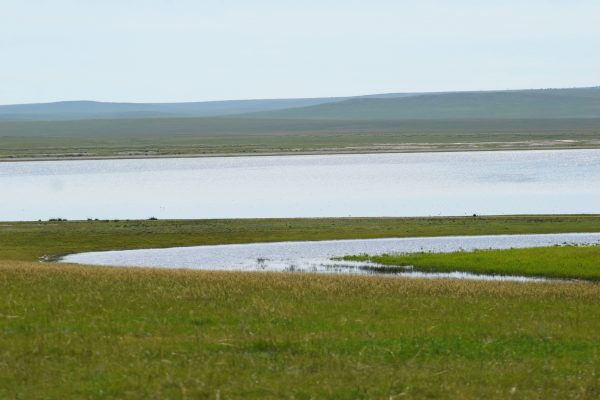
Shorebird monitoring activities of “Chukh” Bird Research Station, the Eastern Mongolia
Mongolia is located on the inland route for migratory…
Continue reading
