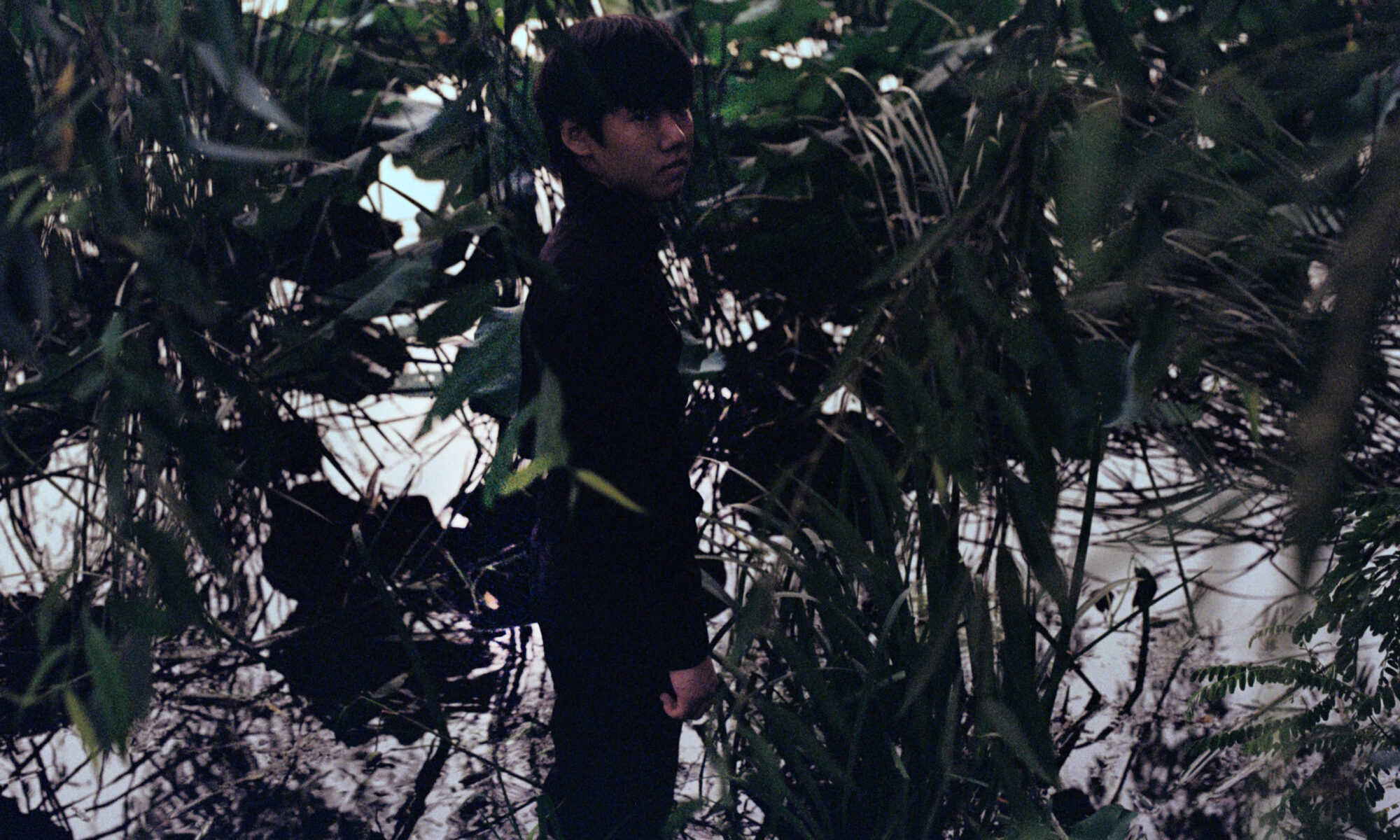
In this issue of Flyway Story, we invited our donor, musician Guinneissik.
“Liking birds is not just about photos or videos of birds; it has brought my thoughts to places I wouldn’t have considered before.” — Guinneissik
EAAFP: Hello, Guinneissik. Could you please introduce yourself?
Guinneissik: Hello, I am Guinneissik, and I’m based in Seoul. I create computer music filled with big, loud beats, and I often perform my own music as well.
EAAFP: What projects are you currently working on? Do your recent works include themes related to birds or nature?
Guinneissik: Earlier this year, after a few performances, I took a six-month break to focus on my health and regain some mental peace. Currently, I’m preparing for a fellow musician’s album production, collaborative EPs, and personally, I’m planning to release an album with a slightly changed music style.
In fact, I don’t often work on projects that involve themes related to birds or nature. I make instrumental dance music, and personally, I tend not to include deep or linguistic content. However, I have created titles inspired by birds or nature, and when the imagery fits, I have used these titles for certain works.
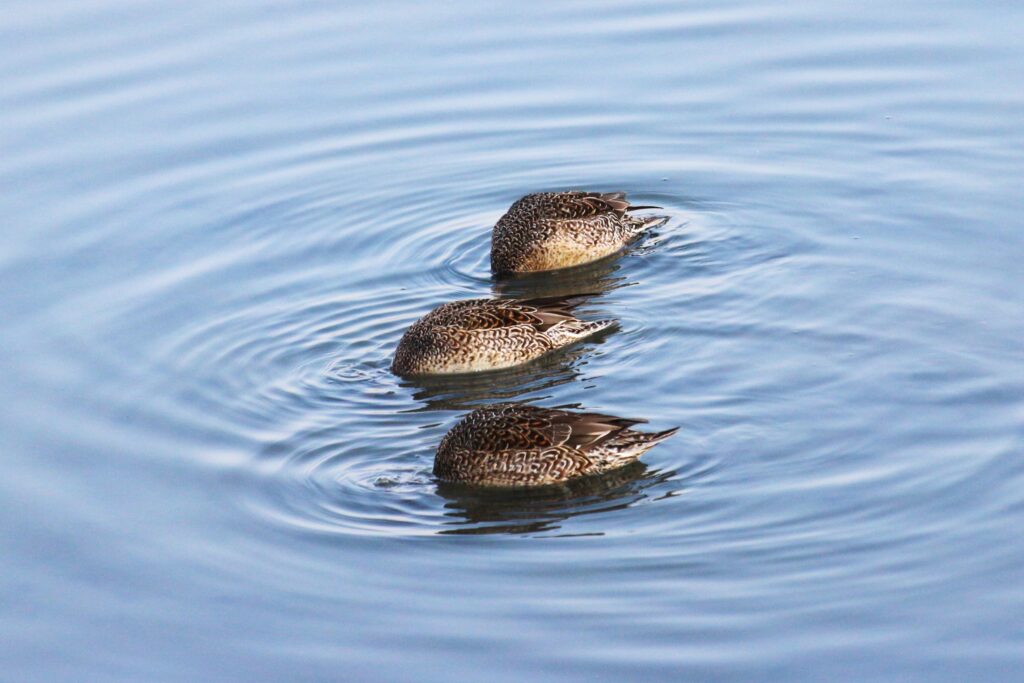
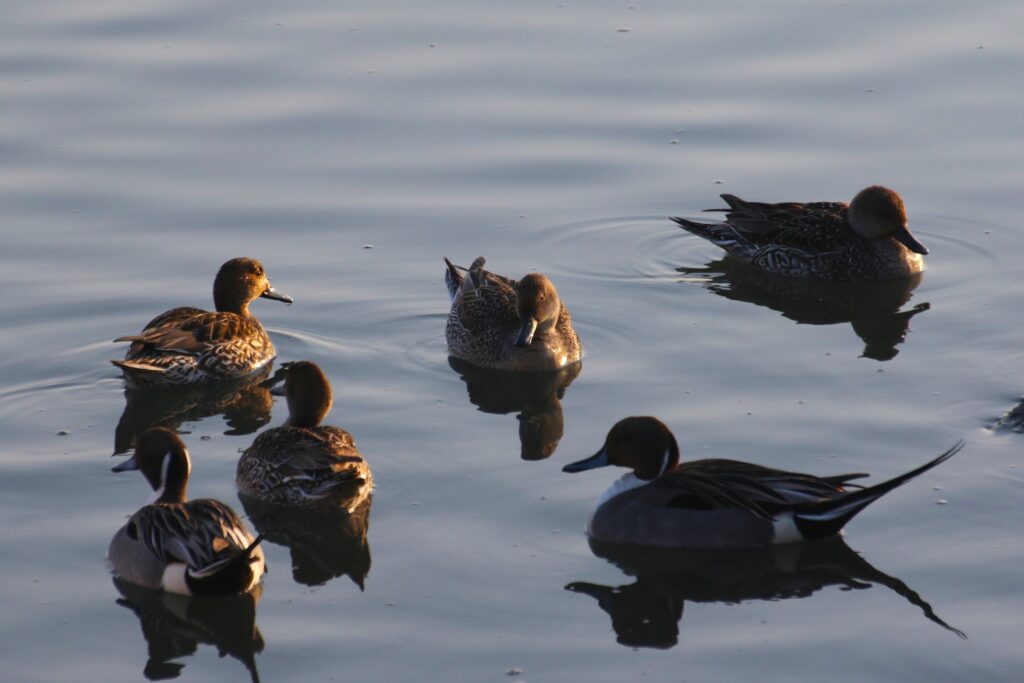
For example, an unreleased track from my performance “I Keep Coming Back” is titled “The Promise of Kimbap”. This title was inspired by an incident where I witnessed a sandpiper get run over by a truck while birdwatching at Hwaseong Lake. Afterward, I was helplessly eating kimbap at a nearby convenience store while wishing for the safety of the birds. I have come up with several such bird-related or bird-evoking titles, and I hope to use these titles in future works as well.
 ©Guinneissik
 ©Guinneissik
EAAFP: What sparked your interest in birds? Since developing this interest, have there been any changes in your life and music work?
Guinneissik: When I was about to become an adult, I somehow found myself fascinated by owls. It all started when I heard a strange bird sound near a temple close to my house during the summer. I randomly started searching for bird sounds and realized it was the call of a Northern Boobook. That was the moment when birds went from being merely beautiful and interesting creatures on screens to something that touched my skin and senses.
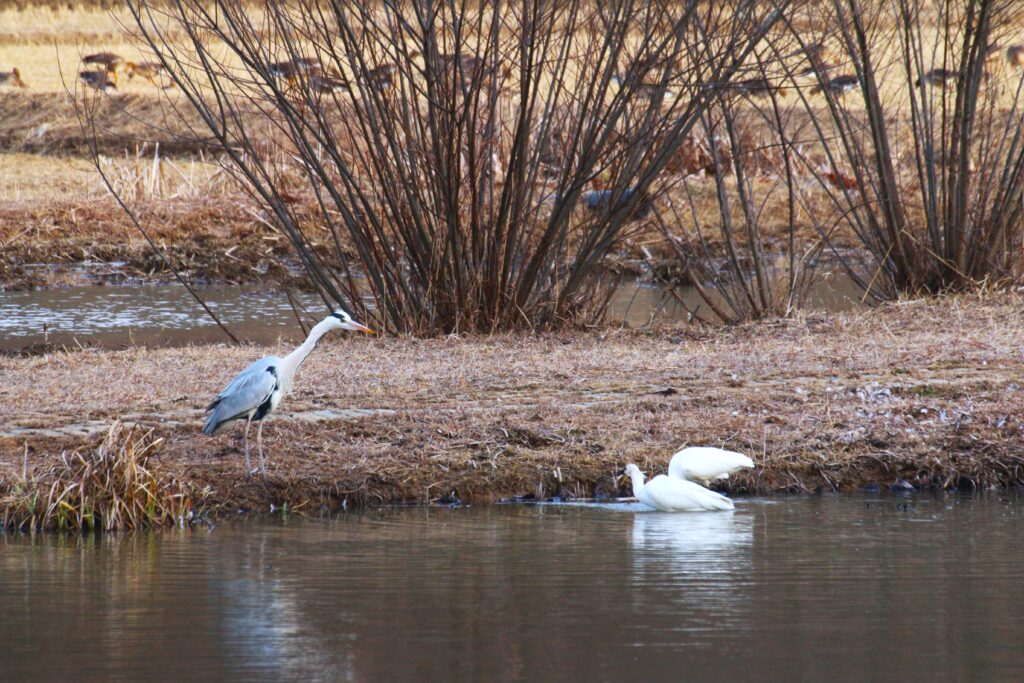
Liking birds is not just about photos or videos of birds; it has brought my thoughts to places I wouldn’t have considered before. Personally, after I started birdwatching, I often tell people that I began to feel how fleeting my own existence is in front of birds. Compared to many animals that are consumed under the same label of being “cute” or “beautiful,” birds are perceived as untamed creatures of the wild, untouched by human hands, and they truly are. But there’s a difference between understanding the phrase “there are many wild birds” and realizing that my presence, trying to capture them with my eyes and camera, is constantly a target of their vigilance. This experience of shrinking into an insignificant existence in the face of nature’s untouchable, transcendent world is something very different. Since then, it’s no longer just about birds. Words like wilderness, nature, environment, ecology, and climate naturally follow. And it made me realize how much I had been missing.
Now, when I hear about a festival in the forest, I first think about noise and light pollution. When I see an island’s ecosystem on Instagram, I feel compelled to look it up. When planning my next physical album, I consider how to reduce plastic use, and if possible, I try to reduce waste while organizing performances. (For “I Keep Coming Back,” I contacted Trashbusters, but sadly, the small-scale dish rental service was being renovated at the time, and the plan didn’t work out.) I want people to love and care more about birds, but I also have to ask myself if I’m just someone who can only admire those winged balls of feathers.
Throughout this process, I’ve often made mistakes or deceived myself, and I’ve faced limitations due to a lack of professional knowledge. However, I always try to find answers to the issues I’ve raised, and I strive not to lose faith that I’m doing the right thing. Looking back, I don’t think I’ve ever regretted the process that led me here.
 ©Guinneissik
EAAFP: I remember that you organized and performed <Love Migration> on the second Saturday of October last year, during World Migratory Bird Day. The staff from the foundation and EAAFP Secretariat were also there as the audience. It was a meaningful performance where the importance of migratory bird conservation was enjoyed and learned through music. Once again, we sincerely thank you for organizing such a wonderful concert and for donating a portion of the proceeds to the cause. During the performance, you mentioned that you planned <Love Migration> because you love birds and music. Could you share with us in more detail the story behind why you decided to organize this performance?
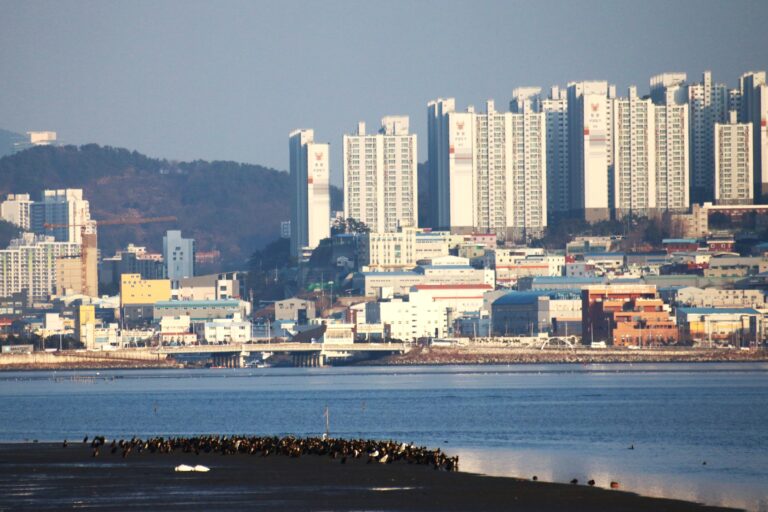
Guinneissik: The first spark came when I noticed a striking similarity between the way the independent music/underground scene thrives and the current situation of migratory birds and their habitats. Just as live clubs are losing their place due to large industries and gentrification, migratory bird habitats and bird sanctuaries are disappearing due to reckless development. However, both indie/underground artists and migratory birds always return to their definite space, which drew this parallel for me.
 ©Guinneissik
During the process of recruiting artists and finalizing the details of the performance, the format and lineup of the event changed a few times, but I made sure not to lose sight of the core idea. One of the key goals was also to donate half of the performance’s profits. Later, after being selected for the ‘Jandari Live Tour Support Program,’ I was able to reduce the burden of artist fees, promotions, and hiring writers. This made it much easier for me to comfortably donate the proceeds to the EAAFP Foundation.
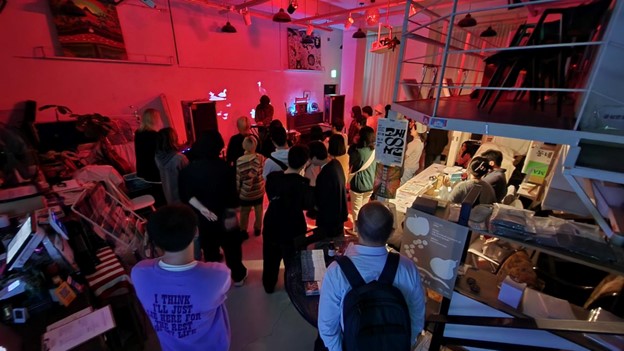 <Love Migration> performance ©Guinneissik
EAAFP: What do you think is the role of art, like music, in the conservation of migratory birds and their habitats? And how can we encourage more artists to get involved?
Guinneissik: My music is based on a genre that can only exist when many people gather together, so I feel that art and social participation are inseparable. Right now, I believe it’s crucial to actively raise awareness about biodiversity and habitat conservation to everyone. Perspectives on nature and ecology are often not something we directly experience in our daily lives, so compared to other social issues, I feel they are addressed less frequently. Even when they are discussed, it often tends to be from a human-centered perspective—what benefits it brings to humans, how it feels to humans, or whether it is suitable for human action—and only the topics that meet these criteria seem to draw attention.
In the process of leading these efforts, if art can play a role, it’s about providing an experience that sharply engages the sensory areas that existing communication media cannot reach. I believe art is a powerful tool because it can provide such a sensory experience.
EAAFP: What are your future plans as a musician, Guinneissik?
Guinneissik: Recently, I set the lifelong goal of believing in my true feelings and maintaining honesty as much as possible. Based on that, the first thing I want to put into action is supporting as many fellow artists as I can, and the next is to release my third full album sometime next year.