In this issue of Flyway Story, we invited artist Ji-mi Kim, who conveys stories about birds and environmental ecology through metal crafts.
“My goal is to contribute as an eco-artist to raising awareness of environmental issues, ecology, and the cultural and artistic sensitivity of the public.” — Ms. Ji-mi Kim
EAAFP: Hello, Ji-mi Kim. Could you please introduce yourself?
Ji-mi Kim: Hello, I am Ji-mi Kim, a metal craft artist and eco-artist who conveys environmental messages through art. On social media, I work as a green influencer, raising awareness about environmental and ecological issues, promoting sustainable living, and living a vegan-oriented life to spread positive influence.
EAAFP: What inspired you to participate in the EAAFP New Year’s Calendar event?
Ji-mi Kim: I’ve been following EAAFP’s activities since last year, and I had decided that I wanted to support them in the new year. When I saw that the calendar event was happening, I was happy to join. I also want to thank you for the cute goodies that came with the calendar.
EAAFP: What inspired you to become interested in migratory waterbirds and habitat conservation? And what led you to make birds the main subject of your work as an eco-artist?
Ji-mi Kim: When the pandemic began in 2020, and with all the environmental changes happening, I started feeling a vague fear about the future. I decided I wanted to become a mother and adult that my children wouldn’t be ashamed of, so I made the decision to create art that carries environmental messages. Before I started creating art, I believed that learning about the environment should come first. I participated in various environmental campaigns and studies, where I personally experienced and learned a lot. One day, I joined a campaign with my child at Green Korea United, aiming to prevent wild birds from colliding with windows. I was shocked to learn that 8 million birds die every year, and 20,000 birds die each day due to window collisions, which sparked my interest in birds. As I continued to look for activities related to birds, I took birdwatching education and discovered that various species of birds live around me. I realized that if more people became aware of the birds living in urban areas, it would help with habitat and population conservation. As a beginner in birdwatching, every encounter with a bird gives me so much inspiration. I especially wanted to share the awe and happiness I feel, which led me to have my first solo exhibition in November last year, titled ‘Everyday’s New (Bird) Discovery.’ That’s when I started my full activities as an eco-artist.
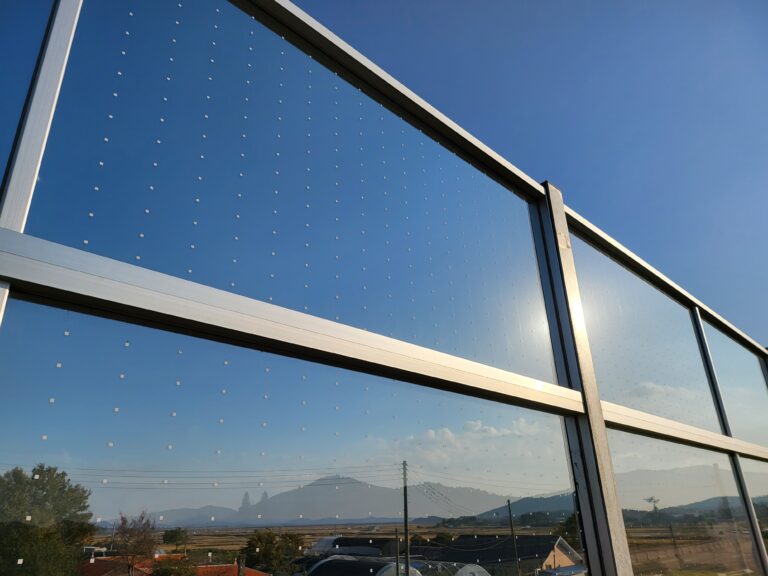
Applying bird collision prevention tape on a soundproof wall ©Ji-mi Kim
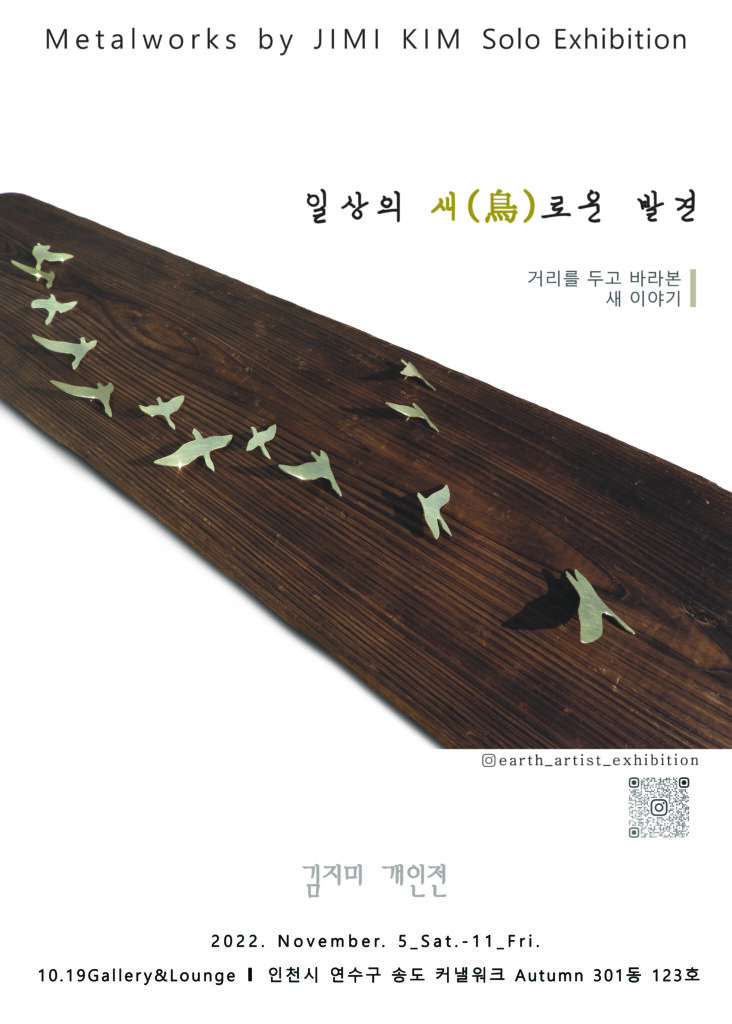
“Everyday Birdiscovery” exhibition poster ©Ji-mi Kim
EAAFP: Do you regularly participate in activities related to migratory waterbirds, such as birdwatching? If you have any memorable experiences, please feel free to share your thoughts and feelings.
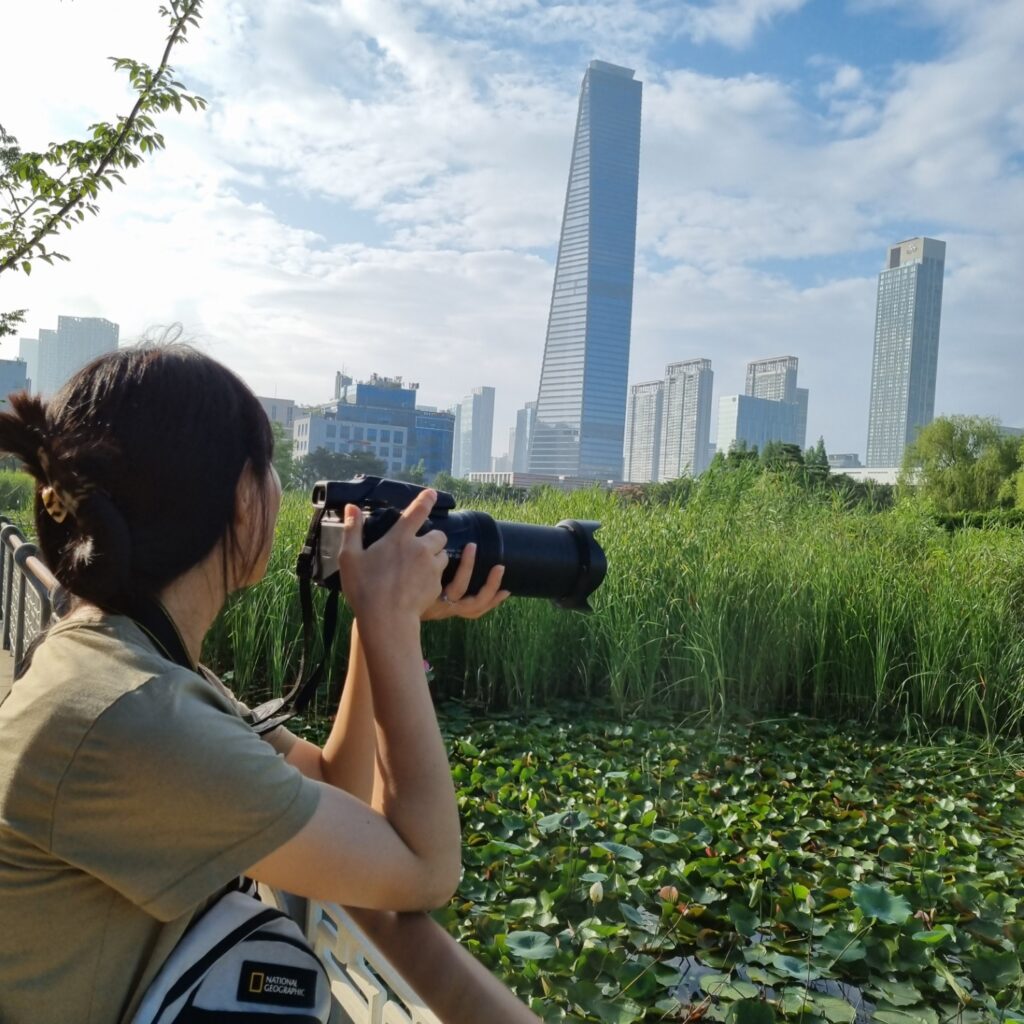
Ji-mi Kim: Last Spring, I participated as a volunteer in the habitat restoration for the Black-faced Spoonbill at the Namdong Reservoir. I remember going to the artificial island by boat, which I had only observed from afar through a telescope, and stepping on the island to cut grass and collect branches for nesting materials. While I was on the island, I looked at the high-rise buildings of Songdo in the distance and felt a deep sense of responsibility as a 12-year resident of Songdo who has occupied the waterbirds’ habitat. The weather was cold, and the wind was strong, making the work more difficult than I expected, but it was an experience that sparked a deeper interest in Black-faced Spoonbills.
That summer, while birdwatching at Namdong Reservoir, I had the chance to see the Black-faced Spoonbills breeding, and I felt a sense of relief as I watched them build nests and care for their chicks on the very artificial island I had helped restore. At that moment, I felt both gratitude and guilt. I had heard that more than 80% of the world’s Black-faced Spoonbill population calls Incheon home. While I wish they could breed without human interference, they are already classified as critically endangered, so I believe they need our help. Moreover, protecting Black-faced Spoonbills helps protect many other species that share their habitat, making it a meaningful endeavor.
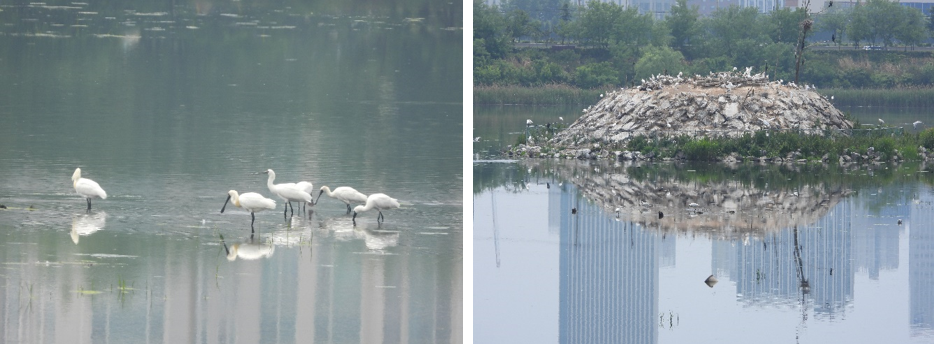 Namdong Reservoir in May ©Ji-mi Kim
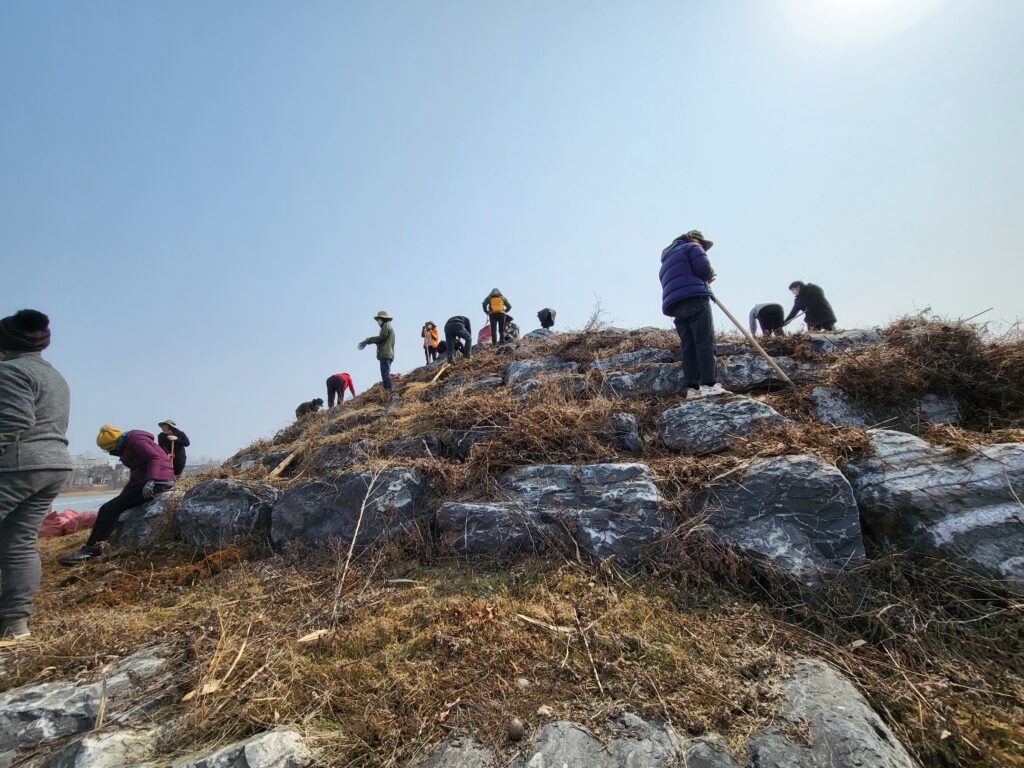
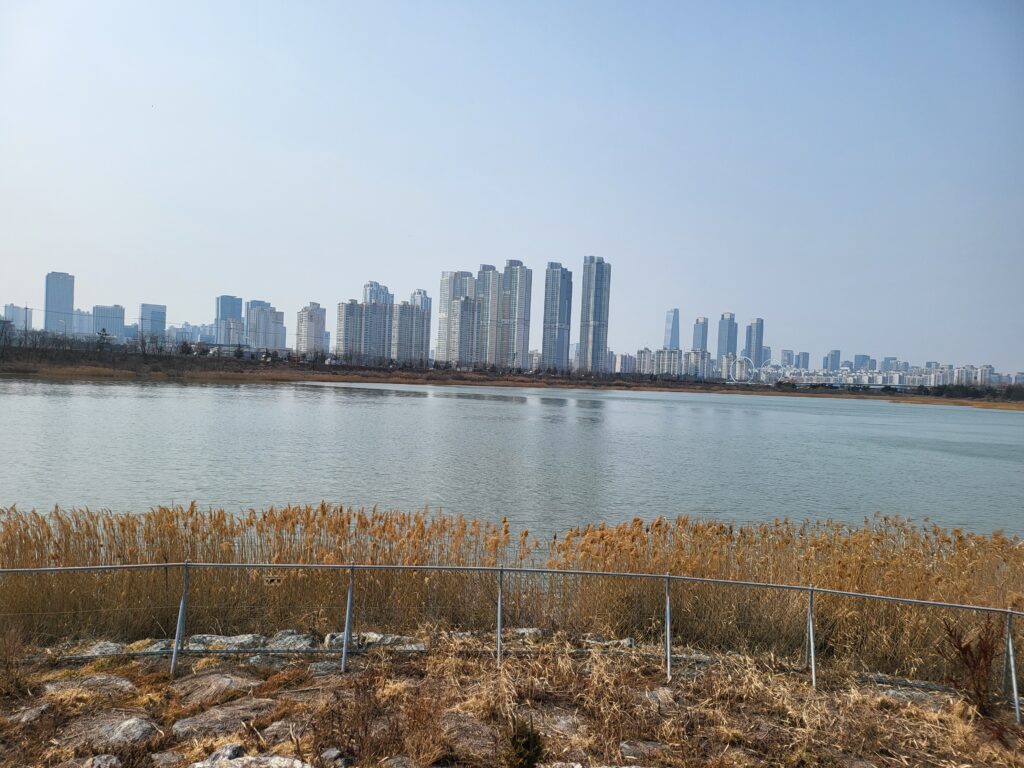
Habitat cleanup for Black-faced Spoonbills at Namdong Reservoir ©Ji-mi Kim View of Songdo City from the artificial island at Namdong Reservoir ©Ji-mi Kim
EAAFP: What do you think is the biggest issue in the conservation of migratory waterbirds and their habitats?
Ji-mi Kim: I believe the biggest problem is the unceasing urban development. The destruction of our country’s natural environment has already reached a level that is difficult to recover from due to land reclamation, highway construction, and the building of new airports. Despite this, new development plans continue to be made and pushed forward. A recent example is the planned opening of the Incheon-Sihwa section of the second metropolitan highway. Although the details haven’t been finalized, this section includes protected wetland areas and Ramsar wetlands in Songdo, which would violate international agreements such as the Biodiversity Convention and the Ramsar Convention. Although there’s already a road, they plan to open this section to address traffic congestion. I believe decisions should be made with priority given to our country’s international trust and environmental conservation, rather than focusing solely on economic factors.
EAAFP: EAAFP is currently working in many areas, including public awareness programs, support for NGOs, and corporate championship programs, to conserve migratory waterbirds and their habitats. Among them, public awareness is essential for the future where migratory waterbirds and humans coexist. What information or opportunities do you think EAAFP should provide to increase public awareness? How can we teach future generations, especially children, the importance of environmental protection?
Ji-mi Kim: I don’t know if it’s possible, but I would love for EAAFP to help support the screening of Director Hwang Yun’s recent film Sura in Songdo (at the Incheon Yeonsu CGV special screening). There’s no better medium to reach the public than film. As the saying goes, ‘If you know, you will love,’ by experiencing the beauty of birds and nature through a film and learning about the situation of the Sura mudflat, the public will have the opportunity to reflect on the issue. Often, people don’t think about it because they don’t know. For example, I lived in Songdo for 12 years, but it was only three years ago that I learned about the Black-faced Spoonbill. Once people know, small changes start to happen. I think it would also be great if there were support programs that encourage activities like studies or monitoring clubs focused on migratory waterbirds and habitat conservation. For instance, activities like Dr. Jane Goodall’s Roots and Shoots could be developed across different generations. While lectures are great, the joy of self-learning and discovery tends to stay with people longer.
EAAFP: What has been the public’s reaction to your works on birds and environmental ecology?
Ji-mi Kim: Since metal crafts are not something people often encounter, many were fascinated by the pieces. They were especially surprised to learn that the materials I used were discarded items. I treated the discarded materials as I would with metal, completing them with a high level of craftsmanship, so the artwork was appreciated for its beauty. The fact that my works are not abstract but capture moments in nature with a story embedded in them sparked many meaningful conversations with the viewers. During the exhibition, I barely had time to eat as I was constantly explaining the pieces to visitors, but I felt incredibly happy to receive their attention and support. The reactions from those who participated in birdwatching were especially positive, and they were deeply moved by the fact that I expressed a moment we had all witnessed together through my artwork. Some of the jewelry pieces I created, such as badges, necklaces, and earrings, were sold through custom orders, and I believe that if the works had no meaning, people wouldn’t have purchased them. I am truly grateful that they bought them in support of my work and the message behind it.
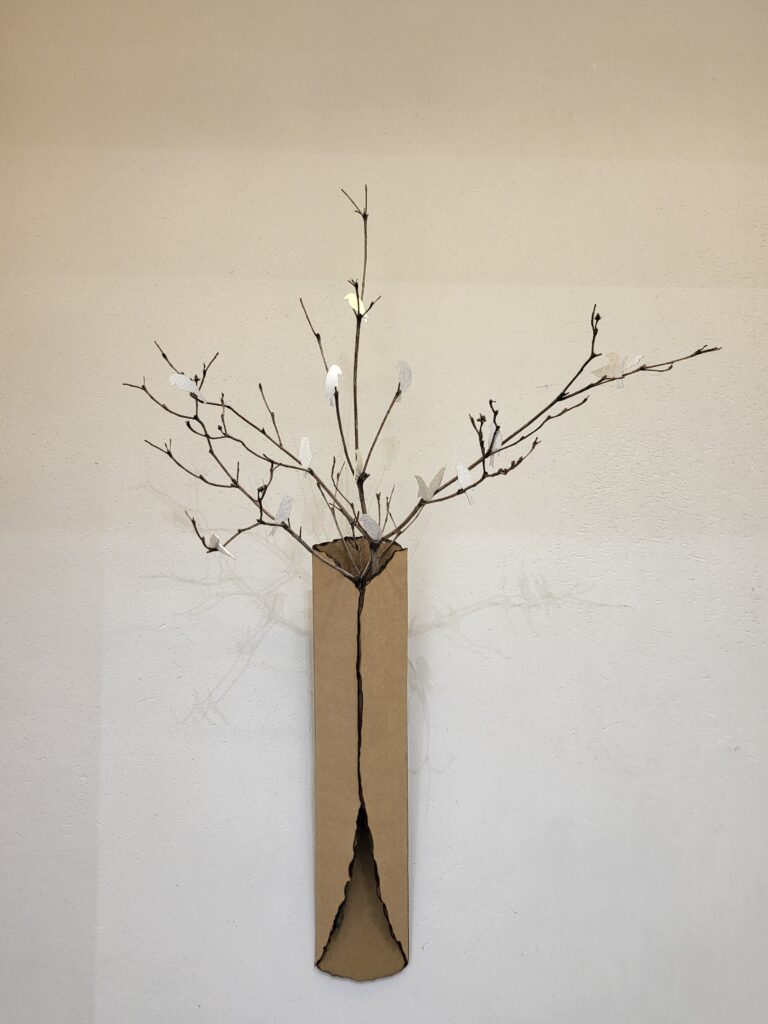
Artwork: Coexistence ©Ji-mi Kim
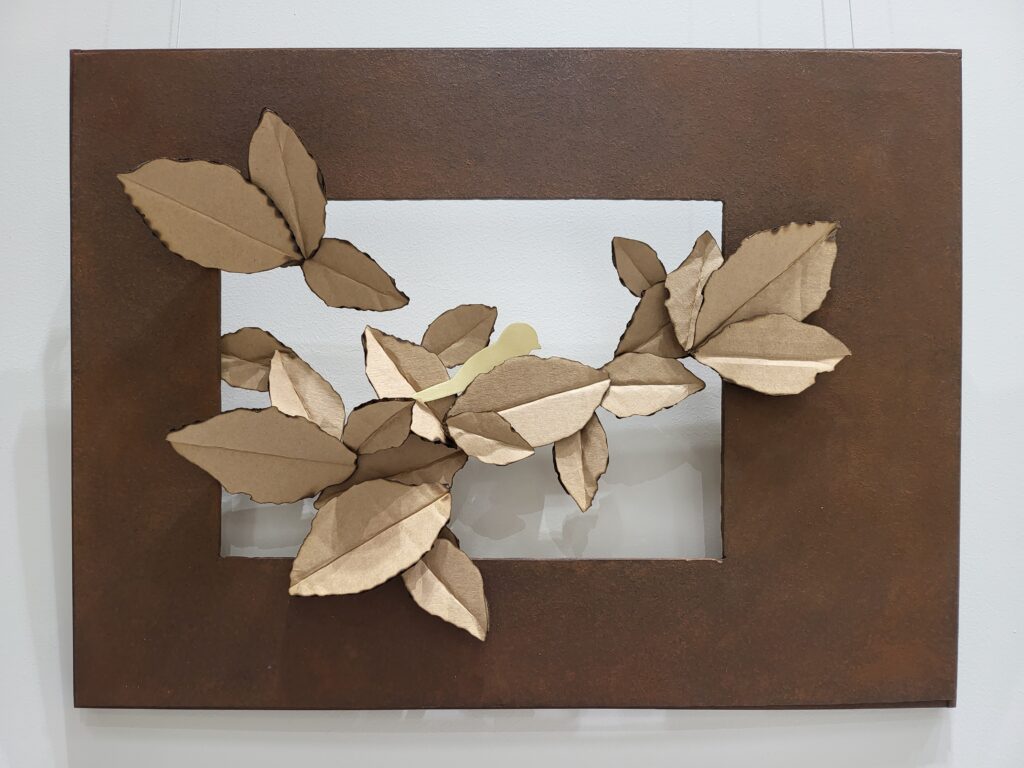
Artwork: Hide and Seek ©Ji-mi Kim
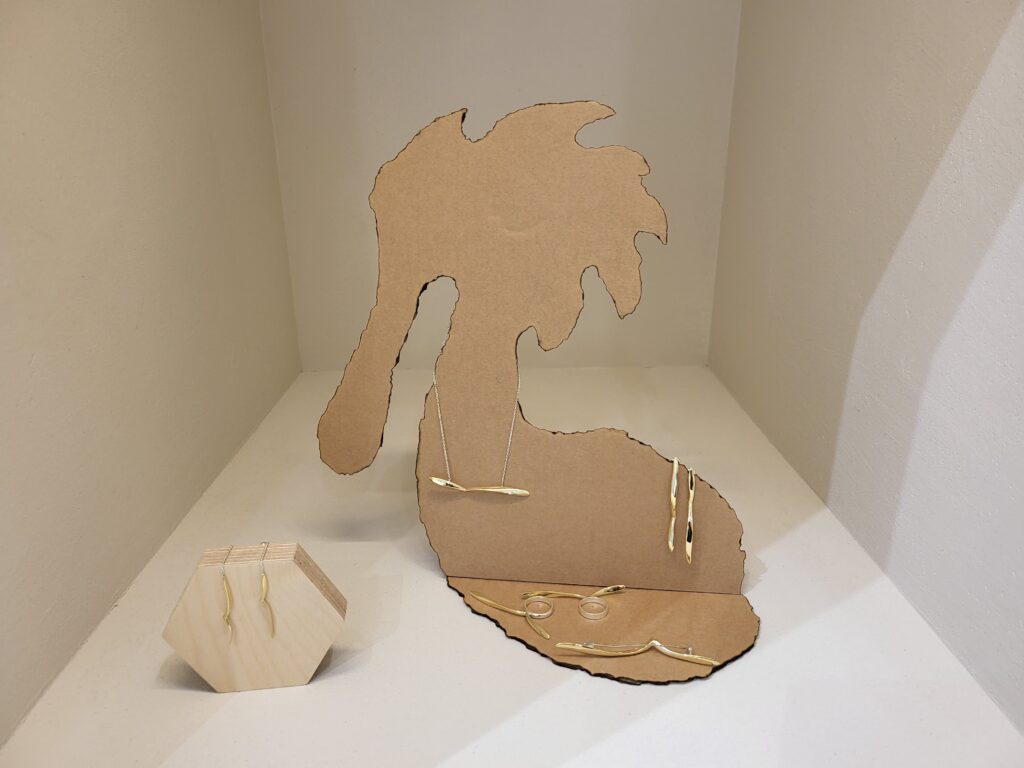
Jewelry Artwork ©Ji-mi Kim
EAAFP: How can we raise awareness about environmental issues within the art community and make eco-friendly art a trend?
Ji-mi Kim: I believe that while Korea has started focusing on environmental issues and eco-art a bit later, we are quick to absorb and adapt to new ideas, so I expect the trend to expand quickly. However, this rapid change also requires a certain level of caution. The power of art to influence and convey messages is stronger than we might realize, so while the individuality of an artist’s work is important, a sense of responsibility is necessary. Artists should be updated on evolving environmental issues and approach them with a comprehensive perspective. It’s not just about joining the trend; it’s about authentic artistic practice that can move the hearts of the public. In this sense, the role of the artist is socially significant. Furthermore, eco-art should not end up becoming an activity that harms the environment. I reflect on this as well. When creating materials like posters or leaflets, I now ensure to use FSC-certified paper or recycled paper, and soy ink printing. As Green Designer Professor Hoseop Yoon suggests, it’s important to follow eco-friendly practices to avoid contradictions in the environmental message. Although it might seem difficult, I believe that these sustainable practices should be the standard in all fields, making eco-art more accessible to everyone.
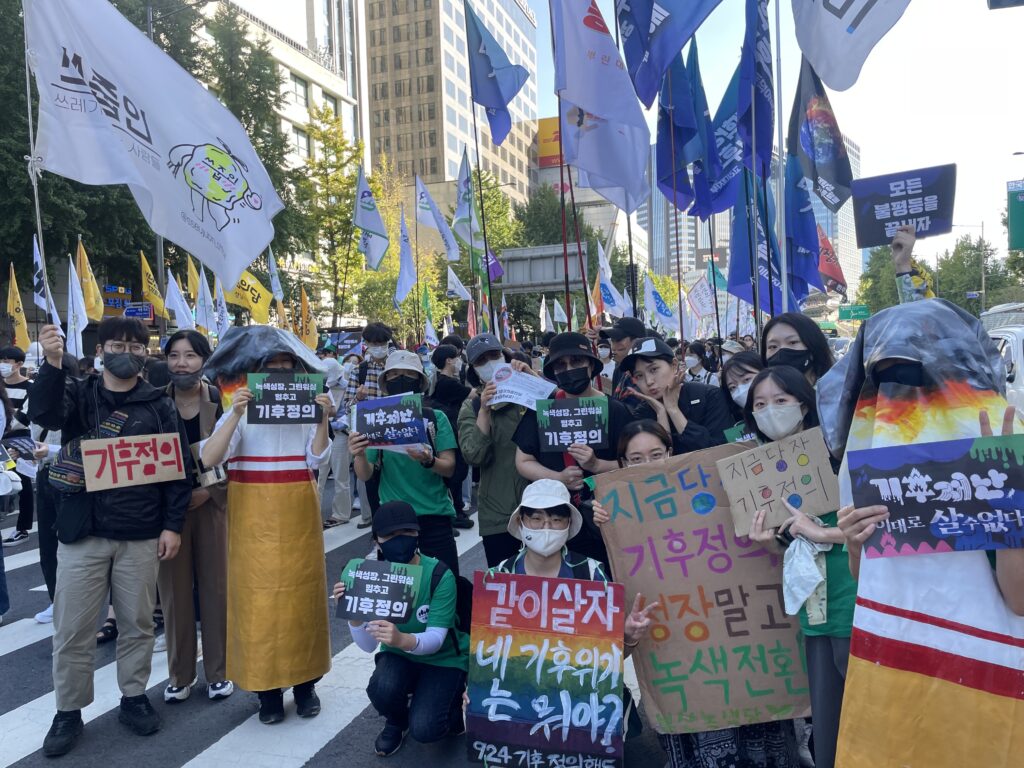 924 Climate Justice March Participation Site ©Ji-mi Kim
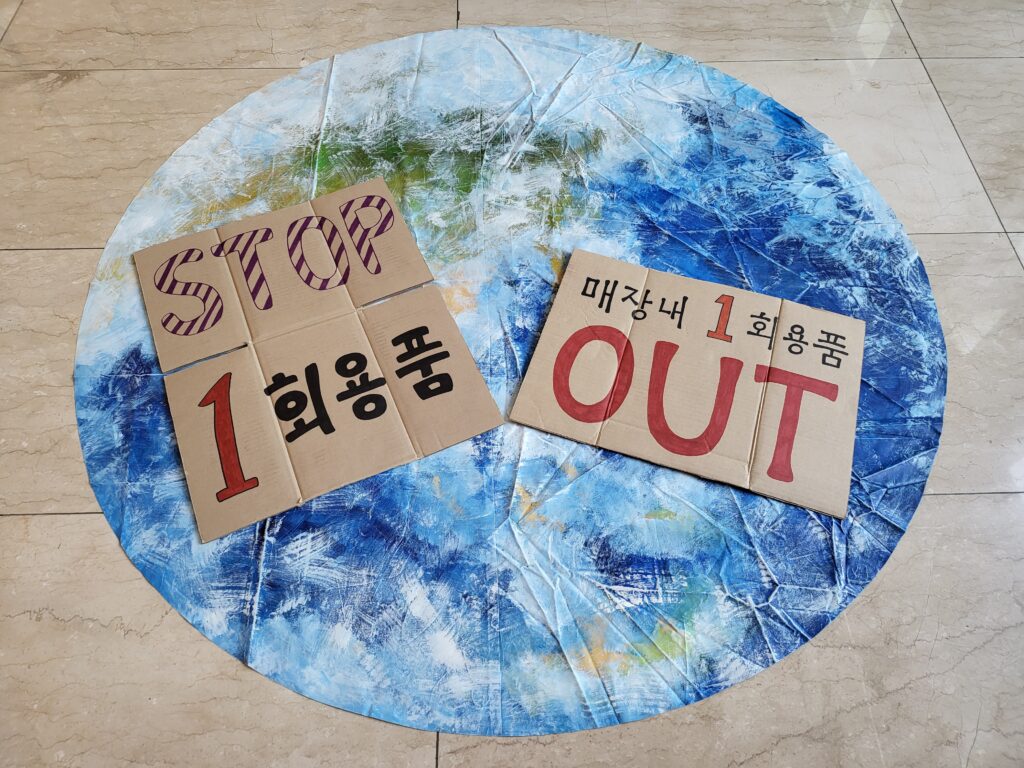
Recycled Banner Earth ©Ji-mi Kim
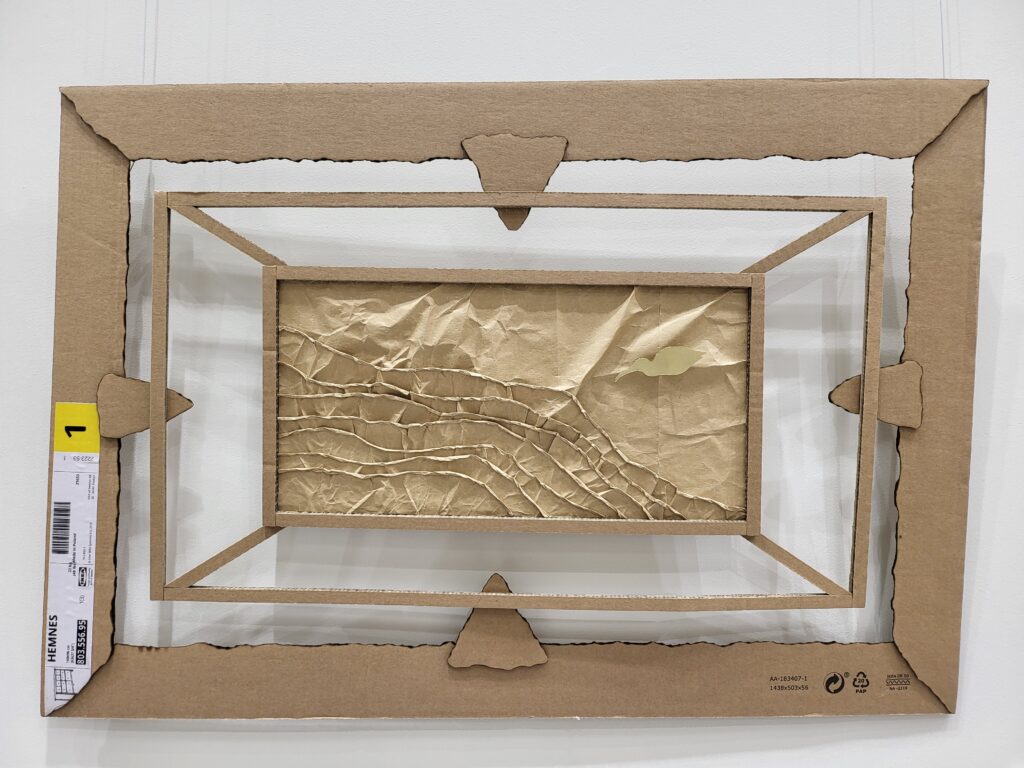
Artwork: At the Seaside ©Ji-mi Kim
EAAFP: What is the theme of your upcoming exhibition or project? As an eco-artist raising awareness of environmental issues through art, what are your plans?
Ji-mi Kim: This year, I believe I will continue to draw inspiration for my work from birdwatching activities. While I don’t have concrete plans yet, there are still stories I want to share that I couldn’t include in my solo exhibition. I also really liked the approach I used during that exhibition, so I plan to further develop my work combining metal and discarded materials. In addition, I want to engage in cultural and artistic education through programs linked to my artistic activities. My goal is to contribute as an eco-artist to raising awareness of environmental issues, ecology, and the cultural and artistic sensitivity of the public.
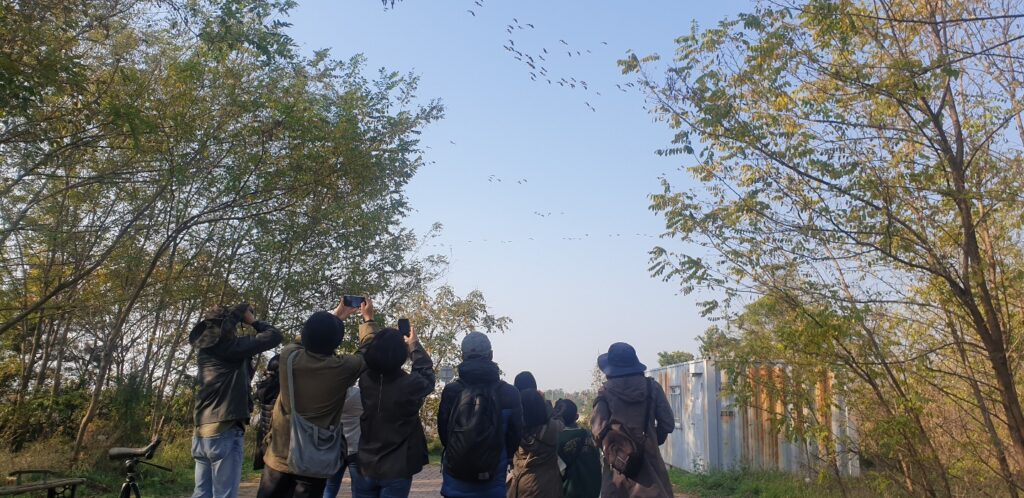
Migration of the Bean Goose during birdwatching monitoring activity on Yeongjong Island ©Ji-mi Kim
Instagram
@green_earth_art https://www.instagram.com/green_earth_art/