© EAAFP
Wetlands were at the heart of global discussions at the 15th Meeting of the Conference of the 2025-07-26 10.37.05 Contracting Parties to the Ramsar Convention on Wetlands (COP15), where governments, international organisations, NGOs, and experts came together to chart a stronger course for wetland conservation. Among the many voices, the East Asian–Australasian Flyway Partnership (EAAFP) played an active and visible role, championing the vital connection between wetlands, migratory waterbirds, and the communities that depend on them across the East Asian–Australasian Flyway (EAAF).
Through a dynamic mix of events, dialogues, and collaborations, the EAAFP reinforced its position as a driving regional force under the framework of the Convention on Wetlands. From convening knowledge-sharing side events and fostering collaboration to showcasing regional initiatives and engaging global partners in bilateral discussions, the Partnership’s presence at COP15 underscored both the ecological and societal value of wetlands along the EAAF, while calling for collective responsibility to safeguard them.
Partners from EAAFP who attended Wetlands COP15 are:
- National governments: Australia, Bangladesh, Cambodia, Indonesia, Japan, Kingdom of Thailand, Lao PDR, Malaysia, Mongolia, Myanmar, New Zealand, Philippines, People’s Republic of China, Republic of Korea, Viet Nam
- Intergovernmental organisations: Convention on Migratory Species (CMS), Convention on Biological Diversity (CBD), FAO
- International non-governmental organisations: BirdLife International, Hanns Seidel Foundation–Korea, ICLEI Cities Biodiversity Center (ICLEI CBC), Wetlands International, Wildfowl & Wetlands Trust (WWT), Wild Bird Society Japan, World Wildlife Fund for Nature (WWF), Mangrove Conservation Foundation (MCF). RRC-EA
- International organisation: International Union for Conservation of Nature (IUCN)
COP15 Resolutions
Contracting Parties at Wetlands COP15 considered 26 draft resolutions, each designed to strengthen global commitments to wetland conservation. Several aligned closely with the priorities of the EAAFP, with a few of particular significance for the Partnership’s mission to protect wetlands and migratory waterbirds across the EAAF.
Establishment of the Global Waterbird Estimates Partnership (GWEP) and delivery of the 2027 edition of Waterbird Population Estimates (WPE2027)
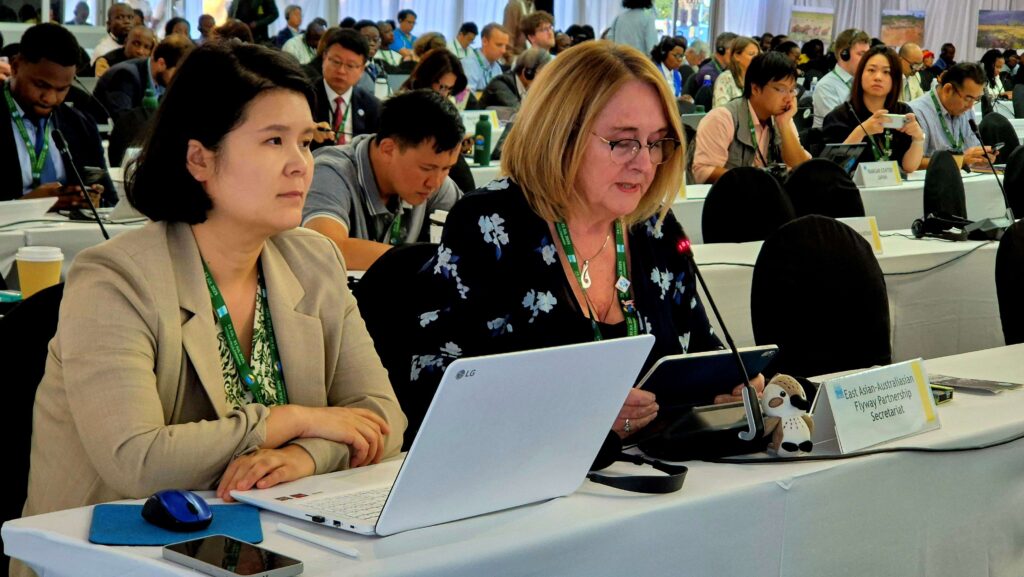
A key milestone was the adoption of the resolution to establish the Global Waterbird Estimates Partnership (GWEP) and deliver the next edition of the Waterbird Population Estimates (WPE2027). With its focus on updating data for regions, flyways, and populations most in need, the resolution highlights the essential role of science and monitoring in effective conservation. It also calls for mobilising resources to sustain GWEP’s work and requires reporting back to COP16, ensuring continuity, transparency, and accountability. For the EAAFP, this initiative offers a crucial opportunity to align regional monitoring with global processes and strengthen the evidenced-base conservation priorities for years to come.
© EAAFP
The resolution also champions participatory and inclusive coordination at the national level, deeper engagement with flyway initiatives, and stronger connections between local voices, national priorities, and international frameworks. In addition, it invites Parties to support the EAAFP Youth Task Force and the Flyway University Alliance, ensuring the next generation is empowered to lead flyway conservation.
Ramsar Regional Initiatives 2025–2028
The adoption of this resolution reaffirmed the importance of regional networks and centres as drivers of training, capacity building, and cross-border collaboration. By requesting the Ramsar Secretariat to liaise with regional representatives and assess opportunities for Ramsar Regional Initiatives (RRIs), the resolution highlights their critical role in advancing the Convention’s Strategic Plan. For EAAFP, recognised as one of these initiatives, the decision strengthens its role as a regional mechanism under the Convention on Wetlands and underscores the value of cooperation at the flyway scale to achieve global wetland outcomes.
Side Events
One of the highlights of EAAFP’s engagement at COP15 was its co-organisation of two impactful side events.
Connecting Wetlands, Flyways, People and Institutions – 25 July
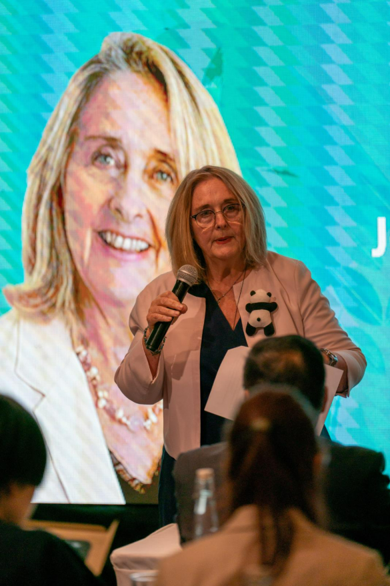
Jointly organized with ADB, ICLEI, and MCF this side event successfully drew a full audience and underscored a simple yet powerful message: connectivity matters. EAAFP Chief Executive Jennifer George emphasised the importance of shining a light on frameworks that foster connection — linking people, innovative financing, site-level practices, and collaboration across borders. EAAFP Deputy Chief Executive Yoon Lee reinforced this by showcasing the Flyway Network Sites (FNS) as living examples of connectivity in action. Through habitat protection, sister site partnerships, and peer learning, FNS demonstrate how wetlands, communities, and institutions can work together to deliver meaningful outcomes for migratory waterbirds and the people who depend on them.
© Barend van Gemerden – BirdLife International
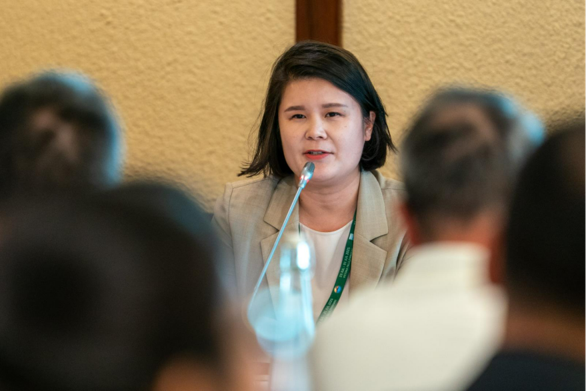
© Barend van Gemerden – BirdLife International

© Barend van Gemerden – BirdLife International
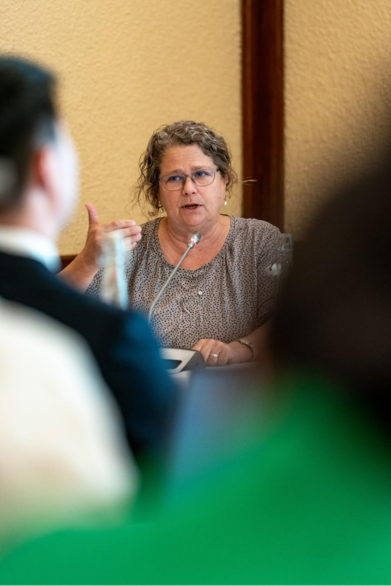
© Barend van Gemerden – BirdLife International
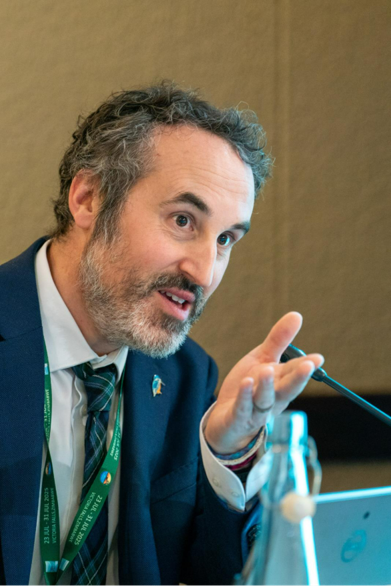
© Barend van Gemerden – BirdLife International
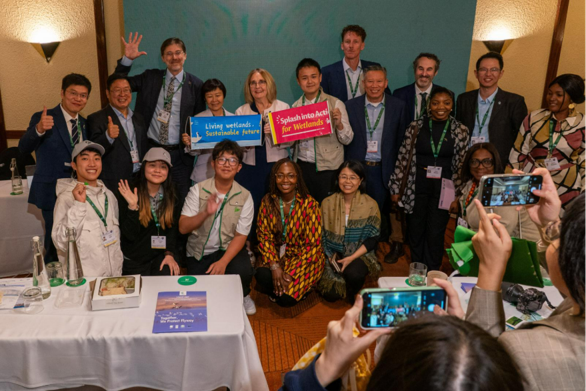
© Barend van Gemerden – BirdLife International
Ramsar Regional Initiatives – delivering for Ramsar globally through regional partnerships – 27 July
This joint side event brought together Ramsar Regional Initiatives (RRIs) from around the world to showcase their contributions to wetland conservation, share progress, and exchange lessons learned across regions. The discussions highlighted how RRIs serve as vital bridges between the global vision of the Convention on Wetlands and practical action on the ground. A short film produced by the Ramsar Secretariat illustrated the diversity of RRI approaches and achievements, complemented by regional representatives who shared inspiring examples of collaboration, innovation, and community engagement.
EAAFP Chief Executive Jennifer George presented the Partnership’s work on flyway conservation, underlining how coordinated efforts at the flyway scale are delivering tangible results. She pointed to the recovery of the Black-faced Spoonbill population as a powerful example of what can be achieved when governments, civil society, and local communities unite across borders to protect wetlands and migratory waterbirds.

© EAAFP

© EAAFP
Regional Meetings
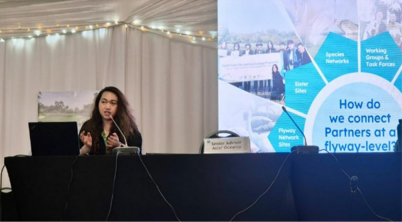
The Secretariat also played an active role in the Regional Meeting for Asia, where it delivered a presentation introducing EAAFP’s mission and highlighting key achievements from the past triennium. This underscored the Partnership’s value as a mechanism to support the Convention’s objectives, showcasing its leadership in mobilising efforts across Asia and the wider EAAF. By sharing its progress, EAAFP encouraged Contracting Parties to strengthen and expand their commitments.
© EAAFP
In addition, the Secretariat participated in the Regional Meeting for Oceania, where it introduced the Partnership and further raised awareness of its role in connecting wetlands, migratory waterbirds, and people across the Flyway.
Bilateral Meetings
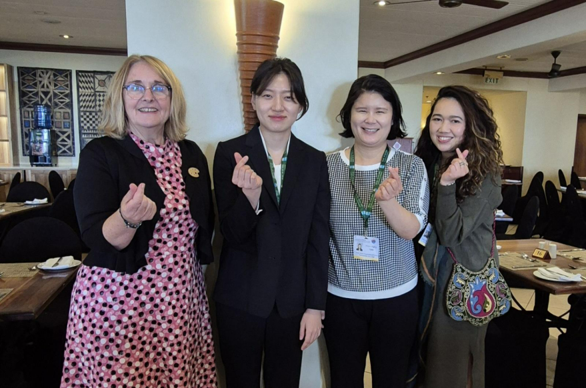
Strategic dialogues were another important pillar of EAAFP’s participation. Through a series of bilateral meetings, the Secretariat engaged directly with government representatives, international organisations, as well as potential Partners and collaborators to advance shared priorities. These conversations opened doors for new initiatives and deepened collaboration, strengthening the network of actors working together to secure the future of wetlands and migratory waterbirds across the Flyway.

© EAAFP

© EAAFP
© EAAFP
EAAFP Partners’ Dinner – 25 July
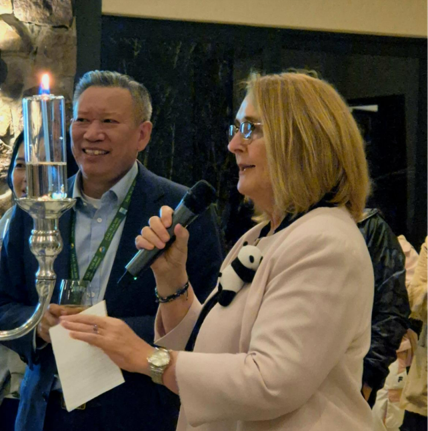
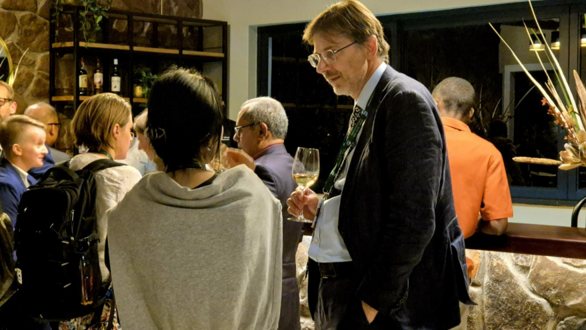
Beyond formal sessions, the EAAFP Partners’ Dinner offered a valuable platform for strengthening personal and professional connections. Partners and collaborators from across the Flyway gathered in an informal setting to reconnect, share perspectives, and explore opportunities for future cooperation. These exchanges highlighted the importance of trust, collaboration, and shared vision in advancing the conservation of wetlands and migratory waterbirds.

© Barend van Gemerden – BirdLife International
© EAAFP
© EAAFP
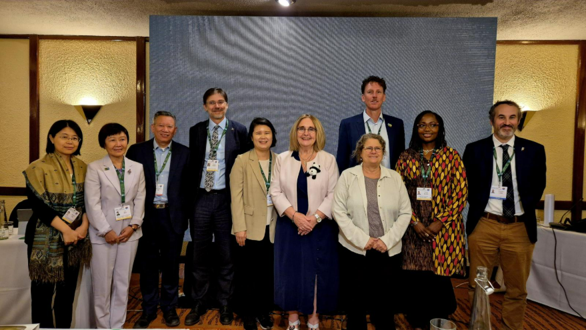
© EAAFP
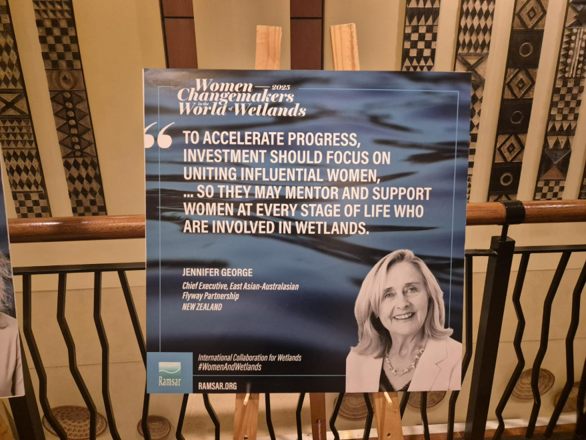
Women Changemakers in the World of Wetlands
Early this year, EAAFP Chief Executive Jennifer George was recognised by the Convention on Wetlands as one of twelve Women Changemakers (link) for her leadership and dedication to conserving and protecting wetlands. The award highlights women who have mobilised resources for wetland conservation, built strong public support, and nurtured the next generation of wetland specialists through training and mentorship. Her achievements were also showcased in a special exhibition during COP15.

© EAAFP
© EAAFP
EAAFP at Wetlands COP15: Promotions and Ramsar Regional Initiative Booth
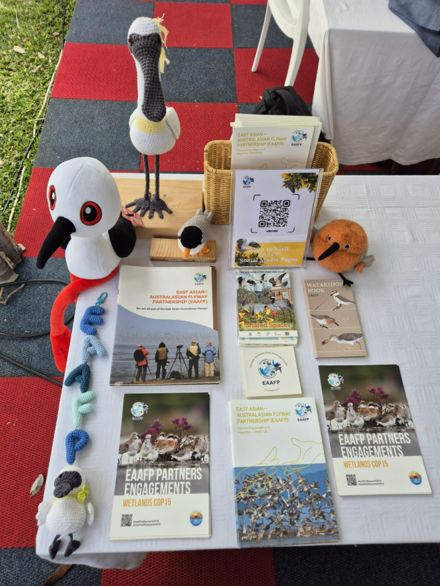
EAAFP’s visibility at COP15 extended well beyond formal sessions, with a strong presence at the Ramsar Regional Initiative Booth and through a range of promotion and outreach efforts. The booth served as a vibrant hub of activity, drawing in participants eager to learn about the role of regional initiatives in advancing the Convention’s global goals. The joint RRI booth highlighted the importance of cross-regional collaboration and provided practical entry points for stakeholders to engage in flyway conservation.
© EAAFP
At the same time, the EAAFP Secretariat worked actively to ensure that the Partnership’s messages reached audiences both inside and outside the conference. Through the production of tailored materials such as the EAAFP Partners Engagements brochure (link to the brochure here) and specially designed dinner invitations alongside targeted social media campaigns, EAAFP was able to amplify its presence and share key outcomes with a broader network. These efforts reinforced the Partnership’s role as a connector of people, ideas, and action along the EAAF, ensuring that the impact of Wetlands COP15 resonated far beyond the meeting halls.
© Convention on Wetlands

© Emerald Climate Hub
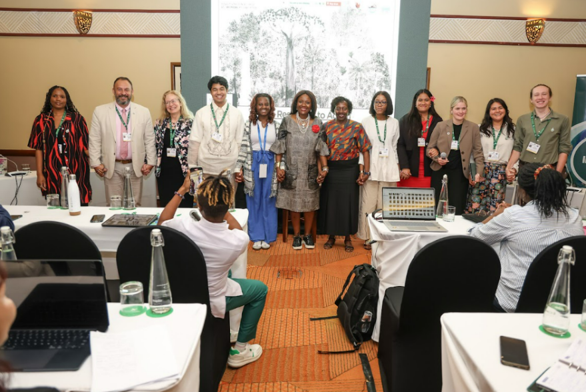
The EAAFP Youth Task Force was also represented at COP15 through its Chair, Mr. Matthew Vincent Tabilog, whose participation was supported by the EAAFP Small Grant Fund for Working Groups and Task Forces. Serving as Co-Chair of Subgroup 4 of the Ramsar Youth Working Group, he presided over preparatory meetings for the youth-led side event and later joined as a speaker and panellist. In his presentation, Mr. Tabilog highlighted the initiatives of Asian youth in wetlands conservation and shared perspectives during the panel discussion, demonstrating how youth leadership is shaping the future of wetland protection.

© EAAFP
EAAFP’s engagement at Wetlands COP15 showcased the strength of collaboration, knowledge sharing, and collective action in tackling the pressing challenges facing wetlands and migratory waterbirds. The resolutions adopted, the partnerships deepened, and the momentum built now set the stage for an even stronger collective effort leading to MOP12 and beyond.