Lang Sen wetland reserve © WWF-Viet Nam / Cham Team
Shaun Martin – Senior Program Manager,
WWF Asia-Pacific Counter-Illegal Wildlife Trade, WWF-Hong Kong
Vivian Fu – Senior Manager,
Wetlands for Asian Flyways Initiative, WWF-Hong Kong
It is well known that migratory birds can be natural reservoirs for various pathogens, including Highly Pathogenic Avian Influenza (HPAI). A literature study based on 1,834 selected studies from 1959-2022 identified a total of 760 pathogens associated with 1,438 wild bird species, including 387 emerging and 212 zoonotic pathogens and a quick search of the EAAFP news site reveals updated records of the spread of HPAI along the flyway. But why? Interestingly, the spread of these pathogens may not lie directly with the birds.
External factors along migratory routes, such as conversion of natural wetlands, deforestation, rapid urbanisation, proximity to farms and climate change, etc, can drive birds to congregate into few remaining suitable habitats. These shifting dynamics can increase interactions between birds, livestock and humans, can lead to potential zoonotic emergence and spillover, (the movement of pathogens from one species to another) and increase the risk of HPAI outbreaks.
A more holistic view of these inter-connections can lay the basis for the One Health (OH) approach.
According to the World Health Organisation (WHO) ‘One Health is an integrated, unifying approach that aims to sustainably balance and optimize the health of people, animals and ecosystems. It recognizes the health of humans, domestic and wild animals, plants, and the wider environment are closely linked and interdependent. The approach mobilizes multiple sectors, disciplines and communities at varying levels of society to work together to foster well-being and tackle threats to health and ecosystems, while addressing the collective need for clean water, energy and air, safe and nutritious food, taking action on climate change, and contributing to sustainable development.’
In 2022, a Quadripartite, consisting of the United Nations Environment Programme (UNEP), the World Organisation for Animal Health (WOAH), WHO and the Food and Agriculture Organisation (FAO), published a One Health Joint Plan of Action (OH-JPA) developed for government departments to mitigate the impact of future health challenges. More recently, CBD Parties approved a Global Action Plan on Biodiversity and Health at COP16 which includes a set of voluntary actions that can be implemented at various levels to help curb the emergence of zoonotic diseases, prevent non-communicable diseases, and promote sustainable ecosystems.
The World Wide Fund for Nature (WWF) recognizes the One Health approach and has begun to address the drivers of infectious disease. In 2024, ‘Towards a Healthy Planet: Implementing a One Health Approach to Conservation’ was published, outlining the importance of environmental health focusing on six key strategies and interventions: landscape immunity, wildlife trade, preventative medicine, pathogen early warning and monitoring, sustainable livestock management and behaviour change.
It has become increasingly evident that HPAI is a particular concern for migratory birds whose resilience and ability to resist disease is dramatically impacted by habitat, food availability and breeding sites. Therefore, the One Health approach on landscape immunity is particularly pertinent in monitoring and managing wetlands along flyways that are in close proximity to urban and rural landscapes and where nature-based solutions can build resistance against the global spread of infectious diseases like HPAI.
With the increase in storm and drought frequency, lowered water tables, and the rise in sea level, it is now more important than ever to recognize the importance of wild birds -not just as vectors of disease, but for their vital role they play in our ecosystem as predators, pollinators, seed dispersers, and ecosystem engineers. Organizations like the EAAFP can play a key role in highlighting a One Health approach to managing wetlands all along the flyway, and to systematically ensure the health of communities of migratory and domestic birds alongside the staff that work amongst them and communities that reside near them.

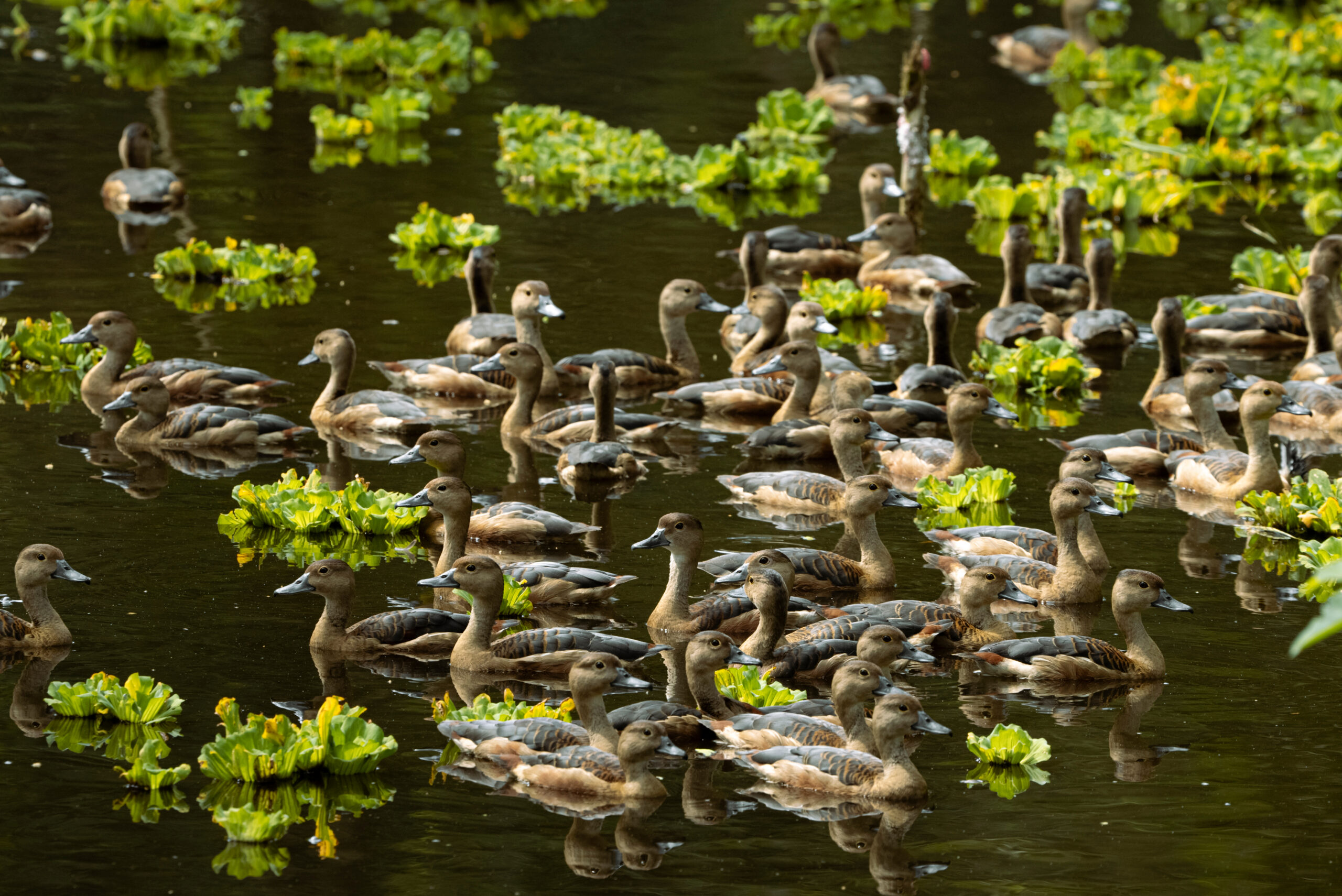
Birds, Gabura port, Bangladesh © WWF-Sweden / Troy Enekvist
Relevant links:
WWF’s One Health Approach: https://wwf.panda.org/discover/our_focus/wildlife_practice/one_health/
WWF’s Wetlands of Asian Flyways Initiative: https://wwf.panda.org/discover/our_focus/freshwater_practice/freshwater_inititiaves/asian_flyways
Report Toward A Healthy Planet: A One Health Approach To Conservation: https://wwfint.awsassets.panda.org/downloads/wwf-one-health-approach-to-conservation_1.pdf
Avian Influenza – WOAH – World Organisation for Animal Health
Updates of Avian Influenza situation by FAO/EMPRES-AH (March 2025 – June 2025)
The Role of Migratory Birds as Reservoirs for Transmitting Highly Pathogenic Avian Influenza
Deforestation and avian infectious diseases